岡特·舒赫:德國人真的像傳説中的那樣嚴謹嗎?
【知乎上有用户好奇,“德國人真的像傳説中的那樣嚴謹嗎?”“土生土長”的德國人岡特·舒赫(Gunter Schoech)先生做了回答。觀察者網已獲作者授權翻譯刊載。】
我是個土生土長的德國人,也已在不同國家(如美國、法國、西班牙、瑞士、中國等)度過15年的時光。相比自己對德國的審視,我仍好奇世界其他地方民眾對德國留有的印象。
要知道,隨着時間的推移,德國已改變很多。當然,起決定作用的事件是第二次世界大戰,更確切講,是納粹政權在權力上的得取與濫用。
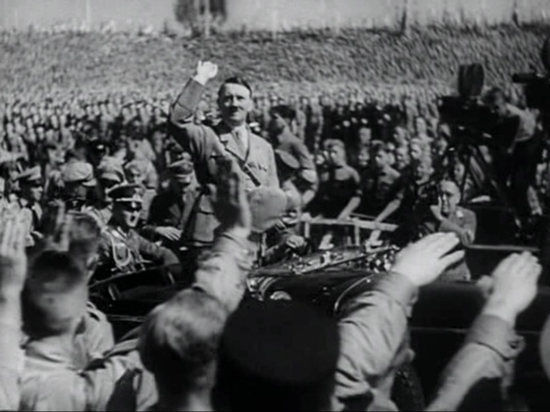
納粹首領希特勒
在美國,幾乎沒有人討論美洲原住民的命運;在日本,民眾仍參拜二戰戰犯;在西班牙,人們過得就跟佛朗科獨裁政權不曾出現過一樣;在法國,你可以相信每個人都在反抗納粹。
不同於其他歷史上有過不當行徑的國家,德國相當樂於反思歷史——銘記發生了什麼,思考為什麼會發生,以及探究該如何作為才能杜絕歷史重演。
我認為正是這種心態,讓德國得以褪去“世界壞人”的標籤,成為擁有最佳護照的國家之一——考慮到出入境方便、簽證要求等。
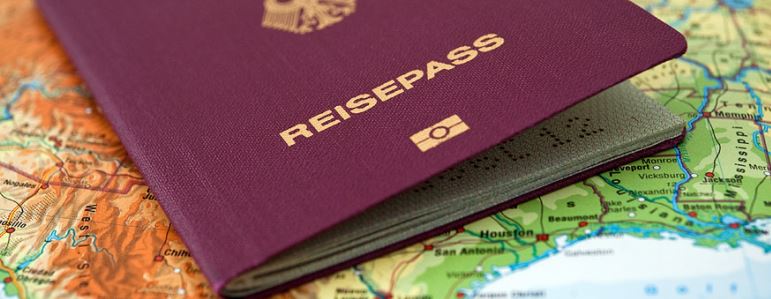
同時,這一心態也為德國人帶來了極大的改變。
德國人相信,他們至今對新科技持懷疑態度,是出於對納粹濫用技術發動戰爭這一歷史事實的顧忌。
當涉及個人數據保護、維護隱私等層面,德國人也對國家權力機關高度敏感。敏感度高到大部分德國人至今仍反對在護照上留下指紋,儘管護照是種身份證件,而指紋是獨一無二的身份標識。
相比以往,眾多美好的品性也難在德國人身上再見着。單就守時這點,我倒是在中國高鐵上感受到了,而不是乘德國列車時(實際上,一點兒也不守時)。“努力工作”這點也不再是真的了——你可能認為一週工作35小時是普遍情況,但工會的人現在正要求降至28小時。
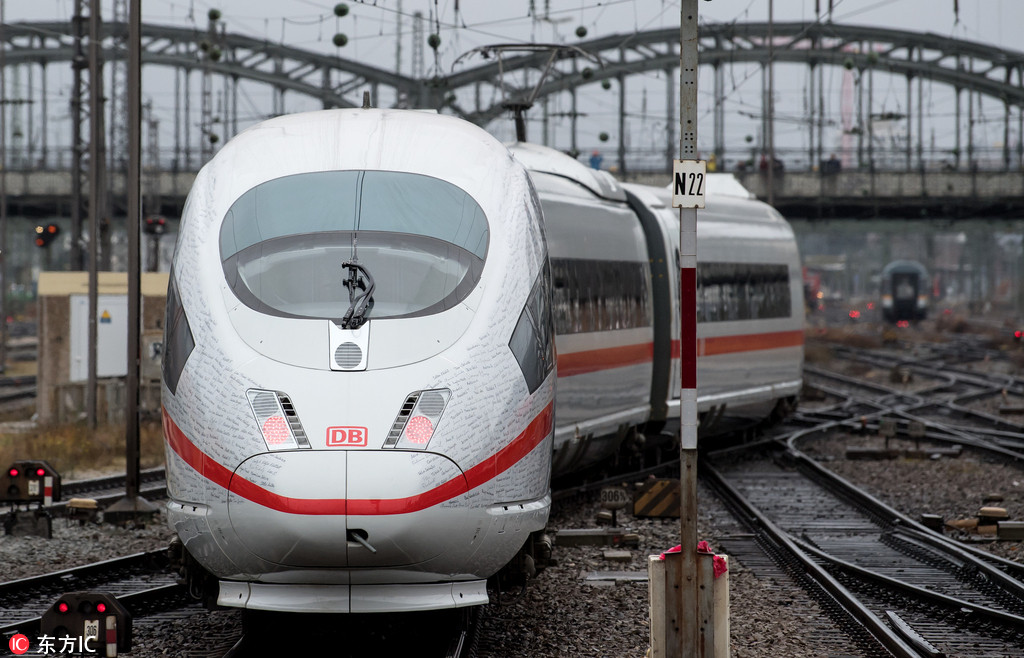
德國列車(圖/東方IC)
另一方面,德國人在工作期間非常有效率。他們通過獨立思考解決新問題,而非依賴學來的舊知識。他們對精準的講究,會講究到令人痛苦的程度。這點用在討論細節問題上,相當糟糕;但也是因為這點,產品得以日臻完美。他們在這一方面培養出一種耐心,而這耐心往往是不少快速發展國家所缺乏的。
正如其他一些人所指出的:從來沒有“德國人都”或“中國人都”如何如何。但大體來看,我認為“一些典型的德國品質仍存在,與此同時,不少品質已經歷眾多改變”這點描述算是恰當。
(翻譯/李泠,部分段落順序有所調整,原版英文回答請見後頁。)
I am a native German, and have spent about 15 years in different foreign countries (USA, France, Spain, Switzerland, China and others).
I am still surprised to see what image Germany has in different parts of the world, compared to how I see Germany myself. I think the explanation is that Germany has changed a lot over time. Certainly the most decisive event was WW2, or even more so the Nazi regime’s rise to power and abuse of that power.
Unlike other countries which had serious misconduct of their own in the past, Germany has a unique willingness to never forget what happened, why it was possible, and what it takes to make it impossible for history to repeat itself.
In the US, hardly anybody talks about the fate of the native Americans. The Japanese worship war criminals. The Spanish act as if the Franco dictatorship had never happened, in France, you could believe that everybody was in the resistance against the Nazis etc.
I think it is this mindset which allowed Germany to recover from the world’s bad guy to a nation which has one of the best passports you can own in terms of ease of entry, visa requirements etc. to other foreign countries (together with Canada, Switzerland and Sweden).
At the same time, it changed the Germans quite a bit. It is believed that their skepticism towards new technologies has to do with the fact how the Nazis abused technology for waging war. Germans are also very sensitive about state authority, e.g. when it comes to protecting their personal data, to keep it private. This goes so far that most Germans are against fingerprints in the passport, although a passport is a means of identification, and the fingerprint is a unique identifier.
Many of the positive German qualities are less visible today than in the past. Punctuality I find in CRH, not in German railways (not at all, actually). Hard working is also not really true anymore, if you consider widespread 35h work weeks, unions now clamoring for 28h.
On the other hand, Germans are very efficient during their active hours. They use their own head to solve new problems, instead of relying on knowledge learnt by heart.
They can be precise to the point of being painful. This can be terrible when discussing nitty gritty issues, but it is the key to perfectioning products. They develop a patience in this respect which fast evolving countries typically don’t have.
As some others have rightfully pointed out: There are never “THE” Germans, or “THE” Chinese. But on average, I think it is fair to say that some of the typical Germany qualities can still be found, while others have changed quite a bit.
岡特·舒赫(Gunter Schoech)先生其他回答詳見https://www.zhihu.com/people/gunter-schoech/activities