傅瑩德國《明鏡》刊文:朝核問題還有和平解決的希望嗎?
【文/觀察者網專欄作者 傅瑩】
(本文德語版同時刊載於德國《明鏡週刊》2017年第51期)
2017年以來,朝鮮第六次核試驗和多次洲際彈道導彈試射之後,美國越來越擔心朝謀求核打擊美本土能力逼近“臨界點”,加大武力威懾和戰爭恫嚇,升級經濟制裁,而聯合國安理會決議中屢次提及的和平談判卻繼續空懸。朝核危機升温,成為重大安全挑戰。朝核問題還有和平解決的希望嗎?
自2006年朝鮮進行第一次核試驗以來,聯合國安理會已經通過了9個涉議,至第2375號決議,朝鮮90%的外貿都遭禁止。據估算,2018年朝鮮對外貿易額可能降至約20億美元,退回到上世紀90年代末的水平。根據聯合國制裁決議,朝鮮每年進口石油不能超過400萬桶,相當於中國日進口量的一半。與此同時,美國及其盟友不斷施加單邊制裁,“長臂管轄”嚇退了國際上與朝幾乎所有的金融、投資、服務等交往。
這些措施使朝鮮陷入極度困難,但並沒能阻止其核導計劃,反而不斷強化其緊迫感。朝更加一意孤行並一再刻意“展示”其在核彈頭小型化和彈道導彈技術方面的進步,完全無視國際社會的壓力和呼聲。
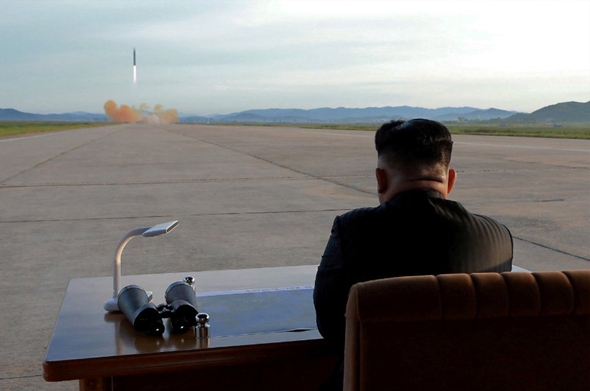
朝鮮最高領導人金正恩正在觀看火箭發射(圖片來源:明鏡週刊)
朝鮮經濟似乎不比過去更糟多少,在過去兩年大約增長1%,2016年糧食增產7%,達到481萬噸,取得上世紀90年代中期以來的最好收成,加上外界人道主義糧援,基本滿足人民最低需求。
為何十年制裁沒有達到迫使朝鮮放棄核計劃的目標呢?原因很多,簡言之,對朝鮮而言,此事涉及到國家安全,自認為沒有其他可靠的選擇。而美國及其盟友的政策目標分散,不是聚焦核問題,而是將關注的重心放在了朝鮮內政問題上,以為朝政權將在制裁的壓力下垮台。和平談判的任何妥協都被視為支撐了這個政權。
現在朝核問題已處於危險階段,猶如馳入一條黑暗隧道的火車。地區安全和國際核不擴散機制的信譽面臨嚴峻挑戰。隧道的盡頭恐怕不是問題的結束,而是新麻煩的開始。
出路何在?鑑於導致朝核問題的根源是半島的敵對狀況,美國作為關鍵當事方,應着力於解釦而非一味刺激對立情緒。在施壓和制裁的同時應給予朝鮮其他的生存出路,包括啓動和平談判,做出必要的外交妥協,認真考慮朝鮮的安全訴求。
美國一直把軍事打擊作為一個選項來講,實際上問題拖至今日就説明,軍事手段代價高昂,後果難以估量和控制,美國很難下戰爭的決心。然而,美國軍事威脅的姿態和關於戰爭的喧囂,成功地恐嚇了朝鮮,使得朝堅信尋求加快發展核計劃是其自保的唯一出路。這就導致了今天這種令人兩難困境,難道美國要繼續自欺欺人地拖下去?
在中方看來,制裁是必要的手段,但只有當和談的大門打開時才能有效果,正如中國外長王毅指出的,實施制裁與促談應該同步推進。
需要注意的是,現階段核問題現狀和談判基點已遠遠脱離2003年啓動六方會談時的原點。但不管怎樣,需要抓緊時間了,拖下去代價只會更大。
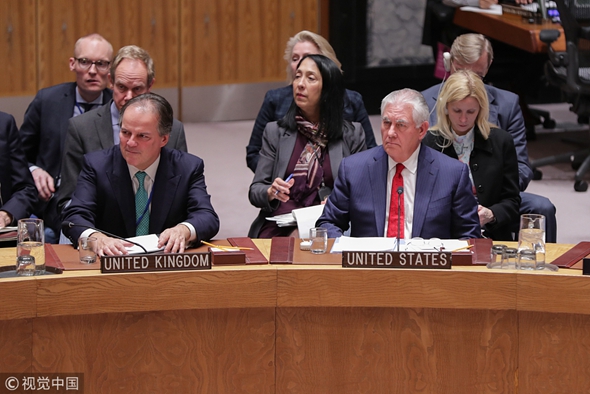
當地時間2017年12月15日,美國紐約,聯合國安理會15日就朝鮮半島問題召開部長級會議。聯合國秘書長和中國、瑞典、俄羅斯等國代表紛紛呼籲有關各方儘快恢復對話談判,推動實現朝鮮半島無核化和可持續和平。(@視覺中國)
美國應合理調整自己的政策目標和手段,爭取讓事態走向和平解決的軌道。中方提出了“雙暫停”建議,也即朝鮮暫停核導試驗,美韓暫停大規模軍演,就是希望在當前困難局勢下爭取給和平一個機會。
中美協調至關重要。特朗普總統執政以來,中美關係進入良性發展的軌道。在涉及雙邊關係的問題上,中美能夠妥善處理,避免碰撞。但更大的考驗是,兩個大國能否真心協作應對國際難題,這要求雙方建立更高水平和更加穩定的戰略互信。
今年11月特朗普總統訪華期間,習近平主席全面闡述了中方在朝核問題上的立場。雙方同意致力於維護國際核不擴散體系,重申致力於實現半島無核化目標,不承認朝鮮擁核國地位。
雙方同意繼續通過執行聯合國安理會各項涉朝決議,對朝核導活動保持壓力,同時推動通過對話談判和平解決問題,解決各方合理關切。雙方同意就下步半島形勢發展及中美應採取的措施保持溝通。
不可否認的是,中美也存在分歧。一是中方不認可軍事手段。二是中方視制裁是推動和談的手段,主張聚焦核問題。三是中方反對美國及其盟友部署“薩德”等損害中國安全利益的行為。
中國嚴格地執行了聯合國有關制裁措施。例如今年2月以來,中方機構連續發出公告,對自朝進口煤、鐵、鐵礦石、鉛、鉛礦石、水海產品、紡織品和對朝出口凝析油、液化天然氣、精煉石油產品採取了禁止或限制措施,關閉朝鮮實體或個人在中國境內設立的合資合作企業以及中國企業在境外與朝鮮實體或個人設立的合資合作企業,也要求全國金融行業對朝方有關個人、實體開展回溯性審查。
這些措施不是沒有代價的。許多中國企業在對朝制裁中蒙受大量損失。制裁也使得中朝關係受到傷害。
中國堅持半島無核化立場,堅決維護國際核不擴散體制,堅定致力於維護朝鮮半島和平穩定。中方將繼續履行自己的國際義務,保持與美國、俄羅斯、韓國及其他相關各方的緊密協調合作。
朝核問題凸顯在東北亞構建新秩序觀的必要性。中國致力於構建新型國際關係與人類命運共同體,這為推動半島的共同安全提供了新的思路。
中方不願看到朝鮮半島生戰、生亂、生核污染、生難民潮。戰爭一旦開啓,沒有贏家。我們需要以新的視角看待東北亞的安全與秩序,認識到我們的未來命運與共。
美國及其盟友在半島安全上如果繼續秉持零和思維,只考慮自己的利益,不給對方生存和發展的機會,那麼恐怕永遠無法理解妥協的必要性。
和平解決朝核問題的窗口還未完全關閉,目前的危機應被轉化為機遇。對朝施壓應以更加聰明的方式進行,既要採取多種手段綜合有效施壓,也要有真誠的談判建議,包括視朝鮮為平等的主權國家,合理考慮朝鮮的安全與發展關切。
而朝鮮也需要冷靜認識當前形勢,抓住時機重新回到談判的道路上來。最近有一些新的動向,朝鮮和美國都在釋放一些願意和談的信號,只要能談起來,就有利於避免戰爭,就有可能找到一條不至於皆輸的出路。希望各方都做出一切可能的努力,爭取走出這條“黑暗隧道”,進而最終在本地區構建一個更具包容性的安全秩序架構,以使所有國家的安全需求都得到合理保障。
(翻頁為本文英文版)
North Korea’s sixth nuclear test and multiple ICBM launches in 2017 have led to rising concern in the US that it’s approaching the threshold of being capable of nuclear attacks on the US mainland. The US wants to exert greater military intimidation and economic sanctions on North Korea. Meanwhile, there is no peace talks, which every UN Security Council resolution called for. The Korean nuclear crisis has turned into a major security challenge. Is there still hope of peaceful settlement ?
Since 2006 when North Korea made the first nuclear test, the UN Security Council has adopted 9 resolutions on sanctions, with the latest Resolution 2375, banning 90% of its trade which is estimated to fall to around US$2 billion in 2018, about the level of the late 1990s. In addition, the US and its allies have imposed unilateral sanctions to deter any financial, investment and services exchanges from the outside world.
These measures have put North Korea in a very difficult situation, yet failed to stop its nuclear and missile programs. Instead North Korea is more determined and by deliberately showcasing its progress in nuclear warhead miniaturization and ballistic missile technologies, it’s defying all pressures and calls of the outside world.
North Korea’s economy isn’t much worse off than before growing by around 1% in the previous two years, and its grain output grew by 7%, reaching 4.81 million tons in 2016, the highest since the mid-1990s. Plus the humanitarian assistance, it can meet people’s minimum needs.
Why over a decade of sanctions failed to force North Korea to comply? There can be a long list of reasons. For North Korea, this is a national security matter and there is no convincing alternative. On the part of the US and its allies, they are often distracted from the nuclear issue, paying more attention to North Korea’s domestic wrongdoings and even grew into the belief that the regime would collapse under tough sanctions. Any compromise in peace talks would be regarded as condoning the regime.
The Korean nuclear issue has now entered a dangerous stage like a fast train in a dark tunnel. The stake is high for the security of the region and for the credibility of the non-proliferation regime. When reaching the end of the tunnel, one may not see the end of the problem but the beginning of more troubles.
Is there a way out? Since the root cause is hostility on the Peninsula the US, which is a key party, should try to ease instead of heightening the hostility. While imposing pressure and sanctions, it needs to leave an opening to North Korea by launching peace talks, offering necessary diplomatic compromises and seriously considering North Korea’s security appeals.
The US likes to talk about military option, but the fact that it has allow the issue to drag on for so long indicates that a decision on war is very hard given potential cost and unpredictable consequences. But its act of threat and rhetoric of war has successfully scared North Korea into the belief that achieving nuclear capabilities is the only way of self-protection. Facing today’s dilemma, does the US want to continue deceiving itself and keep dragging on?
For China, sanctions are necessary but they would work only when the door to peace talks is open. As pointed out by Chinese Foreign Minister Wang Yi, applying sanctions and facilitating talks should proceed simultaneously.
The US should adjust its policy objective and try to bring the situation to peaceful track. China has proposed the “suspension for suspension” initiative, i.e. North Korea suspending nuclear and missile tests and the US and South Korea suspending large-scale military exercises, to give peace talks a chance.
China-US coordination is essential. Since President Trump took office, the relationship between China and the US has been on a normal track. The two countries have demonstrated willingness to handle bilateral issues and avoid collision. A bigger test is whether they can truly coordinate to handle international challenges, which requires deeper and more stable strategic trust.
During President Trump’s visit to China last November, Chinese President Xi Jinping gave him a full account of China’s position on this issue. The two sides expressed commitment to the international non-proliferation regime, and denuclearization on the Peninsula. Neither side would recognize North Korea as a nuclear weapon state.
They agreed to keep pressure on North Korea’s nuclear and missile activities by implementing the UN Security Council resolutions. They are also committed to resorting to dialogue and negotiations to resolve the issue peacefully and address the legitimate concerns of all parties. The two sides agreed to stay in close touch and update each other on the measures that they would take.
Admittedly, there are differences. First, China disapproves military solution. Second, China views sanctions as means to advance peace talks and prefers to focus on the nuclear issue. Third, China opposes any moves by the US and its allies to undermine China’s security interests, i.e. THAAD deployment.
China has faithfully implemented the UN sanctions. For example, since last February, Chinese institutions have banned or restricted imports of coal, iron and lead as well as their ores, and textiles from North Korea and exports of condensed oil and refined oil products to it. No joint ventures are allowed with North Korean entities or individuals. Chinese financial authorities will conduct retroactive investigations into relevant North Korean individuals and entities.
These steps are not without cost. Many Chinese companies suffered huge lost. Sanctions have also damaged China’s relations with North Korea.
China is firmly committed to denuclearization, peace and stability on the Peninsula and will carry out its international obligations and engage in close coordination with the US as well as Russia, ROK and other countries.
The Korean nuclear issue calls for reflections on a new order in Northeast Asia. China’s diplomatic objectives include building a community with a shared future for mankind. This provides new philosophical thinking for achieving common security on the Peninsula.
China doesn’t want to see war, chaos, nuclear pollution, or a refugee wave on the Peninsula. An outbreak of war makes no winner. We need to take a fresh look and new approach to security and the order in Northeast Asia and realize that our future is tied together.
If the US and its allies refuse to “live and let live”, they may never see the need for compromise.
The window for peaceful settlement isn’t completely closed and the current crisis should be turned to an opportunity. Pressure should be applied in a comprehensive and smart way, accompanied with sincere offer for talks, taking North Korea as an equal sovereign state and addressing its concern for security and development.
North Korea should also view the current situation in a sober way and seize the opportunity to return to talks. There have been some new development lately as signals for talks are being sent out both from North Korea and from the US. Should the peace talks start, there would be hope for avoiding war and finding the pathway towards a solution instead of everyone losing out. It takes all parties’ sincere efforts should we want to come out of the dark tunnel. In doing so, we may ultimately build an all-inclusive security architecture in the region, in which every country’s security is ensured.
本文系觀察者網獨家稿件,文章內容純屬作者個人觀點,不代表平台觀點,未經授權,不得轉載,否則將追究法律責任。關注觀察者網微信guanchacn,每日閲讀趣味文章。