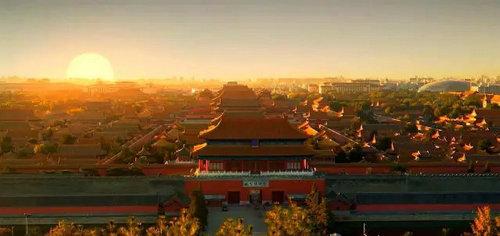
北京三里屯的髒街不見了!原來是“開牆打洞”治理見成效
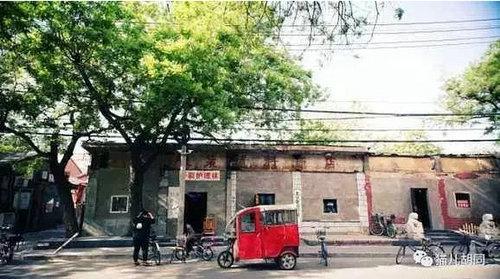 除了排除建築物的安全隱患,這個行動還和北京的未來密切相關。同時,這也標誌着北京城市規劃和管理開始向規範與有序方面發展。
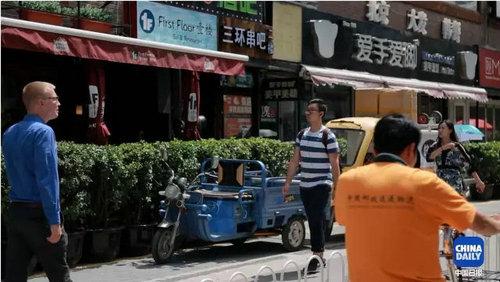
The Beijing government launched a citywide campaign in 2017 to patch up unauthorized modifications to the walls of residential buildings, which were made to allow businesses to operate from such properties. In addition to removing safety hazards, the campaign is aimed at making the city a better capital.
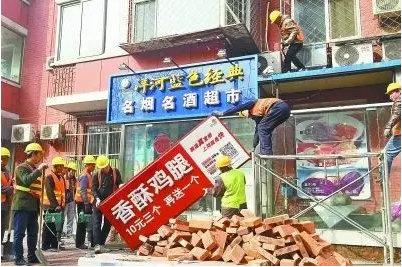 這些未經批准擅自改變房屋原有結構的行為往往還伴隨着違章建築向街面的公共空間延伸。
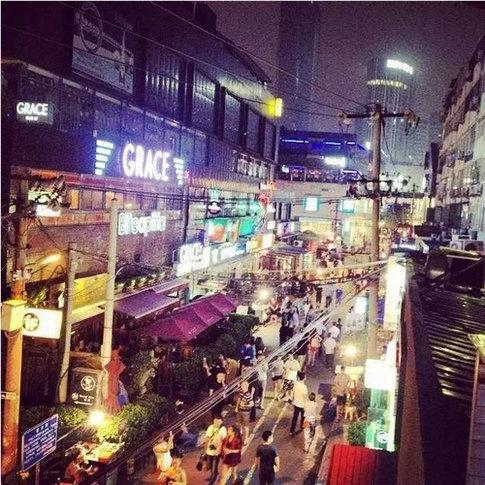
從上世紀80年代末90年代初開始,隨着改革開放和經濟發展,很多居民區都出現一層居住用房改造成商鋪的現象。
這些改造後的“店鋪”比正規的商用樓店鋪租金便宜,漸漸地,各種小店多了起來。
Landlords began converting ground-floor apartments and Beijing’s traditional courtyard homes for private businesses in the 1980s after China launched its reform and opening-up policy. The rent was much cheaper than for commercial spaces.
今年年初北京市公佈的“疏解整治促提升”專項行動方案明確,整治“開牆打洞”與疏解區域性專業市場、疏解部分公共服務功能、地下空間和羣租房整治等10項措施,是疏解非首都功能,優化首都發展布局,降低中心城區人口密度,推動京津冀協同發展的必然要求。
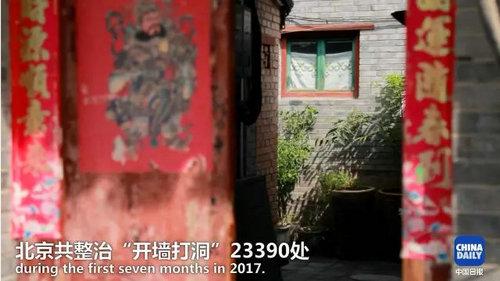
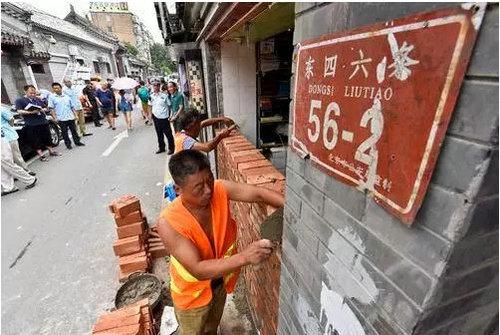 2017年前7個月,北京市整治“開牆打洞”23390處。北京市政府表示,以後將對新增違法建築“零容忍”。
More than 23,390 sites that had been changed without approval were dealt with by the end of July, according to the city government, which has also warned that new illegal or unauthorized constructions will not be tolerated.
整治後,居民都感覺到生活環境發生了明顯的變化。生活在有名的三里屯“髒街”附近的田利明頗有感觸。
Residents have seen obvious changes in their communities since the campaign was launched.
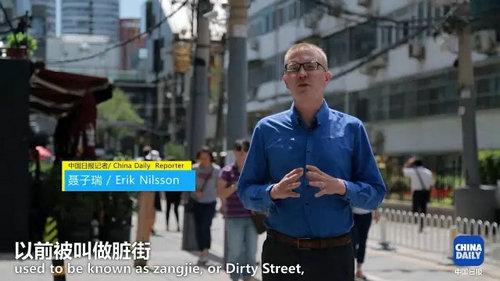
三里屯南42號居民樓是“髒街”的核心,在三里屯生活了近50年的田利明是看着這個居民樓長出“瘤子”的。他説的“瘤子”就是“開牆打洞”後延伸到街道上的各種店鋪。
An apartment building at No 42 Sanlitun South lies at the center of Beijing’s so-calledDirty Street. Tian Liming, who has lived in the area for 50 years, described the small businesses — bars, nail salons and DVD shops — that once inhabited these apartments as aggressive tumors.
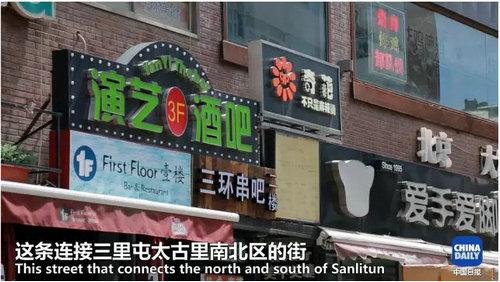 “那些小店多的,你根本看不到這棟居民樓的外牆。居民們都很擔心這棟樓的結構遭到了破壞。”
“It had reached a point that people weren’t able to see the exterior walls of the building. Residents started to worry the building’s structural integrity was damaged, bringing safety hazards.”
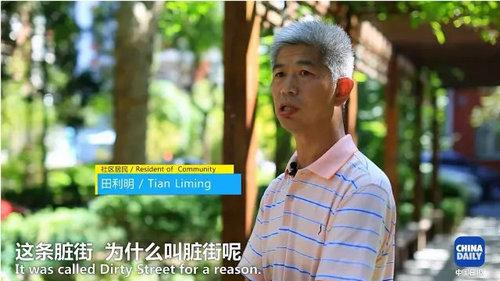
他還深知這條街為什麼會被叫做“髒街”。“店裏的垃圾和髒水都被直接潑到街上,再加上晚上喝醉的人的嘔吐物和尿,於是街道變得又臭又粘。”他説。
“Soon, the street in front of the residential building was constantly covered in trash, as well as vomit and urine from the people who got drunk in the bars at night. It became smelly and sticky. That’s when people started calling it Dirty Street.”
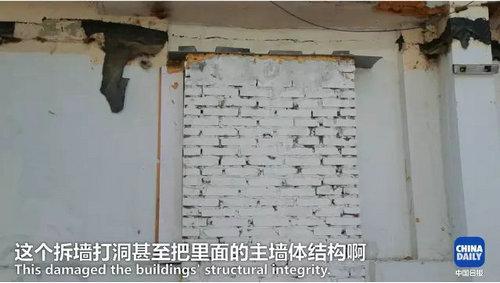
4月24日,作為北京整治“開牆打洞”工作的一部分,三里屯南42號居民樓的違章建築統一被拆除了,一共33家沿街商户被整頓。田利民也在現場。
On April 24, 33 businesses based in apartments with unauthorized modifications had their walls restored to the original design.
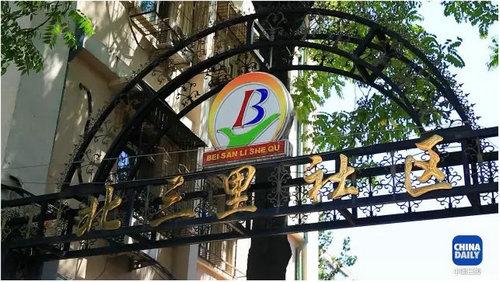 Some have said the campaign has resulted in the street losing its glory. But for years, those small businesses, which some visitors treasured, have been a nightmare for residents.
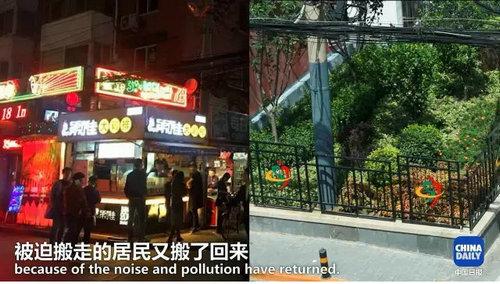 “A friend of mine living in the building called the police five times one night to complain about the loud noise from the bars below,” Tian said.
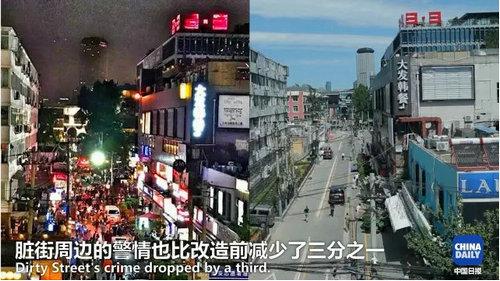
整治後,居民樓的原貌被恢復了,以前小店佔用的公共空間變成了綠化帶。以前被迫搬走的居民也開始搬了回來。髒街周邊的警情也比改造前減少了三分之一。
After the renovation, the people who were forced to move out began to move back. Crime in the street also decreased by a third.
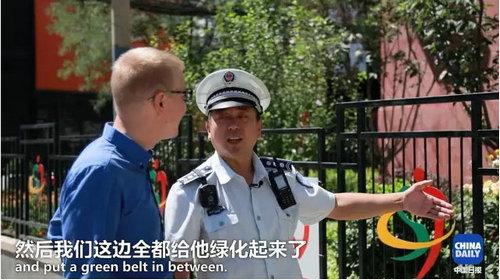
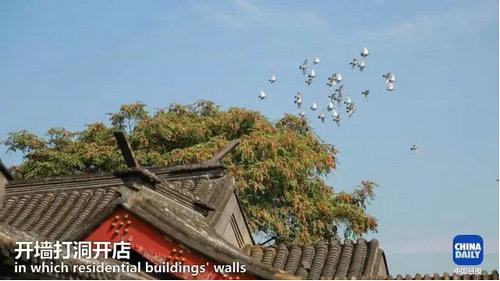
開牆打洞開店、開餐館和酒吧的情況在北京傳統的衚衕裏也很常見,這些店雖然很受遊客歡迎但是卻給居民造成了困擾。同時,開牆打洞對衚衕風貌破壞很大,恢復起來也更難。
Sanlitun is far from being the only area in which the walls of residential buildings were torn down to make entrances for shops, restaurants and bars. It also happened in the city’s traditional alleyways. Again, these businesses were popular with visitors, but a nuisance to neighbors.
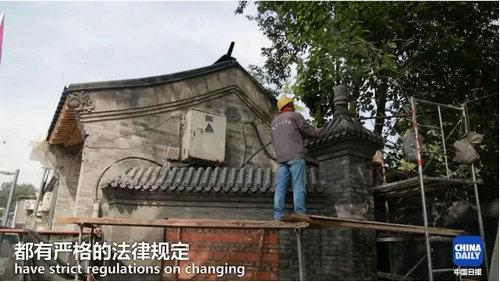
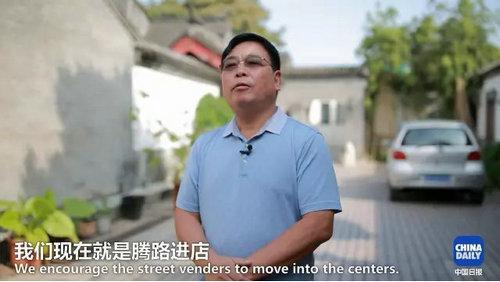
新街口街道副主任魏九紅表示對於衚衕來説,在整治“開牆打洞”行為的同時更要重視對傳統風貌的恢復。
Wei Jiuhong, deputy director of the Xinjiekou subdistrict authority, said it was important to maintain Beijing’s traditional alleyways, known as hutong, during the campaign.
他説:“不可否認,有些市場和商鋪也因此搬離了衚衕,所以要有措施來不讓居民感到生活變得不方便。”
“Some small businesses, like grocery stores and restaurants, have decided to relocate because of the campaign, but it shouldn’t cause residents inconvenience.”
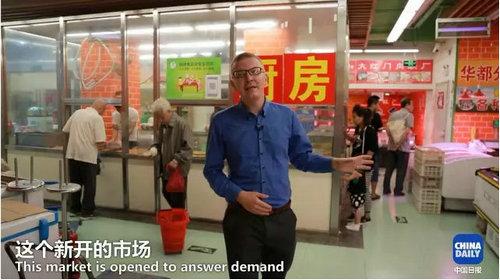
為了解決這個問題,截至今年7月底,北京市共新建和規範提升蔬菜零售、便利店、早餐等基本便民商業網點超過3000個。
To accommodate people’s needs, more than 3,000 grocery stores, convenience stores and restaurants were built or upgraded by the end of July.
北京的目標是成為國際一流的和諧宜居之都,這對北京的城市規劃和管理提出了更高的要求。目前北京進行的疏解整治工作都是為了後期的提升,讓我們一起期待中國首都的升級版吧。
The goal is to make Beijing a world-class capital with suitable living standards. Let’s wait and see how the capital is transformed.