CRISPR/CAS9基因編輯技術發明人張鋒:呼籲立刻暫停基因編輯嬰兒!_風聞
Raffaele- 2018-11-27 14:38
本文編譯自MIT Technology Review,原作者 Antonio Regalado
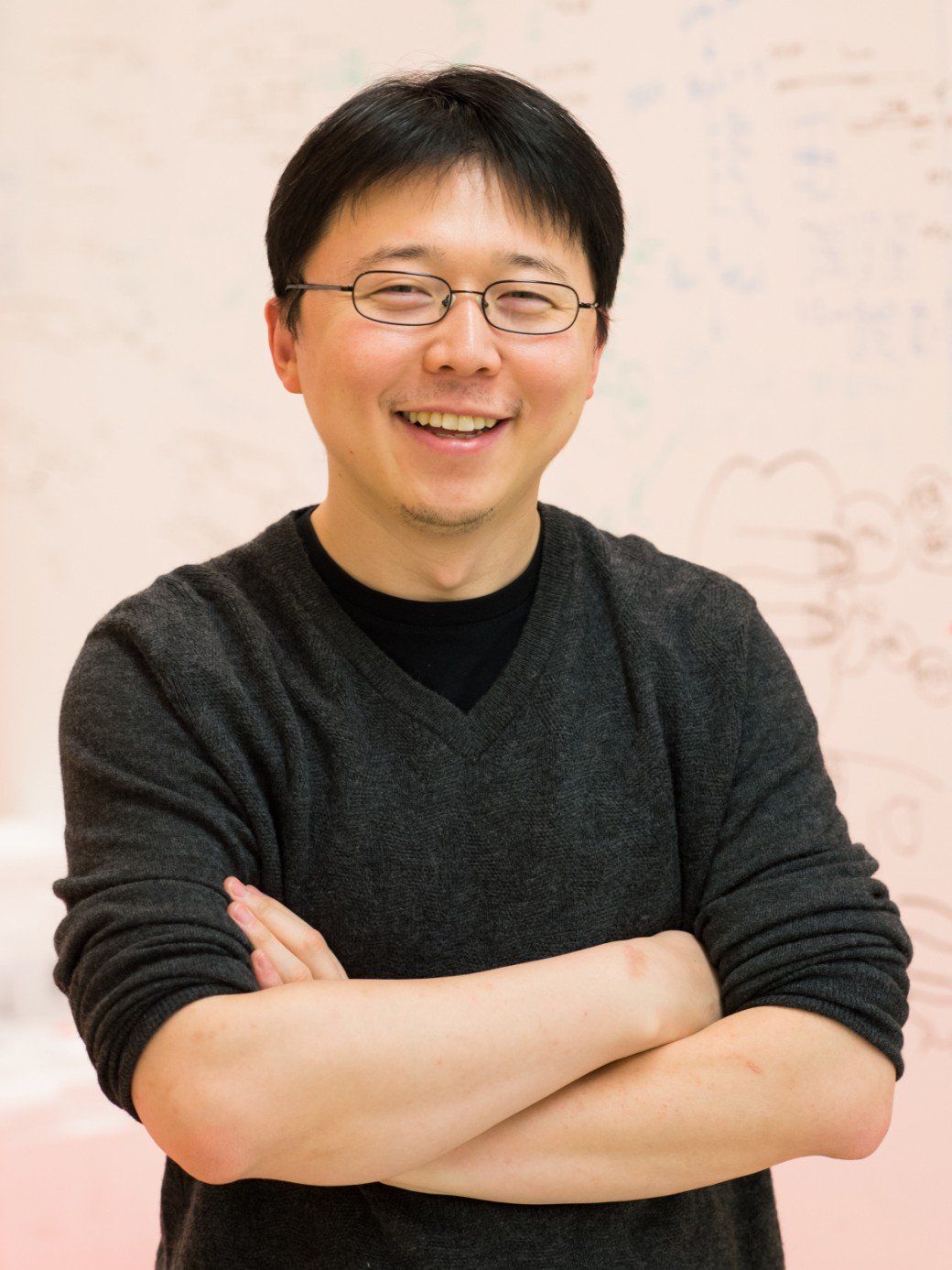
熟悉基因編輯技術的人對這個華裔男子並不陌生。他是張鋒,華裔移民,是CRISPR/CAS9基因編輯技術的發明者之一。2013年,他首先在人類細胞上實現了以CRISPR/CAS9技術為基礎的基因編輯,從此這個技術一飛沖天,直至今日。
張鋒目前是哈佛-麻省下屬的博德研究所(broad institute)成員。在獲悉中國科學家聲稱完成了首例基因編輯嬰兒的消息後,他表示,“鑑於如今該技術發展的實際情況,我偏向於暫停植入經編輯胚胎的行為。”
中國科學家此次在基因編輯的胚胎中修改了CCR5基因,據稱這樣做能夠使人對HIV病毒產生抗性。這項工作並未在事先向學界和公眾公開,而生物學專家和醫學專家則普遍質疑它的必要性和安全性。
張鋒説,這個實驗的風險顯然壓過了它能帶來的益處,並且,他對於這次的項目是秘密進行這一點十分關心(deeply concerned)。而當前主要的學術團體,包括美國科學院,均認為類似的基因修飾只能在嚴格的安全條件和監督之下進行。
和此次新聞的主角賀建奎一樣,張鋒也將前往在香港舉行的第二屆基因編輯大會,在臨行前,他建議徹底暫停類似的“醫療行為”。
以下是張鋒的聲明全文及翻譯:
Although I appreciate the global threat posed by HIV, at this stage, the risks of editing embryos to knock out CCR5 seem to outweigh the potential benefits, not to mention that knocking out of CCR5 will likely render a person much more susceptible for West Nile Virus. Just as important, there are already common and highly-effective methods to prevent transmission of HIV from a parent to an unborn child.
儘管我注意到全球都在受到艾滋病毒的威脅,但就目前而言,在胚胎中進行基因編輯以敲除CCR5所帶來的風險已經壓倒了它所具有的潛在利益,更不用説這樣做將導致受術者對西尼羅病毒產生易感性。同樣重要的是,目前已經有普遍應用的高效母嬰阻斷技術。
Given the current state of the technology, I’m in favor of a moratorium on implantation of edited embryos, which seems to be the intention of the CCR5 trial, until we have come up with a thoughtful set of safety requirements first.
鑑於現如今的技術發展情況,我偏向於暫停植入經編輯的胚胎,也就是此次所嘗試的CCR5,直到我們對它的安全性需求有了一個深思熟慮的結果。
Not only do I see this as risky, but I am also deeply concerned about the lack of transparency surrounding this trial. All medical advances, gene editing or otherwise and particularly those that impact vulnerable populations, should be cautiously and thoughtfully tested, discussed openly with patients, physicians, scientists, and other community members, and implemented in an equitable way.
除了風險之外,我對於這次嘗試的透明度不足也感到十分關切。所有的醫學進步,不論是基因編輯還是其他影響到弱勢羣體的技術,都應該首先公開的與病人,醫生,科學家以及其他團體成員一起進行慎重的考量,並且以公平公正的方式執行。
In 2015, the international research community said it would be irresponsible to proceed with any germline editing without “broad societal consensus about the appropriateness of the proposed application.” (This was the consensus statement from the 2015 International Summit on Human Gene Editing.)
2015年,國際研究社區曾有過這樣的觀點,他們認為對生殖細胞進行可遺傳的基因編輯應該首先得到社會的廣泛一致認可,否則就是一種不負責任的行為。
It is my hope that the upcoming summit will serve as a forum for deeper conversations about the implications of this news and provide guidance on how we as a global society can best benefit from gene editing.
我希望即將到來的峯會(即此次香港峯會)能夠對這則新聞的含義進行深刻的交流和對話,並對人類社會該如何從基因編輯中受益提供指導作用。