傅瑩:朝核問題和平解決的機遇之窗
【中國外交部前副部長、中國社科院國家全球戰略智庫首席專家傅瑩,應約為美國《華盛頓郵報》撰寫關於朝核問題的評論文章,於今日刊發,本文為中文版。】
外交成功的基礎是瞭解和理解對方,唯此方能在談判中做出正確判斷,採取正確步驟。
兩千多年前,中國古代哲學家莊子在辯論中遇到過這樣的問題:“子非魚,焉知魚之樂?”。與美國人討論朝核問題時,我常引用這個典故,因為美國人常傾向於用自己的假設去推斷朝鮮。
比如認為,朝鮮追求的終極目的是擁核,安全關切只是藉口。何以見得呢,核武器不能當飯吃,如果朝鮮能夠獲得安全的生存和發展環境,為什麼不能放棄導致外部環境嚴重惡化和國家陷入被制裁深淵的核武器呢?然而,如果國家安全不保,朝鮮必鋌而走險地堅持擁核道路。這正是過去15年我們所看到的半島安全困境。
現在,朝核問題出現了難得的和平解決機會。歷史上,能夠引發好結果的多種條件同時出現是比較罕見的,而現在我們正目睹這樣的景觀。
首先,韓國總統文在寅是理念和平主義者,上任之初就積極倡議和平對話,主動向北方送出和談的橄欖枝,就像沒有系安全帶就從高空跳下。所幸有人接住了,朝鮮抓住了文在寅伸出的和平之手。2017年9月朝鮮第六次核試之後,聲稱達到威懾目標,顯然,進一步發展核技術很難,需要順勢進入集中精力發展經濟的軌道,這個和平轉機恰逢其時。
更重要的是,美方對朝核問題的認識有了新的轉變,特朗普政府看到前兩任美國政府只施壓不認真和談導致的嚴重後果,且經過2017年秋以來對軍事等強硬手段的測試,也認識到戰爭代價之巨大。特政府上任以來一方面加大嚴格的制裁,讓朝鮮感覺到疼;同時,對朝鮮表達的接觸意願比過去任何時期都認真和連貫。蒂勒森前國務卿的“四不”承諾——美國不要求改變朝鮮國家體制、不要求搞垮朝鮮政權、不急於南北統一、美軍不對朝進行軍事進攻——給予了朝鮮一直所期待的尊重感。朝鮮應該是在認真研究特朗普政府的聲明及其背後的意圖。
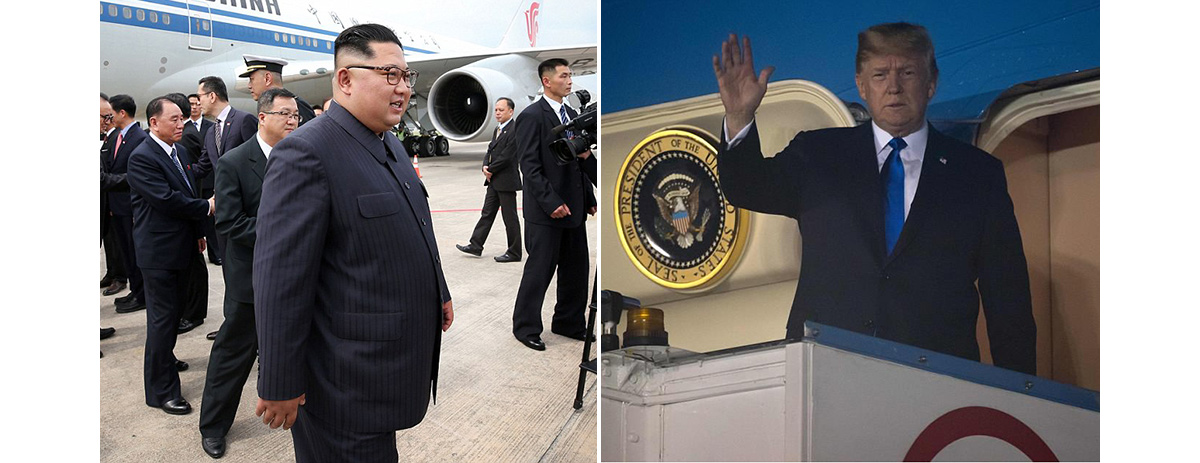
金正恩、特朗普分別抵達新加坡
而中方的立場是連貫的,一直堅持以和平方式實現半島無核化的立場,反對半島生戰生亂,積極推動美國和朝鮮走上和平談判的路徑。目前的事態完全符合中方一直以來所主張和支持的方向,中方在其中發揮的促進作用相當關鍵。
現在看來,經過幾個月的磨合和反覆,朝美首腦會晤將於6月12日在新加坡舉行,機遇之窗即將打開。雙方為此已做出過去難以想象的讓步。國際社會期待會晤取得蓬佩奧國務卿稱之為“重大而大膽的”好結果。
誠然,天下沒有免費的午餐。在這樣的大難題面前,任何一方要想實現自己的意圖,都要做出調整和讓步,大家都要相互妥協。對朝鮮而言,此事關乎生死,會很認真,但也會很脆弱、敏感和緊張。金正恩追求的,跟他祖父和父親時代孜孜以求的都是一樣的,就是國家安全和政權安全。朝鮮發展核武器是為此,放棄核武器也是為了實現這個目標,因此,朝鮮的路數是清楚的。
美方的路數是否清楚呢?美國人對核問題有相當透徹的分析,對棄核步驟和方式也有具體要求,但是很少聽到美國人講自己準備為換取朝鮮棄核付出什麼樣的代價。當美國人提出要一步到位地實現棄核(front-loading)時,是否考慮過如何一步到位地解決朝鮮的安全關切?當美方希望朝鮮在短時間內“永久性”地實現棄核時,是否想到朝鮮的安全能永久性地得到保障嗎?這些問題呼喚同理心,需要各方都能進行雙向考慮。無論會晤的鑼鼓敲得多麼響亮,任何一方若只想索取而不想付出,就有可能再現過去的反覆。
特朗普與金正恩的會面不難取得成功。他們見面本身就能向世界展現和平的功績,甚至可能達成新的協議,開啓一個重要的進程。
此刻各方都需要避免提出現階段不可能實現的要求,把自己困住。應該留一些空間,讓彼此都舒適,使得這個進程可以繼續,這樣就很了不起了。半島問題經歷60多年的複雜演進,冰凍三尺非一日之寒,需要善心、耐心和恆心。
中國的作用可以用“錨定”來形容。中國始終是推進和平、反對戰爭的堅定力量,朝核問題的和平解決符合中國和本地區各方的根本利益。中方將繼續為未來半島的和解與和平發展發揮積極推動和保障作用。同時,中方也需要為和談脱軌的可能性做充分準備,繼續發揮“錨定”作用,避免形勢再次滑向衝突的危險方向。
對中國人來説,半島和平是我們的根本願望,期待看到朝鮮人民走上經濟發展的道路。這次機遇是歷史性的,希望各方都能抓牢。(完)
傅瑩是中國外交部前副部長、中國社科院國家全球戰略智庫首席專家
(翻頁查看英文原文)
At the North Korea summit, empathy is the key
by Fu Ying
Fu Ying is China’s former vice foreign minister and was once a member of China’s delegation in the six-party talks on North Korea.
BEIJING — One of the important conditions for diplomatic success is to understand the other party, so as to form the right judgement and the right moves in negotiations.
In the 4th century B.C., Zhuangzi, an ancient Chinese philosopher, was challenged with the following question, “As you are not a fish, how can you say this fish is happy?” I often quote this when discussing the Korean nuclear issue with Americans, as I often have found them judging Pyongyang with their own assumptions.
For example, some have asserted that North Korea’s ultimate objective is to possess nuclear weapons and that talk about their security concerns is merely an excuse. Why would that be the case? Nuclear weapons are not food. If North Korea can be assured of its survival and opportunities for development, why wouldn’t it want to give up the nuclear weapons that have only gotten them mired in sanctions and confronted with a worsening environment? A North Korea in a constant state of insecurity would only go down further along the dangerous track of nuclear development. This has been the security dilemma that we have seen on the Korean Peninsula over the past 15 years.
Now, an unprecedented opportunity for peaceful resolution has emerged. We are witnessing a confluence of multiple favorable factors rarely seen in history and that may lead to a positive outcome.
First, South Korean President Moon Jae-in is a man of peaceful convictions. He began calling for peace and dialogue shortly after taking office last year, extending an uninvited olive branch to North Korea. In the context of the Korean Peninsula, this is like a bungee jump without a rope. Fortunately, he was caught safely by Pyongyang, which did not let go of his outstretched hand of peace. Following its sixth nuclear test in September 2017, North Korea claimed that it had reached its target of nuclear deterrence. Since then, the state has announced it would shift its focus to economic development. This turning point could not have come at a better time.
More importantly, we have also seen a turn of mind in the U.S. perception of the Korean nuclear issue. The Donald Trump administration came to realize the serious consequences of the approach taken by the previous administrations, which was characterized by pressure alone without serious peace talks. U.S. policymakers have also acknowledged the huge cost of war after toying with the military option and other tough measures.
On the one hand, the Trump administration slapped down more stringent sanctions on North Korea to impose more pain. Yet at the same time, it has gone further than any previous administrations in terms of the earnestness and consistency of its openness to engagement. Former Secretary of State Rex Tillerson’s “four nos” commitment — that the United States was not seeking regime change in Pyongyang, nor collapse of the North Korean state, nor premature reunification with South Korea, nor sending American forces into North Korea — gave the North Koreans the respect for which they longed. That statement was not lost on their leadership.
China’s position has been consistent. China is firmly committed to a nuclear-free Korean Peninsula reached through peaceful means and is opposed to war and chaos on the peninsula. The fact that Pyongyang and the United States are embarking on a journey of peaceful negotiations is in the right direction — a direction China has all along called for and has played a vital role in making possible.
Indeed, success of the summit between Trump and North Korean leader Kim Jong Un is not impossible. Both sides have made previously unimaginable concessions to make this happen. The summit may even lead to a new agreement and usher in an important stabilizing process.
Naturally, there’s no such thing as a free lunch. When faced with such a grave challenge, all parties need to make adjustments and compromises if they wish to achieve their respective objectives. For North Korea, this is a matter of life or death, and it will certainly take a very serious approach. Yet, it will be vulnerable, touchy and nervous at the same time. What Kim Jong Un has been after is no different from what his father and even grandfather had always wanted: national and regime security. No matter what North Korea does — be it nuclear development or abandonment — it would be for the same purpose. So, Pyongyang’s calculations are not difficult to gauge.
But what do we know about the U.S. approach? The Americans have been working on a thorough analysis of the nuclear issue and have detailed requirements as to how denuclearization should take place. But we rarely hear what they are ready to offer to North Korea in return. When the Americans propose a front-loaded denuclearization, have they thought about how to “front-load” North Korea’s security concern? When the United States demands that Pyongyang’s denuclearization be “immediate” and “permanent,” have they considered how to “permanently” guarantee Pyongyang’s security? The key is whether the parties can have empathy and step into the other’s shoes for a moment.
The parties are well-advised to avoid trapping themselves by making demands that are impossible to meet at the current stage. Some room should be left to make both parties comfortable enough to allow the process to proceed, which would be a remarkable achievement in itself. As the Chinese saying goes, “Three feet of ice does not form in a single cold day.” As the Korean nuclear issue has undergone a complicated evolution over many decades, its solution will take goodwill, patience and perseverance.
As a firm proponent of peace and a voice against war, China’s role has been similar to an anchor which moors the resolution of this conflict to a peaceful course. We will continue to actively encourage and facilitate conciliation. To play the stabilizing role of an anchor, however, China also needs to be ready for a possible derailing of the talks and be prepared to prevent the boat from drifting or even capsizing.
For the Chinese people, a peaceful Korean Peninsula is our fundamental aspiration. We would like to see the people of North Korea able to embark on a path of economic development. We sincerely hope that the parties rise to the challenge of this historic moment.
This was produced by The WorldPost, a partnership of the Berggruen Institute and The Washington Post.
本文系觀察者網獨家稿件,未經授權,不得轉載。