剛才思考了一下,“我將無我”的翻譯可否借鑑一下《莊子·逍遙遊》_風聞
观察者网用户_215332-2019-03-25 18:00
莊子開篇就是《逍遙遊》,其中有這麼一句:
御六氣之辯,以遊無窮者,彼且惡乎待哉?故曰:至人無己,神人無功,聖人無名。
當然了,習主席説的無我和莊子的無己不一樣,一個是有擔當有責任,一個是要逍遙遊。
翻譯方面,老夫查了三個版本的《莊子》英譯本,英語非常出色的民國作家林語堂翻譯過莊子,把逍遙遊翻譯成A Happy Excursion,相關的這一句翻譯成:
Thus it is said, “The perfect man ignores self; the divine man ignores achievement; the true Sage ignores reputation.”
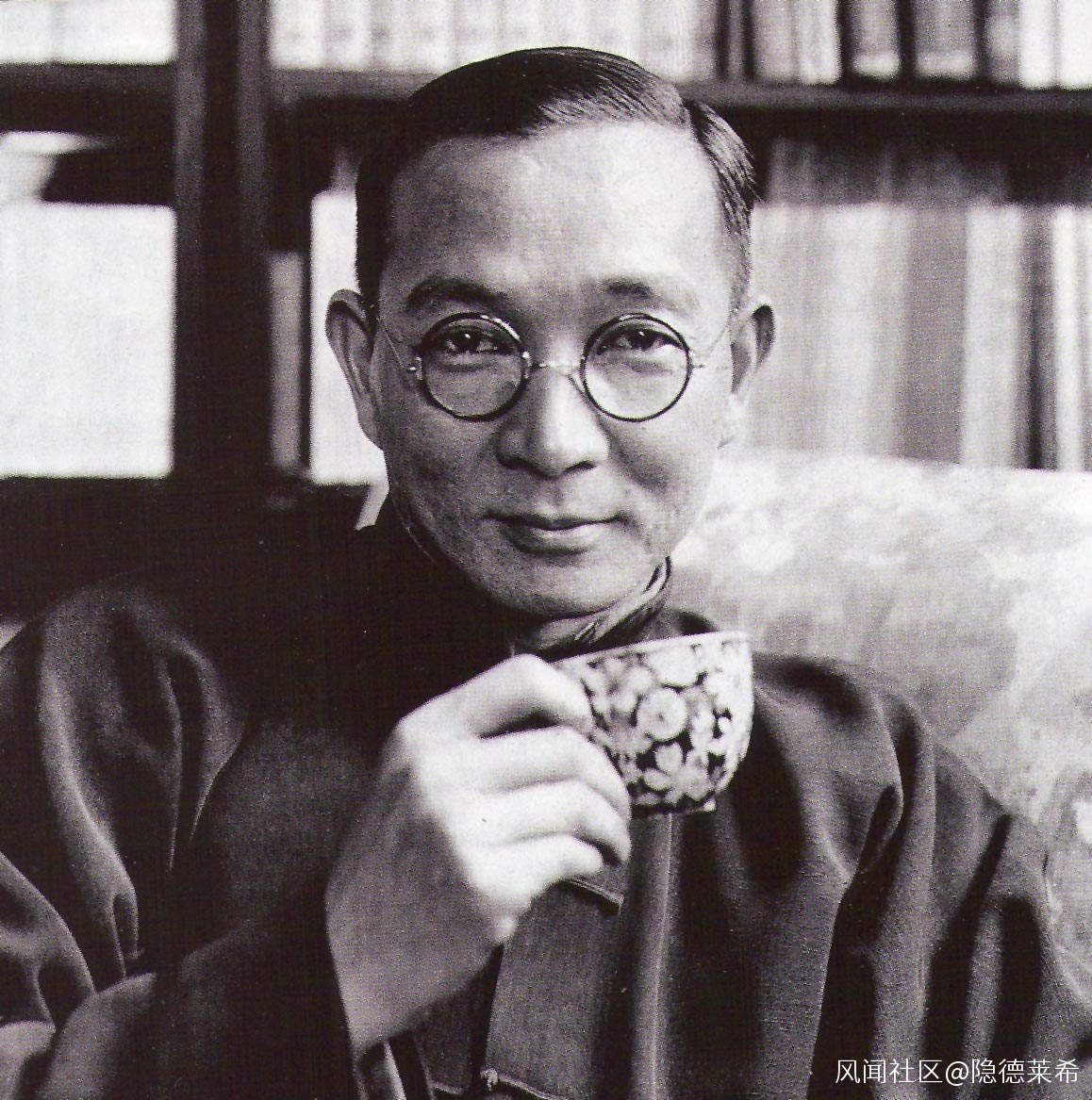
林語堂
19世紀的英國著名漢學家裏雅各翻譯了大量的先秦原著,他把《莊子》逍遙遊翻譯成Enjoyment in Untroubled Ease,相關的一句翻譯成
Therefore it is said, ‘The Perfect man has no (thought of) self; the Spirit-like man, none of
merit; the Sagely-minded man, none of fame.
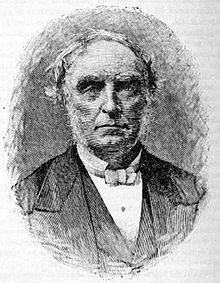
裏雅各
20世紀美國著名漢學家華茲生也翻譯過《莊子》,影響力很大,他把逍遙遊翻譯成Free and Easy Wandering,相關的一句是
therefore I say, the Perfect Man has no self; the Holy Man has no merit; the Sage has no fame.
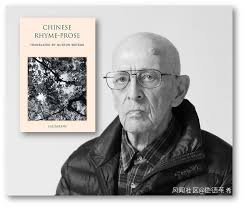
華茲生
大家覺得哪個翻譯比較好呢?