CNN記錄的澳洲黑歷史:英國軍方在澳大利亞多次進行核試驗始末_風聞
瘟疫公司搬砖部-最近在看《宋案重审》2019-10-30 00:26
(CNN)-Yami Lester was 12 years old when the black mist came to Walatinna.
Early on the morning of October 15, 1953, Lester heard a “big bang” in the distance. This was followed by a dark, ominous-looking cloud which drifted low over the ground like a slow-moving dust storm, bringing with it an unpleasant smell.
(CNN)-亞米·萊斯特12歲時,黑色的薄霧來到瓦拉蒂納。1953年10月15日清晨,萊斯特聽到遠處傳來“大爆炸”的聲音。接着是一片黑暗的、看上去不祥的雲,它像一場緩慢移動的沙塵暴一樣飄落在地面上,帶來了一股令人不快的氣味。
A tiny speck in the vast South Australian outback, the area around Walatinna was regarded as “depressingly inhospitable to Europeans” by early colonizers, few of whom settled there. But Indigenous people had a long history in the region, including Lester’s tribe.
在廣闊的南澳大利亞內陸地區,瓦拉蒂納周圍的地區被早期殖民者視為“令人沮喪的不適合歐洲人居住的地方”,很少有人在那裏定居。但是土著人在這個地區有着悠久的歷史,包括萊斯特部落。
As the dark cloud settled over the Walatinna camp, the tribal elders attempted to ward it off, thinking it was a malevolent spirit. In many ways they were right.
當烏雲籠罩着瓦拉蒂納營地時,部落的長老們想把它趕走,以為這是一種惡毒的幽靈。在許多方面,他們是對的。
As those exposed to it later told investigators, the black mist caused their eyes to sting and their skin to break out in rashes. Others vomited and suffered from diarrhea.
正如那些後來接觸到它的人告訴調查人員的那樣,黑色的霧氣使他們的眼睛刺痛,他們皮疹從肌膚中爆發出來。其他人則嘔吐並腹瀉。
It took almost three decades until the cause of the mist was acknowledged as the Totem I nuclear bomb test, as Indigenous people had been claiming for years.
經過近三十年的時間,黑霧的原因才被承認:因為圖騰一號核彈試驗,正如土著人民多年來一直聲稱的那樣。
That test was one of a number conducted in the 1950s and ’60s, not by the Australian government, but by its former colonial master, the UK. Today, 65 years after the Totem I test, the effects are still being felt in South Australia and beyond.
這是20世紀50年代和60年代進行的試驗之一,不是由澳大利亞政府進行的,而是由它的前殖民主人英國進行的。今天,65年後的圖騰一號試驗,其影響仍然感覺到在南澳大利亞和更遠地區都有影響。
British bomb
英國炸彈
Australia was not the UK’s first choice of nuclear testing site. British scientists had been intimately involved in the Manhattan Project during World War II, and fully expected to be able to follow the US in testing their own nuclear weapon on American soil.
澳大利亞不是英國首選的核試驗場。在第二次世界大戰期間,英國科學家密切參與了曼哈頓計劃,完全可以跟隨美國在自己的領土上試驗核武器。
However, after it emerged Soviet spies had infiltrated the US atomic program, Washington passed the McMahon Act, which strictly limited the sharing of nuclear information with other countries and sent London looking for new locations to conduct its first test.
然而,在蘇聯間諜滲入美國核項目後,華盛頓通過了麥克馬洪法案,嚴格限制與其他國家分享核信息,並讓倫敦尋找新地點進行首次核試驗。
“Ultimately, they settled on Australia, which had many benefits,” said Elizabeth Tynan, author of “Atomic Thunder: The Maralinga story,” a book about the tests. These includes a sympathetic, compliant government under the recently elected Anglophile Prime Minister Robert Menzies, and wide open spaces in which to carry out the detonations themselves.
“最終,他們敲定澳大利亞,這有很多好處,”伊麗莎白·泰南説,她是《原子雷霆:馬拉林加故事》(記錄關於這一場核試驗的作者書)的作者,這本書的內容其中包括最近當選的親英首相羅伯特·門齊斯領導的一個富有同情心、順從的政府,以及開展引爆活動的廣闊空間。
In September 1950, British leader Clement Attlee sent Menzies a secret message asking whether his government “would be prepared in principle to agree that the first United Kingdom atomic weapon should be tested in Australian territory.”
1950年9月,英國領導人克萊門特·艾德禮向門齊斯發出了一條秘密信息,詢問他的政府“原則上是否準備同意在澳大利亞領土上試驗英國的第一枚核武器”。
According to a later Australian Royal Commission investigation, Menzies “immediately agreed to the proposal,” without consulting any of his cabinet colleagues or the Australian parliament. Indeed, until weeks before the first test was carried out, only three government ministers knew about it.
根據澳大利亞皇家委員會後來的一項調查,孟席斯“立即同意了這項提議”,沒有諮詢他的內閣同事或澳大利亞議會。事實上,直到第一次試驗前幾周,只有三位政府部長知道這件事。
Menzies’ enthusiasm for the British bomb “wasn’t all sycophantism, it wasn’t all sucking up to his colonial masters,” said Tynan, though this was definitely a factor. The Australian leader also saw in the atomic age an advantage for his country, which was one of the few to have large stocks of uranium, a previously largely unwanted material.
泰南説,孟席斯對英國核彈的熱情“不全是恭維,也不全是對殖民主子的奉承”,儘管這絕對是一個因素。這位澳大利亞領導人還認為,在原子時代,他的國家是少數幾個擁有大量鈾儲備的國家之一。鈾是一種以前基本上不需要的材料。
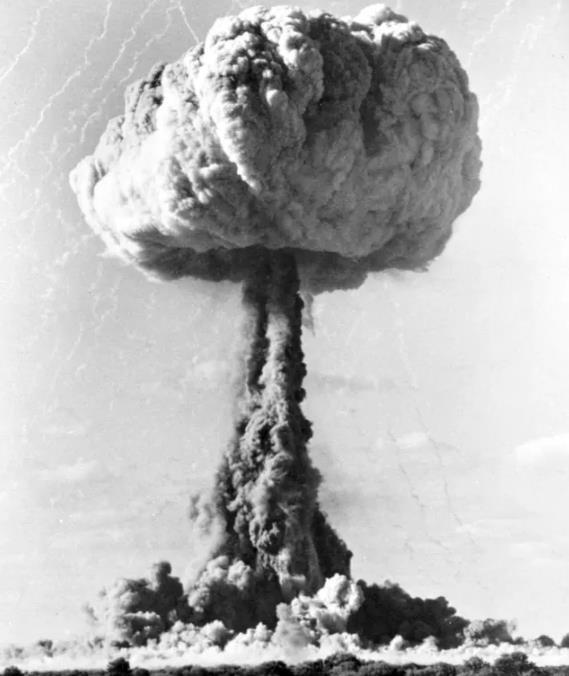
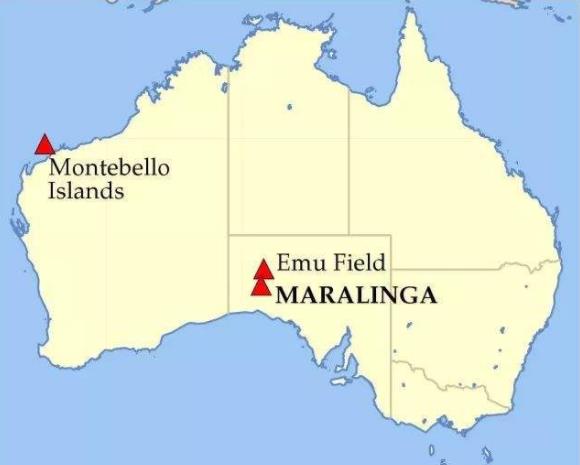
The UK’s first atomic bomb was detonated in the waters off the Montebello Islands, a small archipelago in north western Australia, in the early hours of October 3, 1952, officially making London the third member of the nuclear club, after the US and the Soviet Union.
1952年10月3日凌晨,英國第一枚原子彈在澳大利亞西北部的蒙特貝羅羣島)附近海域引爆,使倫敦正式成為核俱樂部的第三個成員,僅次於美國和蘇聯。
Emu Field
Emu 地區
While the Montebello Islands were used for the first test, British planners were never totally happy with the location, and even before the bomb was set off they began looking for a site on the Australian mainland where they could be granted greater secrecy and autonomy.
雖然第一次試驗用的是蒙特貝羅羣島,但英國的規劃者對這個地點並不完全滿意,甚至在炸彈引爆之前,他們就開始在澳大利亞大陸尋找一個地點,在那裏他們可以獲得更大的保密和自主權。
They settled on a location in the Great Victoria Desert, about 480 kilometers (300 miles) from the nearest town, Woomera, which they named Emu Field.
他們在大維多利亞沙漠的一個地方定下來,距離最近的小鎮Woomera大約480公里(300英里),他們把這個城鎮命名為Emu Field。
Plans were soon set in motion for a second test, and on October 15, 1953, the first of the Totem devices was detonated.
第二次試驗的計劃很快就開始了,1953年10月15日,第一個圖騰裝置被引爆。
Unlike the Montebello test, which went off largely as planned, the 9.1 kiloton Totem I sent a cloud of debris and smoke some 15,000 feet (4,500 meters) into the air, spreading fallout far higher and farther than originally expected.
蒙特貝羅試驗基本上是按計劃進行的,與此不同的是, 9.1千噸圖騰(Totem I)發射了一團碎片,並向空中噴出約15,000英尺(4,500米)高的煙霧,沉降物遠比原先預計的要高得多和遠的多。
The Royal Commission later found the test was carried out in inappropriate wind conditions and without proper consideration for people living nearby, examples of the often staggering lack of care taken by British officials overseeing the nuclear program, who frequently ignored or did not bother to seek out vital information about the potential effects of their tests on the host country.
英國皇家委員會後來發現,這次試驗是在不合適的風力條件下進行的,沒有適當考慮住在附近的人,這就是英國監督核計劃的官員往往缺乏謹慎的例子。英國官員經常忽視或不費心地尋找有關試驗對東道國潛在影響的重要信息。
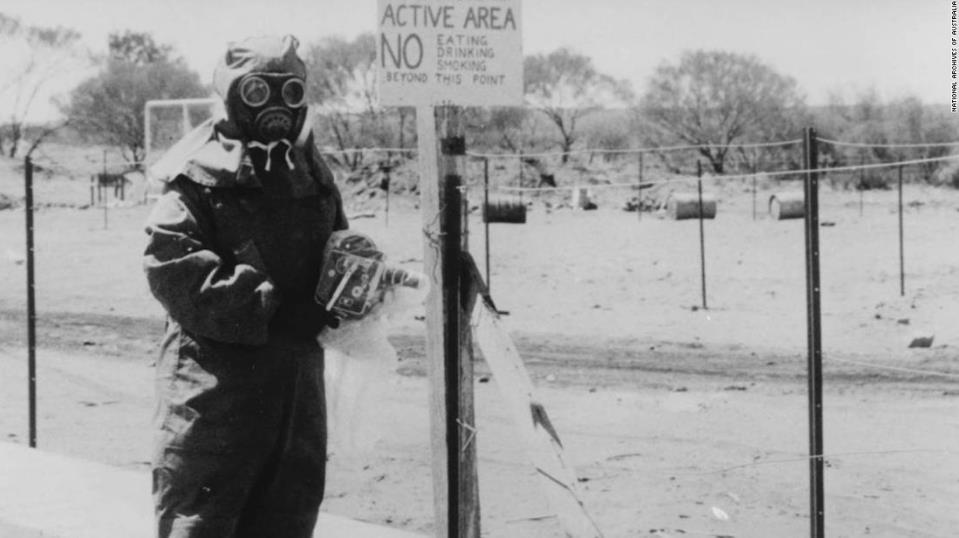
A man in protective clothing at Maralinga with a camera also protected by a plastic cover. National Archives of Australia, A6457, P214
在馬拉林加,一名男子穿着防護服,帶着照相機,還戴着塑料蓋子。澳大利亞國家檔案館,A 6457,P214
Black mist
黑霧
The most devastating effects were suffered by two groups: Australian and British soldiers working on the tests themselves, and the Indigenous populations local to Emu Field and the later testing site of Maralinga.
最具破壞性的影響是兩個羣體:澳大利亞和英國士兵自己進行試驗,以及埃穆菲爾德當地的土著居民和後來的馬拉林加試驗場。
While some concern was paid to their safety during the tests, it was often cursory at best. A single “native patrol officer” given the thankless task of having to try and inform Indigenous residents of the potential dangers had a 100,000 square kilometer (38,610 square mile) region to cover.
雖然在試驗期間對他們的安全給予了一些關注,但這往往是粗略的。一名“本土巡邏官”由於要設法向土著居民通報潛在危險的任務吃力不討好,有10萬平方公里(38 610平方英里)的區域需要覆蓋。
Nor did the British much seem to care. One prominent member of the testing team, Sir Ernest Titterton, later said that if Indigenous people had a problem with the government, they should vote it out, ignoring that Indigenous Australians did not have full political rights until 1967.
英國人似乎也不太在意。測試小組的一位著名成員歐內斯特·泰特頓爵士後來説,如果土著人民與政府有問題,他們應該投票否決,而當時被忽略的土著澳大利亞人直到1967年才享有充分的政治權利。
Another senior official, in a letter to his superiors, complained that W. B. MacDougall, the man with the dubious task of trying to protect the local Indigenous populations, was “placing the affairs of a handful of natives above those of the British Commonwealth of Nations.”
另一位高級官員在給上級的一封信中抱怨説,負有保護當地土著居民的可疑任務的W·B·麥克杜格爾 “把少數土著人的事務凌駕於英聯邦國家的事務之上”。
“The harm done to the Aboriginal people is one of the most shameful aspects (of the tests),” Tynan said. “Nowhere in the British records is there a sign of even the slightest concern for the Aboriginal people.”
泰南説:“對土著人民造成的傷害是(試驗中)最可恥的方面之一。”“在英國的記錄中,沒有任何跡象表明他們對土著人有絲毫的擔憂。”
This lack of concern is likely what led to the situation at Walatinna. Around 40 people were in the camp when the Totem I blast sent clouds of radiated material miles into the sky.
這種缺乏關注很可能是造成瓦拉蒂納局勢的原因。當“圖騰一號”爆炸並把輻射物質雲送入了天空時,大約有40人在營地裏。
“It rumbled, the ground shook, it was frightening,” Lalli Lennon told investigators. Some time later, a large black cloud passed low over the settlement. Her husband Stan described it as “sort of hazy, like a fog or something.” Lalli and her children developed fevers, headaches, vomiting and diarrhea, and two of them suffered rashes and sore eyes from the smoke.
“它隆隆作響,地面震動,令人恐懼,”拉利·列儂告訴調查人員。過了一段時間,一大團黑雲在定居點上空低垂而過。她的丈夫斯坦形容它“有點朦朧,像霧或什麼的。”拉利和她的孩子們出現了發燒、頭痛、嘔吐和腹瀉等症狀,其中兩人因吸入煙霧而產生皮疹和眼睛疼痛。
But just as they had paid little attention to the wellbeing of Indigenous people prior to the test, the British and Australian authorities did not concern themselves with such matters afterwards.
但是,正如他們在試驗前很少注意土著人民的福祉一樣,英國和澳大利亞當局後來也不關心這些問題。
This was reflected by and large by Australian public opinion, which Tynan said was initially “quite jubilant” about the tests, and remained broadly supportive until the 1970s and ’80s, when a host of revelations about the British nuclear program exposed its lackluster safety procedures — even by the standards of the time — and the disdain of those overseeing it for Australian democratic oversight.
澳大利亞公眾輿論大致上反映了這一點。泰南説,澳大利亞公眾輿論最初對這些試驗“相當高興”,並且廣泛支持,直到上世紀70年代和80年代,按照當時的標準,大量有關英國核計劃的爆料暴露出英國核計劃的乏味安全程序,以及那些負責監督澳大利亞民主人士對事件的忽視。
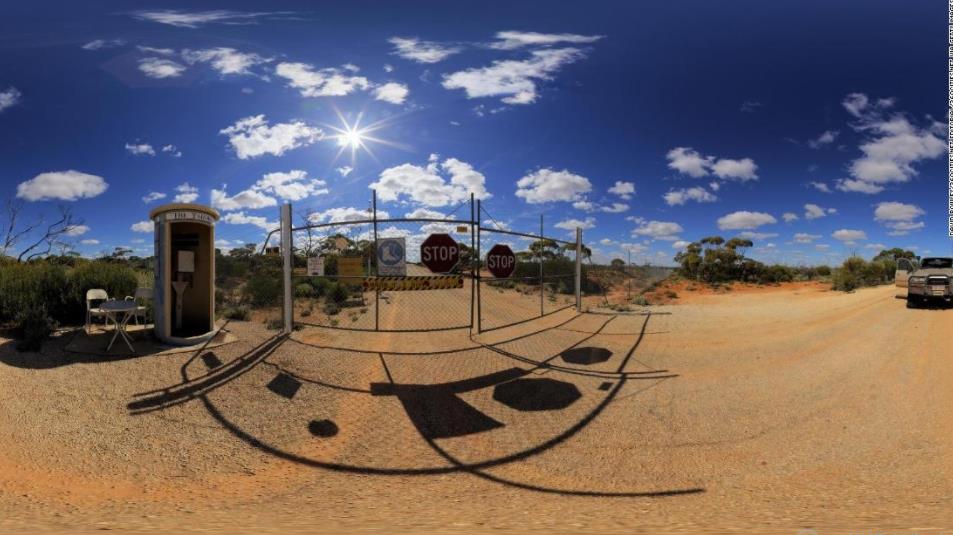
Panorama of the Maralinga front gate, the southern boundary the Woomera nuclear testing site, on May 05, 2011 in Australia.
馬拉林加前門全景,南界伍梅拉核試驗場,2011年5月5日在澳大利亞。
Maralinga mess
馬拉林加的混亂
This shift began when an Australian defense ministry report was leaked to the press, warning that large amounts of plutonium left at Maralinga could potentially be a target of terrorists.
這一轉變始於澳大利亞國防部的一份報告泄露給媒體,並警告説,大量鈈留在馬拉林加可能成為恐怖分子的目標。
This ran contrary to a 1968 report prepared by British official Noah Pearce which assured the Australian government the plutonium had been properly buried and did not present a significant risk.
這與英國官員諾亞·皮爾斯1968年編寫的一份報告背道而馳,該報告向澳大利亞政府保證,鈈已被妥善掩埋,沒有帶來重大風險。
Indeed, that year the Australians agreed to release the UK from nearly all “liabilities and responsibilities” regarding the tests, in the belief the British had “completed decontamination and debris clearance … to the satisfaction of the Australian government.”
事實上,那年,澳大利亞人同意將英國從幾乎所有與試驗有關的“債務和責任”中釋放出來,因為他們相信英國已經“完成了淨化和清除碎片的工作…令澳大利亞政府感到滿意”。
When Canberra finally carried out its own survey of the site, scientists were shocked by what they found.
當堪培拉最終對該遺址進行了自己的調查時,科學家們對他們的發現感到震驚。
“They still thought the Pearce Report was accurate until their geiger counter went crazy,” said Tynan, who has interviewed several of the inspectors. “They weren’t wearing protective gear (and) were kicking plutonium soaked rocks with their boots.”
“他們仍然認為皮爾斯報告是準確的,直到他們的蓋革計數器爆表了,”泰南説,他已經採訪了幾名視察員。“他們沒有穿防護服,而是用靴子踢了踢浸了鈈的石頭。”
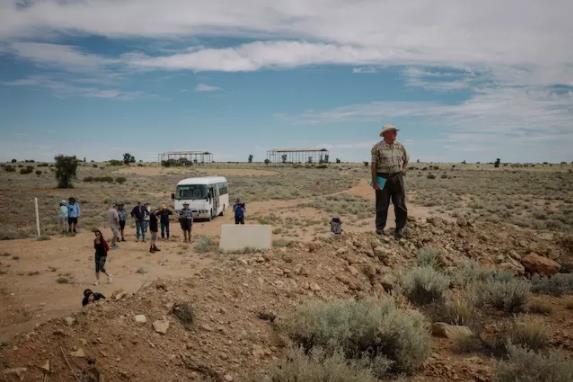
The Royal Commission report said later that there were between “25,000 and 50,000 plutonium- contaminated fragments in the (Maralinga) area, although the number might need to be doubled if missed and buried fragments were included.” Emu Field and the Montebello Islands were also found to be more dangerous than expected.
皇家委員會的報告後來説,“在馬拉林加地區有25,000到50,000塊受鈈污染的碎片,儘管如果漏掉和掩埋的碎片被包括在內,這個數字可能需要翻一番。” Emu Field和蒙特貝羅羣島也被發現比預期更危險。
“In addition to British scientific and military personnel, thousands of Australians were exposed to radiation produced by the tests,” according to a report by the Australian Institute of Criminology. “These included not only those involved in supporting the British testing program, but also Aboriginal people living downwind of the test sites, and other Australians more distant who came into contact with airborne radioactivity.”
根據澳大利亞犯罪學研究所的一份報告,“除了英國的科學和軍事人員外,還有成千上萬的澳大利亞人受到測試產生的輻射。”這些人不僅包括那些支持英國試驗計劃的人,而且還包括住在試驗場下游的土著人,以及其他接觸到空中放射性物質的更遙遠的澳大利亞人。
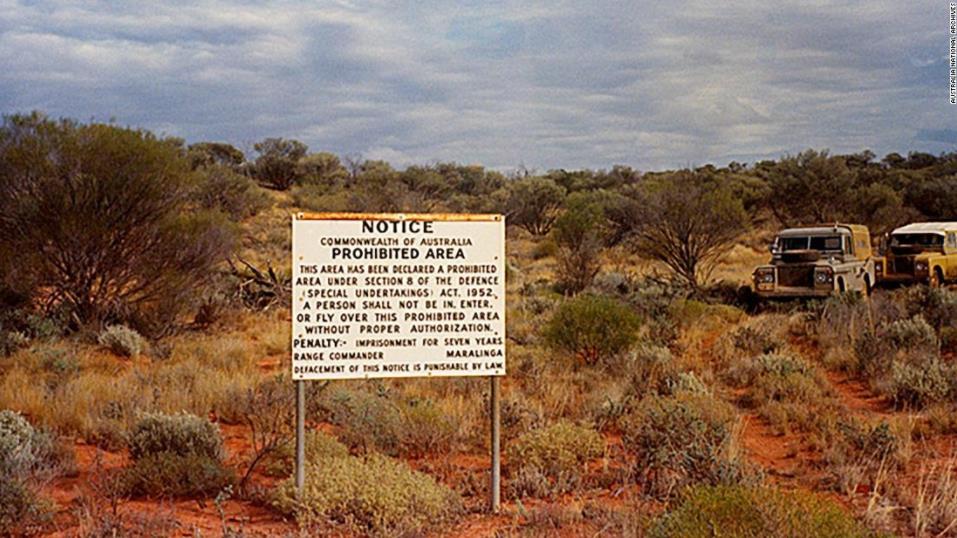
A prohibited area sign seen near the Maralinga nuclear test site in 1974.
1974年在馬拉林加核試驗場附近看到的禁區標誌。
The Royal Commission hearings marked the end to any lingering approval of the tests among the Australian public, exposing fully the ongoing harm done to the local environment, Indigenous people, and the soldiers who worked on the tests.
皇家委員會的聽證會結束了澳大利亞公眾對試驗的任何揮之不去的批准,充分暴露了對當地環境、土著人民和參加試驗的士兵所造成的持續傷害。
While many disorders are difficult to link directly to the nuclear tests, veterans of the program have complained of numerous cancers, autoimmune diseases, and other ailments — including among their children — which they put down to their lack of protective clothing and other precautions at the time.
雖然許多疾病很難與核試驗直接聯繫在一起,但參加該項目的退伍軍人抱怨了許多癌症、自身免疫性疾病和其他疾病-包括他們的孩子-他們把這些疾病歸因於當時缺乏防護服和其他預防措施。
Last year, the Australian government expanded medical benefits for members of the nuclear testing program, but most are now in their late 80s and one told the ABC the move was “too bloody late.”
去年,澳大利亞政府擴大了核試驗項目成員的醫療福利,但大多數人已經80多歲了,其中一人告訴美國廣播公司,此舉“太遲了”。
The harm done to Indigenous people has also been recognized in the decades since the Royal Commission, including by the black mist -- which a British official once said investigating would be a “complete waste of money and time.”
自皇家委員會成立以來的幾十年裏,人們也認識到了對土著人民造成的傷害,包括黑霧-一位英國官員曾説,調查將是“完全浪費金錢和時間”。
In 1993, the British agreed to pay the Australian government and the traditional owners of the Maralinga lands around 46 million AUD ($30 million). The Australian authorities also paid Indigenous Maralinga communities a settlement of 13.5 million AUD ($9 million).
1993年,英國同意向澳大利亞政府和馬拉林加土地的傳統所有者支付4600萬澳元(約合3000萬美元)。澳大利亞當局還向土著馬拉林加社區支付了1 350萬澳元(900萬美元)的澳幣。
“Everyone became friends again after that,” said Tynan, adding that the issue, which had dominated Australian media and public attention for years, slowly slipped away, becoming a “great Australian secret.”
“在那之後,每個人都再次成為朋友,”泰南説。他補充説,這個多年來一直佔據着澳大利亞媒體和公眾注意力的問題慢慢地溜走了,成為“澳大利亞的一個偉大秘密”。
Today, she said she often meets young Australians who are unaware of the tests, and even many people who were alive at the time of the Royal Commission who only have a hazy idea of the issues.
今天,她説,她經常遇到年輕的澳大利亞人誰不知道這場測試的存在,甚至許多人還活着,在皇家委員會,他們只是一個模糊的概念問題。
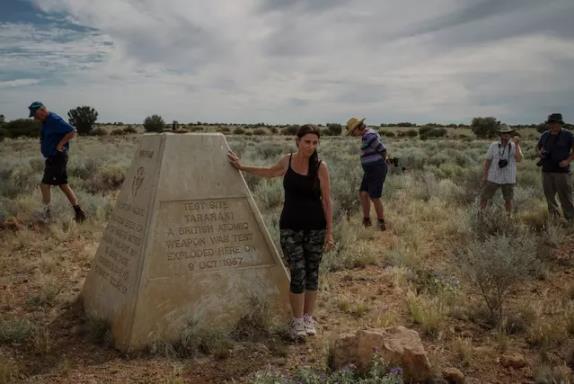
“It was one of those things that, because it was not really written into the history books … just dropped off the radar,” she said, even as veterans and Indigenous people affected by the tests continue to suffer health repercussions and shortened lifespans because of their exposure to radiation.
她説:“這是其中一件事,因為它並沒有真正寫進歷史書…只是沒有引起注意。”她説,儘管受試驗影響的退伍軍人和土著人因暴露於輻射而繼續受到健康影響和壽命縮短。
Yami Lester died on July 21, 2017. He was remembered in parliament by then Prime Minister Malcolm Turnbull as a “man of wonderful intelligence and insight, as an elder of great standing and as a champion of Aboriginal rights and dignity.”
亞米·萊斯特於2017年7月21日去世。時任總理馬爾科姆·特恩布爾(Malcolm Turnbull)在議會中銘記他是一個“極具智慧和洞察力的人,是一位地位卓著的老人,也是土著人民權利和尊嚴的捍衞者”。、
“He will be revered for rising from personal tragedy to serve his community and to lead his people to ensure that they were recognized and their wrongs addressed,” Turnbull added.
特恩布爾補充説:“他將因從個人悲劇中崛起而受到尊敬,為他的社區服務,並帶領他的人民確保他們得到承認,他們受到的委屈得到解決。”
But as Tynan and others have pointed out, those wrongs have not been fully addressed. Health problems stemming from the tests continue for those still living, and while the veracity of Lester and other victims’ stories has been acknowledged, what exactly happened to them remains unclear, the details of the nuclear test still kept top secret.
但正如泰南和其他人所指出的那樣,這些錯誤並沒有得到充分的解決。對那些仍然活着的人來説,試驗產生的健康問題仍在繼續,雖然萊斯特和其他受害者的故事的真實性已經得到承認,但他們到底發生了什麼仍不清楚,但核試驗的細節仍然是絕密的。
“To this day we don’t know what Totem I did, those records are still classified by the British,” Tynan said. “It remains one of the great mysteries.”
泰南説:“直到今天,我們還不知道我製造了了什麼核彈,那些記錄仍然被英國人分類保存着。”“這仍然是一個很大的謎團。