帶你見識製造業幕後的原理-編號1024【泰國冷凍蝦】_風聞
龙腾网-2019-11-22 17:40
來源龍騰網:
正文翻譯
people have been noshing on shrimp since the beginning of time,but it hasn’’t always been an easy catch.
人類從一開始就以吃蝦為食,但捉蝦並不容易。
wild stocks declined in the 20TH century.
20世紀野生動物種羣數量是下降的。
shrimp farms emerged to supply what nature couldn’’t.
然而蝦場的應運而生提供了大自然沒法供應的食物。
[copy]factories process the harvest,ensuring an abundance of ready-to-eat shrimp for the freezer.
工廠再對收穫的養殖進行加工處理,確保有充足的冷凍即食蝦供應。
jumbo shrimp have long been big on the cocktail circuit.
大蝦一直是雞尾酒吧枱上的熱門食物。
today, it comes prepped and frozen,complete with cocktail sauce.
此刻,盤子裏的蝦已經收拾好和冷凍了,淋上開胃沙司。
just unwrap and thaw.
只要打開包裝解凍就可以食用了。
shrimp cocktail is one of the many ready-to-eat dishes prepared at this factory in thailand.
雞尾酒鮮蝦是這家泰國工廠加工的眾多即食食品之一。
fresh from the farm,the shrimp undergoes a quick cold-water rinse.
鮮蝦剛從農場撈出來,要經過流帶很快的冷水沖洗。[/copy]
it then rides a perforated conveyor.
然後把蝦放到一個帶孔的傳送帶上。
rinse water drains through the holes in the conveyor to keep the shrimp from becoming soggy.
鮮蝦的水分通過傳送帶上的漏水孔來瀝乾,從而防止蝦變浸在水裏。
still cool from the icy bath,the curly crustaceans spill off the conveyor into plastic baskets.
經冷冰沖洗後的是仍然冰涼,然後捲曲的蝦被機器傳送,散落到塑料籃子裏。
they weigh each basket and then transfer the shrimp to a larger tub.
工人稱量每個籃子的重量,然後把蝦放到一個容量更大的桶裏。
to keep the chill on,they add crushed ice between loads.
為了保持低温,他們一層鮮蝦一層碎冰裝桶。
a temperature of 50 degrees fahrenheit or less must be maintained throughout processing,or quality will suffer.
在整個加工過程中,必須保持低於等於50華氏度的温度,否則新鮮度(質量)會受到影響。
it’’s now time for the inevitable -- the deheading.
現在到了進行一道必要的工序的時候了,去頭。
using a metal tool that’’s like an open thimble,workers pull the heads off the shrimp with a few quick tugs.
工人用一個金屬工具,工具就像一個開口的頂針,迅速的把蝦頭從蝦身上挑拉下來。
[copy]the deheading line is a long and busy one.
去頭生產線又長又忙碌。
the headless shrimp now travel to sizing rollers.
無頭蝦現在要被送到滾筒上去加工。
the space between the rollers is narrow at first and wider further down.
滾筒之間的間距一開始很窄,再往下就越來越寬。
as the rollers spin, smaller shrimp fall through first,and the larger ones continue onto fall through further down.
隨着滾筒的旋轉,小蝦先落下去,大蝦逐漸落下去。
they accumulate in different piles on conveyors below.
它們在傳送帶下堆積成不同的堆裏。
this separates the shrimp in to five size categories.
這個過程就把蝦分成了五類大小。
out of the sorter,an employee samples the shrimp’’s temperature to confirm that it remains adequately chilled.
蝦從分類機出來中,工人抽取蝦的温度樣本,以確定蝦是否保持在適當的冷凍温度。[/copy]
Deheaded and sorted by size,these shrimp are now ready to come out of their shells.
去頭、按大小分類後,這些蝦現在要走去殼工序了,
on the shelling line,some workers cut the tails off and others leave them on,because there’’s a market for both.
在去殼生產線上,一些工人將尾巴切下來留着,因為兩者都很有市場。
after they peel away the shell,they cut out the digestive tract that runs along the back.
剝去外殼後,工人會挑下蝦體背部的消化道。
it’’s often referred to as the vein because it looks like one.
它通常被稱為血脈,因為它看起來像血管。
workers on this line peel and devein 800 shrimp an hour.
這條生產線上的工人每小時要挑剝800只蝦的殼和消化道。
the shrimp then goes to different prep zones.
然後把蝦送到不同的待加工區。
at this one,an employee dips tail-on shrimp in to an egg mixture and then dredges them in rice flour.
在這裏,一名男性員工將帶尾蝦浸入雞蛋混合物中,然後將其從麪粉堆中撈出。
he sends them down the line to the next worker.
該員工再把它們送到下一個工人那裏裏工。
he rolls the floured shrimp in rice paper.
這位員工用米紙把裹了麪粉的蝦捲起來。
as you can see,there’’s a bit of trick to this.
如你所見,這裏面有個小竅門。
he moistens the edges of the rice paper to seal the wrap.
他把米紙的邊緣弄濕,把它包起來。
the result is a spring-roll appetizer that can be frozen until it’’s ready to be cooked and served.
做成一個可冷凍的開胃菜,直到被烹飪和食用。
in another area, a worker prepares a breaded recipe --again, using shrimp with the tail still on.
在另一個區域,工人正在準秘製配方的麪包屑——再將其褱在(仍然使用帶尾巴的)鮮蝦上。
this is finger food and, with the tails on the shrimp, will be easier to grip.
這是可以手抓的食物,帶尾巴的是會更容易被抓住。
[copy]he soaks it in seasonings and coats it in breadcrumbs.
他接着用調味料浸泡它,然後又用麪包屑裹一遍。
then he dips it in egg batter and breads it again.
然後把它蘸上雞蛋糊,再次裹上面包屑。
the second coating of crumbs will give the shrimp extra crunch when fried.
第二層面包屑會讓蝦在油炸的時候更酥脆。
the tray is now full, and so it’’s over to the fry belt.
托盤已經裝滿了,現在可以送入油炸傳送帶了。
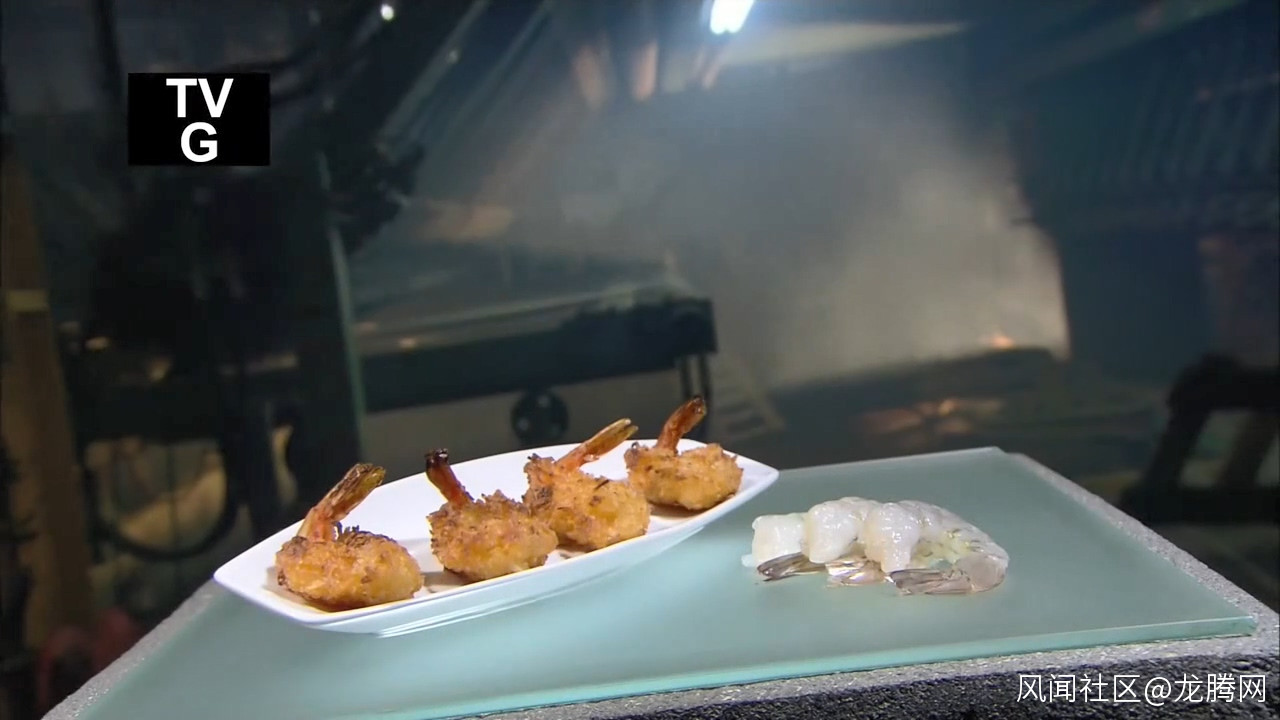
after a quick trip through hot oil,the breaded shrimp is perfectly fried.
經過一段短暫的熱油之旅後,裹有面包屑的蝦被完美地油炸好了。
all the shrimp,including this raw product,take a blustery ride through a freezer.
包括生蝦在內的是,所有的蝦都要送入冷庫裏中冰凍。
spread evenly across the conveyor,they freeze individually rather than in big, icy clumps.
其經過冷凍後均勻鋪在傳送帶上,它們各自結冰,而不是結成大塊的冰塊。[/copy]
so you don’’t have to thaw aw hole bunch to get a few shrimp.
這樣你就不用為了幾隻蝦,把一大塊蝦冰融化了。
the frozen shrimp falls into weigh stations.
接着冷凍蝦被送到稱重站稱重。
at the correct amount,the bottom opens to release them.
稱足預定好的重量時,稱重器底部將打開把它們放下來(放進包裝袋裏)。
an ice glaze will protect them from freezer burn.
冰衣可以保護他們免於乾燥而變硬。
these frozen-shrimp products are ready to leave the factory.
這些冷凍蝦產品已經準備好出廠了。
from the freezer to the oven to your taste buds.
從冰箱到烤箱再到你的味蕾。
with all the prep work done at the factory,these frozen-shrimp products are quite a treat.
隨着工廠做了這麼多道配菜工序,這些冷凍蝦產品會是不錯的招待食物的。
原創翻譯:龍騰網 http://www.ltaaa.com 翻譯:山東姐妹 轉載請註明出處