帶你見識製造業幕後的原理-編號1025【泰國飯桶】_風聞
龙腾网-2019-12-03 16:36
【來源龍騰網】正文原創翻譯:
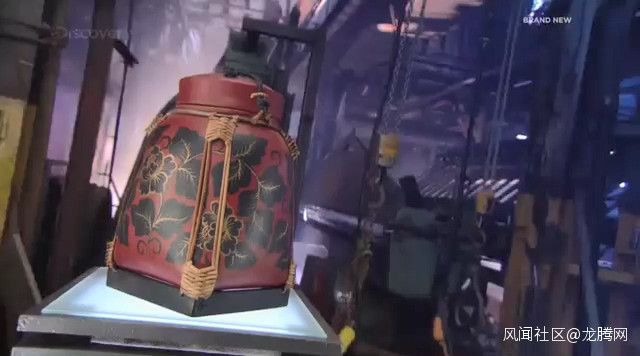
rice is an integral part of the asian diet,so it’’s not surprising to find special storage vessels for it.
米飯是亞洲人飲食中不可或缺的一部分,所以找到特殊的盛裝容器也並不奇怪。
in thailand, the traditional container is a rice box --a covered jar handwoven from bamboo and often beautifully decorated.
在泰國,傳統的容器是一個米飯桶——一個用竹子手工編織的有蓋罐子,並且裝飾得很漂亮。
they’’re also produced as decorative items for export.
它們也是泰國用來出口的裝飾品。
thai rice boxes started out as an ordinary household container for cooked, sticky rice.
泰國飯桶最初是作為傳統的家用容器出現的,用來盛放煮熟的糯米。
today, they’’re sought-after handicrafts,produced in a range of sizes for storage of all kinds or simply for decoration.
如今,它們是極受歡迎的手工藝品,有各種大小,可以儲存各種東西,也可以只是用來作裝飾。
each box is handcrafted from start to finish.
每個盒子的每道工序都是手工製作的。
the artisan begins with thin strips of bamboo.
工匠從細竹條開始製作。
he splits the strips with his fingernail to make them the width required for the box size he’’s weaving.
工匠用手指甲將細竹條撕開,使它們的寬度符合要編織的盒子所需的參數。
he lines up the first few strips on the floor and holds them steady with his foot as he weaves strips crosswise through them in an under-one,over-two sequence.
他在地板上將竹條排列,然後用腳穩定住它們,再交叉編織這些竹條,按照一個竹條在下兩個竹條在上的次序。
he continues weaving this pattern until he produces a square that’’s large enough to form the base of the box.
工匠繼續用竹條編織着圖案,直到他編織出一個足夠大的正方形來構成盒子的底部。
he sprays the base with water to soften up the bamboo.
他往這個飯桶底部噴水,讓竹子變軟。
this prevents the strips from breaking when he now bends them upward to begin weaving the sides of the box.
這樣當他把竹條向上彎曲,編織盒子的邊時,可以防止竹條折斷。
once he’’s completed the sides,he begins weaving the box’’s neck,pulling the strips laterally in a circular direction.
一旦工匠完成了四邊,他開始編織盒子的頸部,將竹條沿着一個圓形的方向從側面拉。
he alternates, folding one strip upward, one strip downward.
匠人交替着編織,一條向上摺疊,一條向下摺疊。
he trims the downward strips,then inserts the ends through the woven sides.
匠人修剪向下的竹條,然後把末端插入編織物的邊緣。
next, pulling the strips through the middle,he fits a bamboo ring over the outside of the neck,then another along the inside of the neck,locking the remaining upward strips in between.
接着,向中間拉條紋,他在編織物頸部外側套上一個竹環,然後在頸部內側再套上另一個竹環,把餘下的向上的竹條鎖在中間。
this immobilizes the strips,eliminating any need for nails or glue.
這樣可以固定住竹條,不需要釘子和膠水。
it also adds rigidity,reinforcing the neck’’s round shape.
它還增加了硬度,加強了編織物頸部的圓形。
a quick trim of the remaining strips,and the box is fully constructed.
快速修剪一下其餘的竹條,盒子就完全造好了。
he then makes a lid using the same materials and technique.
然後他用同樣的材料和技術做了一個蓋子。
next, artisans coat the outside of the box and lid with a mixture of chalk, glue, and sawdust.
接下來,工匠們在盒子外面和蓋子上塗上白堊、膠水和鋸末的混合物。
(錨點白堊[chalk],又稱白土粉、白土子、白埴土、白善、白墡、「白墠」。白堊是一種微細的碳酸鈣的沉積物,是方解石的變種。白堊一般主要是指分佈在西歐的白堊紀的地層,而白堊紀一名即由此而來。作為礦物的白堊一般用來製造粉筆等產品。)
they let the coating dry in the sun for a day or two,until the surface becomes hard and smooth like clay.
將塗層放在陽光下乾燥一兩天,直到它的表面變得像粘土一樣堅硬光滑。
now an artist gets to work,first applying two base coats of acrylic paint.
現在一名藝術家開始工作,首先塗上兩層丙烯酸顏料。
once the base coats are dry,she places the box on a turntable and applies a coat of the background color.
一旦基礎圖層乾透了,她就把盒子放在一個轉盤上,然後塗上一層背景色。
once that dries,she begins outlining the design.
背景色也幹了,然後她就開始勾勒圖案。
then she fills in the design.
然後她填充圖案。
once that’’s dry,the fine details.
圖案幹了後,再描畫精美的細節。
it’’s here that you see the artistry emerge.
現在你能直觀看到出藝術效果了。
once the artwork has dried,they encircle the neck with a band of rattan,then with strips of rattan,tie the box to a wooden stand.
藝術品幹了後,匠人們用藤條環繞住盒子的頸部,然後用很多藤條,把盒子綁成藤條架。
at the base of each corner,they weave the rattan strips into a decorative pattern.
在每個角的底部,匠人們把藤條編織成裝飾圖案。
not only is this rice box entirely handmade…
這個飯桶不僅僅是純手工製作
the artisans never use templates,never take measurements.
工匠們從不使用模板,從不使用測量工具。
they do it all by eye.
他們全憑眼睛的直觀。
the inside of the box remains bare.
米飯桶內部沒有裝飾。
the idea is to see the bamboo and how skillfully it’’s woven.
編織理念是為了能直觀看見竹子、以及是怎樣巧妙地編織出來的。
it’’s a natural,nontoxic surface,against which it’’s safe to store rice.
泰國米飯桶有着一個純天然的,無毒的表面,儲存大米非常的安全。