聯合國糧農組織:新冠肺炎會對農業和糧食安全產生什麼影響?_風聞
德不孤-新闻搬运工2020-02-22 12:57

應儘快採取措施減少疫情對全球食品系統的破壞性影響

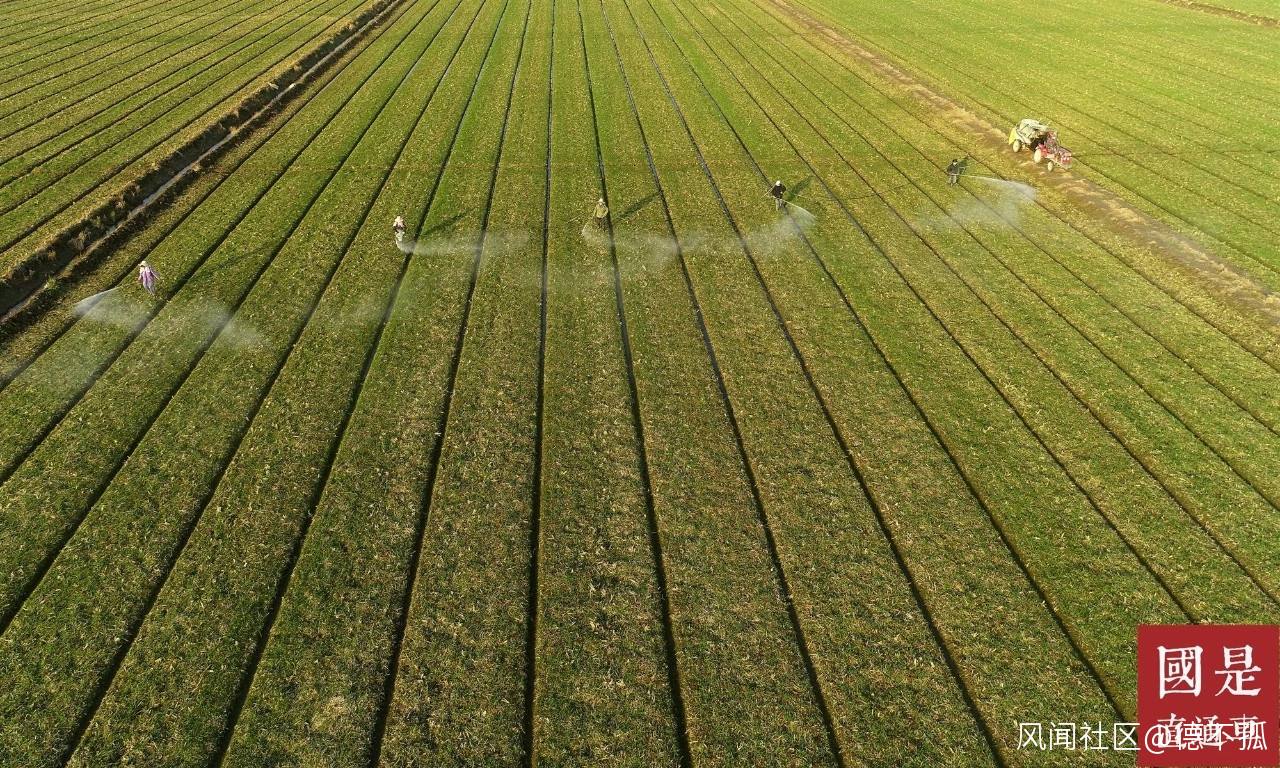 中新社發 王閩 攝
2019年12月下旬,一種新型冠狀病毒(2019-nCoV)被確定為引起中國大量呼吸道疾病發生的病因。
武漢是疫情最早發生的城市,也是一座連接中國國內和國際經濟交通的樞紐城市。在一個月時間裏,這種致命病毒讓世界為之恐慌,恐懼心理的傳播速度超過了病毒本身。目前來看,這種病毒的傳染性似乎很高,但致命性卻不如眾所周知的嚴重急性呼吸系統綜合症(非典/SARS)冠狀病毒和中東呼吸綜合症冠狀病毒(MERS-cov)。
儘管2019冠狀病毒病疫情主要是一場公共衞生危機,但專家們擔心疫情可能會對中國和全球經濟產生更廣泛的影響,擾亂全球社會和經濟發展。
從公共衞生和社會經濟角度看,如果把2003年的非典疫情作為參照點來推斷此次疫情的演變過程,中國對當今世界經濟的貢獻與17年前相比已發生顯著變化。
自非典以來,中國在應對此類緊急情況方面也取得了長足進展。據國際貨幣基金組織(IMF)數據顯示,在過去十多年裏,中國的全球經濟地位顯著提升,2018年中國對全球GDP的貢獻為18.67%,與之相對,2003年中國對全球經濟產出的貢獻為8.74%。
同時,中國也是世界上第一大貿易國。通過大量雙邊和多邊貿易協定,中國的貿易地位在全球根深蒂固。儘管包括林業和漁業在內的農業在中國GDP中的比重正在下降,但其對2018年中國GDP的貢獻為7.19%。
中國進出口貿易的足跡幾乎遍佈世界各國,農業和糧食在中國的貿易組合中佔了很大份額。
在此背景下,2019冠狀病毒病疫情會對中國和國外農業供需方面產生何種影響,又會給食品價格、市場帶來何種連鎖反應等問題也備受關注。
目前,專家們對此問題的看法仍然非常謹慎,一切尚待觀察。但疫情未來的演變至關重要,因為疫情對經濟或農業的影響很大程度上取決於這場抗“疫”戰還需持續多久,以及企業何時可以紓困,恢復正常運營。因此,在現階段評估對農業方面的影響還為時過早。
從以往突發公共衞生事件經驗看,限制貨物和人員流動可能會產生重大的社會經濟影響,超出對健康的直接影響,並影響到最弱勢的羣體。雖然這些限制措施有助於抑制疾病傳播,但其往往會導致市場鏈和農產品貿易的中斷,對依賴它們維持生計和保障糧食及營養安全的人羣產生重大潛在影響。
在此情況下,地方經濟往往受到最嚴重的衝擊,中小規模商家企業尤甚,其產品供應鏈由於交通和人員流動的限制而受到較大影響。2018年8月非洲豬瘟(ASF)疫情發生之後,已經嚴重影響中國養豬業,造成消費者價格指數上漲和小農户收入損失。
為應對疫情對農業及農村地區的不利影響,中國政府採取了一系列措施。例如,農業農村部正在監測情況,並採取了一系列措施,以減輕小微企業的壓力。今年1月27日,農業農村部、人力資源和社會保障部、國家衞健委聯合下發通知,強調做好農村地區疫情防控工作。為確保疫情期間糧食供應和質量安全,農業農村部今年1月30日下發通知,強調支持和保障疫情期間及之後的冬春季糧食生產。
儘管目前工作重點是抑制疫情擴散,但也應儘快採取措施,最大程度減少疫情對本地和全球食品系統和市場鏈的破壞性影響。研究疫情對農村地區民生的影響,以及這種病毒在人-動物-環境接觸面上是如何起源和產生的,這對於防止未來再次發生此類疫情至關重要。
在“同一健康”框架下,目前,聯合國糧農組織正在與包括中國農業農村部、中國農業科學院(CAAS)在內的國內合作伙伴以及世界衞生組織(WHO)和世界動物衞生組織(OIE)等國際機構緊密合作,幫助確定該病毒潛在的動物宿主,並評估其對小農生計的影響。2月5日,聯合國糧農三機構(糧農組織、農發基金和糧食計劃署)也曾聯合發佈聲明表示,已準備好為中國政府提供支持,努力減輕疫情造成的影響,特別是對農村地區的影響。
本文作者馬文森為聯合國糧農組織駐中國和朝鮮代表
中新社國是直通車劉亮譯
以下為英文原文:
What impact could the COVID-19 (Coronavirus)epidemic have on agriculture and food security?
Vincent Martin, FAO Representative in China and DPR Korea
In late December 2019, a novel coronavirus (2019-nCoV) was identified as the cause of a significant number of human cases of a respiratory disease in China. The current outbreak was first detected in Wuhan City, which is a major domestic and international economic and transport hub in China. In a month’s time, the deadly virus has turned the world upside down, and fear has spread faster than the virus, which appears to be highly contagious but less lethal than its now well-known predecessors of the same coronavirus family, SARS and MERS-cov.
Although the 2019-nCOV epidemic is primarily a Public Health crisis, experts are already voicing their concerns that the virus could have a much broader impact on the Chinese and global economy, leading to worldwide socio- economic disruptions.
If 2003 SARS epidemic is often taken as a reference point to extrapolate on the course of evolution of this novel coronavirus epidemic, from a public health and socio-economic perspective, China’s contribution to the world economy today does not compare to what it was 17 years ago.
It has also come a long way since SARS, in its capacity to handle rapidly and efficiently such emergency situations. China has now become central to the global economy during the last decades, contributing 18.67 percent to the world GDP in 2018, while it accounted for 8.74 percent of world economic output in 2003, according to the International Monetary Fund.
China is also the world’s biggest trading nation deeply entrenched in global trade through a multitude of bilateral and multilateral trade agreements. Although the share of agriculture, including forestry and fisheries in the country’s GDP is declining, its contribution to national GDP was 7.19 percent in 2018. The country’s exports and imports cover destinations and sources spanning all regions of the world and agriculture and food constitutes a significant share of China’s trade portfolio. This has subsequently raised questions of the impact of the new coronavirus epidemic on the agriculture supply and demand side, in China and abroad, with possible ripple effects on food prices and markets.
However, as of today, expert’s opinions on this matter remain very cautious and the only certainty is that nothing is certain at the moment. The evolution of the epidemic during the coming days and weeks will be crucial, and its impact on the economy or the agriculture sector will very much depend on the time needed to stop the spread of the deadly virus.
Assessing the impact on the agriculture sector is therefore premature and only speculative at this stage and will depend on how long the health emergency lasts and restrictive measures remain in place before businesses can resume normal operations.
Learning from the past and similar Public Health emergencies, restrictions on the movement of goods and people can have significant socio-economic repercussions on people’s livelihoods, going beyond the direct impact on health, and affecting the most vulnerable groups. While these restrictions are necessary to limit the spread of a disease, they often lead to disruption of market chains and trade of agricultural products, with significant potential impacts on the populations that depend on them for their livelihoods and their food and nutrition security.
In such cases, local economies are often the hardest hit, as businesses remain shuttered and consumers hunkered down in their homes. Most affected might be medium-sized companies and small businesses as supply chains of their products are disrupted due to restrictions on transportation and people’s movements. This current coronavirus epidemic is also happening in the aftermath of the African Swine Fever (ASF) epidemic that started in August 2018 and affected severely the Chinese’s pig industry, leading to an increase in prices for consumers and income losses for smallholder farmers.
To counter such adverse effects in rural areas, the Ministry of Agriculture and Rural Affairs (MARA) is carefully monitoring the situation and has taken a series of measures to ease the pressure on small businesses, while contributing to the national effort of halting the inter-human transmission. On 27 January, the Ministry of Agriculture and Rural Affairs and the Ministry of Human Resources and Social Security and National Health Commission issued a joint information note to farmers for prevention and control of the virus in rural areas. Recognizing the importance of ensuring the supply of food in good quantity and quality during the emergency period, MARA also issued on 30 January 2020 a notice to support and guarantee winter and spring food production during the epidemic period and beyond.
Ultimately, while today’s focus is on stopping the interhuman transmission, mitigation and early recovery measures should be anticipated and put in place as soon as possible to minimize the disruptive effect on food systems and market chains, locally and globally. Understanding the impact on people’s livelihood in rural areas and studying the origin and emergence of the virus at the human-animal-environment interface are of paramount importance to prevent the reoccurrence of such epidemics in the future.
Under the One Health approach, FAO is working closely with national partners, MARA and the Chinese Academy of Agriculture Sciences – CAAS, among others as well as international organizations such as the World Health Organization (WHO) and the World Organisation for Animal Health (OIE) to assist in identifying the potential animal hosts of this virus and also to measure the impact on smallholder farmer’s livelihood. These were some of the key messages delivered in a statement by the Rome based Food agencies (FAO, IFAD and WFP) on the 5th of February, which are willing to provide all the support needed to the Government of China and the Chinese people in their race to defeat the virus and mitigate its impact on people’s health and livelihoods.