被中醫黑高度污名化的安慰劑到底是個啥?_風聞
观察者网用户_2244-中华民族伟大复兴的百年未有之大变局正徐徐拉开大幕2020-03-12 11:53
近年來給中醫黑高度污名化的安慰劑到底是個啥?安慰劑效應又是什麼?我們來正本清源一下。因為我們發現大部分中醫黑其實英語不好,西醫也沒學過,很多名詞是道聽途説以訛傳訛的。我今天摘取一篇老外的科普文章,來以正視聽。
由於篇幅所限,我就不全文翻譯了,大家可以機翻一下。
可以看出來,西醫或者他們叫現代醫學,對於安慰劑和安慰劑效應是有着嚴格的定義的,不是什麼東西都叫做安慰劑的。而且安慰劑效應在西醫學上是個中性詞彙,是西醫心理學臨牀治療的重要手段,換句話説,被某些中醫黑斥責為安慰劑的中藥,連帶着把他們奉為神明的現代醫學的一個分支心理學直接帶溝裏去了,聽到這些恐怕弗洛伊德的棺材板都要蓋不住了。
話説回來,在西醫或者西藥學中,安慰劑是個中性詞彙,指的是那些既不能帶來確實治療效果,也不能帶來任何副作用的類似糖丸的東西。我們知道中醫中藥必須辨證施治,治療得當,疾病會得到明顯改善甚至於治癒,治療不當,會延誤治療,甚至於惡化,甚至於死亡。這根本不符合西藥關於安慰劑的定義。
其次,安慰劑效應,在西藥的治療上是沒有明確作用的,但是在西醫心理學範疇,確實大大的有用,而且很多時候還是主要治療手段。而且安慰劑效應跟安慰劑又很不相同,因為心理學治療大多數情況下是靠潛意識催眠下的談話治療,它沒有任何藥物,只有安慰劑效應,而沒有任何的實體安慰劑。
網上都説三個猶太人改變世界,其中一個就是弗洛伊德。從弗洛伊德開始西醫,或者叫做現代醫學開始重視心理因素對於人的軀體產生的影響了。換句話説,馬克思主義關於物質和意識關係的著名論斷説的非常對,第一點,物質是客觀存在,意識是主觀存在;第二點,物質是根源,意識是派生;第三點,物質不能代替意識,意識不能代替物質。統一體現在二者之間的聯繫上;第一點,物質決定意識,意識對物質具有能動作用;第二點,物質可以變成意識,意識可以變成物質;第三點,意識與物質具有統一性。
某些著名的號稱歷史唯物主義的中醫黑槓精連辯證法都沒學會,就不要出來丟人顯眼了。
下面這篇文章的結尾寫的非常明確,安慰劑明確不能治療潛在疾病。什麼是潛在疾病?就是目前臨牀上沒有陽性指標,而隨着病程發展最終會影響病人身體健康甚至於致命的。這不就是治未病嘛!
How the Placebo Effect Works in Psychology
By
The mind can have a powerful influence on the body, and in some cases can even help the body heal. The mind can even sometimes trick you into believing that a fake treatment has real therapeutic results, a phenomenon that is known as the placebo effect. In some cases, these placebos can exert an influence powerful enough to mimic the effects of real medical treatments.
But the placebo effect is much more than just positive thinking. When this response to a fake treatment occurs, many patients have no idea that they are responding to what is essentially a “sugar pill.” Placebos are often utilized in medical research to help doctors and scientists discover and better understand the physiological and psychological effects of new medications.
In order to understand why the placebo effect is important, it is essential to understand a bit more about how and why it works.
What Is the Placebo Effect?
The placebo effect is defined as a phenomenon in which some people experience a benefit after the administration of an inactive substance or sham treatment.
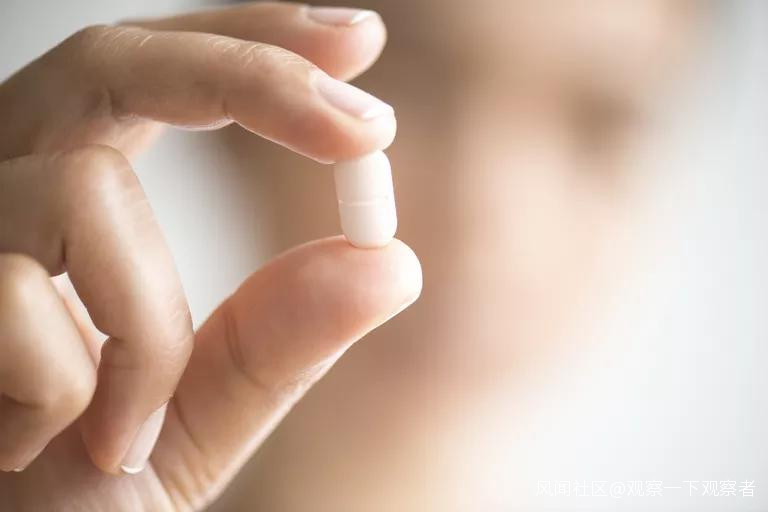
What exactly is a placebo? A placebo is a substance with no known medical effects, such as sterile water, saline solution, or a sugar pill. A placebo is a fake treatment that in some cases can produce a very real response. Why do people experience real changes as a result of fake treatments? The expectations of the patient play a significant role in the placebo effect; the more a person expects the treatment to work, the more likely they are to exhibit a placebo response.
In most cases, the person who does not know that the treatment they are receiving is actually a placebo. Instead, they believe that they are the recipient of the real treatment. The placebo is designed to seem exactly like the real treatment, whether it is a pill, injection, or consumable liquid, yet the substance has no actual effect on the illness or condition it purports to treat.
It is important to note that a “placebo” and the “placebo effect” are different things. The term placebo refers to the inactive substance itself, while the term placebo effect refers to any effects of taking a medicine that cannot be attributed to the treatment itself.
How Placebos Are Used in Medical Research
In medical research, some patients in a study may be administered a placebo while other participants receive the actual treatment. The purpose of doing this is to determine whether or not the treatment has a real effect. If participants taking the actual drug demonstrate a significant improvement over those taking the placebo, the study can help support the claim for the drug’s effectiveness.
While a placebo has no effect on illness, it can have a very real effect on how some people feel. Just how strong this effect might be depends on a variety of factors. Some things that can influence the placebo effect include:
The nature of the illnessHow strongly the patient believes the treatment will workThe type of response the patient expects to seeThe type of positive messages a doctor conveys about the treatment’s effectivenessGenes may also influence how people respond to placebo treatments
One study suggested that some people may possess a genetic predisposition to respond more strongly to placebos. In the study, patients who either had high or low variations of a gene that controls dopamine levels in the prefrontal cortex of the brain had differing responses to placebo. Those with the high-dopamine version of the gene were more likely to experience a response to a placebo treatment than did those with the low-dopamine version of the gene. Research has found that people with the high-dopamine version of this gene tend to also have higher levels of pain perception and reward-seeking.
When testing out new medications and other treatment approaches, scientists are interested in learning about whether this new treatment has value for treating an illness that outweighs any potential risks. Through their research, they want to learn if the treatment is effective, the sort of side effects it might produce, which patients may benefit the most and whether it is more or less effective than other treatments that are already available.
By comparing the effects of a treatment to a placebo, researchers hope to be able to determine if the effects of the medicine are due to the treatment itself or caused by some other variable.
Advantages of Using a Placebo
One of the major advantages of using a placebo in medical and psychological studies is that it allows researchers to eliminate or minimize the effect that expectations can have on the outcome. If researchers expect to find a certain result, they may unknowingly convey clues, known as demand characteristics, which might lead participants to guess what the researchers hope to find. As a result, participant behaviors can sometimes change.
In order to minimize this, researchers sometimes conduct what is known as a double-blind study. Such studies involve both the experimenters and the participants being unaware of who is receiving the real treatment and who is receiving a false treatment. By minimizing the risk of subtle biases influencing the study, researchers are better able to look at how the effects of both the drug and the placebo.
Examples
For example, let’s imagine that a participant has volunteered for a study to determine the effectiveness of a new headache drug. After taking the drug, she finds that her headache quickly dissipates, and she feels much better. However, she later learns that she was in the placebo group and that the drug she was given was just a sugar pill.
One of the most studied and strongest placebo effects is in the reduction of pain. According to some estimates, approximately 30 to 60 percent of people will feel that their pain has diminished after taking a placebo pill.
In some cases, even real medical treatments can benefit from the placebo effect. Researchers have found that how positively the effectiveness of a treatment is conveyed by a physician has an effect on how well patients respond to the treatment.
The Placebo Effect in Psychology Experiments
In a psychology experiment, a placebo is an inert treatment or substance that has no known effects. Researchers might utilize a placebo control group, which is a group of participants who are exposed to the placebo or fake independent variable. The impact of this placebo treatment is then compared to the results of the real independent variable of interest in the experimental group.
Even though placebos contain no real treatment, researchers have found they can have a variety of both physical and psychological effects. Participants in placebo groups have displayed changes in heart rate, blood pressure, anxiety levels, pain perception, fatigue, and even brain activity. These effects point to the brain’s role in health and well-being.
Causes
While researchers know that the placebo effect works, they do not yet fully understand exactly how and why this effect occurs. Research is ongoing as to why some people experience changes even when they are only receiving a placebo. A number of different factors may contribute to explanations for this phenomenon.
Placebos May Trigger Hormone Responses
One possible explanation is that taking the placebo triggered a release of endorphins. Endorphins have a structure similar to morphine and other opiate painkillers and act as the brain’s own natural painkillers.
Researchers have been able to demonstrate the placebo effect in action using brain scans, showing that areas that contain many opiate receptors were activated in both the placebo and treatment groups. Naloxone is an opioid antagonist that blocks both natural endorphins and opioid drugs. Using naloxone, placebo pain relief is reduced.
Expectations Can Influence Placebo Responses
Other possible explanations include conditioning, motivation, and expectation. In some cases, a placebo can be paired with an actual treatment until it comes to evoke the desired effect, an example of classical conditioning. People who are highly motivated to believe that a treatment will work, or who had a treatment work previously, may be more likely to experience a placebo effect.
A prescribing physician’s enthusiasm for treatment can even impact how a patient response. If a doctor seems very positive that a treatment will have a desirable effect, a patient may be more likely to see benefits from taking the drug. This demonstrates that the placebo effect can even take place when a patient is taking real medications to treat an illness.
Placebos Can Also Produce Side Effects
Conversely, individuals can experience negative symptoms as a response to a placebo, a response that is sometimes referred to as the “nocebo effect.” For example, a patient might report having headaches, nausea or dizziness in response to a placebo.
How Powerful Is the Placebo Effect?
While the placebo effect can affect how patients feel, studies suggest that placebo effects do not have a significant impact on underlying illness. One major review of more than 200 studying involving the use of placebos found that the placebo had no major clinical effects on illness. Instead, the placebo effect had an influence on patient-reported outcomes, particularly of perceptions of nausea and pain.
However, another review conducted three years later found that in similar populations, both placebos and treatments had similar effects. The authors concluded that placebos when used appropriately, could potentially benefit patients as part of a therapeutic plan.
A Word From Verywell
The placebo effect can have a powerful influence on how people feel, but it is important to remember that they are not a cure for an underlying condition. By using placebos in research, scientists are able to get a better idea of how treatments impact patients and whether new medications and treatment approaches are safe and effective.
文末我們放一篇中文的關於心理治療安慰劑設置的綜述,大家來參考一下
https://wenku.baidu.com/view/ddfd6313d15abe23492f4d4d.html
心理治療研究中安慰劑的設置和效應( 綜述)