我該如何禮貌地拒絕中國人用筷子往我碗裏夾菜呢?他們為什麼要這麼做呢?_風聞
龙腾网-2020-03-19 11:17
【來源龍騰網】
評論翻譯:
Damien Defranco
So one thing to know about Chinese food culture is that using chopsticks to give food to another person is very common. Not all of China, but most.
關於中國的飲食文化,需要了解的一件事是,用筷子給別人夾菜是非常普遍的現象。雖然不是整個中國都這樣,但在大部分地區都是如此。
I remember back in 2010 when I went from Shanghai (Pu Dong Airport) to Yiwu, it was like a 10 or so hour bus ride And the bus made 6 stops to get new people and drop people off. About half way through the trip, around dinner, the bus stopped at a highway restaurant.
我記得在2010年,當我從上海浦東機場去義烏時,坐了十個小時左右的大巴。大巴停了6站,中間讓新乘客上車,讓其他人下車。大約旅行到一半的路程,在吃晚飯的時候,巴士在一家高速公路上的餐廳停了下來。
Everyone on the bus gets off, it was a 70 minute stop. Some people stayed on the bus, some just went to the washroom, the rest, like myself went into the restaurant.Many of these people were strangers, but we all ate together. 8–10 people per round table, our bus had about 18 people that went inside. I ate with the driver and the other bus staff at their table. They were quite interested in me as a foreigner visiting China.Our table had about 6 dishes + rice, and we used common (shared) chopsticks to share food. And everyone was putting food in my bowl at the same time they served themselves.It was quite a first experience for me. Now I’m used to it.
公交車上的每個人都下了車,大約停留了70分鐘的時間。有些人留在車上,有些人去了洗手間,其餘的人像我一樣走進了餐廳,這些人很多都是陌生人,但我們吃飯都是一起的。每張圓桌8-10個人,我們的大巴大約有18個人進去。我和司機和其他公交車工作人員一起坐在他們的餐桌旁用餐。他們對我這個來中國旅遊的外國人很感興趣。我們的桌子上大約有6道菜,加上米飯,我們用共同的筷子分享食物。每個人都一邊吃,一邊把菜夾進我的碗裏。這對我來説是第一次體驗。現在我已經習慣了。
原創翻譯:龍騰網 http://www.ltaaa.com 翻譯:Rainslw 轉載請註明出處
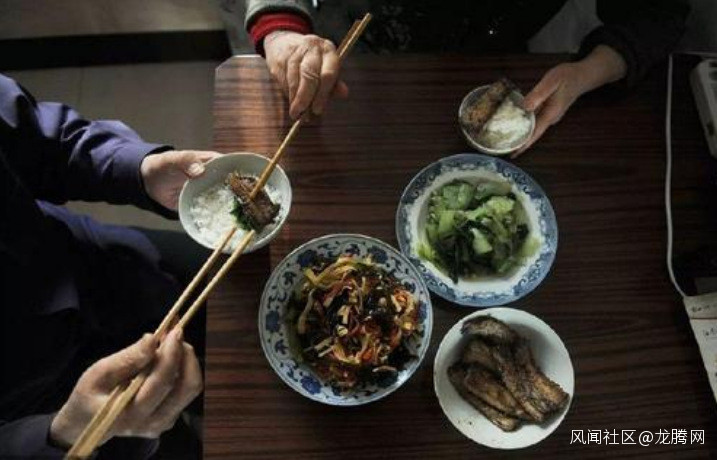
There are many reasons for it.One thing to note is that it’s a very nice gesture for someone to put food in your rice bowl for you. As part of the Chinese culture, everyone is usually accepting of it and it’s something done since birth. No one minds.When eating in Chinese culture, mostly everyone eats from the same dishes. Everyone had their own rice bowl, or eating bowl, but everyone shares the same dish plate. (example my pictures below)
原因有很多,需要注意的一點是,有人把菜夾到你的飯碗裏,是一種非常友好的姿態。作為中國文化的一部分,這通常是每個人都接受的行為,而且是從生下來就一直在發生的事情,沒人介意。在中國用餐時,大多數人吃的都是同一道菜。每個人都有自己的飯碗,或者説吃碗,但每個人都共享同一個菜盤。
One other reason to do it is so you are not reaching across the table over other dishes to get food. If it’s too far, someone directly to the side may help you or you can even lift your rice bowl and meet the other person half way. It’s just easier and more convenient if your table doesn’t have a spin thingy.
夾菜的另一個原因是,這樣你就不用把膀子伸到桌對面,去夾其他的菜。如果太遠了,坐在菜旁邊的人可能會幫你,或者你甚至可以舉起你的飯碗,伸過去接他人的菜。如果你的桌子沒有轉盤的話,這是個更簡單方便的辦法。
If someone respects you (as a foreigner), they’ll give you a better piece of food if they come across it. As a foreigner in China, mostly everyone I know always gave me the best cuts of meat. If there was a piece of chicken with no skin, no bone, just a huge breast-meat cut, that would always end up in my bowl.
如果有人表達對你的尊敬(作為外賓),他們會夾給你更好的菜。作為一個在中國的外國人,我認識的大多數人總是給我夾最好的切肉。如果有一塊雞肉沒有皮,沒有骨頭,只有一塊切開的巨大胸肉,那最後總是會出現在我的碗裏。
If you are of eastern culture yourself, someone else may give you the best piece of duck meat with the perfect amount of duck fat and crispy duck skin on it.It’s very polite in Chinese culture to give someone else the better food.I find it especially more common when eating hotpot. To make sure things don’t get overcooked, you want to take it out at the right time, so its easier to give to other people so you don’t hog all the foods.
如果你是東方人,別人可能會給你一塊最好的鴨肉,上面有完美的鴨脂和酥脆的鴨皮。在中國文化中,給別人更好的食物是非常有禮貌的行為。我覺得在吃火鍋的時候更常見。為了確保食物不會煮得過火,你要在合適的時間把它拿出來,這樣就更容易夾給別人吃了,你也不會把所有的食物都煮捲起來了。
The easiest thing to do to stop it is just saying no thanks/no thank you.In Chinese: bu 不 (pronounced boo - like a ghost) means no and xie xie 謝謝 (pronounced shye shye - or she-ye she-ye) means thank you. You should also wave your non-chopstick hand, waving it left to right as if you are washing a stain of an invisible glass window in front of you. This would also be a sign for no thanks.
要阻止這種行為,最簡單的方法就是説“不謝謝”。在漢語中:不(發音像boo一樣),是No的意思,謝謝(發音為Shye Shye-或者She-ye She-ye)的意思是Thanks。所以在中文裏,你可以這麼説。你還應該揮動你那隻不用筷子的手,從左向右揮舞,就像你在洗面前一扇看不見的玻璃窗上的污漬一樣。這也是一個表示婉拒的信號。