一分鐘閲讀挑戰:特朗普自傳《做生意的藝術》_風聞
云猜预测家-“超级预测者”的资讯站和训练营。2020-04-24 14:59
首發於微信:超級預測
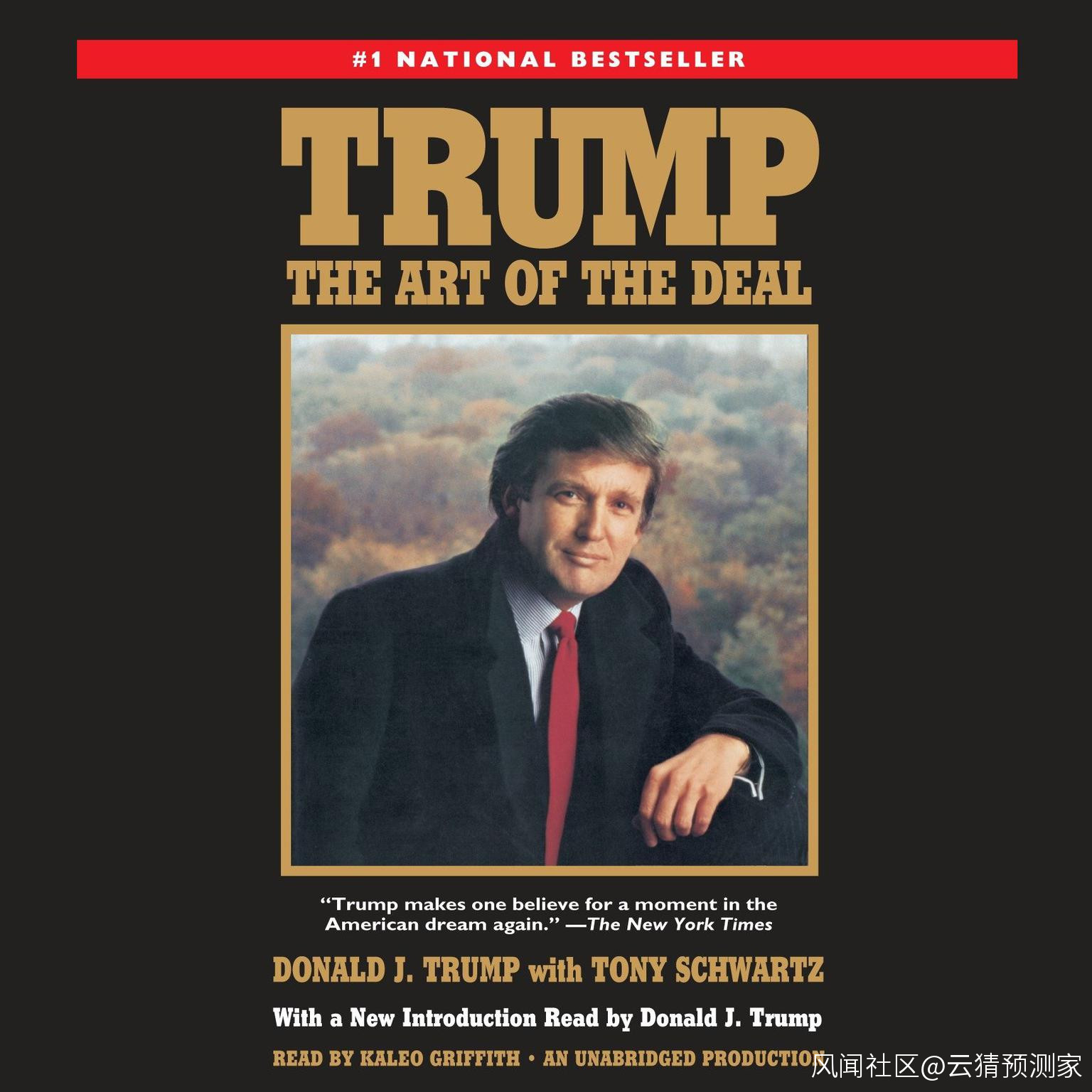
特朗普人生至今有三件事最讓他得意:
第一件,寫作《做生意的藝術》(或譯作《交易的藝術》);
第二件,主持NBC真人秀節目《誰是接班人》(The Apprentice) ;
第三件,當選美國總統。
**《做生意的藝術》****(The Art of Deal)**在1987年發行後不久便成為暢銷書,那年特朗普41歲。此書是詳述特朗普童年和早期的商業生涯的第一本書。
特朗普自己説,我一生最喜歡讀的一本書是《聖經》,第二本就是《做生意的藝術》。在這本書裏,他在吹噓成就的同時,還提出了11條“談判心法”。在特朗普看來,用此心法談判,可以做到無所不勝。
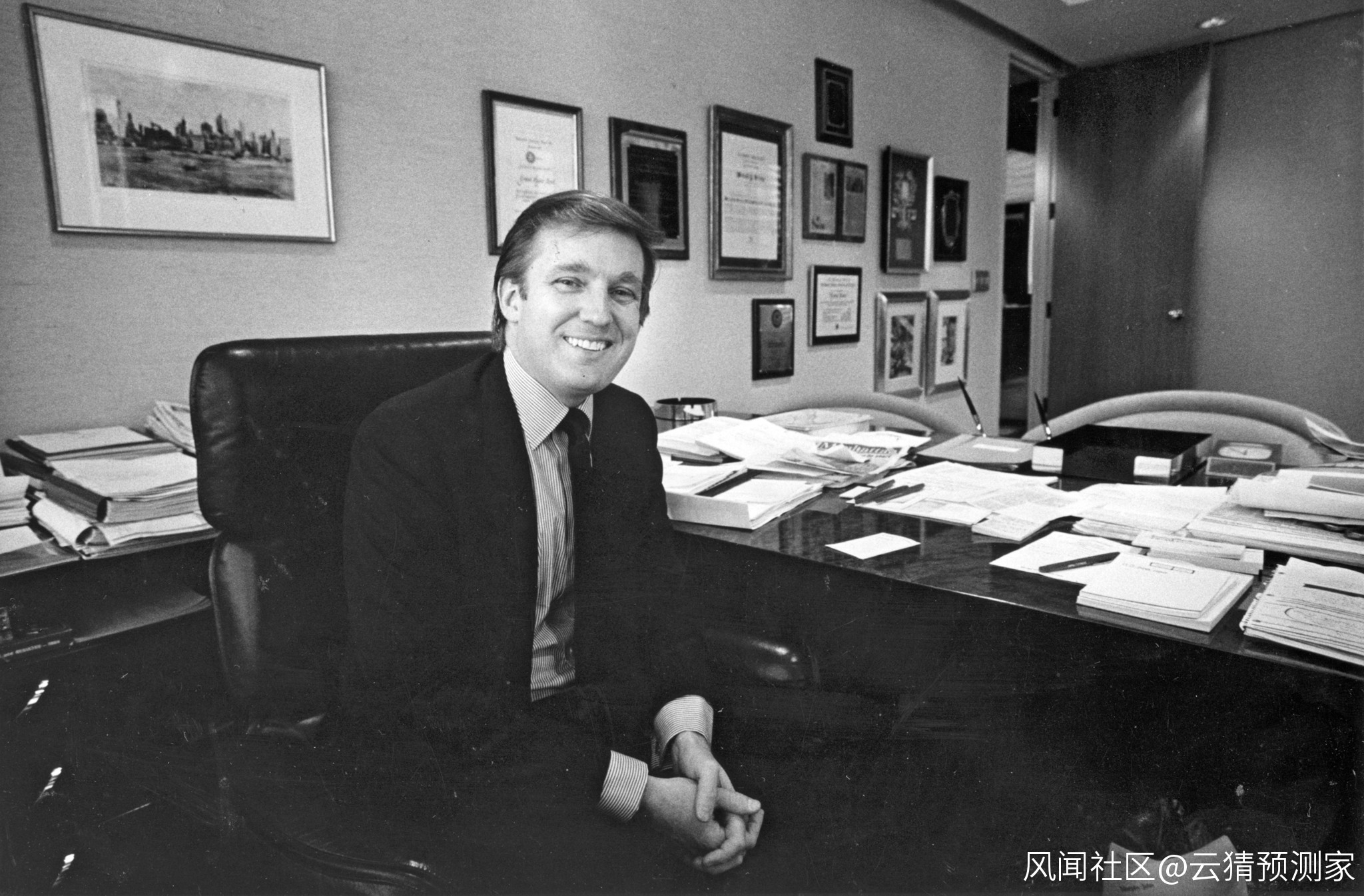
▷ 心法1,敢要價,要大價
特朗普説,他在思考的時候就像一個能夠控制自己的精神病患者。
“I like thinking big. I always have. To me it’s very simple: if you’re going to be thinking anyway, you might as well think big. Most of people think small because most people are afraid of success, afraid of making decision, afraid of winning. And gives people like me a great advantage.”
▷ 心法2,忍受最壞的,等着最好的
特朗普説,大家都認為他是一個賭徒,但其實,他從來沒賭過。
“People think I’m a gambler. I’ve never gambled in my life……I always go into the deal anticipating the worst. If you plan for the worst--if you can live with the worst--the good will always take care of itself.”
▷ 心法3,最大化各種可能性,讓子彈飛起來
要謀而後動,給自己更多的靈活性。
“I also protect myself by being flexible. I never get too attached to one deal or one approach…I keep a lot of balls in the air, because most deals fall out, no matter how promising they seem at first.”
▷ 心法4,切實瞭解你的市場
特朗普在作出一個決定前,會先問問每個人的意見。如果要買一塊地,他就要向住在這一地區周圍的人們打聽他們對於學校、商店或犯罪的看法。如果在另一個城市,他就叫輛出租車,他總是愛問出租車司機很多問題。
“I like to think that I have that instinct. That’s why I don’t hire a lot of number-crunchers, and I don’t trust fancy marketing surveys. I do my own surveys and draw my own conclusions.”
▷ 心法5,反覆無常,飄忽不定
生意場上,急於求成,孤注一鄭是最糟糕不過的,手段是最大的實力。手段就是需要,要讓對手感覺,你手裏有的是獨一無二的東西。
“The worst thing you can possibly do in a deal is seem desperate to make it. That makes the other guy smell blood, and then you’re dead.”
▷ 心法6,打鐵也需自身硬
通過自我增值,即使在逆風局下,也能將手中的爛牌打好。
“Perhaps the most misunderstood concept in all of real estate is that the key to success is location, location, location…First of all, you don’t necessarily need the best location. What you need is the best deal.”
▷ 心法7,宣傳、宣傳和宣傳
好酒不怕巷子深,前提是得懂得宣傳。虛張聲勢是一種真實的誇張,將帶來意想不到的好處。
“You can have the most wonderful product in the world, but if people don’t know about it, it’s not going to be worth much.”
▷ 心法8,有力反擊對手,掌握主動
“誰對我好,我也對他們好”,反之亦然。
“In most cases I’m very easy to get along with. I’m very good to people who are good to me. But when people treat me badly or unfairly or try to take advantage of me, my general attitude, all my life, has been to fight back very hard.”
▷ 心法9,光説不做假把戲
你可以製造刺激,可以做很棒的推廣,得到各種媒體的關注,你還可以加入一點誇張的成分,但不能只做這些。
“You can’t con people, at least not for long. You can create excitement, you can do wonderful promotion and get all kinds of press, and you can throw in a little hyperbole. But if you don’t deliver the goods, people will eventually catch on.”
▷ 心法10,控制成本,精打細算
每節約一塊錢,是增加一塊錢的利潤,而增加一塊錢的銷售,增加的利潤可能不到一毛錢。想盡辦法控制好每一個不必要的成本,這是產生利潤的最重要的來源。
“I believe in spending what you have to. But I also believe in not spending more than you should.”
▷ 心法11,樂在其中
在持久性的高壓下如何保持樂在其中的心態,非常重要。
“Money was never a big motivation for me, except as a way to keep score. The real excitement is playing the game.”
不過,《做生意的藝術》的合作者,記者託尼·施瓦茨(Tony Schwartz)卻希望停止它的出版,或將它重新歸類為虛構作品。施瓦茨曾表示,他在沒有特朗普幫助的情況下獨自完成了這本書。
特朗普對此予以否認。“託尼非常棒,他是合作者。他沒有寫這本書。我寫了這本書。這是我的書。它是一本頭號暢銷書,是有史以來最暢銷的商業書籍之一。有人説它在商業暢銷書史上空前絕後。”
施瓦茨一再對他在《做生意的藝術》中所扮演的角色感到後悔。2016年,他説:“我好像給一頭豬塗了口紅(put lipstick on a pig)。我深深地悔恨,因為我幫特朗普吸引了注意力,他的影響力越來越大,我助紂為虐。”