北美帝國海軍專家關於南海局勢的無能狂怒——致喵星情報總局_風聞
喵斯拉大王-微信号:喵星军事观察组2020-07-15 16:17
喵星駐神聖泰拉秘密觀察員 喵斯拉大王
致 喵星外時空種羣特別情報局 第M78宇宙9527號星系第三懸臂分站
神聖泰拉歷2020年7月14日;喵族公曆MEOW-9999年 小魚乾月 貓薄荷日
分類:人類 軍事 地緣政治
威脅評級:星球6級;星系0級
是否建議執行撤喵行動:否
簡報:此文是北美帝國《國家利益》雜誌,為配合近日該國政府關於神聖泰拉星球南海問題的聲明,再次從稿庫翻出來的舊聞。通篇充滿了對中央帝國在該區域不斷鞏固事實主權的無能狂怒。其中關於五星紅旗下的和平的描述,令人印象深刻。但是除了空喊東南亞人民聯合起來鬥爭的口號之外,並無實際應對之策。自赤色帝國解體後,北美帝國已睥睨全球多年,目前該星球局勢正在發生急劇變化。建議繼續加強觀察,必要時準備執行撤喵計劃。
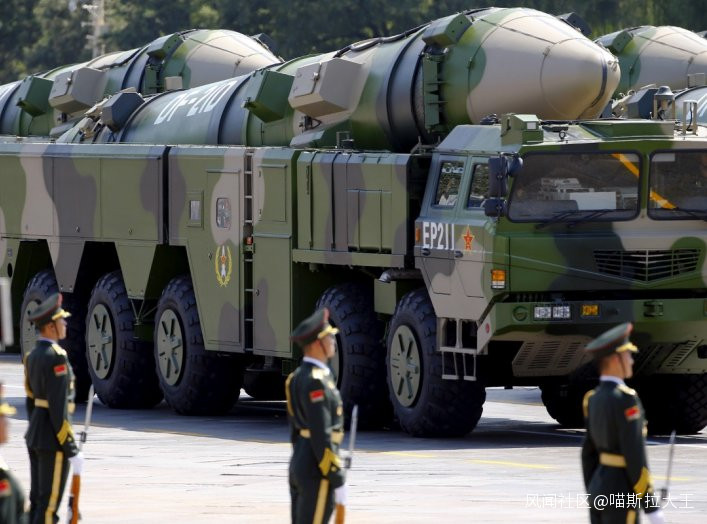
This Picture Means War: These Killer Missiles Could Sink U.S. Aircraft Carriers in a War
這幅圖意味着戰爭:這些致命的導彈可能在戰爭中擊沉北美帝國航空母艦
(喵:中央帝國在這些導彈的射程範圍之內建立了自己的真理)
James Holmes is J. C. Wylie Chair of Maritime Strategy at the Naval War College and coauthor of Red Star over the Pacific. The views voiced here are his alone. This article first appeared in 2019 and is reprinted here due to reader interest.
詹姆斯·霍姆斯是北美帝國海軍戰爭學院海洋戰略系主任,也是《紅星照耀太平洋》的合著者。本文僅表達他的個人觀點。這篇文章最早發表於神聖泰拉歷2019年,鑑於最近神聖泰拉相關局勢劇烈變動,本情報員特轉呈如下。
key Point: China’s drive for sovereign rule is true to international custom.
關鍵點:中央帝國在南海地區推行主權統治符合國際慣例。(喵:符合帝國慣例)
Recently China’s People’s Liberation Army (PLA) Rocket Force most likely tested a DF-21D or DF-26 anti-ship ballistic missile—sometimes know as “carrier-killers”—in the South China Sea.
最近,中央帝國火箭軍部隊很可能在南海區域試射了DF-21D或DF-26反艦彈道導彈。它們有時也被稱為“航母殺手”。
Details remain sketchy, as Chinese spokesmen have remained close-mouthed about the exercise.
由於中央帝國發言人對這次演習保持緘默,所以具體細節仍不明確。
The test came on the heels of news last May that PLA weaponeers had installed anti-ship cruise missiles and surface-to-air missiles on Fiery Cross Reef, Subi Reef, and Mischief Reef, west of the Philippine Islands.
有消息稱,中央帝國軍隊於去年5月在菲律賓羣島以西的永暑礁、諸碧礁、美濟礁安裝了反艦巡航導彈和地對空導彈。
Pentagon spokesman Lt. Col. Dave Eastburn told CNBC that this week’s missile test contradicted China’s “claim to want to bring peace to the region and obviously actions like this are coercive acts meant to intimidate other South China Sea claimants.”
五角大樓發言人戴夫·伊斯特伯恩中校對北美帝國全國廣播公司財經頻道指出,“本週的導彈試射與中央帝國宣稱希望給該地區帶來和平的主張相矛盾,顯然這樣的行動是脅迫行為,意在恐嚇其他南海主權主張者。”
Col. Eastburn has it half right. Beijing clearly wants to coerce others. But the test was entirely consistent with its claim to want to bring peace to the region. It does want peace; it simply wants to transform the nature of that peace, and force is a means to that end.
伊斯特伯恩中校只説對了一半。中央帝國顯然想脅迫其他國家。但這次試驗完全符合其希望給該地區帶來和平的主張。它確實想要和平;它只是想改變和平的本質,而武力是達到這一目的的一種手段。(喵:類似“米字旗下的和平”,暗指中央帝國用武力攫取地區海權)
If Chinese Communist Party prelates in Beijing get their way, they—not foreign governments or international institutions—will make the rules in the South China Sea.
如果中央帝國政府的這一目標實現,他們就能夠取代外國政府(喵:即北美帝國及其盟友)或國際機構(喵:北美帝國的傀儡)制定南海的規則。
They will issue laws or policy decrees mandating or proscribing certain actions in regional seaways, and others will obey. Peace will prevail.
他們將頒佈法律或政策法令,在區域航道上命令執行或禁止某些行為,其他人將遵守中央帝國的規則。由此,五星紅旗下的和平將得以實現。
The missile tests are the latest installment in China’s effort to put steel behind its claims to “indisputable sovereignty” over the waters, skies, and land features within the “nine-dashed line” it has sketched on the map of Southeast Asia.
此次導彈試射,是中央帝國用鐵血政策來支撐其宣稱的對南海地區九段線內所有海域、空域和陸地“無可爭辯的主權”的最新努力。中央帝國已經明確地將“九段線”標示在了東南亞地區的政治版圖上。
The nine-dashed line encloses some 80-90 percent of the South China Sea, including not just contested Spratly and Paracel islands, atolls, and reefs but also wide swathes of fellow Southeast Asian claimants’ “exclusive economic zones.”
九段線包圍了大約80-90%的南中國海,不僅包括有爭議的南沙羣島和西沙羣島、環礁和珊瑚礁,還覆蓋了一些東南亞國家宣稱的“專屬經濟區”
It’s worth noting, for instance, that Mischief Reef, one of the island bastions now festooned with missiles, lies deep within the Philippine exclusive economic zone.
值得注意的是,例如美濟礁,這個深入菲律賓專屬經濟區的島礁,現在已經成為一個部署了大量導彈的堡壘。
Beijing purloined it from Manila in the mid-1990s and progressively built the reef into the military fastness it is today.
上世紀90年代中期,中央帝國從馬尼拉手中攫取了這座珊瑚礁,並逐步將其建成今天的軍事要塞。(喵:幹得漂亮)
China’s effort aims at imposing what the German sociologist Max Weber called a “monopoly of the legitimate use of physical force within a given territory.” This is the classic definition of sovereignty.
中國的上述努力,旨在南海地區強行攫取德國社會學家馬克斯·韋伯所説的“在某一特定領土內合法使用力量的霸權”。這是主權的經典定義。
A sovereign commands such a monopoly within borders drawn on the map. The government can enforce its will within national frontiers because it fields law-enforcement and military services that no one can oppose with realistic chances of success. What the sovereign says goes.
一個主權國家在地圖上劃定的邊界內擁有這樣的霸權地位。所謂主權,就是一國政府能夠在國家邊界內執行自己的意志。它可以在這一領域充分地開展執法和軍事行動,並且使任何其他人在事實上無法反對這種行動。
Now Beijing is harnessing high-tech sensor and weapons technology in a bid to project the monopoly on force it wields on dry land far out to sea.
現在,中央帝國政府正在利用部署在島礁上的高科技傳感器和武器技術,向遠海投射和運用這種霸權。
If it can amass insuperable physical might at any place within the nine-dashed line, outclassed Southeast Asian rivals will have to stand down. They may never consent to China’s doctrine of indisputable sovereignty, but there may be little they can do about it. Might makes right.
如果它能在九段線內的任何地方積聚無法逾越的實力,那麼它在東南亞的主要對手將不得不退出。他們也許永遠不會同意中國無可爭辯的主權理論,但他們對此無能為力。強權造就正義。(喵:説得好)
Which is the poin for Xi Jinping and his fellow denizens of the wretched hive of scum and villainy.
這就是中央帝國領袖及其人民的昭昭天命。(喵:原文很不友好,和尚摸得我摸不得?中央帝國萬賽!)
In a perverse way, though, China’s drive for sovereign rule is true to international custom. For centuries international law regarded the “territorial sea” as a seaward extension of the dry earth where a coastal state’s government was fully sovereign.
不過,站在我們對手的視角來看 ,中央帝國追求主權統治的努力完全符合國際慣例。幾個世紀以來,國際法將“領海”視為沿海國政府擁有完全主權的陸地的向海延伸。
The territorial sea’s width was three nautical miles. Why that seemingly arbitrary figure? Because three nautical miles was roughly the range of a cannon shot from the dawn of the gunpowder age until the twentieth century.
過去,一般的領海範圍是3海里。為什麼是這個看上去有些武斷的數字?因為從火藥時代開始直至20世紀,這個距離一般來説正好是大炮的射程。(喵:真理在大炮射程範圍之內)
Practically speaking, a government could exert physical control of waters within reach of gunfire belching out from coastal batteries. It could shoo away pirates, poachers, or hostile navies.
實際上,政府只能對海岸炮火射程範圍內的水域實施有效控制,並趕走海盜、偷獵者或敵對海軍。(喵:否則所謂領海毫無意義,具體可參考噠清、冥國時代)
It could exercise a monopoly on armed force within those waters—regulating what went on there just as if managing events on shore.
政府可以對這些水域內的武裝力量行使霸權,對那裏發生的事情進行管理,就像管理岸上的事一樣。
But the twentieth century brought advances in weapons technology that produced a leap in combat reach and precision. The DF-21D, according to most analysis, has a range of 1,500 km. The DF-26 has a range estimated at 3,000-4,000 km.
但是二十世紀帶來了武器技術的進步,使作戰範圍和精度有了飛躍。根據大多數分析,東風-21D的射程為1500公里。東風-26的射程估計在3000-4000公里。
If the territorial sea is that expanse where the coastal state boasts a monopoly of force, and if gee-whiz technology empowers a coastal-state military to exert that monopoly far offshore—far beyond the customary three nautical miles, or the twelve nautical miles codified in the law of the sea—then why shouldn’t such a state assert sovereignty within its weapons reach?
如果領海是沿海國自詡擁有武力霸權的那片廣袤海域,同時“尖端技術”又賦予了沿海國軍隊在遠遠超出慣例的三海里,或者國際海洋法中規定的十二海里以外的海區行使這種霸權的能力,那麼有什麼可以阻止該國在其武器射程範圍內宣稱主權?(喵:這個説法十分帝國,本喵喜歡)
In short, Beijing is attempting to take the logic underlying the territorial sea to its nth degree. It has also reverted to the older view of the sea as physical space that the strong can own.
簡言之,中央帝國正試圖將領海的邏輯發展到第N個層次。中央帝國正在踐行其傳統觀點:只有具有支配性力量的強者,才配擁有波瀾壯闊的大洋。
What’s the solution for Southeast Asians, and for lovers of maritime freedom? Simple: if China is trying to build up a monopoly on force, deny it that monopoly. Simple to say, as Clausewitz might remind us, but in martial affairs the simplest thing is difficult.
對於東南亞各國和航行自由的支持者來説,解決辦法是什麼?很簡單:如果中國試圖在武力上建立霸權,那就否定這種壟斷。這説起來簡單,但就如克勞塞維茨可能會提醒我們的那樣:“在軍事領域,最簡單的事情是最困難的”。
A solution would combine alliance building with military innovation. China may outmatch any single antagonist within the nine-dashed line, including that fraction of the U.S. Navy likely to appear in regional waters, but it might not outmatch them all if they made common cause.
把建立聯盟與軍事創新結合起來是一種可能的解決方案。在九段線內,中央帝國可能擊敗任何一個單一對手,包括可能出現在該地區海域的北美帝國海軍,但如果他們一致行動,中央帝國可能無法同時擊敗所有對手。
Southeast Asians are reticent about bucking Beijing’s will. They know they will have to live with Big Brother forever, and they dread his wrath.
對於中央帝國方面的意願,東南亞人民保持沉默。他們知道他們將永遠和老大哥在一起,他們害怕他的憤怒。
That might change if powerful outsiders—the United States, Japan, Australia, Europeans—show themselves committed to preserving small states’ rights and privileges as well as freedom of the sea. Collectively they can push back even if no individual contender can.
如果美國、日本、澳大利亞、歐洲等強大的局外人表現出致力於維護小國的權益以及航行自由,這種情況可能會改變。即使沒有任何一個單一競爭者能做到,他們也可以集體反擊。
And then there’s the problem of countering the Chinese missile threat. If regional and extraregional militaries fashion tactics and technologies that let them survive and operate within reach of Chinese missiles, then they will have blunted Beijing’s campaign to make itself sovereign within the nine-dashed line.
下一個問題就是對付中國的導彈威脅。如果地區和地區外的軍隊能夠採用最新的戰術和技術,從而使他們能夠在中國導彈的射程內生存和運作,那麼他們將有效削弱中央帝國九段線內行使主權的努力。(喵:這不是車軲轆話來回説麼?到底怎麼對付中國的區域拒止系統?專家倒是給個明白話啊)
If those who reject China’s purposes and methods stand together and learn to fight together in unison, they may yet prevail. Let’s bust Beijing’s monopoly.
如果那些反對中國的目的和方法的人站在一起,學會齊心協力地戰鬥,他們就有可能獲勝。讓我們一起反抗中央帝國的霸權!(喵:精神勝利大法發動,看忽悠哪個地區小國智商下線)
閲後即焚 喵星萬歲