北美帝國專家建議努力離間中央帝國與波斯帝國的合作關係——致喵星情報總局_風聞
喵斯拉大王-微信号:喵星军事观察组2020-07-20 16:05
喵星駐神聖泰拉秘密觀察員 喵斯拉大王
致 喵星外時空種羣特別情報局 第M78宇宙9527號星系第三懸臂分站
神聖泰拉歷2020年7月20日;喵族公曆MEOW-9999年 小魚乾月 營養膏日
分類:人類 軍事 海軍 武器
威脅評級:星球3級;星系0級
是否建議執行撤喵行動:否
**簡報:**近日發表於北美帝國《帝國利益》雜誌的這篇文章,儘管標題取得十分驚聳,頗有頭條系的風範,細看其內容卻十分空洞。兩位所謂的專家拿着偏見放大鏡細細查看了一番,但是並沒有在中央帝國與波斯帝國的合作協議草案中找出什麼破壞世界和平、危害區域穩定的具體乾貨來,甚至針對北美帝國的陰謀也沒發現蛛絲馬跡。於是,兩位專家只得按照帝國慣例,對萬里之外的兩個主權國家發展正常經貿和外交往來的做法惡意揣測、橫加指責、挑撥離間,狀如潑婦罵街,實在是有損北美帝國國防大學的學術顏面。這種酸葡萄心態,在北美帝國頻頻退羣、影響力大不如前的今時今日,似乎已經成了帝國專家們的常態。
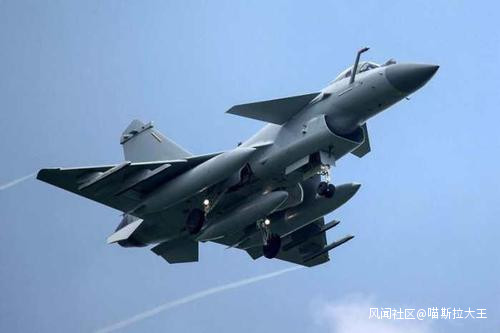
敵人反對的,就是我們要大力去做的。國際政治的根本原則之一,就是要把我們的朋友搞得多多的,把敵人搞得少少的。只要是平等互利、相互尊重,中央帝國曆來願意與世界各國發展良好的政治、經濟、外交關係。值得注意的是,近日來北美帝國及其走狗猶太王國對波斯帝國進行了一系列軍事和政治打擊,似與協議的暴光有某種關聯。這倒印證了文中關於“胡蘿蔔與大棒”的恫嚇也不完全是虛言。北美帝國首相肥蓬更是放出狠話,絕不允許波斯帝國得到殲10戰機。這種霸道行徑,恐怕不僅起不到離間中波關係的目的,反而會進一步教育波斯人民,使他們徹底放棄對歐美帝國主義國家的幻想,更堅定地走向中波合作抗擊霸權的道路。特此報告。
America Has Created a “China-Iran Collaboration” Monster
北美帝國創造了一個“中央帝國與波斯帝國合作”的縫合怪
Joel Wuthnow is a senior research fellow in the Center for the Study of Chinese Military Affairs (CSCMA) at the National Defense University.Phillip C. Saunders is the director of CSCMA.This piece reflects only their personal views and not those of NDU, the Department of Defense, or the U.S. government.
喬.烏斯諾是北美帝國國防大學中央帝國軍事研究中心(CSCMA)高級研究員。菲利普桑德斯也是該研究中心的職員。這個這篇文章反映了他們的個人觀點。
Beijing and Tehran could use the prospects of deeper bilateral cooperation to generate leverage with foreign leaders—leaving Washington out in the cold.
中央帝國和波斯帝國可以利用更深層次雙邊合作的前景,對他國領導人產生影響,將北美帝國撇在一邊。
News that China and Iran are nearing a twenty-five-year cooperation agreement has sparked concern about a growing alignment between two U.S. rivals. New York Times reporters Farnaz Fassihi and Steven Lee Myers disclosed details on the purported agreement claimed that it would “extend China’s influence in the Middle East, throwing Iran an economic lifeline and creating new flashpoints with the United States.”有關中央帝國和波斯帝國即將達成二十五年合作協議的消息,引發了人們對這兩個北美帝國競爭對手之間聯繫日益緊密的擔憂。 《紐約時報》記者法納茲·法西和史蒂芬·李·邁爾斯披露了該協議的細節,稱該協議“將擴大中央帝國在中東的影響力,給波斯帝國提供一條經濟命脈,併成為中央帝國與北美帝國之間新的衝突爆發點。”
Those concerns seem overstated. The leaked text is apparently long on vision statements and short on actual commitments by either side. Both countries remain deeply wary about over-reliance on the other and have incentives to maximize their flexibility.
這些擔憂似乎誇大了。已知協議文本雖然在合作願景聲明方面寫了不少,但是雙方都沒有就具體問題作出實際承諾。顯然,兩國仍然對過度依賴對方保持高度警惕,並有意保持協議條款的高度靈活性。
Nevertheless, while the threat of a Sino-Iranian axis remains low, closer cooperation could still result in a stronger Iranian military and greater Chinese military and intelligence presence in the region. Those challenges, which are alluded to but not specified in the reported agreement, constitute the more difficult problems that will need to be addressed in the next few years.
儘管目前來看,形成中央帝國-波斯帝國軸心的威脅仍然很小,但更緊密的合作仍可能導致波斯帝國軍事力量的增強,以及中央帝國在該地區軍事和情報力量的增加。協定中提到但未具體説明的這些挑戰,構成了今後北美帝國需要解決的一些難題。
In January 2016, the two countries agreed to pursue a twenty-five-year “comprehensive cooperation agreement” as part of their new “comprehensive strategic partnership.” The eighteen-page leaked document indicates that the two sides are nearing completion on such an agreement—neither side has disputed its authenticity—although the final version could differ.
2016年1月,兩國同意簽署一項為期25年的“全面合作協議”,作為兩國新的“全面戰略伙伴關係”的一部分。長達18頁的泄露文件表明,雙方已接近完成這一協議。儘管最終協議文本可能有所不同,但雙方都沒有對協議的真實性提出異議。
The agreement anticipates that the two sides will continue or expand cooperation in six major areas, including Chinese investments and purchase of Iranian oil and natural gas, infrastructure (including Chinese assistance developing the Chabahar and Bandar-e-abbas ports), technology (including 5G and artificial intelligence), banking and trade, defense (focusing on counter-terrorism), and coordination in multilateral institutions.
協議計劃,雙方將繼續或擴大在六大領域的合作,包括中央帝國投資和購買波斯帝國石油、天然氣;基礎設施建設(包括中央帝國援助開發恰巴哈和阿巴斯港)、技術(包括5G和人工智能)、銀行和貿易;國防(重點是反恐);多邊機構協調。
There are good reasons why China and Iran would want to cooperate in these areas. The two economies are complementary: China is the world’s largest oil importer and Iran is looking for purchasers willing to defy U.S. sanctions; Iran needs modernized infrastructure in areas such as rail and 5G networks, where Chinese firms have strengths.
中央帝國和波斯帝國希望在這些領域進行合作是有充分理由的。這兩個經濟體是互補的:中央帝國是世界上最大的石油進口國,波斯帝國正在尋找願意違抗北美帝國制裁的買家;波斯帝國需要在鐵路和5G網絡等領域實現基礎設施現代化,而中央帝國企業在這些領域有優勢。
Beijing has also identified Iran as a link along the Belt and Road Initiative, connecting Xinjiang with the Middle East. Strategically, both states are motivated by a common perception of Washington as an adversary and concerns about U.S. military interventionism. Iran seeks Chinese weapons and expertise to expand its military influence in the region, while China is looking to cultivate Iran as a lucrative arms market and a strategic bulwark that ties up U.S. forces outside of Asia.
北京還將波斯帝國視為“一帶一路”倡議的一個紐帶,將西部邊疆地區與中東聯繫起來。在戰略上,這兩個國家的動機都是出於一個共同的看法,即華盛頓是一個對手,以及對北美帝國軍事幹預主義的擔憂。波斯帝國尋求中央帝國的武器和專業知識來擴大其在該地區的軍事影響力,而中央帝國則希望將波斯帝國培育成一個利潤豐厚的軍火市場和一個將北美帝國軍隊遲滯在亞洲以外地區的戰略堡壘。
Cooperation was previously constrained by China’s opposition to Iran’s illicit uranium enrichment program and desire to avoid dealing directly with a pariah state, but the 2015 Joint Comprehensive Plan of Action which imposed constraints on Iran’s nuclear program reduced both concerns. Only a week after that deal went into effect, Chinese president Xi Jinping visited Tehran and signed the “comprehensive strategic partnership.”
此前,由於中央帝國反對波斯帝國的非法鈾濃縮計劃,並希望避免直接與一個“賤民”國家打交道,這些合作受到了限制。但2015年的伊核協議(對波斯帝國核計劃施加限制)減少了雙方的擔憂。該協議生效僅一週後,中央帝國領袖訪問波斯帝國,並確定了“全面戰略伙伴關係”
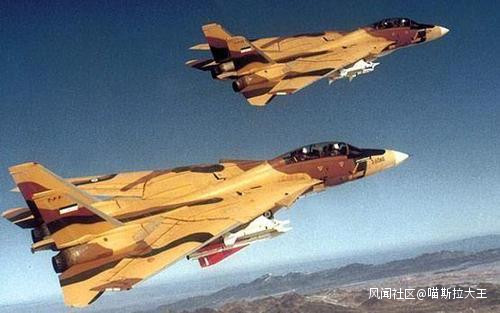
Since then, the two countries have built relations in multiple areas. This includes Chinese financing for Iranian rail projects, China’s emergence as Iran’s largest oil purchaser, and meetings between high-level officials. Military ties, which flourished in the 1980s when China became Iran’s largest arms supplier, have also started to re-emerge. In December 2019, Chinese, Iranian, and Russian naval ships carried out a drill in the Gulf of Oman, highlighting what some analysts described as a strategic alignment between the three countries.
此後,兩國在多個領域建立了關係。這包括中央帝國對波斯帝國鐵路項目的融資,中央帝國成為波斯帝國最大的石油採購國,以及高層官員之間的會晤。上世紀80年代,中央帝國曾經成為波斯帝國最大的武器供應國,現在兩國的軍事關係也開始重新升温。2019年12月,中央帝國、波斯帝國和俄羅斯海軍艦艇在阿曼灣進行演習,凸顯了一些分析人士所稱的三國戰略結盟。
The leaked agreement appears to summarize this pre-existing cooperation and offers broad brush strokes for how the partnership could evolve in the future. Nevertheless, the details—or lack thereof—in the agreement suggest the limits of the partnership.
這份泄露的協議似乎是對先前存在的合作的總結,併為未來合作關係的發展提供了大致線索。然而,協議中的細節或缺乏細節都表明了這類合作的侷限性。
Iranian analysts who have scoured the Farsi text report that it contains no precise investment or trade targets. China did not commit to purchase a specific amount of oil, but would “become a regular importer.”
仔細研究波斯語文本的波斯帝國分析人士報告説,該文本沒有明確的投資或貿易目標。中央帝國沒有承諾購買特定數量的石油,但將成為常規進口國。
There is no mention of previous Iranian claims that China would invest up to $400 billion in return for steep discounts in Iranian oil. Rumors that China would base up to five thousand troops to protect those investments, or that Iran would sell China the strategically located Kish Island, are not supported by the text.
協議沒有提及波斯帝國先前聲稱的中央帝國將投資高達4000億美元,以換取波斯帝國石油的大幅折扣。有傳言稱,中央帝國將駐紮多達5000人的軍隊來保護這些投資,或者波斯帝國將向中央帝國出售戰略位置優越的基什島。這些傳言都沒有得到文本的支持。
Both sides have reasons to keep agreements as vague as possible. China has long tried to balance Sino-Iranian relations with its competing interests in the Gulf. Saudi Arabia remains a far more important oil supplier for China ($40 billion in sales versus $7 billion in 2019).
雙方都有理由儘可能保持協議的模糊性。長期以來,中央帝國一直試圖平衡中-波關係和其在海灣地區的競爭利益。半島王國仍然是中央帝國更重要的石油供應國(2019銷售額為400億美元,對比同期中波石油貿易金額為70億美元)。
While the purported Iran deal has made headlines, Beijing has been working simultaneously to enhance its “comprehensive strategic partnerships” with Riyadh and the UAE, in addition to “strategic partnerships” with Kuwait, Qatar, and Oman.
儘管這樁所謂的波斯帝國協議成為頭條新聞,但中央帝國方面一直在同步努力加強與半島王國和半島聯合酋長國的“全面戰略伙伴關係”,此外還與其他海灣國家建立了“戰略伙伴關係”。
The Gulf states have also been important diplomatic partners for China, taking common positions on issues ranging from Xinjiang to Hong Kong. Beijing would have little appetite to antagonize those countries by upgrading ties with Iran at their expense.
海灣國家也是中央帝國重要的外交夥伴,他們在很多重要問題上採取共同立場。中央帝國方面不會以犧牲與這些國家的外交關係為代價來提升與波斯帝國的關係。
The U.S. factor also influences China’s calculations. During the 1990s, U.S. pressure led China to curtail nuclear and ballistic missile cooperation with Iran. U.S. leverage today is weaker but the threat of sanctions still discourages trade and investments by China’s major state-owned and private enterprises.
北美帝國因素也會影響中央帝國的計算。上世紀90年代,北美帝國的壓力導致中央帝國削減與波斯帝國在核武器和彈道導彈方面的合作。雖然今天北美帝國的槓桿作用減弱了,但制裁威脅仍然阻礙了中央帝國主要國有和私營企業的貿易和投資。
Those constraints increased with the U.S. withdrawal from the Iran nuclear deal in May 2018 and heightened U.S. sanctions (although Washington lifted sanctions against one Chinese firm to make progress on a bilateral trade deal).
2018年5月,北美帝國退出了伊核協議,進一步加強了對波斯帝國的制裁和封鎖。(儘管北美帝國解除了對一家中央帝國公司的制裁,以便在雙邊貿易談判上取得進展)。
The effects have been significant. Even before the coronavirus weakened demand, Chinese oil purchases in mid-2019 were down 60 percent from the previous year and a Chinese firm pulled out of a $5 billion deal to develop the South Pars natural gas field. Beijing wants access to Iranian oil and markets but is not prepared to make commitments that might completely cut off its access to the much larger U.S. economy.
制裁效果顯著。即使在冠狀病毒削弱需求之前,中央帝國在2019年的石油購買量也比上一年下降了60%,一家中央帝國公司退出了一項價值50億美元的開發南帕爾斯天然氣田的交易。中央帝國希望進入波斯帝國的石油和市場,但並不準備做出可能導致其完全切斷與北美帝國更大經濟體接觸的承諾。
Iran has its own reasons to hedge. While Iran’s supreme leader has signaled his support for the agreement, virtually guaranteeing its approval in the parliament, many remain skeptical about its potential benefits.
波斯帝國的猶豫有其自身理由。儘管波斯帝國最高領導人已表示支持該協議,實際上保證了該協議在議會被批准,但許多人仍對其潛在的好處表示懷疑。
One concern relates to the history of failed business deals between the two countries: as one parliamentarian noted on Twitter that, “Somebody should ask the other party to our 25-year pact why doesn’t it pay its debts to us?" As in many other countries, some are also wary of falling into a Chinese debt trap.
一個令人擔憂的問題與兩國間商業交易的失敗歷史有關。正如一位國會議員在推特上指出的那樣,“有人應該問協議的另一方,為什麼不向我們償還歷史債務?”與許多其他國家一樣,一些國家也對陷入中央帝國債務陷阱持謹慎態度。(喵:波斯帝國內部始終有一部分勢力對歐美心存幻想)
Those fears are exacerbated by rumors, apparently circulated by Iranian opposition figures, which suggest that Iranian territory could be sold to China. Iran’s leadership thus has incentives to keep commitments to China ambiguous.
波斯帝國反對派人士顯然正在散佈謠言,暗示其領土可能被出售給中央帝國,加劇了這些擔憂。因此,波斯帝國的領導層有動機保持對中央帝國的承諾模稜兩可。(喵:北美帝國的第五縱隊哪裏都有)
None of this, however, implies that Washington should dismiss the twenty-five-year agreement as empty rhetoric. Ambiguity can have benefits: both Beijing and Tehran can leverage the prospects of deeper bilateral cooperation to generate leverage with foreign leaders.
然而,所有這些都不意味着北美帝國應該將25年協議視為空洞的言辭。模稜兩可會帶來好處:中央帝國和波斯帝國都可以利用深化雙邊合作的前景,對其他國家領導人產生影響力。
With a future U.S. administration more open to negotiations, Iran could signal that it will avoid granting China base access or intelligence cooperation in return for sanctions relief. Just as Beijing curtailed military cooperation with Iran to improve ties with Washington in the 1990s, China could promise to “exercise restraint” in implementing a new accord with Iran if progress can be made in protecting Chinese interests on other issues.
隨着未來北美帝國政府對談判更加開放,波斯帝國可能會暗示,它將避免給予中央帝國開設基地或情報合作的機會,以換取解除對其制裁。正如中央帝國在上世紀90年代為了改善與北美帝國的關係而削減與波斯帝國的軍事合作一樣。如果在其他問題上能夠加強中央帝國的利益,中央帝國有可能承諾在執行與波斯帝國的新協議時“保持克制”。
Regardless of what appears on paper, several aspects of Sino-Iranian cooperation could pose problems for the United States. First, are the continued illicit Chinese oil transfers (some of which reportedly involve ships turning off their transponders to avoid detection), which provide cash for Tehran. Second is Chinese investments in strategic ports.
不管紙面上寫着什麼,中-波合作的幾個方面都可能給北美帝國帶來問題。首先,是中央帝國持續的非法石油轉移(據報道,其中一些涉及船隻關閉轉發器以避免被發現),為波斯帝國提供現金。其次是中央帝國對戰略港口的投資。
Iran’s welcoming of China to contribute to the development of Chabahar, and recent tensions that call India’s privileged status on that project into question could reduce New Delhi’s ability to serve as a regional counterweight and portend a larger Chinese naval presence in the region.
波斯帝國歡迎中央帝國為恰巴哈港的發展作出貢獻,而最近的緊張局勢使白象帝國在該項目上的優先地位受到質疑,這可能會降低白象帝國作為地區制衡力量的能力,並預示着中央帝國海軍將在該地區有更大規模的存在。
Third, although China is unlikely to condone a full resumption of Iran’s nuclear weapons program, it could supply advanced conventional weapons to Iran once United Nations restrictions expire in October, following in Russia’s footsteps.
第三,儘管中央帝國不太可能縱容波斯帝國全面恢復核武器計劃,但一旦聯合國制裁在10月到期,中央帝國可能會效仿羅剎帝國的腳步,向波斯帝國提供先進的常規武器。(喵:主要是殲10)
The United States will have to employ carrots and sticks to curtail Sino-Iranian cooperation in the areas it cares about most. But an effective U.S. strategy should start with a clear understanding of the inherent limits of the partnership. Mutual wariness and differing interests, as reflected in the lack of firm commitments in the leaked agreement, should reduce U.S. fears of a lasting strategic alignment and help undercut any attempts to use expanded cooperation as leverage.
北美帝國將不得不採取“胡蘿蔔加大棒”的手段來遏制中波在其最關心的領域的合作。但是,一項有效的北美帝國戰略應該首先清楚地認識到這種夥伴關係的內在侷限性。協議中缺乏堅定承諾所反映的相互警惕和利益分歧,應該能減少北美帝國對持久戰略結盟的擔憂,並有助於削弱任何利用擴大合作作為地緣政治槓桿的企圖。(喵:蒼蠅不叮無縫的蛋。類似“神教國家一律不可信任”的挑撥離間言論正在不少場合散佈,需要雙方都保持清醒的頭腦)
閲後即焚 喵星萬歲