揭批馬克.彭沛傲:野心家、陰謀家、兩面派 ——兼談北美帝國內部的外交路線鬥爭問題_風聞
喵斯拉大王-微信号:喵星军事观察组2020-07-28 19:38
(保羅希爾的這篇文章真是老太太的裹腳布又臭又長,但是熬過了他那裝腔作勢的文風,大家細細品味,還是能看出不少乾貨的。有興趣的朋友建議好好讀一下原文。我基本上工作日每天翻譯或寫一篇文章,週末不一定。喜歡的朋友可以關注我下)
揭批馬克**.**彭沛傲:一個典型的資產階級野心家、陰謀家、兩面派
——兼談北美帝國內部的外交路線鬥爭問題
喵星駐神聖泰拉秘密觀察員 喵斯拉大王
致 喵星外時空種羣特別情報局 第M78宇宙9527號星系第三懸臂分站
神聖泰拉歷2020年7月28日;喵族公曆MEOW-9999年 小魚乾月 化毛膏日
分類:人類 地緣政治 人物觀察
威脅評級:星球1級;星系0級
是否建議執行撤喵行動:否
簡報:
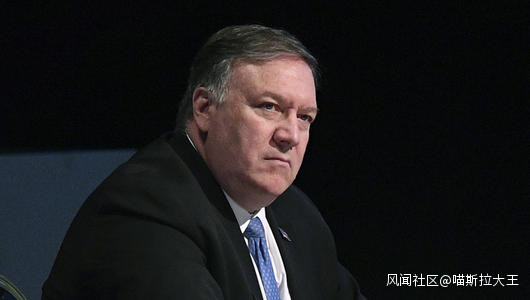
馬克. 彭沛傲,意大利裔移民出身,現任北美帝國國務卿。
考察彭沛傲的人生軌跡,起點並不高,卻憑自己的努力考入名校,投身軍旅,自主創業,投靠財閥,當選議員,執掌CIA,成為國務卿,硬是闖出了一條標準的資產階級政客發跡之路。客觀來説,彭沛奧先生的意志不可謂不堅定,能力不可謂不出眾,頭腦不可謂不高超,手段不可謂不毒辣,簡直就是一部勵志劇的男主角。
可就是這麼一位人生經歷極端豐富的大人物,留給世界人民的第一印象卻往往是濃郁的西西里匪氣。他明明城府頗深,卻偏偏要把自己打扮成一個敢打敢拼的鬥將角色,甚至有時候故意在公眾場合口不擇言瞎説大實話。他明明心狠手辣滿嘴謊言,卻偏偏要每週上教堂塑造一個傳統虔誠基督徒的假象。有時,彭沛奧先生甚至不惜以小丑弄臣的面具來掩蓋自己的真面目,還落了一個“肥彭”的搞笑匪號。
所謂欲蓋彌彰,彭沛傲先生種種違反常識的表演,在明眼人看來恰恰暴露了他不甘久居於人下的本性。他雖然憑着馬屁功夫了得和為人做事毫無底線,一時成功地矇蔽了北美帝國英明的大統領閣下,卻還是在最近露出了狼子野心的馬腳。
7月23日,他在尼克松圖書館公然僭越發表演説,模仿另一個胖子野心家的鐵幕演説大放厥詞,其調子之高,用力之猛,大有炸平國會山,停止地球轉動之勢。更有甚者,彭沛傲把自尼克松前大統領以來歷屆北美帝國政府的對華外交政策説成一團漆黑。拿中央帝國的老話來説,這是要拔掉北美帝國的政治正確紅旗,是要獨樹一幟踩着外交界元老們的頭頂向上爬,是要用前輩們的名譽染紅自己的頂子。彭沛傲選擇尼克松圖書館發表這樣的講話,那真是在帝國元老們的墳頭蹦迪,公然欺負死人不會説話,充分暴露了其人品之低劣,手段之卑鄙。從結果來看,彭沛傲雖然留下的是挑動世界衝突的罵名,卻也成功煽動起一些反華分子的情緒,很是撈取了一些政治資本。
是可忍孰不可忍。彭沛傲之流公然與大統領爭奪民心,不顧國家利益為私人撈取政治資本,如此貪天之功為己功,到了罔顧事實不顧公義的地步,簡直無恥之尤。不僅是民主黨政敵,就連共和黨內的同僚重臣都為之側目。彭沛傲一貫老奸巨猾,善於偽裝,這次之所以跳到聚光燈下自我暴露,實在是因為他的政治野心已經急不可待,更兼自我感動過了頭,想當拯救自由世界聖人的慾望過於迫切。説到底,彭沛傲最終還是被名譽地位迷了心竅。
彭沛傲此次演出用力過猛,樹敵過多,已經引起了北美帝國政界的反感和警惕。針對彭沛傲的一系列言論,北美帝國情報界元老保羅.希爾於日前在在《帝國利益》雜誌刊髮長文。該文雖然免不了慣例,對中央帝國進行了一番抹黑,卻都是一些老生常談的場面話。文章的重頭部分,在於揭批彭沛傲作為北美帝國首席外交官的外行言論,其火力之猛言辭之烈,甚至到了逐段逐句一一駁斥其自相矛盾痴心妄想之處的地步,完全就是指着彭沛傲的鼻子在罵他無知無能禍國殃民,充分體現了一個資深專業人士對彭沛傲之流政客的深深蔑視,看來希爾老先生是動了真火的。
彭沛傲此人才華出眾,人品卻十分低下,又善於自我偽裝,是一個標準的權奸。他對中央帝國人民而言自然是一個十分危險的敵人,對北美帝國特別是其大統領而言,同樣是一條潛伏在身邊的毒蛇。不過,此次彭沛傲國務卿的自我暴露,以及其政敵的反撲,卻為我們揭開了北美帝國高層內部對華戰略領域兩條路線仍在激烈交鋒的一角內幕。
細讀希爾先生的文章,我們不難看出,不論是以彭沛傲為首的激進對抗派,還是以保羅希爾這樣的資深外交和情報專家為代表的傳統穩健派,在反華這個大方向是完全一致的。兩條路線的不同之處在於,前者主張用外部壓迫和武力手段逼迫中央帝國在短時期內實現政權更替,而後者主張繼續實行和平演變的老套路。這套把戲,大約類似於當年日本帝國主義內部的對華緩和派和對華侵吞派之爭。
希爾先生在文中明確表達,北美帝國對華政策的終極目的是顛覆政權(要害見正文劃線部分),他只是覺得目前實力不夠時機不到,對彭沛傲肆無忌憚地言論可能激起中央帝國人民反感和國際輿論反彈十分擔憂,對激進派一些不顧事實異想天開的政策十分鄙視。他認為,應該繼續祭起欺騙的武器來矇蔽世界,不受意識形態干擾務實地開展反華融華外交。
針對北美帝國高層的這些情況,中央帝國作為其即定的冷戰對手,一方面要對其反華戰略的高度一致性保持清醒頭腦,堅決地執行我們自己的鬥爭路線,切不可對所謂的“知華派”心存幻想;另一方面也不妨在具體事務性工作中嘗試採用一些策略手段,激化和利用敵人的內部矛盾,在敵強我弱的形勢下爭取更多的發展時間。特此報告。
Paul Heer is a Distinguished Fellow at the Center for the National Interest and a Non-Resident Senior Fellow at the Chicago Council on Global Affairs. He served as National Intelligence Officer for East Asia from 2007 to 2015. He is the author of Mr. X and the Pacific: George F. Kennan and American Policy in East Asia (Cornell University Press, 2018).
作者保羅·希爾是帝國利益研究中心的傑出研究員,也是芝加哥全球事務委員會的非常駐高級研究員。2007年至2015年,他擔任東亞國家情報官員。此前不久,他剛剛發表了《關閉中央帝國總領館,大統領考慮過後果嗎?》一文,對大統領的外交政策進行了抨擊。
Mike Pompeo Challenges China’s Governing Regime
馬克·彭沛傲正在挑戰中央帝國的統治體制
The Secretary of State’s approach to Beijing risks confirming its suspicions about U.S. subversion while simultaneously alienating the very Chinese people that he aspires to “engage and empower.”
摘要:國務卿對中央帝國的態度有可能證實其對北美帝國顛覆行為的懷疑,同時也疏遠了他渴望“參與並賦權”的中央帝國人民
Secretary of State Mike Pompeo delivered a speech on the Trump administration’s China policy at the Richard Nixon Presidential Library on July 23. It was the culmination of a series of speeches on the subject over the past several weeks by National Security Advisor Robert O’Brien, FBI Director Christopher Wray, and Attorney General William Barr.
北美帝國國務卿彭沛傲7月23日在理查德·尼克松總統圖書館就現政府的對中央帝國政策發表演講。過去幾周,北美帝國國家安全顧問羅伯特·奧布萊恩、聯邦調查局局長克里斯托弗·雷伊和司法部長威廉·巴爾就這一主題發表了一系列演講。國務卿的演講使其達到了高潮。
Pompeo confirmed he had orchestrated the speeches and explained that their purpose was “to make clear the threats to Americans that President Trump’s China policy aims to address, and our strategy for securing our freedoms.”
**彭沛傲證實他策劃了這些演講,**並解釋説,演講的目的是“闡明帝國大統領為應對北美帝國人民受到的威脅而正在實施的對華政策,以及保障帝國自由的戰略”
In many respects, Pompeo’s speech—like its predecessors—correctly identified many of the profound strategic challenges that China poses to the United States. Beijing has become increasingly competitive and assertive in its international pursuit of power, wealth, and strategic influence.
在許多方面,彭沛傲的講話和前任一樣,正確地指出了中央帝國對北美帝國構成的許多深刻的戰略挑戰。在追求權力、財富和戰略影響力方面,中央帝國的國際競爭力和獨斷性越來越強。
In that pursuit, it has engaged in economic and military coercion, vituperative diplomacy, unfair trade practices, disregard of many elements of international law, and cyber theft and other forms of espionage aimed at acquiring trade and technology secrets.
在這方面,它進行了經濟和軍事脅迫、謾罵外交、不公平貿易做法、無視大量國際法、網絡盜竊和旨在獲取貿易和技術秘密的其他形式的間諜活動。
Moreover, China has used extensive propaganda and influence operations—both overt and covert—to advance Beijing’s global agenda. In these efforts, Beijing has attempted to exploit opportunities afforded it by the openness of the U.S. system—all while tightening authoritarian controls over China’s own system, and continuing its assault on the human rights of the Chinese population.
此外,中央帝國還通過公開和秘密的廣泛宣傳和影響行動來推進其全球議程。在這些努力中,中央帝國試圖利用北美帝國體制的開放所提供的機會,同時加強對中央帝國自身制度的威權控制,並繼續侵犯中央帝國人民的人權。(喵:以上全部抹黑言論,都是顛倒黑白。諷刺的是,把北美帝國和中央帝國在這些言論中的位置換一換,就是對北美帝國霸權行徑和對內鎮壓的最好揭露。)
But Pompeo framed the challenge from China, and the requisite American response, in some terms that are both tenuous and historically inaccurate. He started, somewhat awkwardly, given that he was speaking at the Nixon Library, by mischaracterizing Nixon’s approach to China and mildly chastising the former president for that approach.
**但彭沛傲提出的來自中央帝國的挑戰,以及北美帝國必要的回應,在某些方面既脆弱又不準確。**演講一開始時,他就錯誤地描述了尼克松對中央帝國的態度,並對前總統的這種做法進行了温和的批評。這有點尷尬,因為他是在尼克松圖書館發表講話的。
To be fair, Pompeo said Nixon “did what he believed was best for the American people at the time” and “deserves credit for realizing that China was too important to be ignored.” But Pompeo repeated the Trump’s administration’s mantra that “the engagement strategy”—which he credits Nixon for launching—has been a total failure because it “presumed that as China became more prosperous, it would become freer at home, and friendlier abroad” and “has not brought the kind of change in China that President Nixon hoped to induce.”
説句公道話,彭沛傲説,尼克松“做了他認為對北美帝國人民最有利的事”,“認識到中央帝國太重要而不能被忽視,這值得稱讚”。但彭沛傲重申了現政府的口頭禪,即他認為尼克松發起的“接觸戰略”是完全失敗的,因為它“假設隨着中央帝國變得更加繁榮,它在國內會變得更自由,在國外會變得更友好”,而且“並沒有給中央帝國帶來尼克松總統希望誘導的那種變化。”(喵:和平演變的春秋大夢早就該醒了,指望中央帝國變成赤色帝國第二,那是痴人説夢)
To make this point, Pompeo invoked Nixon’s famous 1967 article in the journal Foreign Affairs (“Asia After Vietnam”), in which he asserted:
“The world cannot be safe until China changes. Thus our aim, to the extent that we can influence events, should be to induce change. The way to do this is to persuade China that it must change; that it cannot satisfy its imperial ambitions, and that its own national interest requires a turning away from foreign adventuring and a turning inward toward the solution of its own domestic problems.”
為了説明這一點,彭沛傲援引了尼克松1967年在《外交事務》雜誌上發表的著名文章(越南戰爭之後的亞洲),他在文章中斷言:“除非中央帝國改變,否則世界就不會安全。因此,在我們能夠影響的範圍內,我們的目標應該是誘導改變。這樣做的方法是説服中央帝國,它必須改變。它不能試圖滿足其帝國主義野心;中央帝國自己的國家利益需要其擺脱對外冒險政策,轉向解決自己國內的內部問題。”
Like others before him, Pompeo fundamentally misinterprets this passage as aimed primarily at changing China internally. Other than aspiring to turn Beijing’s attention inward, that was not Nixon’s focus; indeed, in the 1967 article he expressed no preference for what the Chinese actually did internally.
彭沛傲就像其他不少人一樣,把這段話誤解為尼克松對華政策的重點在於促使對方進行根本改變。事實上,將中央帝國的注意力轉向國內改革並不是尼克松的重點。在1967年的文章中,他對中央帝國人民在國內如何行動沒有表示任何傾向。
On the contrary, he made explicit that he was talking about changing China’s external behavior when—in the next paragraph—he compared it to the Soviet Union and observed that “Moscow finally changed when it, too, found that change was necessary” after “the West was able to create conditions . . . that forced Moscow to look to the wisdom of reaching some accommodation with the West.” That was the kind of change Nixon was talking about: getting Beijing to seek accommodation with the United States. And it worked.
相反,在下一段談論改變中央帝國的對外行為時,他明確將中央帝國與赤色帝國進行了比較,並指出,“在西方創造某些條件之後,莫斯科也將發現改變的必要性,並最終有所改變”。“這將迫使莫斯科尋求與西方達成某種妥協的智慧。”尼克松所謂的促使赤色帝國改變的“某些條件”,就是先讓中央帝國尋求與北美帝國妥協。尼克松的策略奏效了,中央帝國與北美帝國的妥協,對赤色帝國的崩潰起到了重要作用。
Pompeo asks “What do the American people have to show for fifty years of engagement with China?” Success in the Cold War against the Soviet Union, which was aided in part by Mao Zedong and Deng Xiaoping’s decision to align strategically with the United States during the 1970s and 1980s; Deng’s “reform and opening up,” which greatly expanded U.S.-China economic and cultural relations; decades of an endless supply of inexpensive imports and an export market for American farmers and manufacturers; a gradual Chinese embrace of multilateralism and more responsible proliferation behavior; and a dramatic opening up of Chinese society compared to what it had been. The fact that some of these trends remain works in progress—and in fact have sometimes regressed—does not negate how far we have come since Nixon’s time.
彭沛傲問:“北美帝國人民與中央帝國交往五十年,有什麼可以拿得出手的成果?“對赤色帝國冷戰的成功,部分得益於中央帝國老一輩領導人在上世紀七八十年代與北美帝國戰略結盟的決定; “改革開放”政策極大地擴大了雙方經濟和文化交流。幾十年來,廉價的進口商品源源不斷,北美帝國農民和製造商的出口市場不斷擴大;中央帝國逐漸接受多邊主義,採取更負責任的擴散行為;與過去相比,中央帝國社會開放程度有了戲劇性變化。這些趨勢中的一些仍在發展中。雖然有時出現一些倒退,但並不能否定我們自尼克松時代以來所取得的進展。
Pompeo, of course, is correct when he observes that “China today is increasingly authoritarian at home and more aggressive in its hostility to freedom abroad.” He is also correct that U.S. policymakers ever since Nixon have hoped that engagement would liberalize China over time. But that was not the original or the primary goal of engagement. And the fact that this hope has not yet been fulfilled does not mean that it should be abandoned. Pompeo asks: “Did the theories our leaders proposed of China’s evolution toward freedom and democracy prove true?” No, not yet. But nor have they been proven wrong. And the Chinese Communist Party’s 2013 “Document Number 9” on “the current state of the ideological sphere” shows that Beijing still fears Western efforts to “weaken the theoretical foundations of the Party’s leadership.”
當然,彭沛傲説的“今天的中央帝國在國內越來越專制,在國外對自由的敵意也越來越咄咄逼人”這是正確的。他還説,自從尼克松以來,北美帝國的政策制定者一直希望這種接觸能夠隨着時間的推移使中央帝國自由化。但這並不是當時對華接觸政策最初或主要目標。而且雖然這種希望尚未實現,並不意味着現在就應該放棄。彭沛傲問道:“歷屆領導人提出的關於中央帝國向自由和民主發展的理論是否能被證實?“不,還沒有。但這些理論也還沒有被證明是錯誤的。而中央帝國人民勞動黨2013年關於“意識形態領域現狀”的有關文件顯示,他們仍然十分擔心西方努力“削弱其領導能力的理論基礎”。
Pompeo nonetheless insists that “the old paradigm of blind engagement with China has failed. We must not continue it. We must not return to it. . . . But even now, some are insisting we preserve the model of dialogue for dialogue’s sake.”
儘管如此,彭沛傲堅稱,“與中央帝國盲目接觸的舊模式已經失敗。我們不能繼續下去。我們決不能再回到過去的舊政策。但即便是現在,有些人堅持認為應該保留過去的對話模式,即使這樣做僅僅是為了對話而對話”
This, he says, would be replicating past mistakes because “for a long time we let the Chinese Communist Party set the terms of engagement.” This is simply wrong. Engagement was never “blind”; no U.S. administration has pursued “dialogue for dialogue’s sake” or allowed the Chinese Communist Party (CCP), to “set the terms of engagement.”
他説,這將是重複過去的錯誤,因為“在很長一段時間裏,我們讓中央帝國勞動人民黨制定接觸條件”,這是完全錯誤的。接觸從來不是“盲目的”;沒有一個北美帝國政府追求“為了對話而對話”,也沒有允許中央帝國勞動人民黨“設定接觸條件”
Pompeo speculates that “perhaps we were naïve about China’s virulent strain of Communism, or triumphalist after the Cold War, or cravenly capitalist, or hoodwinked by Beijing’s talk of a ‘peaceful rise.’”
彭沛傲推測説,“也許我們對中央帝國邪惡的真理主義太幼稚,或者被冷戰後的勝利主義者和資本主義的貪婪本性所誤導,以及被中央帝國關於‘和平崛起’的言論矇蔽了。”
He overlooks or dismisses the fact that there have always been policymakers in Washington—starting with Nixon—who recognized the autocratic nature and noxious character of the CCP regime, but who also recognized the limits on the United States’ ability to change that nature or to dictate China’s behavior.
他忽視或否認這樣一個事實,即從尼克松開始,北美帝國一直有一些決策者承認中央帝國人民勞動黨政權的專制性質和有害性質,但也承認北美帝國改變這種性質或支配中央帝國行為的能力是受到客觀條件限制的。
One of the core themes of Pompeo’s speech, however, is his apparent belief that the United States can change the nature and thus the behavior of China’s governing regime. Indeed, the Trump administration is increasingly focused on this objective. All of the recent policy speeches have emphasized the CCP, as distinct from China or the Chinese people, as the core threat that needs to be confronted. In Pompeo’s words:
然而,彭沛傲演講的一個核心主題是,他顯然相信北美帝國可以改變中央帝國統治政權的性質,從而改變其行為。事實上,大統領政府越來越關注這一目標。最近所有的政策演講都強調,中央帝國人民勞動黨應該區別於中央帝國本身或中央帝國人民。中央帝國人民勞動黨才是需要北美帝國面對的核心威脅。用彭沛傲的話説:
“Securing our freedoms from the CCP is the mission of our time. . . . If we don’t act now, ultimately, the CCP will erode our freedoms and subvert the rules-based order free societies have built. If we bend the knee now, our children’s children may be at the mercy of the CPP, whose actions are the primary challenge to the free world.”
“從中央帝國人民勞動黨手中獲得自由是我們這個時代的使命。如果我們現在不採取行動,歸根結底,他們將侵蝕我們的自由,顛覆自由社會植根其上的基本統治秩序。如果我們現在屈膝投降,我們的後代可能會受到他們的擺佈。他們的行動是對自由世界的主要挑戰。”
Pompeo declares that we must thwart this: “We, the free nations of the world, must induce change in the CCP’s behavior. . . . If we don’t change Communist China, Communist China will change us.” (It is worth noting here the symmetry between Pompeo’s ideological missionary zeal and that which he attributes to the CCP, whose foreign policy is arguably less messianic than his.)
彭沛傲宣稱,我們必須阻止這種做法:“我們,世界上的自由國家,必須促使他們的行為發生改變。如果我們不改變信仰真理主義的中央帝國,他們就會改變我們。”(這裏可以注意到,彭沛傲的意識形態傳教熱情與他將兩國矛盾歸因於意識形態之爭的對稱性。中央帝國人民勞動黨的外交政策十分務實,遠沒有他這樣救世主般的情懷)
Moreover, “we must also engage and empower the Chinese people—a dynamic, freedom-loving people who are completely distinct from the Chinese Communist Party.” Pompeo notes, probably correctly, that “the CCP fears the Chinese people’s honest opinions more than any foreign foe. And save for losing their own grip on power, they have reason to.”
此外,“我們還必須與中央帝國人民接觸並賦予他們權力。中央帝國人民是充滿活力、熱愛自由的人民,與中央帝國勞動人民黨完全不同。”彭沛傲指出,“中央帝國人民勞動黨比任何外國敵人都更害怕本國人民的真實意見。出於對失去控制權的擔心,他們有理由這樣做。”
The danger here is that Pompeo appears to be encouraging the Chinese people to overthrow their government. This echoes a speech in early May by Deputy National Security Advisor Matt Pottinger, who said “China today would benefit from a little less nationalism and a little more populism. . . .
這裏的危險在於,彭沛傲似乎在鼓勵中央帝國人民推翻他們的政府。這與5月初副國家安全顧問馬特·波丁格的一次講話相呼應,他説:“今天的中央帝國將受益於少一點民族主義和多一點民粹主義。
When a privileged few grow too remote and self-interested, populism is what pulls them back or pitches them overboard. It has a kinetic energy.” The problem with this rhetoric is that Chinese leaders will interpret Pompeo’s and Pottinger’s messages as corroborating Beijing’s perennial claims that Washington seeks regime change in China through subversion.
當少數特權階層變得過於偏僻和自私自利時,民粹主義就是把他們拉回來或把他們扔回正確軌道上的東西。這種言辭的問題在於,中央帝國領導人會將彭沛傲和波廷格的信息,解讀為證實其一貫主張的北美帝國正在通過顛覆尋求中央帝國政權更迭的説法。
Pompeo, in any event, observes that “changing the CCP’s behavior cannot be the mission of the Chinese people alone.” They will need outside help. But here Pompeo’s prescription becomes even more problematic.
無論如何,彭沛傲認為“改變中央帝國人民勞動黨的行為不能僅僅是中央帝國人民的使命”,他們需要外界的幫助。但在這裏,彭沛傲開出的處方將使問題變得更加棘手。
He focuses on the need for an international coalition to confront Beijing and pressure it to alter its behavior and, ultimately, its governing regime. But his presumptions about global support for this agenda are undermined by his miscalculation of the potential for such a mobilization effort.
他關注的是,需要一個國際聯盟來對抗北京,並向其施壓,迫使其改變行為,最終改變其執政機制。但是,他關於全球支持這一議程的假設,將由於他對這種動員所能喚起的支持潛力的錯誤估計而歸於失敗。(喵:直白來説就是不得人心)
On the positive side, he issues a powerful and appropriate “call on all nations to start by doing what America has done—to insist on reciprocity, transparency, and accountability from the CCP.” And he acknowledges that other countries will vary in their contributions to the cause: “Every nation will have to come to its own understanding of how to protect its national security, its economic prosperity, and its ideals from the tentacles of the CCP.”
從積極的一面來看,他發出了一個強有力而恰當的“呼籲所有國家以北美帝國為榜樣,在與中央帝國人民勞動黨的交往中堅持互惠、透明和負責任的原則”。他承認,其他國家對這一事業的貢獻也會有所不同:“對於如何保護國家安全、經濟繁榮以及意識形態不受中央帝國人民勞動黨的牽制,每個國家都必須有自己的理解。”
But Pompeo appears to have a rosy and obsolete understanding of the current international situation. Observing that “we can’t face this challenge alone,” he contends that “the UN, NATO, the G7, the G20, our combined economic, diplomatic, and military power is surely enough to meet this challenge if directed properly.”
但彭沛傲對當前國際形勢的理解似乎是過於樂觀和過時的。他指出“我們不能獨自面對這一挑戰”,他認為“如果聯合國、北約、七國集團、二十國集團、我們的經濟、外交和軍事力量聯合起來,並且指導得當,肯定足以應對這一挑戰。”
But surely China’s veto power in the UN and its pivotal role in the G20 make it impossible for the combined power within those organizations to be directed against Beijing.
但是,中央帝國在聯合國安理會的否決權以及它在G20中的關鍵作用,無疑使這些國際組織不可能形成共識來對付中央帝國。
Pompeo also states that “It’s true that unlike the Soviet Union, China is deeply integrated into the global economy. But Beijing is more dependent on us than we are on them.” The latter appears to be a core belief of the Trump administration, and indeed a cornerstone of its China strategy: the conviction that U.S.-China interdependence clearly favors Washington and gives it decisive power over Beijing’s behavior. But it is not clear what the empirical basis is for this calculation if there is one. No doubt, Beijing’s calculation of the relative leverage in the U.S.-China relationship is different; it might be more current and more accurate.
彭沛傲還表示,“的確,與赤色帝國不同,中央帝國已深深融入全球經濟。但中央帝國對我們的依賴要大於我們對他們的依賴。”後者似乎是大統領政府的核心信念,實際上也是其對付中央帝國戰略的基石:兩大帝國相互依存的信念顯然有利於北美帝國,並賦予其對北京行為的決定性權力。但即使真的有這種所謂的戰略優勢存在,我們目前也尚不清楚這種計算的經驗基礎到底是什麼。毫無疑問,中央帝國方面對兩國關係中相對力量槓桿率的計算與此完全不同。而且,中央帝國的計算方式可能更符合時勢,也更準確。
Pompeo insists that “the free world is still winning. People from all over the world still want to come to open societies to study, to work, to build a life for their families. They’re not desperate to settle in Chongqing.” No, but as the venerable American China scholar Ezra Vogel recently observed, the Trump administration’s own policies—especially those that restrict opportunities for young Chinese to study or work in the United States, and alienate those who already have—directly undermine both the vision Pompeo is presenting here and his core mission to “engage and empower the Chinese people.”
彭沛傲堅稱“自由世界仍在獲勝。來自世界各地的人們仍然希望來到開放的社會學習、工作和為家人營造生活。他們並不急於在中央帝國定居。”他説的有一定道理,但正如尊敬的學者埃茲拉·沃格爾最近觀察到,正是大統領政府自己的政策,尤其是那些限制中央帝國年輕人到北美帝國學習或工作生活的政策,正在疏遠那些彭沛傲提出要“與之接觸並賦予權力“的人民,這直接破壞了他自己制訂的政治願景和核心任務。(喵:直指現行政策的自相矛盾之處)
In any event, he does not further specify what and where “the free world is still winning.” Finally, Pompeo declares that “Our approach isn’t destined to fail because America isn’t in decline.” And the United States “is perfectly positioned to lead” the mission of securing freedom against the threat of the CCP “because of our founding principles,” which have “made the United States a beacon of freedom for people around the world, including in China.”
無論如何,他沒有進一步説明“自由世界仍在獲勝”的具體內容和地點。最後,彭沛傲宣稱,“我們的方法不會因為北美帝國沒有衰落而註定失敗。”而北美帝國“完全有能力領導捍衞自由,對抗真理黨的威脅,因為我們的建國原則,使北美帝國成為包括中央帝國在內的全世界人民自由的燈塔”
Under normal historical circumstances, this would certainly be the case. But it is increasingly and painfully apparent that we are beyond normal historical circumstances.
在正常的歷史條件下,情況肯定是這樣。但越來越明顯的是,我們已經超越了正常的歷史條件。(喵:自己承認了歷史終結論的破產)
The United States is in relative historical decline. This was already apparent in the wake of the global financial crisis of 2008–09 before it was accelerated by the polarization and dysfunctionality of American politics since then and especially under the leadership of President Donald Trump—and now by the unfolding impact of the inadequate U.S. response to the coronavirus pandemic.
北美帝國正處於相對的歷史性衰落之中。在2008-09年全球金融危機之後,這一點已經很明顯,此後北美帝國政壇兩極分化、功能失調,尤其是在大統領的領導下對冠狀病毒大流行反應遲緩,進一步加速了危機的發展。(喵:北美帝國居然還有腦子這麼清醒且膽子這麼大的學者,實乃吾等心腹之患。建議大統領以妖言惑眾之罪將其處決)
It cannot now be said that America is “perfectly positioned to lead” the world, or that it is setting an example of domestic governance or international credibility that other countries will be eager to follow. This seriously handicaps Washington’s capacity to lead a crusade to change China.
現在不能説北美帝國“完全有能力領導”世界,也不能説它正在樹立其他國家渴望效仿的國內治理或國際信譽的榜樣。這嚴重阻礙了北美帝國領導一次旨在改變中央帝國的新“聖戰”的能力。(喵:狐狸尾巴終於露出來了!説來説去不是不想和平演變中央帝國,而是覺得目前實力不夠做不到啊)
On balance, Pompeo is correct when he says that “we cannot treat this incarnation of China as a normal country” and that “free nations have work to do to defend freedom.” He is also right when he says China represents a “complex new challenge we’ve never faced before.”
總的來説,彭沛傲説“我們不能把中央帝國的化身當作一個正常的國家”和“自由世界必須行動起來捍衞自由”是正確的。他説中央帝國代表着一個“我們從未面對過的複雜的新挑戰”也是對的
But he is wrong when he denounces engagement as a failure because China is not yet everything we want it to be. His approach to China risks confirming Beijing’s suspicions about U.S. subversion, while simultaneously alienating the very Chinese people that he aspires to “engage and empower.” And he overestimates both Washington’s leverage to impose its will on China and the potential for it to recruit other countries into supporting such a confrontational strategy.
但當他僅僅因為中央帝國至今還沒有被我們和平演變,就斷言兩國關係完全失敗的時候,他是錯誤的。他對中央帝國的態度有可能證實中央帝國對北美帝國顛覆行動的懷疑。同時,他也疏遠了他渴望“接近並賦權”的中央帝國人民。他高估了北美帝國將其意志強加給中央帝國的能力,也高估了北美帝國召集其他國家支持這種對抗性戰略的潛力。
The United States can and should take a leading role in responding to the China challenge. But that response will require a more accurate and realistic—and less ideological—assessment of the current international situation.
北美帝國能夠而且應該在應對中央帝國挑戰方面發揮主導作用。但是,這種反應將需要對當前的國際局勢做出更準確、更現實、更少意識形態干擾的評估。
It will also require as much attention to the opportunities for U.S.-China cooperation as to the parameters of competition. Most importantly, Americans will need to come together and forge a domestic consensus on how best to deal with and compete with China, and to mobilize the resources and other requirements of doing so.
它還需要對兩國合作或競爭的機會給予同樣的重視。最重要的是,北美帝國人民需要團結一致,就如何更好地與中央帝國在競爭中共存達成內部共識,併為此調動充分的資源。
喵星萬歲 閲後即焚