北美帝國海軍權威叫囂:不惜一切代價在南海擊敗中央帝國_風聞
喵斯拉大王-微信号:喵星军事观察组2020-07-30 18:36
(説實話,這位專家的言論是十分昭和的,大有帝國興亡在此一舉的氣勢。但是他的最後一句話卻讓人又好氣又好笑,大大削弱了嚴肅的氣氛。眾所周知,美國被戲稱為新羅馬帝國,他卻在文中指控中國想做當代“羅馬”,賊喊捉賊莫過於此,充滿了喜劇效果)
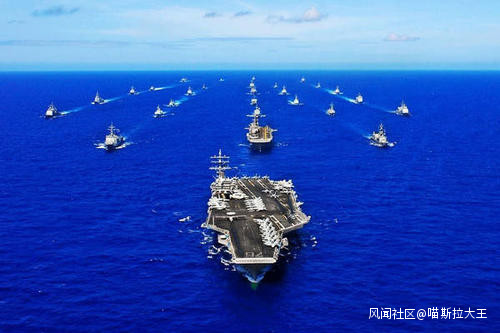
北美帝國海軍權威叫囂:不惜一切代價在南海擊敗中央帝國
喵星駐神聖泰拉秘密觀察員 喵斯拉大王
致 喵星外時空種羣特別情報局 第M78宇宙9527號星系第三懸臂分站
神聖泰拉歷2020年7月30日;喵族公曆MEOW-9999年 小魚乾月 肝泥日
分類:人類 地緣政治 海權
威脅評級:星球3級;星系0級
是否建議執行撤喵行動:否
簡報: 這可以算是《帝國利益》發表的“我比國務卿聰明”系列文章第二彈。但是與保羅希爾老先生不同的是,本文作者**詹姆斯·霍姆斯作為帝國海軍戰爭學院海洋戰略系主任,**從一個老牌鷹派和帝國主義走狗的角度,對國務卿關於南海問題的講話進行了批判。他強調,國務卿嚴重低估了中央帝國對南海地區的野心,講話調子還是太軟。
霍姆斯先生從現實商業利益、傳統海權和地緣政治理論、構建反華外交包圍網三個方面,詳細論述了北美帝國必須在南海擊敗的理由。歸根結底一句話:**如果北美帝國在南海地區與中央帝國的對峙中退縮,將引發多米諾骨牌效應,導致北美帝國多年以來的全球海上霸權崩潰。**這位有着深厚軍方背景的鷹派果然不同凡響,反華立場比鈦合金還要強硬,事實上是在公然發出戰爭威脅。對一個以海權立國的國家來説,這個論斷調子之高,拿老話來説就是在上綱上線。此言一出,任何試圖在南海地區緩和局勢的北美帝國軍政界高層,都將有被扣上“美奸”帽子的政治風險。
山雨欲來風滿樓。作為軍方人士的霍姆斯先生如此作態,聯想到近日日本媒體連續放風北美帝國海軍將對我黃巖島進行轟炸,恐怕某種程度上也能反映北美帝國軍界對政界的脅迫。北美帝國政界迫於巨大的內外壓力,對帝國海軍的軍事冒險行動開綠燈,甚至帝國海軍獨走“誤炸”的風險都在急劇增加。建議中央帝國方面對此高度警惕,切實做好對等報復、堅決回擊的鬥爭準備,萬萬不可心存幻想。
James Holmes is J. C. Wylie Chair of Maritime Strategy at the Naval War College.
作者:詹姆斯·霍姆斯是帝國海軍戰爭學院海洋戰略系主任。
Know this: Surrendering the South China Sea would embolden other coastal states to repeal the law of the sea by fiat if they felt strongly about offshore seas and possessed sufficient physical might to enforce their will.
要點:放棄南中央帝國海將鼓勵其他對近海有強烈要求並且具有足夠物質力量執行自身意志的國家,通過頒佈法令來廢除現行的海洋法。
(喵:潛台詞就是如果北美帝國在南海地區與中央帝國的對峙中退縮,將引發多米諾骨牌效應,導致北美帝國多年以來的全球海上霸權崩潰)
It feels like 2014 again. That’s when it came to light that the Chinese Communist Party (CCP) had embarked on a seemingly quixotic project: manufacturing islands out of reefs and atolls in the South China Sea and then fortifying them to extend its sway vis-à-vis Southeast Asian rivals impertinent enough to insist on their maritime rights. The region was a fixture in headlines that year and into the next while Washington and Beijing traded barbs accusing each other of “militarizing” the situation.
目前的情況,讓人感覺好像是2014年的重演。當時,中央帝國開始了一個貌似不切實際的項目:將南海的珊瑚礁和環礁擴建為島嶼,然後對其進行要塞化,從而擴大其對東南亞對手的影響力。而這些對手又搖擺不定、不夠堅決,無法堅持他們主張的海洋權利。這使得南海地區局勢成了當年乃至下一年的頭條新聞,而北美帝國和中央帝國則互相指責對方將局勢“軍事化”。(喵:這位帝國海軍專家完全迴避了時間更近對抗更激烈的衝突,即2016年由於無效判決引起的南海對峙,也許是為當時帝國海軍的退縮而感到羞恥,所以不願意提及吧)
This week the Trump administration renewed the controversy, issuing a revised “U.S. Position on Maritime Claims in the South China Sea.” In the key paragraph Secretary of State Mike Pompeo proclaimed that “the world will not allow Beijing to treat the South China Sea as its maritime empire. America stands with our Southeast Asian allies and partners in protecting their sovereign rights to offshore resources, consistent with their rights and obligations under international law.
本週,大統領政府重申了這一爭議,發佈了一份修改後的“北美帝國就南海海洋權利主張的立場”。國務卿蓬佩奧在關鍵段落中宣稱,“世界將不允許中央帝國將南海視為其海洋帝國。北美帝國與我們的東南亞盟國和夥伴站在一起,保護他們對近海資源的主權,這符合他們在國際法下的權利和義務。
We stand with the international community in defense of freedom of the seas and respect for sovereignty and reject any push to impose ‘might makes right’ in the South China Sea or the wider region.”
我們與國際社會站在一起,捍衞海上自由和尊重主權,反對任何在南海或更廣大地區強加‘強權即公理’的做法。”
Now, empire is a freighted word for sure. Communist China defines itself in opposition to European and Japanese imperialism, a scourge CCP leaders decry for inflicting a “century of humiliation” on Asia’s leading power. Unsurprisingly, then, China’s embassy in Washington DC leapt to deny Pompeo’s accusation.
現在,帝國成了一個貨真價實的詞。中央帝國人民勞動黨將自己定義為反對老歐羅巴列強和旭日帝國舊日帝國主義行徑的力量。中央帝國人民勞動黨領導人一貫譴責這些禍害給亞洲主要國家造成了“百年恥辱”。不出所料,中央帝國駐北美帝國大使館立即否認了蓬佩奧的指控。
And indeed, the CCP is not seeking an empire in the South China Sea, strictly speaking. An empire exercises dominion over foreign territories from an imperial center. Beijing wants far more than a maritime empire. It covets ownership. It wants to make the South China Sea what Romans once called the Mediterranean Sea—namely mare liberum, or “our sea.”
事實上,嚴格説來,中央帝國勞動人民黨並不是想尋求在南海建立帝國主義統治。所謂帝國主義統治是指從帝國中心對海外領土行使統治權。中央帝國想要的遠不止一個海上帝國。它渴望擁有該區域的完全所有權。它想把南海變成羅馬人曾經稱之為“地中海”的地方,也就是“我們的海”(喵:指中央帝國是把南海當作本土而不是海外領土對待。西方對“帝國”的定義和認識,與傳統上中央帝國對“帝國”這個詞的認識有一些文化上的差別)
CCP magnates make no effort to conceal their aims. Since 2009, in fact, officialdom has frankly and regularly avowed that its paramount goal is “indisputable sovereignty” within a “nine-dashed line” enclosing the vast majority of the South China Sea. This is an extravagant claim. Think about what sovereignty is.
中央帝國勞動人民黨的領導層毫不掩飾自己的目的。事實上,自2009年以來,中央帝國官方一直坦言,其首要目標是在包含了絕大多數南海區域的“九段線”內建立“無可爭辯的主權”。這是一種要價很高的説法。想想看,什麼是主權?
A sovereign government exercises a monopoly on the use of armed force within borders inscribed on the map. It ordains and others obey. The law of the sea, which proscribes national ownership of maritime space—with few, specific, and narrowly drawn exceptions, none of which justify Beijing’s claims—will be no more in the South China Sea if Xi Jinping & Co. get their way. The waters and land features within the nine-dashed line will be Chinese territory.
一個主權政府有權對在地圖上邊界線劃定的區域行使武力壟斷。它有權命令,而別人必須服從。除了少數具體的狹隘的例外,《海洋法》禁止主權國家佔有公海。中央帝國對南海的主張,並不在這些例外之中。因此,如果中央帝國領導人關於南海的意志得逞,那麼《海洋法》將在南海地區失去效力。“九段線”內的海洋和陸地都將成為中央帝國的領土。
And an awful precedent will have been set. Surrendering the South China Sea would embolden other coastal states to repeal the law of the sea by fiat if they felt strongly about offshore seas and possessed sufficient physical might to enforce their will.
一個可怕的先例將會被建立。放棄南中央帝國海將鼓勵其他對近海有強烈要求並且具有足夠物質力量執行自身意志的國家,通過頒佈法令來廢除現行的海洋法。
Hence Secretary Pompeo’s warning against letting the primeval principle that might makes right—that the strong seize what they want in international affairs and the weak accommodate themselves to the strong—prevail. Freedom of the sea is a pressing interest for the United States and any seafaring society. It should be nonnegotiable.
因此,蓬佩奧國務卿警告説,不要讓“強者在國際事務中為所欲為,弱者遷就強者”的野蠻原則佔上風。海上自由是北美帝國和任何海洋國家的核心利益。這是不可談判的。(喵:我簡直懷疑自己的眼睛,北美帝國居然在身體力行持強凌弱欺負了這麼多小國之後,聲明自己反對霸權主義。本喵從未見過如此厚顏無恥之人。)
But there are reasons apart from international law why Americans should care whether the Chinese Communist Party rules a faraway expanse of which they know little. First, access. As Alfred Thayer Mahan pointed out a century ago, the paramount goal of maritime strategy is to ensure commercial, diplomatic, and military access to important trading regions such as East Asia.
但除了國際法之外,北美帝國人還應該關心中央帝國人民勞動黨是否知道如何統治一片他們所知甚少的遼闊疆域。**首先是進入權。**正如馬漢一個世紀前指出的那樣,海上戰略的首要目標是確保自身的商業、外交和軍事觸角能夠進入重要貿易區域,例如進入東亞。
Commerce is king. Military access assures political access assures commercial access and the blessings trade brings. At the same time access is a crucial enabler for maritime strategy.
商業為王。軍事進入確保政治進入,政治進入確保商業進入,而商業貿易能夠帶來利益。同時,進入權是達成海上戰略的關鍵因素。
Commerce generates wealth sufficient to fund a navy to protect commerce. Acquiescing in Beijing’s maritime claims would encumber freedom of movement for merchantmen and warships—threatening to interrupt this virtuous cycle and hurt American prosperity.
商業創造的財富足以資助海軍保護商業。默許中央帝國的海權主張將阻礙商船和軍艦的行動自由,威脅中斷上述良性循環,這將嚴重損害北美帝國的繁榮。
It’s never a good time to put prosperity at hazard. Doing so in a pandemic year—a year rife with economic uncertainty—would amount to strategic malpractice. What happens in Southeast Asia has direct implications for Americans.
**任何時候,對這種繁榮的威脅都是不能容忍的。特別是在這個經濟充滿巨大不確定性的艱難年份,容忍這種威脅將成為巨大的戰略錯誤。**東南亞發生的事情對北美帝國人有直接的影響。
Second, geopolitics. If U.S. foreign policy has aimed at securing commercial access since the age of Mahan, it also aims at keeping the “rimlands” of East Asia and Western Europe from falling under the dominion of some hostile power or alliance.
第二,地緣政治。如果説北美帝國的外交政策從馬漢時代就着眼於確保商業准入,那麼它也旨在防止東亞和西歐的“邊緣地帶”落入某些敵對勢力或聯盟的統治之下。(喵:祖傳攪屎棍,大英帝國的好學生,歐亞大陸的離岸平衡手)
North America occupies a fortunate geographic position, buffered against Eurasian enmities by the Pacific and Atlantic oceans. If some geopolitical competitor unified one of the rimlands under its rule, however, it might wrest away martial resources sufficient to reach out across the ocean and do the United States harm in its own hemisphere.
北美洲擁有得天獨厚的地理位置,能夠憑藉太平洋和大西洋抵禦來自歐亞大陸的敵意。然而,如果某個地緣政治競爭對手將歐亞大陸邊緣地帶統一在其統治之下,那麼它可能會奪走足以跨越大洋的軍事資源,並在自己控制的半球對北美帝國的利益造成傷害。
To keep the rimlands fragmented among competing powers and hold danger at bay, U.S. diplomats and seafarers have to be able to get to the rimlands. Consequently, the U.S. Navy, affiliated joint forces, and allied military services must rule what geopolitics sage Nicholas Spykman termed the “girdle of marginal seas” adjoining the Eurasian perimeter. The South China Sea figures prominently among these marginal waterways—and thus to America’s rimlands strategy. Washington cannot let it go.
為了使歐亞大陸邊緣地區在大國競爭中變得四分五裂,並遏制危險,北美帝國外交官和海上力量必須能夠有效到達這些地帶。因此,北美帝國海軍及其聯合作戰力量和盟軍必須統治所謂的“海陸邊緣地帶”。這是地緣政治學權威尼古拉斯·斯皮克曼對毗鄰歐亞大陸邊界地帶的定義。南海是這些邊緣地帶中的重要水道,因此也是北美帝國“邊緣地帶戰略”的重要組成部分。北美帝國絕不能允許中央帝國在這一區域自行其是。
And third, friends and allies. The United States has no strategic position in the Western Pacific without local partners and the harbors and bases they supply. It must keep its commitments to treaty allies such as the Philippine Islands lest they resign themselves to Chinese Communist supremacy and close their soil to U.S. forces.
**第三,朋友和盟友。**如果沒有當地夥伴和他們提供的港口、基地,北美帝國在西太平洋就沒有戰略地位。它必須履行對簽約盟國的承諾,例如對菲律賓羣島,以免它們屈從於中央帝國人民勞動黨的霸權,並對北美帝國軍隊關閉領土。
America could find itself locked out of the region. Its commercially and geopolitically driven foreign policy would falter as a result. Manila is a primary target of CCP abuse in the South China Sea, having seen waters apportioned to it under the law of the sea purloined by China’s maritime militia, coast guard, and navy. Deterring new aggression while reversing past transgressions must be central to U.S. strategy.
如果那樣,北美帝國可能會發現自己被排斥在這一地區之外。其由商業利益和地緣政治需要驅動的外交政策將因此動搖。馬尼拉是中央帝國在南海濫用強的主要目標,根據《海洋法》本應受到保護的海域被中央帝國海上民兵、海岸警衞隊和海軍攫取。抵抗新的侵犯並將形勢扭轉到傳統軌道上,必須成為北美帝國戰略的核心。(喵:意思是要回到北美帝國在南海橫行霸道的時代)
Clearly, then, failing to honor longstanding security guarantees to the Philippines and other allies would place U.S. foreign policy and strategy in jeopardy in manifold ways. If Americans prefer a world of wealth and safety, they have ample reason to take an interest in Southeast Asian affairs. Abandoning the region to a Roman fate risks sacrificing our own future.
顯然,如果不遵守對菲律賓和其他盟國的長期安全保障,北美帝國的外交政策和戰略將面臨多方面的危險。如果北美帝國人想要一個富裕和安全的世界,他們有充分的理由對東南亞事務感興趣。把這個地區得命運交給“羅馬人”,有可能犧牲我們自己的未來。(喵:新羅馬帝國把我們叫做“羅馬人”,實在是太諷刺了)
喵星萬歲****閲後即焚