為什麼很多中國人喜歡吃餃子,世界各國人也喜歡吃餃子?_風聞
龙腾网-2020-07-30 16:50
【來源龍騰網】
正文原創翻譯:
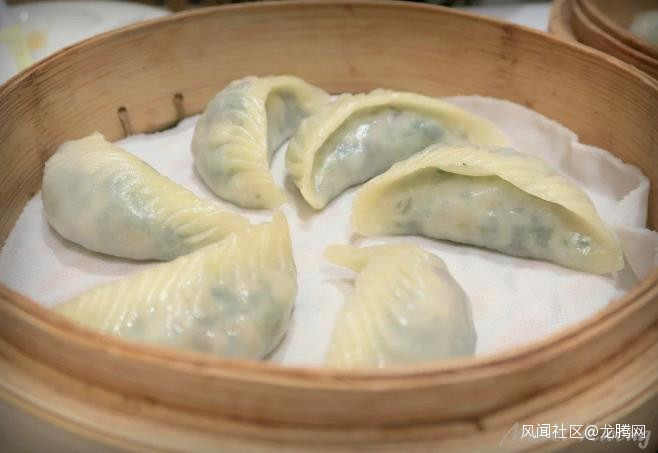
It’s a fact that many Chinese like to eat dumplings. Chinese people eat dumplings during the Lunar New Year. They eat dumplings for breakfast, lunch and dinner. And countless others around the world regardless of background like eating dumplings too.
許多中國人喜歡吃餃子,這是一個事實。中國人在農曆新年期間吃餃子。他們早餐、午餐和晚餐也常吃餃子。世界各地無數的人無論家庭背景如何,也喜歡吃餃子。
Growing up, when my Chinese-Malaysian family went to out to yum cha, that was when I got to eat Chinese dumplings. These days, whenever I catch up with my Asian and non-Asian friends here in Melbourne, Chinese dumplings are usually on the menu.
在我成長的過程中,當我的馬來西亞華人家庭去吃百勝茶時,我就開始吃中國餃子了。這些日子,每當我在墨爾本與亞洲和非亞洲朋友見面時,菜單上通常都有中國餃子。
Defining ‘dumpling’ can be tricky. All over the world, there are dumplings of all shapes, sizes and fillings. Dumplings can be loosely thought of as ‘small pieces of dough…often wrapped around a filling’, either sweet or savoury, steamed, fried or boiled. They are often thought of as an easy, simple meal. But different dumplings have different origins, and each of us has our own reasons for eating dumplings.
給餃子下定義可能有點難。世界各地都有各種形狀、大小和餡料的餃子。餃子可以被粗略地理解為“小塊的麪糰,麪糰裏包裹着餡料”,可以是甜的,也可以是鹹的,蒸的,油炸的或水煮的。它們通常被認為是簡單的飯菜。不同的餃子有不同的起源,每個人吃餃子都有自己的理由。
For many Chinese, eating Chinese dumplings is a kind of superstition, a celebratory occasion where we feel hope, peace and a sense of completeness. In China, jiǎo zi are eaten during the Spring Festival to usher in the Lunar New Year, marking new beginnings. These dumplings are each shaped like a (crescent) moon with rugged patterns across their skins and edges; in Chinese culture the moon is symbolic of promising abundance and brightness. Eat dumplings, eat harmony and prosperity.
對許多中國人來説,吃餃子是一種迷信,是一種讓我們感到希望、和平和圓滿感的慶祝場合。在中國,人們在春節期間吃餃子來迎接農曆新年,標誌着新的開始。這些餃子的形狀像一個(新月)月亮,表皮和邊緣都有凹凸不平的圖案。在中國文化中,月亮象徵着富饒和光明。吃餃子,吃出和諧,吃出興旺。
Growing up in Malaysia, during Chinese New Year festivities in Malaysia, me and the extended Cantonese-speaking family always had yum cha breakfasts and lunches. We’d order dumplings like gao choi gao/shrimp-chives, shrimp, shrimp-pork with yellow skins and pork-shrimp . We ate them for so long.
我在馬來西亞長大,在馬來西亞過春節時,我和講廣東話的大家庭總是享用百勝茶早餐和午餐。我們點的餃子有韭菜餃子、蝦餃、燒賣、潮州粉果。我們吃了很長時間。
To many typical traditional Chinese, eating dumplings is eating a meal worth in gold. Eat dumplings, eat your way to riches and an affluent new beginning.
對於許多傳統的中國人來説,吃餃子簡直就是吃一頓黃金大餐。吃餃子,代表着財富和富裕生活的新開始。
For many Chinese, part of the fun that comes with eating dumplings is making and plating them up together. Togetherness and the notion of family are virtues in Asian cultures. It takes time to knead dumpling dough, mince filling and wrap flattened dough around measured quantities of filling – all made by hand amidst gossiping with each other to pass the time making a meal of dumplings.
對許多中國人來説,吃餃子的樂趣之一就是包餃子。在亞洲文化中,團結的家庭觀念是美德。揉麪團、做餡料、用擀麪杖擀皮,把餃子包好都需要時間——這些餡料都是手工製作的,在包餃子中,人們彼此閒聊來打發時間。
And consequently eating Chinese dumplings is often a meal where you share. In Chinese culture, teamwork punches above individuality; sharing is dignified, just like how many Chinese share tiny apartments with family and naturally spoon food onto each other’s plates. Sure, you can order a whole plate of dumplings and have it all to yourself. and Chinese dumplings are almost always made to share, coming in an even number 6, 8, 12 or more pieces per plate.
因此,中國吃餃子通常是一餐團圓飯。在中國文化中,團隊合作重於個性;就像許多中國人和家人合住在公寓裏,自然而然地把食物夾到彼此的盤子裏一樣。當然,你可以點一整盤餃子,一個人把它吃光,但中國的餃子幾乎總是用來分享的,每個盤子裏的餃子數量是6個、8個、12個,甚至更多,但都是偶數。
There’s the misconception that all dumplings are distinctively Chinese. They aren’t. There are African dumplings. Indian dumplings. Japanese dumplings. South American dumplings. And more. From souskluitjies to samosas to gyozas to empandas, there are countless versions of the dumpling. Some dumplings originated during the Eastern Han Dynasty in ancient China to keep locals warm in winter, some from a Roman cookery text and the word ‘dumpling’ itself is rumoured to date back to the 1600s in the Norfolk area in the UK. But mention dumplings, a lot of the time many Australians will think of dumplings as part of Chinese or Asian cuisine – in the city of Melbourne, countless restaurants serving dumplings brand themselves as Chinese.
這裏有一種誤解,認為所有的餃子都是中國特色的。其實不是這樣。也有非洲餃子,印度餃子,日本餃子,南美餃子等等。從湯圓到咖喱餃子到肉餡餃子,餃子的種類數不勝數。一些餃子起源於中國古代的東漢時期,用來讓當地人在冬天取暖。有些餃子起源於羅馬的烹飪文本,據傳“餃子”這個詞本身可以追溯到17世紀的英國諾福克地區。提到餃子,許多澳大利亞人會認為餃子是中國或亞洲美食的一部分,在墨爾本,無數提供餃子的餐館都標榜自己是中國正宗的餃子。
Perhaps Chinese dumplings are more popular because they tend to come across as palatable. A kind of food so different, yet so similar to some of us. Chinese dumplings are similar to Western pasta such as ravioli, and so perhaps appear approachable to non-Chinese who eat pasta. Also, many Chinese dumplings don’t look much like adventurous food – they tend to be small, dainty, pieces of almost-finger-like food that can be easily popped in the mouth.
也許中國餃子更受歡迎,這是因為它們美味可口。這是一種與眾不同,卻又與我們中的一些食物非常相似的食物。中國餃子和西方的意大利麪食類似,比如意大利混沌,對於吃意大利麪食的非中國人來説,中國餃子顯得平易近人。許多中國餃子看起來不太像需要下決心才敢嘗試的食物——它們往往小巧玲瓏,可以很容易地放進嘴裏。
Whenever me and my white Australian friend and peace-loving blogger Rebecca Rossi catch up, we usually do dumplings. Din Tai Fung is where we like to go, and my lovely friend always places orders for savoury veggie jiǎo zi and sweet taro paste baos . This restaurant is on the pricey side and some nights there are queues for a table. In a sense, while some dumplings are cheap convenient eats, some are more upmarket which we can call a treat.
每當我和我的澳大利亞白人朋友、熱愛和平的博客作者麗貝卡.羅西敍舊時,我們通常會一起包餃子。鼎泰豐是我們喜歡去的地方,我可愛的朋友總是在這裏點開胃蔬菜和香甜的芋泥包。這家餐館價格昂貴,如果晚上去,有的時候還需要排隊。從某種意義上説,雖然有些餃子是便宜方便的食物,但有些是高檔昂貴的。
All around the world, food tastes different, made different and served different, dumplings included. Some might say many places in Australia serve Westernised, non-authentic Chinese dumplings. many Chinese dumplings I’ve eaten in Australia have incredibly thicker and tougher skin, grittier filling and are saltier. In America, it seems that Westernised Chinese dumplings are common too. A few times I’ve ordered jiǎo zi in Melbourne and they came with straight up soy sauce; traditionally in Chinese culture, eating dumplings come with a vinegar-soy sauce combination or straight up vinegar.
世界各地的食物口味不同,製作方法不同,供應方式也不同,餃子也不例外。有人可能會説,澳大利亞很多地方的餃子都是西式的、不是正宗的中國餃子。我在澳大利亞吃過的許多中國餃子皮厚得難以置信,肉餡更硬,味道也更鹹。在美國,西化的中國餃子也很常見。我在墨爾本點過幾次餃子,它們都是直接搭配醬油的;在中國傳統文化中,吃餃子要搭配醋和醬油,或直接搭配醋。
Then again, our taste buds and palates are always changing, and hybrid cuisine is becoming more popular as the world is becoming more multicultural. Chocolate dim sum dumplings, anyone? Or how about bacon cheeseburger dumplings?
此外,我們的味蕾和味覺總是在變化,隨着世界變得越來越多元化,混合烹飪也變得越來越受歡迎。有人想吃巧克力餡餃子嗎?或者培根芝士漢堡餃子怎麼樣?
Just as there are different kinds of dumplings, there are different ways to eat dumplings.during yum cha with the family when I was little (and even today), we never ate Chinese dumplings exclusively on their own. Apart from siu mai, dad ordered other yum cha items like radish cake, chicken glutinous rice and egg tart to make a well-rounded meal. Generally, eating dumplings is fairly healthy if they are vegetable based and not deep-fried.
餃子的種類不同,吃餃子的方法也不同。在我小時候和家人一起吃茶點時,我們從來不單獨吃中國餃子。除了燒麥外,爸爸還點了其他的茶點食品,比如蘿蔔糕、雞肉糯米糕和蛋撻,是一頓豐盛的晚餐。一般來説,餃子是相當健康的食品,餃子以蔬菜為主料,而且不用油炸。
A few years ago, a Chinese restaurant opened beside my office. Around lunchtime on opening day, one of their Chinese wait staff came over to my work and brought over more than a few pieces of steamed and pan-fried chicken, pork, prawn-stuffed jiǎo zi – all on the house. Literally everyone in the office dropped what they were doing and helped themselves to the free dumplings – all gone in less than half an hour. They weren’t the best I’ve had. But as one of my white, beer-loving Aussie friends in the office said shortly after:
幾年前,我辦公室旁邊開了一家中餐館。大約在開業當天的午餐時間,他們的一名中國服務員來到我工作的地方,給我帶來了不少蒸餃、豬肉餡餃子、雞肉餡餃子、蝦餃,所有這些餃子都是免費的。辦公室裏的每個人都放下手頭的工作,享用了免費的餃子,不到半小時就吃光了這些餃子。不過,它們不是我吃過的最好的餃子。不久之後,我辦公室裏一位愛喝啤酒的澳大利亞白人朋友説:
“When you want good Asian food like tasty dumplings, it’s best to go to a place that is packed with Asians.”
“當你想吃美味的亞洲美食,比如餃子時,最好去一個擠滿了亞洲人的地方。”
Do you like eating dumplings?
你喜歡吃餃子嗎?