7.5億隻轉基因蚊子獲准在佛羅里達羣島釋放_風聞
龙腾网-2020-08-28 15:58
【來源龍騰網】
正文原創翻譯:
750 million genetically engineered mosquitoes approved for release in Florida Keys
August 20, 2020
7.5億隻轉基因蚊子獲准在佛羅里達羣島釋放
2020年8月20日
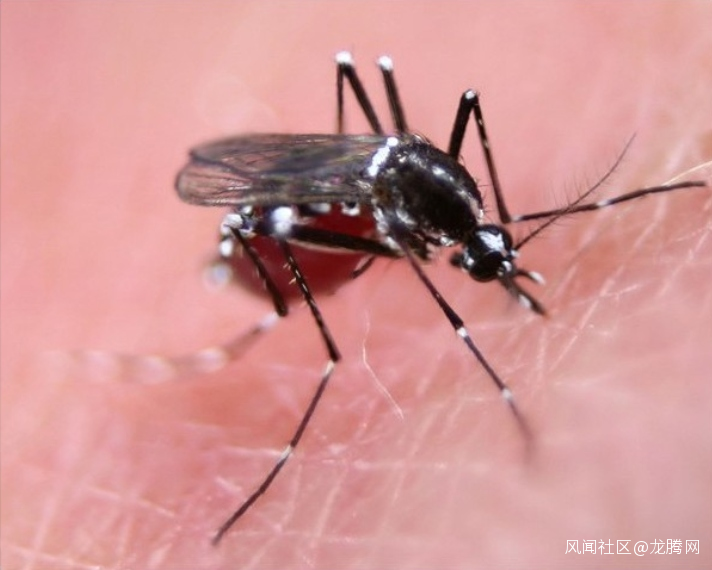
(CNN)A plan to release over 750 million genetically modified mosquitoes into the Florida Keys in 2021 and 2022 received final approval from local authorities, against the obxtion of many local residents and a coalition of environmental advocacy groups. The proposal had already won state and federal approval.
有一項計劃在2021年和2022年向佛羅里達羣島釋放超過7.5億隻轉基因蚊子,儘管許多當地居民和環保組織聯盟對此表示反對,但該計劃最終獲得了當地政府的批准。同時這項提案已經獲得了州和聯邦政府的批准。
“With all the urgent crises facing our nation and the State of Florida — the Covid-19 pandemic, racial injustice, climate change — the administration has used tax dollars and government resources for a Jurassic Park experiment,” said Jaydee Hanson, policy director for the International Center for Technology Assessment and Center for Food Safety, in a statement released Wednesday.
“我們的國家和佛羅里達州面臨着緊迫的危機——新冠病毒大流行、種族歧視以及氣候變化——政府用税款和政府資源來做一種侏羅紀公園的實驗。”傑迪漢森説,國際技術評估中心和食品安全中心的主任週三發表的一份聲明中説。
“Now the Monroe County Mosquito Control District has given the final permission needed. What could possibly go wrong? We don’t know, because EPA unlawfully refused to seriously analyze environmental risks, now without further review of the risks, the experiment can proceed,” she added.
“現在,門羅縣蚊蟲控制區已經給出了所需的最終許可。可能會發生什麼問題?我們不知道,因為環保局非法拒絕認真地分析環境風險,現在也沒有進一步的風險審查,實驗可以繼續進行。”她補充道。
Approved by the Environment Protection Agency in May, the pilot project is designed to test if a genetically modified mosquito is a viable alternative to spraying insecticides to control the Aedes aegypti. It’s a species of mosquito that carries several deadly diseases, such as Zika, dengue, chikungunya and yellow fever.
今年5月,美國環境保護署批准了這個試點項目,目的是測試轉基因蚊子是否可以替代噴灑殺蟲劑控制埃及伊蚊。這是一種攜帶多種致命疾病的蚊子,如寨卡病毒、登革熱、基孔肯雅熱和黃熱病。
The mosquito, named OX5034, has been altered to produce female offspring that die in the larval stage, well before hatching and growing large enough to bite and spread disease. Only the female mosquito bites for blood, which she needs to mature her eggs. Males feed only on nectar, and are thus not a carrier for disease.
這隻名為OX5034的蚊子經過轉變,產生的雌性後代在幼蟲階段就會死亡,而幼蟲還沒有孵化出來,還沒有長到足以叮咬和傳播疾病的地步。只有雌性蚊子會叮咬血液,她需要血液使她的卵成熟。雄性只吃花蜜,因此不攜帶疾病。
The mosquito also won federal approval to be released into Harris County, Texas, beginning in 2021, according to Oxitec, the US-owned, British-based company that developed the genetically modified organism (GMO).
根據Oxitec公司的説法,這種蚊子還獲得了聯邦政府的批准,將於2021年開始在德克薩斯州的哈里斯縣投放。Oxitec公司是一家美國公司,總部設在英國,研發了這種轉基因生物。
The Environmental Protection Agency granted Oxitec’s request after years of investigating the impact of the genetically altered mosquito on human and environmental health.
在對轉基因蚊子對人類和環境健康的影響進行了多年調查之後,環境保護局批准了Oxitec的請求。
“This is an exciting development because it represents the ground-breaking work of hundreds of passionate people over more than a decade in multiple countries, all of whom want to protect communities from dengue, Zika, yellow fever, and other vector-borne diseases,” Oxitec CEO Grey Frandsen said in a statement at the time.
“這是一個令人興奮的技術發展,因為它代表了超過十多個國家數以百計的人對這個開創性的工作充滿了激情,所有的人想要保護社區免受登革熱,Zika病毒、黃熱病、和其他傳播疾病的影響“Oxitec CEO格林.弗蘭森在一份聲明中説。
However, state and local approval for the Texas release has not been granted, said Sam Bissett, a communication specialist with Harris County Public Health.
然而,哈里斯縣公共衞生部門的產品宣傳專家山姆·塞特説,州和地方政府還沒有批准在德克薩斯州放生。
“Local health officials confirm that there is no agreement in place or plans to move forward with the project at this time,” Bissett told CNN. “Our focus is on our efforts with the Covid-19 pandemic.”
“當地衞生官員證實,目前還沒有達成協議,也沒有推進該項目的計劃,”比賽特告訴CNN記者。“我們的重點是應對新冠肺炎大流行。”
A long fight in Florida
在佛羅里達的一場持久戰
In June the state of Florida issued an Experimental Use Permit after seven state agencies unanimously approved the project. But it’s taken over a decade to obtain that approval.
今年6月,在7個州的機構一致批准該項目後,佛羅里達州頒發了實驗使用許可證。但獲得批准花了十多年的時間。
In 2009 and 2010, local outbreaks of dengue fever, which is spread by the Aedes aegypti, left the Florida Keys Mosquito Control District desperate for new options. Despite an avalanche of effort — from aerial, truck and backpack spraying to the use of mosquito-eating fish — local control efforts to contain the Aedes aegypti with larvicide and pesticide had been largely ineffective.
2009年和2010年,由埃及伊蚊傳播的登革熱在當地爆發,使得佛羅里達Keys蚊蟲控制區迫切需要新的方式殺蟲。儘管進行了大量的努力——從空中、卡車和揹包噴灑殺蟲劑到食蚊魚的使用——但當地使用殺幼蟲劑和殺蟲劑控制埃及伊蚊的努力基本上無效。
And costly, too. Even though Aedes aegypti is only 1% of its mosquito population, Florida Keys Mosquito Control typically budgets more than $1 million a year, a full tenth of its total funding, to fighting it.
並且也是昂貴的。儘管埃及伊蚊只佔佛羅里達州蚊子總數的1%,但佛羅里達Keys mosquito Control公司通常每年投入超過100萬美元(相當於其總資金的十分之一)來防治它。
In 2012, the district reached out to Oxitec for help. The company had developed a male mosquito named OX513A, programmed to die before adulthood unless it was grown in water that contained the antibiotic tetracycline.
2012年,該地區向Oxitec尋求幫助。該公司已經研製出一種名為OX513A的雄性蚊子,這種蚊子除非它生長在含有四環素的水中,否則它在成年前就會死亡。
Batches of the sterile OX513A would be allowed to live and mate with females; however, their male and female offspring would inherit the “kill” programming and die, thus limiting population growth.
一批批無菌OX513A將被允許與雌性蚊子生活和交配;然而,他們的雄性後代和雌性後代會繼承“殺死”基因而死亡,從而限制了蚊子數量的增長。
OX513A had been field tested in the Cayman Islands, Panama and Brazil, with Oxitec reporting a large success rate with each release. For example, a trial in an urban area of Brazil reduced the Aedes aegypti by 95%.
OX513A已在開曼羣島、巴拿馬和巴西進行了現場測試,Oxitec報告每次釋放都有很高的成功率。例如,在巴西的一個城市地區的一項試驗中,減少了95%埃及伊蚊。
But when word spread in the Florida Keys that the mosquito was on the way, public backlash was swift: More than 100,000 people signed a Change.org petition against the proposal; that number has grown to more than 242,000 today.
但是,當蚊子即將到來的消息在佛羅里達羣島傳開後,公眾的反應激烈:超過10萬人在Change.org上籤署了反對該提議的請願書;如今,這一數字已超過24.2萬。
Public relations campaigns reminding Floridians that the GMO mosquito doesn’t bite because he’s male didn’t completely solve the problem. Media reports quoted angry residents refusing to be treated as “guinea pigs” for the “superbug” or “Robo-Frankenstein” mosquito.
“公共關係團隊提醒佛羅里達人,轉基因蚊子不咬人的,因為它是雄性的,但這個團隊並沒有完全解決這個問題。”媒體報道援引憤怒的居民的話,“因為這種“超級細菌”或“機器科學怪人”蚊子,他們拒絕被當作“豚鼠”對待。”
The EPA spent years investigating the mosquito’s impact on both human health and the environment, allowing time for public input. But in the midst of the uation, Oxitec developed a second-generation “Friendly Mosquito” technology and withdrew the application for the first.
The new male mosquito, OX5034, is programmed to kill only female mosquitoes, with males surviving for multiple generations and passing along the modified genes to subsequent male offspring.
美國環保署花了數年時間調查蚊子對人類健康和環境的影響,為公眾的參與留出了時間。但在評估過程中,Oxitec開發了第二代“友好蚊子”技術,並撤回了第一種技術的應用。
這種新的雄性蚊子OX5034,其開發目的是隻殺死雌性蚊子,而雄性蚊子可以存活多代,並將修改後的基因傳給下一代的雄性後代。
The EPA permit requires Oxitec to notify state officials 72 hours before releasing the mosquitoes and conduct ongoing tests for at least 10 weeks to ensure none of the female mosquitoes reach adulthood.
美國環境保護署的許可要求Oxitec在釋放這些蚊子前72小時通知州官員,並進行至少10周的持續測試,以確保沒有一隻雌性蚊子進入成年期。
However, environmental groups worry that the spread of the genetically modified male genes into the wild population could potentially harm threatened and endangered species of birds, insects and mammals that feed on the mosquitoes.
然而,環保組織擔心,轉基因雄性蚊子的傳播可能會對以蚊子為食的鳥類、昆蟲和哺乳動物造成潛在的傷害。
“The release of genetically engineered mosquitoes will needlessly put Floridians, the environment and endangered species at risk in the midst of a pandemic,” said Dana Perls, food and technology program manager at Friends of the Earth, in Wednesday’s statement.
“地球之友”的食品與技術項目經理達娜珀爾斯在週三的聲明中説,“在一場大流行中,釋放轉基因蚊子,將讓佛羅里達人、環境和瀕危物種面臨不必要地風險。”