【獨家揭秘】【印度真相】VOL.7 印度特別邊境部隊SFF(5)戰力平平_風聞
兔家真探-让我们一起去探索真相吧!B站同号,有视频哦!2020-09-22 13:24
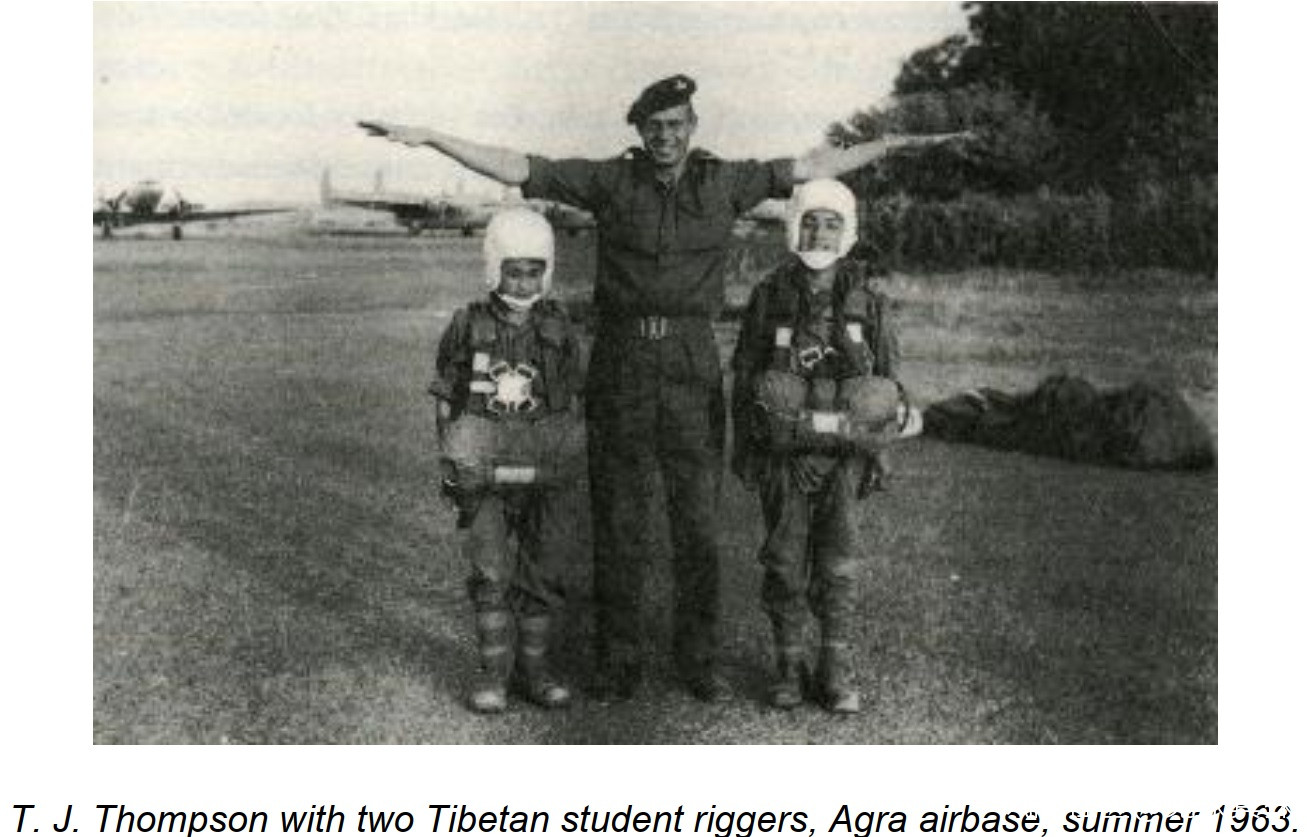
“真探”要告訴大家,網上關於SFF的文章中照片和影片,除了老照片是真的以外,都不是SFF,你在新的照片和影片中看不到任何“藏獨”的樣子,如果你看了那些新的照片和影片後認為SFF戰力強悍,那麼你被“移花接木”式的手法欺騙了。
另外細心的網友一定發現“真探”的標題也改變了,因為在“真探”在研究後發現SFF根本達不到正常特種部隊的戰鬥力,所以認為“特別邊境部隊”是SFF最合適的名稱。
首先,SFF的定位並非是“戰鬥型”,而是“特務型”—蒐集情報和破壞為主。比如SFF的空降訓練是因為當時空降是最主要也幾乎是唯一的滲透方式,所以他們不是“空降兵”部隊。
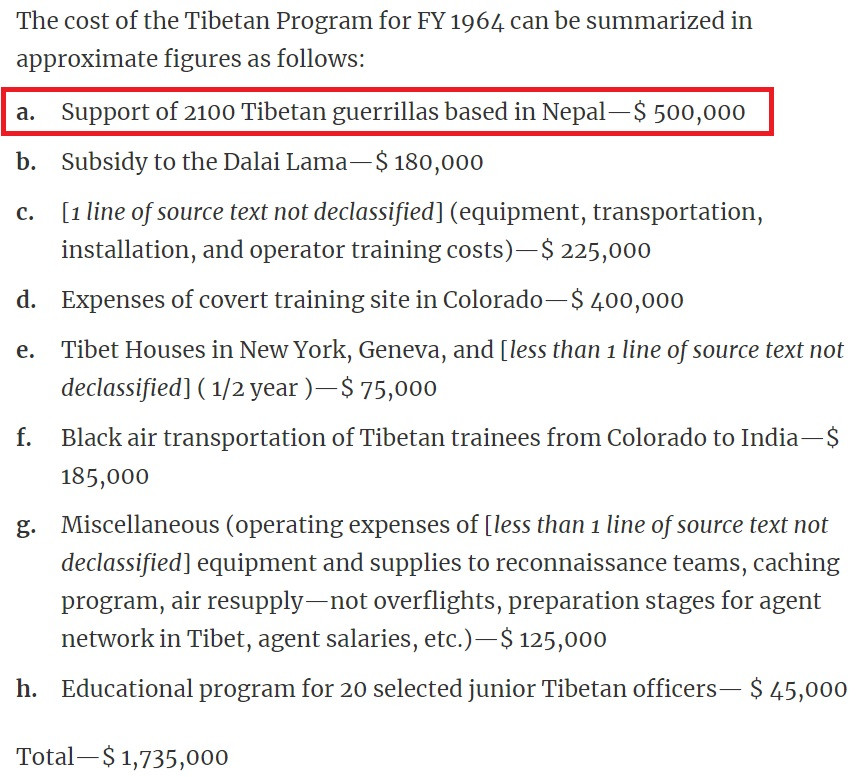
其次,藏獨恐怖分子有兩2個主要聚集地,最早的一個在尼泊爾的木斯塘(Mustang),第二個才是印度。所以,SFF在CIA的扶助計劃(資金和培訓)中,屬於“新生兒”,各種資源供應遠遠不比不上前輩,甚至在CIA的1964年撥款(見下圖)中,在尼泊爾2100名藏獨恐怖分子獲得50萬美元,佔了總撥款近30%(總撥款為173.5萬美元),而且撥款中也沒有明確提及SFF。
以下內容絕大部分來自參與培訓計劃的前CIA成員的敍述:(原文就不再貼出來了)
在剛到SFF時,美國人立即被藏獨分子的年齡所震驚。 雖然有新兵湧入,卻有將近一半的年齡超過四十五歲。 一些甚至接近六十。 就像發生在尼泊爾的木斯塘(Mustang)一樣,年長的藏獨分子利用其資歷優勢在難民營的招募活動中淘汰了年輕的候選人。
CIA偶爾從佩裏營(Pamp Peary)派遣的教練參加簡短的專業課程。Henry “Hank” Booth於1967年被派遣來提供狙擊課程。為期六週的計劃進展順利,藏獨分子用1903式春田步槍證明了自己的能力。在畢業典禮上,Booth授予他的學生1944年美國陸軍狙擊手野戰手冊的副本。
接下來發生的事情展現了是藏獨分子與其印度主人之間的齷齪。藏獨分子正在將野戰手冊翻譯成藏語,每個營地負責手冊的一部分。正在製作多份副本-包括圖表的手繪複製品-,當每個單位都有野戰手冊的完整副本時,印度人就進來把野戰手冊給沒收了。
CIA was relegated to funding and bringing in the occasional instructor from Camp Peary for brief specialist courses. One such instructor, Henry “Hank” Booth, was dispatched in 1967 to offer a class in sniping. The six-week program went well, with the Tibetans proving themselves able shots with the 1903 Springfield rifle. For graduation, Uban held a small ceremony, during which Booth awarded his students a copy of the 1944 U.S. Army field manual for snipers.
each unit had a complete copy of the book, and the Indians moved in to confiscate the manual.
在1971年11月第二個星期初,SFF開始了“鷹行動”。
烏班將軍(SFF的指揮官)在電台裏聽着着急。當他協調SFF和他的孟加拉國民兵時,他對孟加拉國人幾乎沒有疑慮-他們是當地人,但他知道藏獨分子未經實戰測試,在自由行軍中也很粗心。
很快,他的恐懼得到了證實。 11月14日,SFF的主力潰退衝回了印度邊界。烏班得知Dhondup Gyatotsang(藏獨分子的重要頭目之一)也被射殺。烏班在電台中,對藏獨分子咆哮着要他們恢復前進。他説:“我告訴他們不得後退直到陣地被佔領。”
強硬的命令產生了影響。逆轉過程中,SFF分成幾個小組,纏繞在巴基斯坦人後方,採用經典游擊隊風格。
At the beginning of the second week of November, the SFF began Operation EAGLE. Taking leave of Demagiri, the guerrillas used nineteen canoes to shuttle across the Karnaphuli River and steal into East Pakistan. Coming upon an outpost that night, the Tibetans overran the position while the Pakistanis were eating. Boosted by their swift victory, they made plans to hit the next post the following morning.
Listening over the radio, General Uban was anxious. As he moved into Demagiri to coordinate both the SFF and his Bangladeshi force, he had few qualms about the Bangladeshis -- they were native boys and could live off the land -- but he knew that the Tibetans were untested under battle conditions and careless in open march.
Very quickly, his fears were confirmed. On 14 November, the lead element of Tibetans came running back toward the Indian border. Dhondup Gyatotsang, Uban learned, had been shot dead. The cousin of Mustang commander Wangdu and a Hale graduate, Dhondup had been one of the most senior political leaders in the force. Realizing that he could lose momentum, Uban got on the radio and barked at the Tibetans to resume their advance. “I told them not to come back until the position was taken, " he said.
The strong words had an effect. Reversing course, the SFF split into small teams and curled behind the Pakistanis in classic guerrilla fashion.
到1970年代後期,SFF的未來不再確定。隨着中印緊張關係有所緩和,有人批評説,維持一支藏獨突擊隊是不必要的支出。但是,SFF很快被賦予了新的使命:反恐。因為藏人是外國人,所以它們與印度的社會政治沒有直接關係,因此被視為理想的,無偏見的的反恐力量。
1977年,RAW主任KAO(也是安全局局長)部署了500 SFF突擊隊前往薩爾薩瓦(Sarsawa),以便在全國大選期間針對暴動者採取行動。選舉後,在沒有重大事件的情況下,只有六十名藏獨分子被留在薩薩瓦(Sarsawa)從事反恐工作。
三年後,英迪拉·甘地(Indira Gandhi)和Kao再次當政時,SFF的反恐戰爭得到了大幅提升。 500多名學員被派往薩爾薩瓦(Sarsawa)接受反恐訓練。畢業後,他們成立了SFF的新的特種小組(SG)。重要的是,沒有藏獨分子被併入這個新單位中。
By the late 1970s, the future of the SFF was no longer certain. With Indo-Chinese tensions easing somewhat, there was criticism that maintenance of a Tibetan commando force was an unnecessary expense. However, the SFF was soon given a new mission: counterterrorism. Because the Tibetans were foreigners, and therefore did not have a direct stake in Indian communal politics, they were seen as an ideal, objective counterterrorist force.
In 1977, RAW director Kao (who wore an additional hat as director general of security) deployed 500 SFF commandos to Sarsawa for possible action against rioters during national elections. After the elections, which went off without major incident, only sixty Tibetans were retained at Sarsawa for counterterrorist duties.
Three years later, when Indira Gandhi (and Kao) returned to power, the SFF’s war against terrorism received a major boost. Over 500 trainees were sent to Sarsawa for counterterrorist instruction. Upon graduation, they formed the SFF’s new Special Group. Significantly, no Tibetans were incorporated into this new group within the force.
1978年,在印度軍隊的行動控制下,查克拉塔又增加了三個SFF藏獨營;,這三個營被派往拉達克,錫金和阿薩姆邦Doom Dooma的空軍基地。1986年,在錫亞琴冰川與巴基斯坦軍隊作戰時,拉達克營的17個成員被擊斃。
In 1978, three additional Tibetan battalions were raised at Chakrata; under the operational control of the Indian army, these three battalions were posted to Ladakh, Sikkim, and Doomdoomah air base in Assam. Seventeen members of the Ladakh battallion were killed while fighting Pakistani troops on the Siachen Glacier in 1986
下期預告:關於SFF的連載終於迎來了完結篇,“真探”繼續為您獨家揭秘,敬請密切關注!