大國擔當的象徵,中國發布維和30年《白皮書》_風聞
钢铁沧澜-2020-09-29 12:07
作者:蘭順正
首發自:CGTN
今年是中國人民抗日戰爭暨世界反法西斯戰爭勝利75週年,是聯合國成立75週年,是中國軍隊參加聯合國維和行動30週年。9月18日國務院新聞辦發佈《中國軍隊參加聯合國維和行動30年》白皮書,對中國這些年來的維和行動做出了詳細的描述和總結。
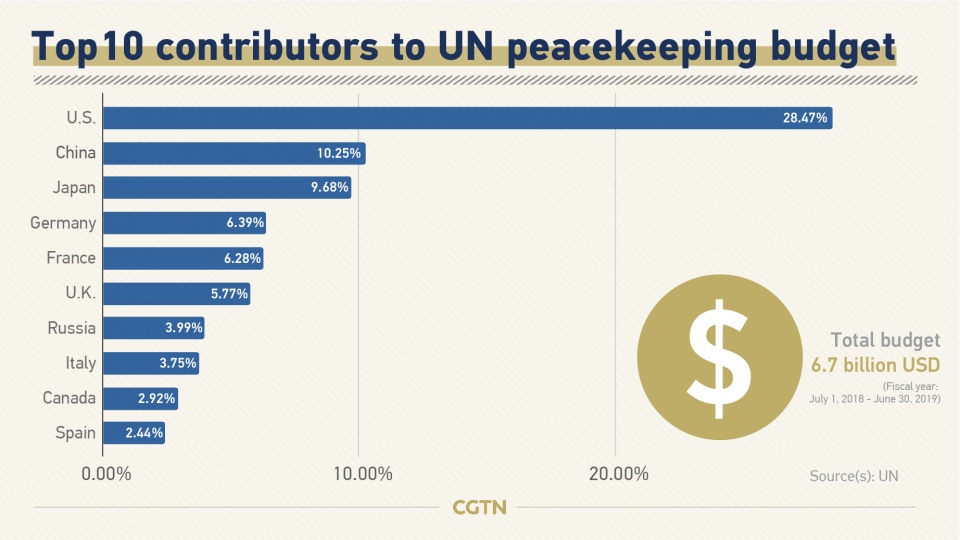
維和行動是聯合國維持和平行動的簡稱,是由聯合國實施的旨在幫助維持或恢復衝突地區和平與安全,由軍事人員參加但沒有強制力的一種行動。維和部隊是根據有關聯合國決議建立的一支跨國界的特殊部隊,最早成立於1956年蘇伊士運河危機之際,因為統一着藍色盔帽或藍色貝雷帽,所以亦稱“藍盔”部隊,總司令是聯合國秘書長。部隊的人員由聯合國成員國自願提供,其職責是阻止局部衝突擴大化,或防止衝突再起,並幫助在戰爭中受害的平民百姓,為最終政治解決衝突創造條件。1990年中國派出5名軍事觀察員赴聯合國停戰監督組織,從此中國正式加入聯合國維和行動,至今中國已是聯合國安理會常任理事國中第一大維和出兵國和第二大維和出資國。
據不完全統計,30 年來中國軍隊先後參加25項聯合國維和行動,累計派出維和軍事人員 4 萬多人次,累計在全球新建、修復道路1.6萬餘公里,排除地雷及各類未爆彈9800餘枚,接診病患超過20萬人次,運送各類物資器材135萬噸,運輸總里程達1300萬公里,先後有16名中國軍人犧牲在異國他鄉的土地上。目前在南蘇丹、馬裏、黎巴嫩、達爾富爾、西撒哈拉等多個地區和組織,仍有2500多名中國軍人守護在自己崗位上,為世界的和平做着貢獻。
無疑,中國參與聯合國維和行動對於維護國際安全、實現國家利益、促進軍隊建設具有重要的意義。
首先,隨着綜合國力日益增強,中國正逐步靠近世界舞台的中心,這就要求中國逐步承擔更大的國際責任,參與更多的國際事務。而維和行動是聯合國維持國際和平與安全的有效工具,作為安理會常任理事國,中國根據聯合國的請求和要求,及時出兵出警,按時足額出資,承擔應盡的義務,體現了大國責任。不僅如此,中國通過設立中國——聯合國和平發展基金、加入聯合國維和待命機制、為各國培訓維和人員,更彰顯了中國的大國擔當。
其次,中國通過深度參與維和事務,進一步增進了與其他國家的相互瞭解和信任,提升了中國在國際和地區安全事務中的影響力。2015 年 9 月,習近平主席在聯合國成立70週年大會上提出的“人類命運共同體”倡議理念,恰恰與“為和平而生、為和平而存”的聯合國維和行動理念相互契合。維和行動為宣傳和構建“人類命運共同體”提供了極佳的平台,後者又為前者提供了更為豐富的手段和方案。因此,作為聯合國維持國際和平與安全的重點工作,積極參與維和行動有利於把中國在維和行動中的貢獻和力量轉化在國際和地區安全事務中的話語權和影響力。
另外,參與維和行動是中國多邊外交和軍事外交的重要內容。一直以來,一些敵對勢力着力抹黑、醜化、歪曲中國軍隊和中國軍人形象,導致“中國軍事威脅論”甚囂塵上,讓部分國外民眾和友好國家對中國軍隊產生了不同程度的誤解。參加維和行動,主動發聲把中國軍隊和中國軍人的良好形象傳播出去,則用實際行動證明了“中國軍隊是維護世界和平與穩定的堅實力量”。同時,在全球化的時代,無數的中國企業和資本也在走出國門,走向世界,因此如何保障中國的海外利益不受侵害也成為了一個必須面對的問題。在這種情況下中國軍隊“走出去”,也是應對新時代“大變局”,維護國家海外利益的必然選擇。參與聯合國維和行動一方面可以幫助我軍“走出去”時更具有合法性、長期性和系統性。另一方面通過參加維和行動,完成不同類型的維和任務,可以全面提升我軍維和能力以及國際交流和協調合作能力,並與外軍形成建設性和務實性的新型軍事關係。
明顯的是,今後中國將在維和領域繼續做出自己的貢獻。正如此次《白皮書》所言:中國軍隊將一如既往支持聯合國維和行動,履行守護和平的莊嚴承諾,給衝突地區帶去更多信心,讓當地人民看到更大希望。中國願同所有愛好和平的國家一道,堅定捍衞和踐行多邊主義,堅定維護以聯合國為核心的國際體系,堅定維護以《聯合國憲章》宗旨和原則為基石的國際關係基本準則,推動構建人類命運共同體,攜手建設更加美好的世界。
(以下為英文原文)
Why China should and will continue to participate in peacekeeping
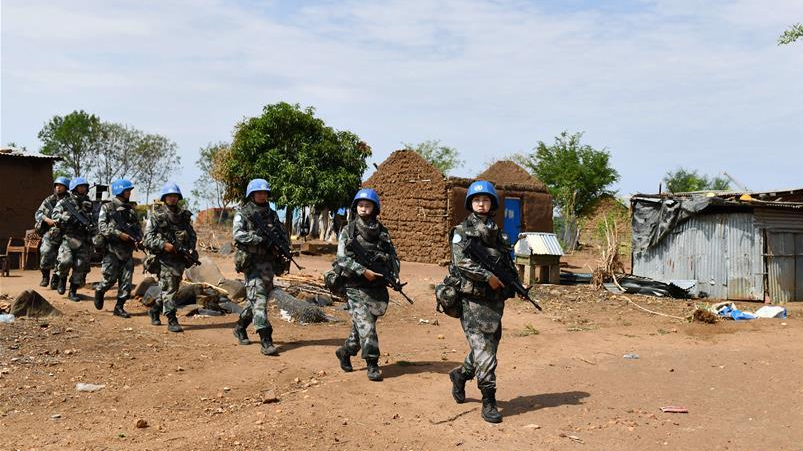
Chinese soldiers involved in peacekeeping operations performs a patrol mission in Juba, the capital of South Sudan, September 11, 2019. /Xinhua
***Editor’s note:*Lan Shunzheng is a research fellow at Charhar Institute and a member of the Chinese Institute of Command and Control. The article reflects the author’s opinions, and not necessarily the views of CGTN.
This year marks the 75th anniversary of the victory of the Chinese People’s War of Resistance against Japanese Aggression and the World Anti-Fascist War, the 75th anniversary of the founding of the United Nations and the 30th anniversary of the Chinese military’s participation in UN peacekeeping operations.
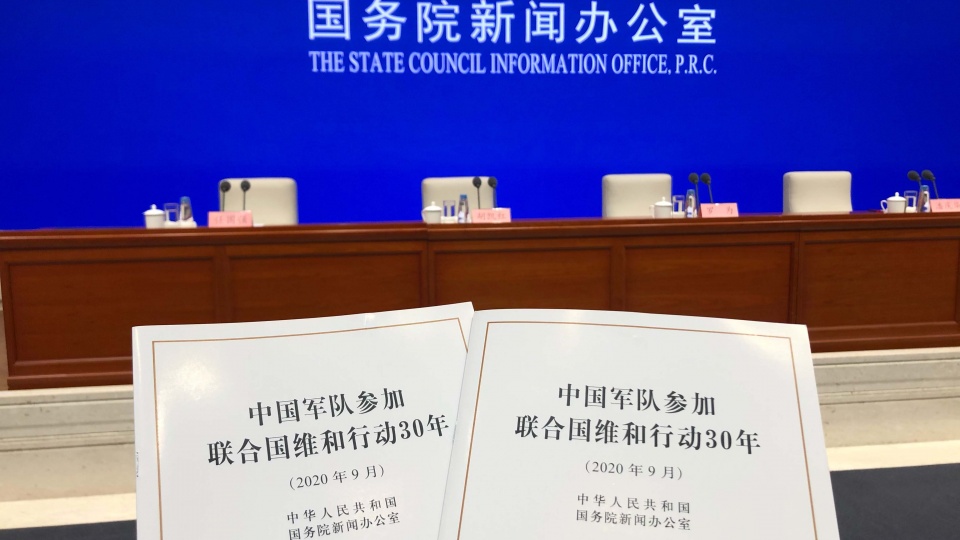
On September 18, the State Council Information Office released a white paper titled “China’s Military Has Participated in UN Peacekeeping Operations for 30 years,” which gives a detailed description and a summary of China’s peacekeeping operations over the years.
Peacekeeping operations, short for United Nations peacekeeping operations, are operations carried out by the United Nations to help maintain or restore peace and security in conflict areas, involving military personnel but without coercive force.
Peacekeeping force is a special cross-border force established in accordance with relevant United Nations resolutions. It was first established in 1956 during the Suez Canal crisis. It is also known as the “blue helmet” force. The force is voluntarily provided by United Nations Member States to prevent the escalation of local conflicts or their recurrence and to help civilians who have been victims of war to create conditions for an eventual political settlement. In 1990, China sent five military observers to the United Nations Truce Supervision Organization (UNTSO). Since then, China has formally joined UN peacekeeping operations. Today, China is the largest contributor of troops and the second largest contributor of peacekeeping funds among the permanent members of the UN Security Council.
There is no doubt that China’s participation in UN peacekeeping operations is of great significance to maintaining international security, realizing national interests and promoting military construction.
First of all, with the increasing strength of its comprehensive national strength, China is gradually approaching the center of the world stage, which requires China to gradually assume greater international responsibilities and participate in more international affairs. Peacekeeping operations are an effective tool for the UN to maintain international peace and security.
China’s State Council Information Office released a white paper on the participation of the country’s armed forces in the United Nations peacekeeping operations on September 18, 2020.
As a permanent member of the UN Security Council, China sends troops and police in a timely manner, makes contributions in full and on time, and fulfills its due obligations in accordance with the UN’s requests and requirements, which reflects the responsibilities of a major country. Moreover, China has demonstrated its responsibility as a major country by setting up the China-UN Peace and Development Fund, joining the UN peacekeeping standby mechanism and training peacekeepers from other countries.
Second, China’s active participation in peacekeeping affairs has further enhanced mutual understanding and trust with other countries and enhanced China’s influence in international and regional security affairs.
In September 2015, President Xi Jinping put forward the concept of “a community with a shared future for mankind” at the 70th anniversary of the UN. This concept fits well with the UN peacekeeping mission concept of “living for peace.” Peacekeeping operations provide an excellent platform for promoting and building a “community with a shared future for mankind.” Therefore, as the key work of the United Nations in maintaining international peace and security, China’s participation in peacekeeping operations is conducive to transforming China’s contribution and strength in peacekeeping operations into a voice and influence in international and regional security affairs.
In addition, it is an important part of China’s multilateral and military diplomacy. For a long time, some hostile forces have been trying to smear, vilify and distort the image of the Chinese military and its soldiers, resulting in the rampant spread of the “China’s military threat theory” and causing varying degrees of misunderstanding about the Chinese military by some foreign people and friendly countries.
By participating in peacekeeping operations and taking the initiative to spread the good image of the Chinese military and its soldiers, it proves with practical actions that “the Chinese military is a solid force for safeguarding world peace and stability.” At the same time, in the era of globalization, Chinese enterprises and capital are also going abroad to the world, so how to protect China’s overseas interests from infringement has become a problem that must be addressed.
Under such circumstances, the “going out” of the Chinese military is also an inevitable choice to cope with the “great changes” in the new era and safeguard the country’s overseas interests. Participating in UN peacekeeping operations, on the one hand, can help our military “go out” and engage in world affairs.
On the other hand, by participating in peacekeeping operations and completing different types of peacekeeping missions, China’s peacekeeping capabilities, as well as international exchanges and coordination and cooperation, can be comprehensively enhanced, and a new type of constructive and practical military relations with foreign forces can be formed.
It is clear that China will continue to make its own contribution to peacekeeping in the future. As stated in the White Paper, the Chinese military will continue to support UN peacekeeping operations, fulfill its commitment to safeguarding peace, and bring more confidence to conflict zones and greater hope to local people. China is ready to work with all peace-loving countries to firmly uphold and practice multilateralism, uphold the international system with the United Nations at its core, and uphold the basic norms governing international relations with the purposes and principles of the UN Charter as the cornerstone.