疫情肆虐下的“正能量” 中國正式加入“新冠肺炎疫苗實施計劃”_風聞
钢铁沧澜-2020-10-28 11:51
作者:蘭順正首發自:中國日報
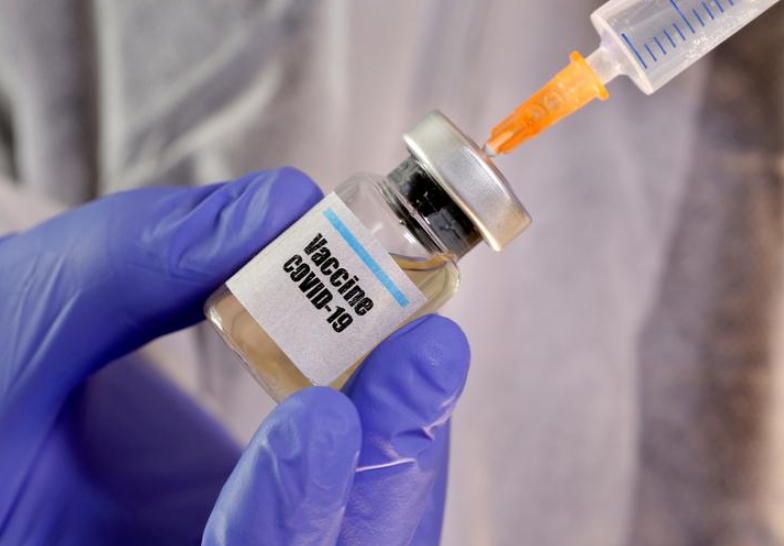
目前為止,新冠病毒仍然在全球範圍內蔓延,導致無數人深受其害,而且此次新冠肺炎疫情雖然是一場公共衞生危機,但其造成的衝擊並不侷限在公共衞生領域,其外溢效應也導致社會經濟、國家治理和國際秩序等方面受到很大的影響。面對新冠這樣的全球性危機,採取廣泛的國際合作自然勢在必行,但在實際操作中發達國家內部存在的逆全球化思潮卻讓全球層次的國際合作收效甚微。
其實自2016 年以來,以英國“脱歐”公投通過和美國特朗普政府頻繁“退羣”為標誌,多邊主義就開始遭遇一系列衝擊,而新冠病毒的傳播讓形勢變得更為糟糕。為防控疫情蔓延,許多國家採取了邊境管控措施,影響了全球貿易、投資和產業鏈佈局,也使得經濟全球化面臨新一輪保護主義和經濟民族主義帶來的壓力。同時對於一些內部反全球化聲音高漲的發達國家而言,此次疫情成為其抵制全球化進程的絕佳藉口。以上情況導致在國際公共衞生領域的深度合作遭遇困境,在此次危機中某些國家甚至不斷出現“甩鍋”、推責、不作為等行為。無疑,在疫情面前如果每個國家都“自掃門前雪”,那麼國力較弱的發展中國家受到的傷害肯定更大。一些亞非拉發展中國家和最不發達地區的民眾目前連食物和水資源都無法得到保障,更遑論有能力妥善應對疫情。而廣大發展中國家如果不能得到幫助,恐將引發巨大的人道主義危機和政治、社會危機,進一步加劇惡性循環。
現在各國正在努力研製新冠疫苗,作為人人慾得的“解藥”,如果不提前設立好科學合理的分配機制,那麼一旦疫苗問世,隨之而來的全球搶藥大戰可能導致疫苗價格呈指數級飆升,少數財力雄厚的國家可能會獲得大部分疫苗供應(多個發達經濟體已經通過與疫苗研發企業簽訂預先訂購合同的途徑,為滿足本國的疫苗使用需求做準備。據稱,美國、英國、歐盟和日本已經鎖定了13億支潛在新冠疫苗的使用權),這也可能導致新冠疫情長期肆虐。
為此,世界衞生組織主導了“全球冠病疫苗獲取機制”(簡稱COVAX),確保新冠疫苗能在全球公平分配。有報道指出,COVAX計劃包括聯合採購和分擔多種新冠疫苗風險的機制,無論哪種疫苗將來被證明安全有效,參與其中的國家都能夠及時獲得這些疫苗,不論是中低收入國家還是高收入國家。COVAX機制的目標是最遲於2021年底,在全球提供20億劑安全有效的冠病疫苗。
而中國加入COVAX計劃則可謂順理成章。自疫情發生以來,中國就在構建人類衞生健康共同體上不遺餘力地貢獻力量,積極支持世界衞生組織“全球疫苗免疫聯盟”等國際機構發揮作用。同時中國在新冠疫苗研發鄰域也取得了不小的成果,據世衞組織報告,目前全世界共有9例疫苗進入最後臨牀Ⅲ期試驗階段,其中中國疫苗佔4例。面對即將出爐的“解藥”,中國沒有獨善其身,習近平主席在今年5月世界衞生大會開幕式上表示,中國新冠疫苗將作為全球公共產品向世界提供,使中國成為首個向世界做出如此鄭重承諾的國家(而與中國相比,據德國和法國媒體的曝料,美國政府試圖重金利誘他國企業交出疫苗研發成果和優先預購權。對此德國媒體痛批道,美國的計劃向全世界展示了華盛頓的醜惡嘴臉)。COVAX計劃是一種多邊主義安排,被其推出者稱為“自巴黎氣候協定以來最具雄心的國際合作”,有助於集合全球之力盡早結束新冠大流行,到今年9月末已有172個國家和地區表示加入該計劃。此次中國加入COVAX計劃充分體現了對人類健康負責的大國擔當,正如外交部發言人華春瑩在回答相關提問時所言,這是中國秉持人類衞生健康共同體理念、履行自身承諾推動疫苗成為全球公共產品的一個重要舉措。另外,在逆全球化被大肆鼓吹之時,中國的行為也進一步彰顯了對於國際合作和多邊主義的支持,為全球共抗疫情以及疫情後的重振打了一針“強心劑”。
(以下為英文原文)
China’s efforts to make sure all countries get access to vaccinesBy Lan Shunzheng | China DailyUpdated: Oct 26, 2020
The COVID-19 vaccine race, including producing and buying vaccines, has intensified, making it increasingly important for the international community to make sure all countries have fair and equitable access to the vaccines once governments approve them for public use. China has signed an agreement with Global Alliance for Vaccines and Immunization, officially joining COVAX, an international initiative for equitable distribution of COVID-19 vaccines, and thus injected positive energy into global governance and strengthened multilateralism.
The novel coronavirus pandemic is still raging in many parts of the world. Worse, the pandemic has had spillover effects, leading to social unrest and governance crisis in some countries, and global recession, creating new challenges for the international community.
International cooperation is the only way to deal with the global health crisis. Yet global coordination has been impeded by the tide of anti-globalization, and the emergence of unilateralism and protectionism in some countries.
Brexit and the United States’ withdrawal from international organizations and global and regional agreements have had a huge impact on multilateralism. While border control measures and protectionism have made global trade and investment difficult, and disrupted industrial and supply chains, some countries have resorted to unilateralism and protectionism, and thus fanning anti-globalization sentiments.
All this has created obstacles for global cooperation in the fight against the pandemic. For instance, the US has failed to properly respond to the pandemic challenge, and to cover its failure, it has been blaming other countries, especially China, and the World Health Organization, for all its ills.
If developed countries become self-centered and selfish, the pandemic will extract a high cost on less-and least-developed countries, not least because they have comparatively weak medical care systems. Without global coordination and cooperation in the fight against the pandemic, a vicious circle would be created leading to a deeper humanitarian crisis.
The world is working around the clock to develop COVID-19 vaccines. But since developed economies, including the European Union, have signed purchase agreements in advance to ensure vaccine supplies, the world needs an equitable distribution mechanism so that vaccine prices are not too high for less-and least-developed to afford. If the prices are very high, most of the vaccines will be concentrated in the hands of a few rich countries.
It is precisely for this reason that 172 countries and regions, and international organizations such as the WHO and GAVI, the Vaccine Alliance promoted the COVAX initiative, which includes joint procurement and risk decentralization of different COVID-19 vaccines. The COVAX mechanism aims to provide at least 2 billion safe and effective COVID-19 vaccines by the end of 2021, and countries that participate in COVAX will get timely access to the vaccines that are approved as safe and effective.
China has been committed to building a global community of health for all since the pandemic broke out and has actively supported international organizations including the WHO and GAVI. It is also contributing to four of the nine candidate vaccines that have entered phase-III clinical trials across the world. China was also the first country to say that its vaccines will be made global public goods, as President Xi Jinping declared while addressing the 73rd World Health Assembly on May 18.
The COVAX initiative is an ambitious multilateral arrangement to help the world defeat the novel coronavirus. For years now, China has been shouldering its international responsibilities as a major country, and has taken an important step to help build a global community of health for all by declaring that its vaccines will be treated as global public goods. And it is driving international cooperation and multilateralism at a time when the world needs more joint actions, not divisive talks and belligerent rhetoric, to contain the pandemic and boost post-pandemic global recovery.
The author is a research fellow at the Charhar Institute and a member of the Chinese Institute of Command and Control. The views don’t necessarily represent those of China Daily.