面對新一屆美國政府,歐洲各國對於防務獨立問題再現分歧_風聞
钢铁沧澜-2020-11-25 11:28
作者:蘭順正首發自:CGTN
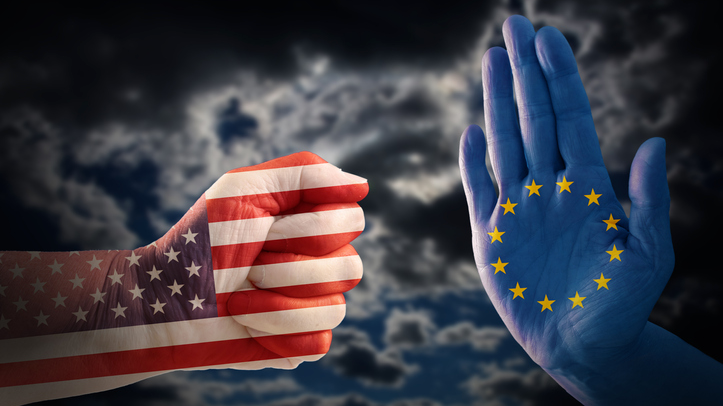
有關歐洲防務一體化問題的探討由來已久。二戰後,在英國的倡議下,西歐國家就建立了共同防禦西歐的西歐聯盟以抱團取暖。雖然該聯盟剛誕生不久,其共同防禦功能便被北約替代,但是歐洲國家此後並未放棄努力。如在2004年歐洲防禦局成立,以支持歐盟成員國提升軍事實力,滿足歐洲安全與防務政策的需要。
眾所周知,特朗普在入主白宮以後,由於其本人對於“美國優先”的固執,導致美國與歐洲盟友的關係出現大幅度的倒退。特朗普多次公開表示,歐盟一直以來就非常依賴美國,可以説整個歐盟安全都是由美國來保護的,但是歐洲所付出的軍費只有非常小的一部分。除此之外,歐盟還在貿易問題上佔了美國的便宜。就在今年5月,據福克斯新聞報道,特朗普在採訪中聲稱歐洲應向美國補償5000億美元的損失,如果歐洲不給予補償,那麼就會撤走美國駐紮在歐洲的20萬大軍。此番言論一出,道瓊斯工業指數在30分鐘內急跌450點。特朗普的獅子大開口以及退羣成風,讓歐洲盟國普遍感到寒心。因此這些年來歐洲國家的防務獨立意識得到進一步的加強。在2018年6月,歐盟9國防長在盧森堡簽署“歐洲干預倡議”意向書,承諾組建一個歐洲聯合軍事幹預部隊,在針對可能威脅歐洲安全的危機,能夠立即採取軍事部署。這其中,法國的表現最為積極,總統馬克龍多次呼籲歐洲防務獨立並打造“歐洲軍隊”。
但是如果未來拜登上台,對於歐洲防務獨立將又會產生新的影響。目前看來,在對歐政策上拜登將會與特朗普形成鮮明對比。拜登猛烈抨擊特朗普疏遠美國盟友的一系列舉措,他認為美國仍然是且應當是“自由世界”的領導者,“退羣”行為會削弱美國在其傳統同盟體系和國際組織內的影響和地位。他將會採取多邊主義的方針,修補並強化美國在全球民主同盟中的領導地位,甚至希望重構這個聯盟的關鍵要素,使之在面對所謂的“非民主國家”威脅時,更能促進美國的利益和價值觀。拜登表示,下一任總統必須“挽回我們的聲譽,重建對我們領導層的信心,並動員我們的國家和盟友迅速應對新的挑戰”。拜登承諾,他將“立即採取措施,恢復美國的民主和聯盟,保護美國的未來經濟”。
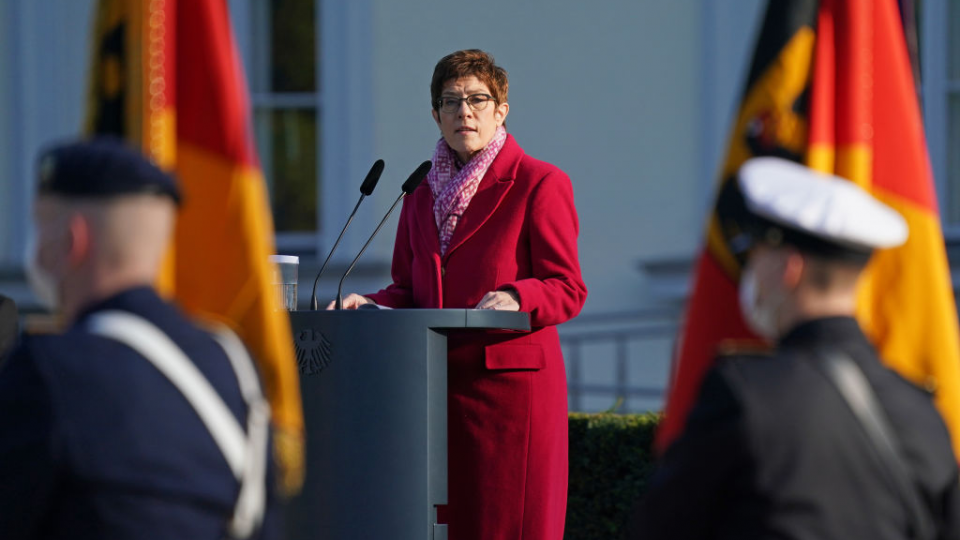
作為歐洲兩個大國之一,德國本是歐洲防務獨立的重要支柱,但是目前看來隨着拜登距離白宮越來越近,德國又出現了向美國靠攏的趨勢。據稱在11月2日,德國國防部長卡倫鮑爾在接受美國“政治新聞網”採訪時表示,歐洲在不久的將來將不得不繼續依賴美國的軍事保護。有分析認為,德國的突然轉向與駐德美軍撤離問題有關。因為德國不是一個核武器國家,常規武器裝備也嚴重老化,所以德國儘管對於防務獨立很熱心,但在傳統安全領域依舊嚴重依賴美國的保護。在6月15日,特朗普曾表示將把駐德國美軍人數減至2.5萬人,德國目前駐有美軍約3.45萬人,美國如果當真撤軍至2.5萬人,將使駐德美軍規模縮減近三分之一,對於德國的國家安全會產生很多不利影響。而根據最近的報道,美方一位高級外交政策助理稱,拜登計劃在上任後對從德國撤軍的事情進行重新評估,這無疑會讓德國內部的親美勢力抬頭。此次馬克龍的發言,主要針對的就是卡倫鮑爾的言論。馬克龍表示,“我完全不同意德國國防部長在‘政治新聞網’上發表的觀點”。馬克龍説,“只有我們認真看待自己並對國防擁有主權時,美國才會尊重我們作為盟國”。顯然,馬克龍是在努力將德國拉回自己的陣營。
綜上,在面對新一屆美國政府時,歐洲各國對於歐洲防務獨立問題將再次出現分歧。
(以下為英文原文)
Facing Biden, Europeans may be divided over defense independence again
Lan Shunzheng
Although the incumbent U.S. President Donald Trump has so far refused to concede the defeat of the 2020 presidential election, there has been a growing convergence of views on Joe Biden’s victory. It is conceivable that a new administration under Biden would lead to changes in U.S. foreign policy.
French President Emmanuel Macron said on November 15 that Europe still needs its own independent and sovereign defense strategy, even as relations with the new U.S. administration improve. It is not hard to see that European countries will have another round of debate about the future of European defense independence.
The question of European defense integration has been discussed for a long time. After World War II, at the initiative of Britain, Western European countries formed the Western European Union (WEU) to defend Western Europe together.
Although the alliance’s mutual-defense function was replaced by NATO shortly after its birth, the Europeans have not given up since. For example, the European Defense Agency was established in 2004 to support EU member states to upgrade their military capabilities and meet the needs of the European security and defense policy.
After Trump entered the White House, his “America first” approach has led to a significant regression in the relationship between the U.S. and its European allies. Trump has stated publicly many times that the EU has always been very dependent on the United States.
It can be said that the security of the entire EU is protected by the U.S., but the military expenditure of Europe is only a very small part. On top, the EU is taking advantage of the U.S. on trade issues.
As recently as May, according to Fox News, Trump claimed in an interview that Europe should compensate the U.S. $500 billion in losses and would withdraw 200,000 U.S. troops from Europe if Europe did not pay. This sent the Dow Jones Industrial Average down 450 points in 30 minutes.
Trump’s big opening and retreat have sent a chill through the European allies. So in recent years, the defense independence consciousness of European countries has been further strengthened.
In June 2018, nine EU defense ministers signed a letter of intent on the European Intervention Initiative in Luxembourg, pledging to form a joint European military intervention force capable of immediate military deployment in response to crises that may threaten European security. France has been the most active, with President Macron repeatedly calling for an independent European defense and a “European army.”
But a future Biden presidency would have new implications for European defense independence. For now, Biden will stand in stark contrast to Trump in his approach to Europe.
Biden lashed out at a series of moves by Trump to distance himself from U.S. allies, arguing that the U.S. remains and should be the leader of the “free world,” and that “withdrawal” would undermine the influence and position of the U.S. within its traditional alliance system and international organizations.
He may take a multilateralist approach, repair and strengthen America’s leadership in the global alliance, and even hope to reshape key elements to better promote American interests and values in the face of threats from so-called “non-democracies.”
What is clear is that Biden will be wooing European allies, and that this will encourage some European countries that once advocated independence to rely on America for their security.
Take Germany as an example. In recent years, due to the tariff war on steel, aluminum and automobiles between Europe and the U.S., sanctions on the Nord Stream 2 pipeline, Iran’s nuclear agreement and other issues, Germany has complained about the United States.
Therefore, Germany has been relatively supportive of European defense independence. Macron called for the creation of a “European army” at the centenary of the end of World War I on November 6, 2018. Echoing Macron’s proposal, German Chancellor Angela Merkel has made it clear that Europe needs a true European army as a gesture of EU solidarity.
As one of Europe’s two great powers, Germany was once a pillar of European defense independence, but now appears to be moving closer to the U.S. as Biden draws closer to the White House.
On November 2, German Defense Minister Annegret Kramp-Karrenbauer reportedly told Politico that Europe will have to continue to rely on U.S. military protection in the near future. Some analysts believe that Germany’s sudden turn has something to do with the withdrawal of American troops in Germany.
As Germany is not a nuclear-weapon state and its conventional weapons equipment is also seriously aging, despite its enthusiasm for defense independence, Germany still relies heavily on the protection of the U.S. in the traditional security field.
On June 15, Trump said that he would reduce the number of U.S. troops in Germany to 25,000. Currently, there are about 34,500 U.S. troops in Germany. If the U.S. really withdraws to 25,000, it will reduce the size of the U.S. troops in Germany by nearly one third, which will have adverse impact on Germany’s national security.
Antony Blinken, a senior U.S. foreign policy aide to Biden, said that Biden plans to re-evaluate the withdrawal of troops from Germany after taking office, which will undoubtedly lead to the rise of pro-American forces in Germany.
Aiming at the comments of Annegret Kramp-Karrenbauer, Macron said, “I totally disagree with what the German defense minister said on Politico. The United States will respect us as an ally only if we take ourselves seriously and have sovereignty over our defense.” Macron is clearly trying to pull Germany back into his fold.
In conclusion, in the face of the new U.S. administration, European countries seemed to be once again divided on the issue of European defense independence.