以色列和摩洛哥關係趨於正常化,西撒問題再次成為國際熱點_風聞
钢铁沧澜-2020-12-15 11:10
作者:蘭順正
首發自:CGTN
西撒哈拉位於非洲西北部,濱臨大西洋,與摩洛哥、毛利塔尼亞、阿爾及利亞相鄰。目前人口約50萬,面積26萬平方公里。西撒地區長期存在爭議,1884 年西班牙在這一地帶建立了北起塔法亞,南至達克拉的殖民統治。1958 年西撒正式成為西班牙的行省,被稱為“西屬撒哈拉”。當時西撒的鄰國摩洛哥和毛里塔尼亞以“歷史依據”為由,都對西撒有領土主張。1973 年 5 月,主要由撒哈拉威人組成的西撒民族獨立組織—西撒哈拉人民解放陣線(簡稱“西撒人陣”)成立,主張通過武裝鬥爭驅逐西班牙殖民者,實現民族解放。1976 年 2 月 26 日,西班牙宣佈撤離西撒,結束殖民統治。次日,摩洛哥與毛里塔尼亞簽署分治西撒的協定,將北部 17 萬平方公里領土劃歸摩洛哥,其餘劃歸毛里塔尼亞。兩國軍隊隨後進入西撒境內“分區佔領”。此舉遭到西撒人陣的堅決反對和阿爾及利亞的強烈譴責。隨後,在阿爾及利亞的支持下,西撒人陣宣佈成立“阿拉伯撒哈拉民主共和國”,西撒戰爭爆發。1978 年毛里塔尼亞因戰事不利,退出戰爭並放棄領土要求,其佔領區為摩洛哥軍隊所佔據,西撒戰爭也演變為摩洛哥和西撒人陣之間的長期武裝衝突。1991 年摩洛哥與西撒人陣正式簽署停火協議,並同意次年在聯合國的組織下進行獨立公投,至此長達 16 年的武裝衝突方才告一段落。
但是雙方雖然同意停火,西撒的局勢卻依舊沒有穩定。摩洛哥與西撒人陣在“自決”的定義上一直有很大分歧。西撒人陣堅持西撒的最終地位通過全民投票的“自決”方式來決定,其中包括將獨立舉行全民投票作為一種選擇; 而摩洛哥則認為西撒的“摩洛哥性”不可改變,堅持西撒“在摩洛哥主權範圍內實行高度自治”,在自治的基礎上進行“自決”。這樣的分歧使得公投計劃於 1998 年後陷入停滯,後來雖有聯合國維和部隊進駐,但雙方依舊衝突不斷。就在今年11月,雙方又爆發激烈摩擦。在目前的西撒,西撒人陣統治着該地區以東大約四分之一的荒蕪地區,其餘大部分均為摩洛哥所佔領。
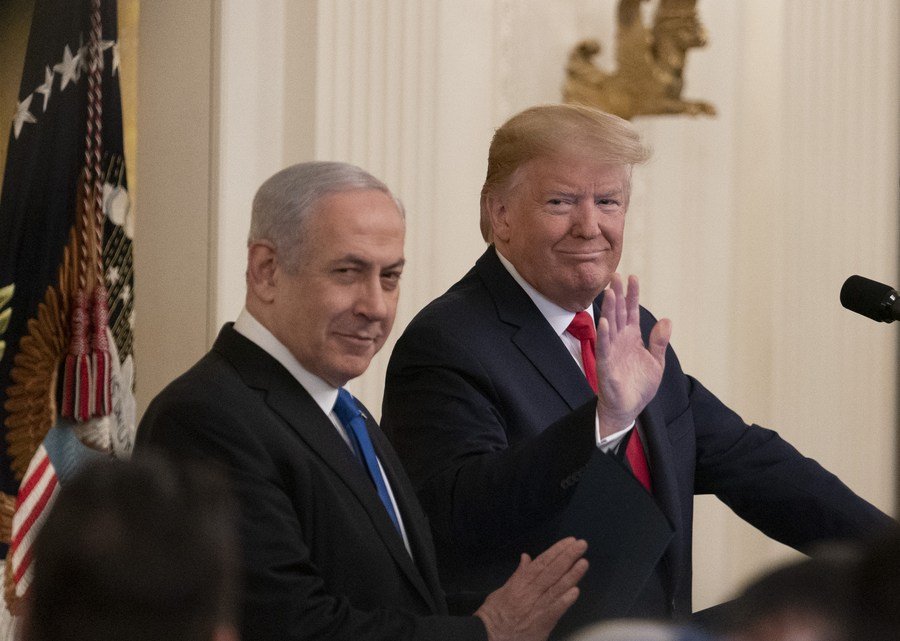
眾所周知,隨着自己的政治生命已進入倒計時,特朗普正急於留下足夠分量的政治遺產,這其中阿以關係則是重點。為了能在下台前促進以色列和摩洛哥關係正常化,特朗普不顧西撒地區的複雜性承認了摩洛哥對西撒的主權,而這將可能導致該地區的形勢進一步複雜化。
域外大國的干預本就是西撒問題久拖不決的重要原因之一。雖然自1975年以來,聯合國大會多次通過關於西撒哈拉問題的決議,重申西撒哈拉人民有不可剝奪的自決和獨立的權利,但是以法國、美國為主的西方大國則出於地緣政治利益的考慮,利用其在聯合國安理會的權力阻止了衝突的解決。為了回報摩洛哥長期為西方國家在非洲地區打擊民族主義、共產主義代理人以及“反恐”,一些西方國家往往在西撒問題上傾向於摩洛哥,導致聯合國的權威性大大降低。而摩洛哥在這些國家的支持下,不顧安理會第 380 號決議中要求摩洛哥從西撒撤退的規定,持續加強對西撒的控制,並不斷擴大其“自治”計劃。此次摩洛哥外交大臣布里達在12月10日表示,美國承認摩洛哥對西撒哈拉的主權是“重要的一步”。他表示,這是國王穆罕默德六世與美國總統特朗普直接溝通的結果,確認了摩洛哥對其領土的主權;並且美國已經決定在西撒哈拉城市達赫拉設立領事館,這將進一步強化美國對摩洛哥西撒哈拉領土主權的確認。
另外自1975 年以來,衝突導致成千上萬的西撒人民逃離爭議領土,這些難民在極端惡劣的條件下生存,引發了嚴重的人道主義危機。而西撒特殊的地理位置和亂局,更為地區恐怖主義的滋長和國際恐怖主義的滲透提供了温牀。有跡象表明,極端恐怖主義已經滲透到西撒人陣的營地。同時西撒因戰爭留存下來的大量地雷和其他爆炸物,不僅危及當地居民的生命,還成為該地區恐怖分子獲取武器的來源和途徑之一。可以看出,未來一旦戰火重燃,以上種種問題會讓該地區局勢更加雪上加霜。對此,在以色列和摩洛哥達成協議後,聯合國秘書長古特雷斯緊急表態稱:聯合國對西撒哈拉的立場沒有變;解決西撒問題必須基於安理會的決議;雙方要避免局勢激化的舉動。
綜上,由於特朗普的“急功近利”,未來西撒局勢可能再次惡化,對了各方應予以關注。
(以下為英文原文)
Western Sahara becomes intl hotspot as Israel, Morocco normalize ties
***Editor’s note:*Lan Shunzheng is a research fellow at Charhar Institute and a member of the Chinese Institute of Command and Control. The article reflects the author’s opinions, and not necessarily the views of CGTN.
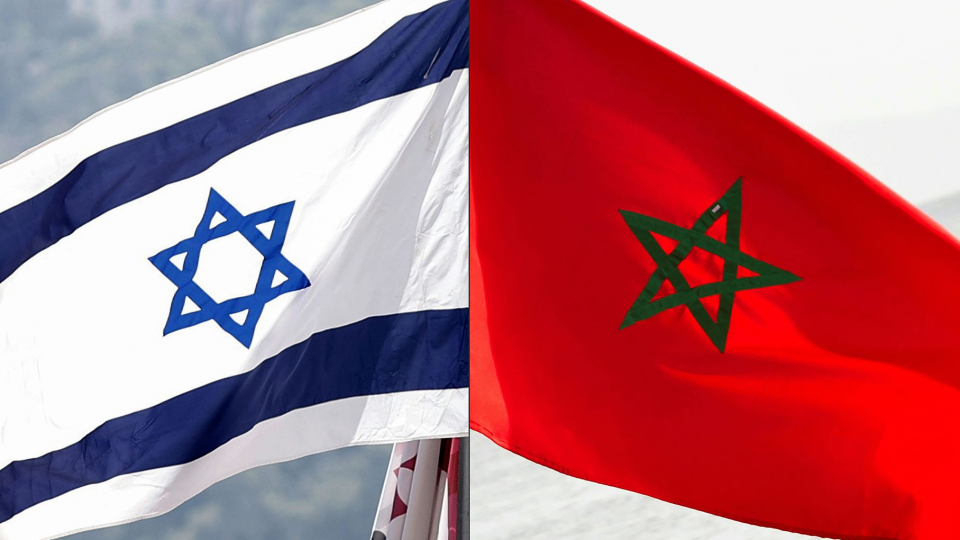
Israel and Morocco have reached an agreement to normalize relations between the two countries. It is the fourth Arab country to normalize relations with Israel in the past four months, after the United Arab Emirates, Bahrain and Sudan. As part of the deal, the Trump administration agreed to recognize Morocco’s sovereignty over Western Sahara. What is clear is that the American approach will make the question of Western Sahara an international hotspot once again.
The Western Sahara has long been a disputed territory in northwest Africa. In 1884 Spain established a colonial rule of the region. Morocco and Mauritania, neighbors of the Western Sahara at the time, both had territorial claims, citing “historical grounds.”
In May 1973, the Polisario Front, an independent organization mainly composed of Sahrawi people, was established. It advocated the realization of national liberation by expulsion of Spanish colonialists through armed struggle. Spain announced its withdrawal from Western Sahara in 1976, ending its colonial rule.
Morocco and Mauritania then signed an agreement on the partition of Western Sahara. The two armies then moved into Western Sahara for a “subdivision occupation.”
Subsequently, with the support of Algeria, Polisario Front declared the establishment of the “Saharan Arab Democratic Republic,” and the Western Sahara war broke out.
In 1978, Mauritania withdrew from the war and gave up its territorial claims because of the hostilities. The territory was occupied by the Moroccan army, and the Western Sahara war turned into a protracted armed conflict between Morocco and Polisario Front. The 16-year conflict ended in 1991 when the two sides signed a ceasefire agreement. A UN mission was tasked with monitoring the ceasefire and organizing a referendum on self-determination in Western Sahara.
However, the situation in Western Sahara remained unstable, because divisions between the two parties have stalled plans for a referendum. Conflict has continued despite the presence of UN peacekeepers.
As he counts down the days to his political life, Trump is in a hurry to leave a substantial legacy, with Arab-Israeli relations at the center of it all. In an effort to normalize relations between Israel and Morocco before stepping down, Trump has acknowledged Morocco’s sovereignty over Western Sahara despite the complexities, which could further complicate the situation in the region.
The intervention of non-regional powers is one of the important reasons why the question of Western Sahara has dragged on. Although since 1975, the UN General Assembly has reiterated that the Western Sahara people have the inalienable right to self-determination and independence, some Western countries tend to favor Morocco over the issue of Western Sahara for reasons of geopolitical interests, which greatly reduces the authority of the UN. Morocco, with the support of these countries, has continued to strengthen its control over the region and to expand its plan of “autonomy” in spite of the provisions of Security Council Resolution 380, which calls for its withdrawal from Western Sahara.
It is not hard to imagine that, with America’s explicit backing, Morocco will be even more secure in the future over Western Sahara. If Morocco takes any further action, Polisario Front is bound to react strongly.
At the same time, Polisario Front is not alone. Dozens of countries including Libya, Mauritania, Nigeria, Ethiopia, Tanzania and Mozambique have recognized “Saharan Arab Democratic Republic” as an independent state; Algeria has also been a major force in pushing for a settlement of the Western Sahara issue under the UN framework and has been one of the “strategic equalizers” against the “long-standing support for Morocco” consensus between France and the U.S. on the Sahara issue. The possibility of a war between Morocco and Polisario Front or even Algeria would therefore be greatly increased.
In addition, since 1975, the conflict had led to the flight of thousands of people from the disputed territories who were living in extremely harsh conditions and had created a serious humanitarian crisis. The special geographical position and chaos of Western Sahara have provided a hotbed for the growth of regional terrorism and the infiltration of international terrorism.
At the same time, the large number of mines and other explosives left over from the war in the region not only endangered the lives of the local population, but also became a source and means for terrorists to obtain weapons in the region. All this could make the situation in the region even worse in the future, should fighting resume.
In this regard, after Israel and Morocco reached an agreement, the UN Secretary General Guterres said urgently that the UN position on Western Sahara has not changed; the settlement of the question of Western Sahara must be based on a Security Council resolution, and both sides should avoid any escalation of the situation.
To sum up, due to Trump’s eagerness for quick success and quick benefits, the situation over Western Sahara may deteriorate again in the future, and all parties should pay attention to it.