聯合國不能在大國競爭中坍塌-周波
【文/周波】
9月21日,聯大將慶祝聯合國成立75週年。這個古稀之年的組織面臨的問題不是如何生存下去,而是如何進一步發展壯大。
聯合國的重要性首先是心理層面上的。它的年齡比許多人都大,因此其存在被視為理所當然。這個誕生於二戰廢墟之上的世界上最大的政府間組織看起來像是一個大家庭,193個成員在其中和平地討論問題,這給人安全感和被保護感。
理解聯合國的最佳方式是想象一下:假如沒有聯合國,誰來關照我們共同的教育、衞生和人道主義需求?誰來促進我們的社會、經濟和文化發展?據聯合國統計,世界上仍有6.9億人每天餓着肚子入睡,這就是為什麼聯合國世界糧食計劃署是不可或缺的。
其次,聯合國基本上履行了其首要職責,即把人們從“戰禍”(聯合國憲章用語)中解救出來。自1945年第二次世界大戰結束以來,世界沒有再發生過大的戰爭,自羅馬帝國迄今,我們享受的和平時期之長,是史無前例的。
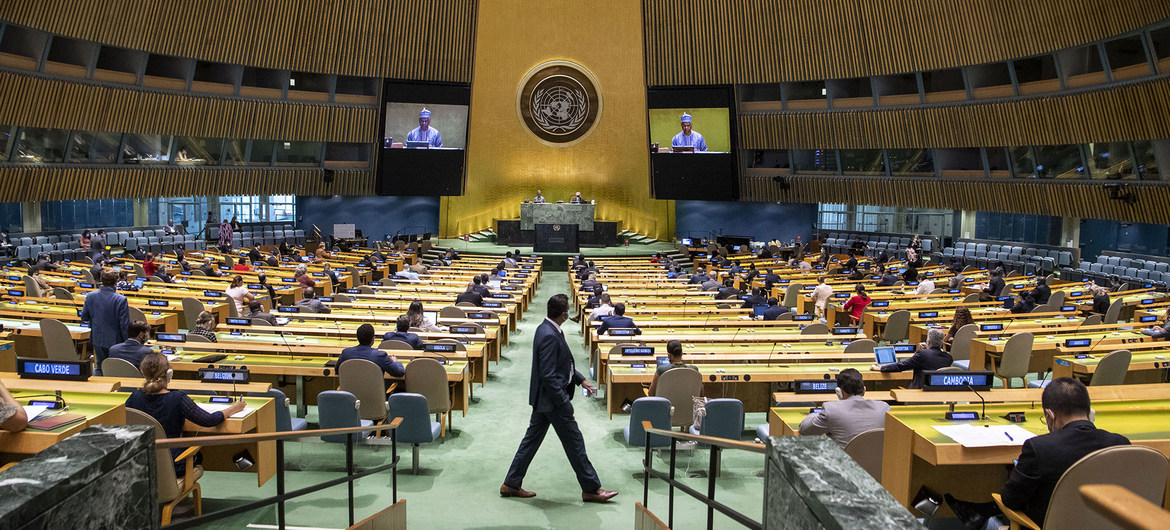
新冠疫情暴發以來,聯合國大會通過在線方式舉行會議,9月3日是自3月以來聯大首次舉行面對面會議。圖自聯合國官方網站
我們當下之所以在認真討論一些次要威脅,比如恐怖主義、小型武器擴散和人口販運,以及氣候變化等非傳統安全問題,是因為我們知道當今世界發生大戰的可能性已經降低。
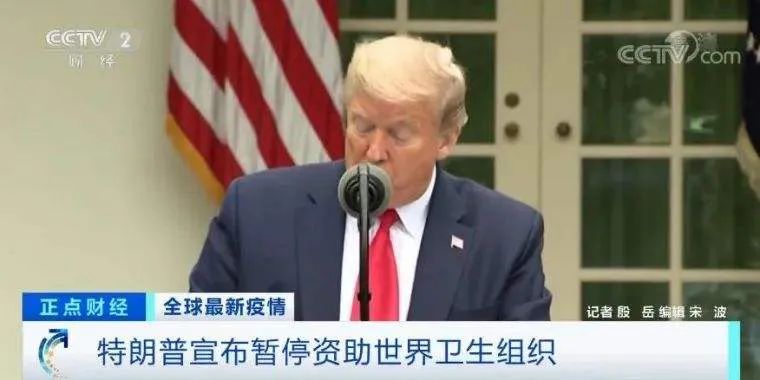
然而,如果特朗普再次當選美國總統,聯合國會面對一個迫在眉睫的考驗。對於一個下令美國退出伊核協議、巴黎氣候協定和世界衞生組織(此處僅舉幾例)的人來説,他在未來四年還會製造什麼破壞才是個問題。
如果拜登當選總統,“美國第一”很可能變成“美國領導”。拜登承諾廢除特朗普的一些政策,包括恢復美國對世衞組織的資助和成員資格及重新加入巴黎協定。但是他也會發現,對於一個不總是為美國利益服務的國際體系,美國公眾愈來愈厭倦,這種情緒是很難改變的。
聯合國的效率和效力主要取決於安理會五個常任理事國如何就其不同的國家利益做出妥協。自2011年以來,俄羅斯已投下19次否決票,其中14票是關於敍利亞問題。在此期間,中國的9次否決中也有8次是有關敍利亞的。但僅憑此就斷定安理會分為中俄和美英法兩個陣營是幼稚的。
今年8月,美國最鐵桿的兩個安理會盟友,就與中國和俄羅斯一道,拒絕了華盛頓對伊朗重新實施聯合國制裁的企圖。特朗普自認是一個驕傲的民族主義者,但正如法國總統馬克龍在紀念第一次世界大戰結束100週年之際所説的,“民族主義是對愛國主義的背叛”。
隨着大國競爭的展開,聯合國已經不出所料地成為中美兩國的主戰場,北京支持世衞組織和華盛頓退出世衞組織就是一個典型的例子。這對聯合國來説是一個巨大的風險,因為中國和美國同為聯合國總預算和維和預算最大的兩個出資國。
在上一次聯合國大會上,秘書長古特雷斯談到了他對“大分裂”的擔憂,即兩個最大的經濟體相互分離、相互競爭造成的全球分裂。
但是,儘管華盛頓看起來決心要離婚,聯合國仍然是這對關係疏遠的“夫婦”不得不共處的空間。在1948年柏林封鎖期間,美國和蘇聯外交官繼續在聯合國交換信息和想法。今天,華盛頓仍然需要與北京在擴大對朝制裁等問題上達成妥協。
可以確定的是,中國在聯合國的影響力已顯著上升。與經常抱怨聯合國的美國不同,中國一貫呼籲採取措施加強聯合國的作用,並不遺餘力地倡導多邊主義。近年來,中國人在不同的聯合國機構裏擔任了更多的高級職位。過去十年,聯合國機構裏中國人的數量至少翻了一番。
聯合國也完全有理由期盼中國發揮更大的作用。作為世界上最大的多邊機構,聯合國當然歡迎北京倡導多邊主義,尤其是考慮到即將召開的聯合國大會的主題是“重申我們對多邊主義的集體承諾”。
美國欠聯合國10多億美元的會費未繳,相反,中國總是按時全額繳付其份額,而且還自願向聯合國機構提供各種基金。中國還努力在今年年底前消除14億人口中的絕對貧困,這是聯合國2030年可持續發展目標的一個光輝榜樣。
具有諷刺意味的是,在美國退出國際體系的同時,中國卻在融入國際體系。中國已經加入了幾乎所有的國際條約和公約,因此理論上來説,北京不會像美國聲稱的那樣,想去挑戰基於規則的秩序。
北京也不會像華盛頓懷疑的那樣,試圖篡奪美國的全球領導地位。這一點在聯合國最為明顯。美國是最大的出資國,佔聯合國今年預算的22%,其次是中國,佔預算的12%。
這個差距太大了,中國想彌合也做不到。而恰恰因為中國是第二大出資國,與美國合作提高聯合國的效力和效率,才更符合北京的利益。
最近,在北京舉行的紀念聯合國成立75週年的一次研討會上,新加坡學者馬凱碩提問聯合國是一個“朝陽組織”還是“夕陽組織”。75歲的聯合國很難説是前者,但肯定也不是垂暮之年。它看起來更像一個巨大的庇護所,如果維護得當,可以為我們所有人提供安全。它太重要了,因此絕不能坍塌。
(中國論壇許馨勻譯自南華早報)
英文原文如下:
Amid great power rivalry, the UN is a vital security shelter. It cannot fail
As the United Nations General Assembly celebrates its 75th anniversary on September 21, the question for the septuagenarian is not how to survive, but how to thrive.
The UN’s importance is firstly psychological. It is older than many people and mostly taken for granted. The largest intergovernmental organisation born out of the ashes of World War II looks like a big family where things are discussed peacefully among its 193 members. This gives a feeling of assurance and protection.
The best way to understand the UN is to imagine a world without it: who would take care of our common education, health and humanitarian needs, and our social, economic and cultural development? According to the UN, 690 million people still go to bed on an empty stomach. This is why the UN World Food Programme is indispensable.
Second, the UN has, by and large, fulfilled its primary role of saving people from “the scourge of war”. The long period of peace we are enjoying – an absence of major wars since the end of the second world war in 1945 – has not been documented since the Roman Empire.
That we are seriously discussing second-tier threats such as terrorism, the spread of small arms and human trafficking, and non-traditional issues such as climate change is because we know major wars are less likely today.
However, a test of the UN may be around the corner if US President Donald Trump is reelected. For a man who has ordered the United States to pull out of the Iran nuclear deal, Paris climate deal and World Health Organisation, to name just a few, the question is what other damage he would inflict in the next four years.
If Joe Biden is elected instead, “America first” is more likely to become “America-led”. He has pledged to demolish some Trump policies, including restoring US funding and membership of the WHO, and rejoining the Paris agreement. What he will find hard to change, however, is the American public’s growing weariness of an international system that does not always deliver for US interests.
The UN’s efficiency and effectiveness depends primarily on how the five permanent members of its Security Council compromise on their divergent national interests. Since 2011, Russia has cast 19 vetoes, 14 of which were on Syria. Eight of the nine Chinese vetoes during this period were over Syria. But it would be naive to conclude that the council is divided into two camps, with the US, Britain and France on the other side.
In August, America’s two strongest Security Council allies joined China and Russia in rejecting Washington’s attempt to reimpose UN sanctions on Iran. Trump is a proud nationalist. But as French President Emmanuel Macron said, almost in his face during the 100th anniversary of the end of World War I, “nationalism is a betrayal of patriotism”.
As a major power competition unfolds, the UN has unsurprisingly loomed as a main battleground for China and the US. Beijing’s support for and Washington’s withdrawal from the WHO is a typical example. This is a huge risk for the UN – China and the US are also the largest financial contributors to the UN’s general and peacekeeping budgets.
At the last UN General Assembly, Secretary-General Antonio Guterres talked about his fear of a “Great Fracture” – a global split as the two largest economies create separate and competing worlds.
But even if Washington looks determined to file for divorce, the UN is still a useful avenue for the estranged to get along. During the 1948 Berlin blockade, US and Soviet diplomats continued to exchange messages and ideas in the UN. Today, Washington still needs Beijing to strike compromises on, say, expanding sanctions on North Korea.
It is obvious that China’s influence in the UN has risen significantly. Unlike the US, which complains about the world body regularly, China has consistently called for measures to enhance the UN and is a cheerleader of multilateralism. In recent years, Chinese nationals have taken more – and senior – posts in different UN agencies. The number of Chinese nationals has at least doubled in the past decade.
The UN, too, has every reason to want to see a stronger Chinese role. Beijing’s championing of multilateralism is certainly welcome for the world’s largest multilateral institution, especially given the theme of the upcoming UN General Assembly: “reaffirming our collective commitment to multilateralism”.
The US owes the UN more than US$1 billion in unpaid dues, yet China pays its financial share on time and in full. It has also been doling out voluntary funds to UN bodies. And China’s efforts to reduce extreme poverty among its 1.4 billion people by the end of this year is a shining example for the UN’s 2030 sustainable development goals.
It is ironic that China is integrating with the international system as the US withdraws. China has joined almost all international treaties and conventions so, in theory, Beijing should have no reason to wish to challenge the rules-based order, despite US claims.
Nor is Beijing seeking to usurp America’s global leadership, as Washington suspects. This is most clear in the UN, where the US is the largest provider of financial contributions, responsible for 22 per cent of the budget this year, with China the next largest at 12 per cent.
The gap is too big for China to close, even if it wanted to. And precisely because China is the second-largest contributor, it is in Beijing’s interests to work with the US to make the UN more effective and efficient.
At a recent symposium in Beijing to mark the UN’s 75th anniversary, Singaporean academic Kishore Mahbubani asked whether the UN is a sunrise or sunset organisation. At 75, it can hardly be described as the former, but it certainly isn’t in its twilight years either. It looks more like a vast shelter that, properly maintained, could provide security for us all. It is too important to fail.
本文系觀察者網獨家稿件,文章內容純屬作者個人觀點,不代表平台觀點,未經授權,不得轉載,否則將追究法律責任。關注觀察者網微信guanchacn,每日閲讀趣味文章。