華裔物理學家説,打擊間諜活動損害了美國的科學_風聞
ultracold-to be AND not to be2021-04-24 16:29
本文是機翻的美國物理學會旗下網絡期刊physics的文章 Crackdown on Spying Damages US Science, Says Chinese-Born Physicist。僅供參考,不代表本人觀點和意見。
華裔物理學家説,打擊間諜活動損害了美國的科學
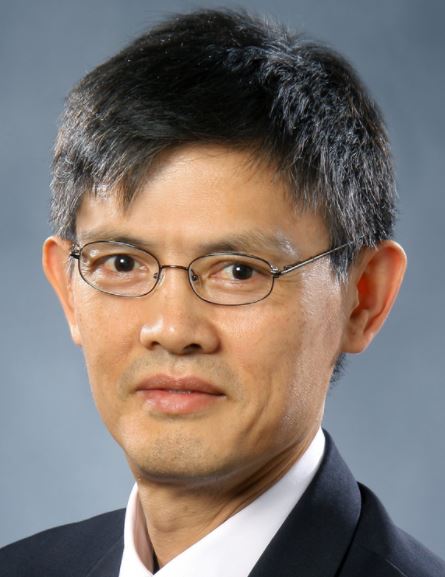
天普大學的郗小星是2020年APS(美國物理學會)薩哈羅夫獎的獲得者
美國政府最近對經濟間諜活動採取了強硬的態度,逮捕了幾名涉嫌分享技術秘密或隱藏與中國政府關係的研究人員。但這種打擊可能會產生不必要的影響。物理學家郗小星説:“無辜的華裔美國科學家正成為不公平的目標,“他是2020年APS(美國物理學會) 薩哈羅夫獎的兩位得主之一。費城天普大學的郗小星在2021年APS(美國物理學會)三月會議上發言。他説,國家安全機構的這種針對行為可能會給美國的研究帶來災難性的後果,他敦促科學家們保護他們的中國同事免受不公正的待遇。
郗小星對這件事有切身的體會。2015年5月,他被聯邦調查局逮捕,罪名是向中國輸送美國敏感技術。但起訴書 “是完全錯誤的”,郗小星告訴他的APS(美國物理學會)聽眾。審訊他的聯邦調查局人員 “對科學是如何進行的一無所知,他們將常規的學術活動視為犯罪。” 四個月後,指控被撤銷,郗小星被釋放,因為獨立專家説服了聯邦檢察官,郗小星與他的中國同事分享的原理圖並沒有描述任何敏感技術。自那時起,郗小星一直致力於提高像他這樣的案件的知名度,這使得薩哈羅夫獎委員會去年對他進行了表彰。
在他的演講中,郗小星強調了美國政府成員所表達的幾個誤解。例如,在郗小星展示的一個視頻片段中,前國務卿邁克-蓬佩奧對中國學生和僱員進行了評論。“他們中的許多人來到這裏,竊取我們的知識產權,並將其帶回自己的國家。共產主義中國已經在我們的邊界內。” 然而,郗小星説,在美國學習的中國研究生中約有90%的人留在這裏,而且絕大多數人都在做對美國科學有貢獻的公開研究。郗小星説,關於中國間諜 “在我們境內 “的説法讓人想起20世紀50年代的麥卡錫主義,當時有數百名美國人被錯誤地指控為蘇聯間諜。
另一個誤解是,中國和美國科學家之間的學術合作正在幫助中國在技術發展方面超越美國--這被認為是支持這些合作的美國納税人的損失。郗小星認為,開放的科學交流對美國的科學進步至關重要。他引用了國務院2012年的一份報告,該報告稱美中合作 “加速了美國的科學進步,為一系列美國技術機構提供了巨大的直接利益。” 郗小星還引用了美國國家科學基金會項目的文件,該項目十多年來一直資助與包括中國在內的許多國家進行研究合作。“國際參與將是美國在知識前沿保持全球競爭力的關鍵。”
在過去的幾年裏,美國司法部逮捕了許多科學家,作為打擊知識產權盜竊的舉措的一部分。郗小星展示了一份八名華裔美國科學家的名單,他們的案件最終被司法部撤銷。但是,許多中國科學家因為害怕這種起訴而離開美國。郗小星認為,問題的一部分在於有關報告利益衝突的規則,如國際合作,並不明確。司法部將不報告國際關係的行為視為刑事犯罪,但郗小星主張將其視為學術不端行為。
郗小星一直在積極宣傳由JASON(一個為美國政府提供諮詢的獨立科學家團體)編制的2019年基礎研究和國家安全報告。這份報告為郗小星的許多論點提供了支持,表明不僅與中國的學術合作對美國有利,而且在基礎研究中開放和包容外國研究人員也是至關重要的。報告還敦促政府澄清利益衝突報告規則,避免將違反規則的人定罪。“問題是,‘中國的教授、科學家和學生是間諜嗎?JASON報告明確回答,‘不是’,“郗小星説。他最後敦促科學家們為他們的中國同事辯護,使其免受不公正的起訴,並努力保障美國大學的公開基礎研究。
下面是原文:
Crackdown on Spying Damages US Science, Says Chinese-Born Physicist
The US government has recently taken a hard line toward economic espionage, arresting several researchers for allegedly sharing technology secrets or for hiding affiliations with the Chinese government. But this crackdown could have unwanted repercussions. “Innocent Chinese-American scientists are being unfairly targeted,” according to physicist Xiaoxing Xi, one of two 2020 winners of the APS Andrei Sakharov Prize. Xi, of Temple University, Philadelphia, spoke at the 2021 APS March Meeting. He said that this targeting by national security agencies could have disastrous consequences for US research, and he urged scientists to defend their Chinese colleagues from injustice.
Xi has personal experience with this matter. In May 2015, he was arrested by the FBI on charges of sending sensitive American technology to China. But the indictment “was totally false,” Xi told his APS audience. His FBI interrogators “knew nothing about how science is done, and they saw routine academic activities as criminal.” Four months later, the charges were dropped, and Xi was released, after independent experts convinced federal prosecutors that the schematics Xi had shared with his Chinese colleagues did not describe any sensitive technology [1]. Since then, Xi has worked to increase the visibility of cases like his, which led the Sakharov Prize committee to honor him last year.
In his talk, Xi highlighted several misconceptions voiced by members of the US government. For example, in a video clip Xi showed, former Secretary of State Mike Pompeo commented on Chinese students and employees. “Too many of them come here to steal our intellectual property and to take this back to their country. Communist China is already within our borders.” However, around 90% of the Chinese graduate students who study in the US stay here, Xi said, and the vast majority do open research that contributes to US science. Xi said that talk of Chinese spies “within our borders” is reminiscent of the McCarthyism of the 1950s, when hundreds of Americans were falsely accused of being Soviet spies.
Another misconception is that academic collaborations between Chinese and American scientists are helping China leapfrog the US in technology development—a perceived loss to US taxpayers who support these collaborations. Xi argued that open scientific exchange is essential to US scientific progress. He cited a 2012 State Department report that said US-China cooperation “accelerated scientific progress in the United States, providing significant direct benefit to a range of US technical agencies.” Xi also quoted documentation from a National Science Foundation program that has funded research collaborations with many countries, including China, for over a decade: “International engagement will be critical to keeping the US globally competitive at the frontiers of knowledge.”
Over the past few years, the US Department of Justice (DOJ) has arrested many scientists as part of an initiative to counter intellectual property theft. Xi showed a list of eight Chinese-American scientists whose cases were ultimately dropped by the DOJ. Still, many Chinese scientists have left the US fearing such prosecutions. Xi argued that part of the problem is that the rules regarding reporting of conflicts of interest, such as international collaborations, are unclear. The DOJ treats failures to report international connections as criminal offenses, but Xi advocated for treating them as academic misconduct.
Xi has been active in publicizing a 2019 report on fundamental research and national security produced by JASON, an independent group of scientists that advises the US government. This report provides backing for many of Xi’s arguments, showing that not only is academic collaboration with China beneficial to the US but also that openness and inclusion of foreign researchers in basic research is essential. It also urges the government to clarify conflict-of-interest reporting rules and to avoid criminalizing those who break them. “The question is, ‘are Chinese professors, scientists, and students spies?’ The JASON report answered unequivocally, ‘no,’” Xi said. He concluded by urging scientists to defend their Chinese colleagues against unjust prosecutions and to work to safeguard open basic research at US universities.