華盛頓大學:在錄音中聽到自己的聲音為什麼會讓我們感到不適?_風聞
龙腾网-2021-06-11 12:44
【來源龍騰網】
正文原創翻譯:
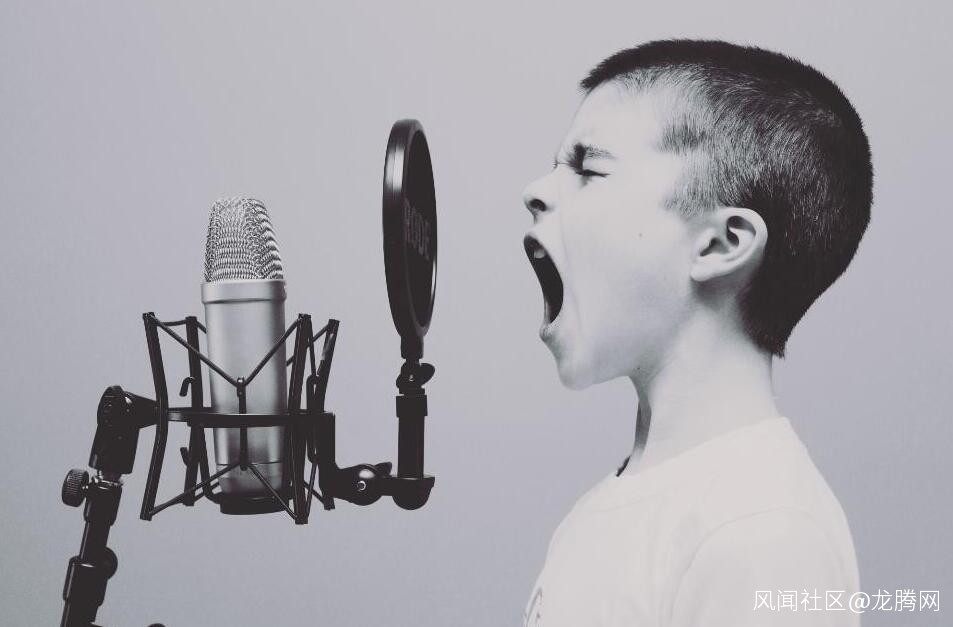
Your voice, when played back to you, can sound unrecognizable.
(圖解:你的嗓音如果被播放了出來,那可能會無法辨認)
(2021年5月17日發表,作者為華盛頓大學醫學部耳鼻喉科助理教授尼爾·巴特)
As a surgeon who specializes in treating patients with voice problems, I routinely record my patients speaking. For me, these recordings are incredibly valuable. They allow me to track slight changes in their voices from visit to visit, and it helps confirm whether surgery or voice therapy led to improvements.
作為一名專治存在嗓音問題病人的外科醫生,我經常會錄下我病人的説話聲。對我來説,這些錄音有着極高的價值。通過它們,我就能追蹤病人每次來就診時嗓音出現的微妙變化,這有助於確認為了改善病情應當採用手術還是嗓音治療。
Yet I’m surprised by how difficult these sessions can be for my patients. Many become visibly uncomfortable upon hearing their voice played back to them.
然而,讓我驚訝的是:這些治療過程對我的病人來説,可能會非常難熬。很多人聽到自己的聲音被回放出來,臉色就不對了,明顯感到很不舒服。
“Do I really sound like that?” they wonder, wincing.
他們會疑竇叢生,畏畏縮縮地問,“我的聲音聽起來真是這樣的嗎?”
(Yes, you do.)
(是的,正是如此)
Some become so unsettled they refuse outright to listen to the recording – much less go over the subtle changes I want to highlight.
有些病人會陷入極度不安,會斷然拒絕去聽這些錄音,更不用説去檢視我重點關注的微妙變化了。
The discomfort we have over hearing our voices in audio recordings is probably due to a mix of physiology and psychology.
我們在錄音中聽到自己的聲音時會出現的不適感,可能兼有生理學和心理學方面的原因。
For one, the sound from an audio recording is transmitted differently to your brain than the sound generated when you speak.
其中一個原因是,錄音中的聲音傳導到你大腦的方式,有別於你説話時產生聲音的傳導方式。
When listening to a recording of your voice, the sound travels through the air and into your ears – what’s referred to as “air conduction.” The sound energy vibrates the ear drum and small ear bones. These bones then transmit the sound vibrations to the cochlea, which stimulates nerve axons that send the auditory signal to the brain.
當你在錄音中聽到你的聲音時,這種聲音是經由空氣入你的耳的,這被稱為“空氣傳導”。聲能會讓鼓膜和聽小骨振動。之後,這些骨頭會把聲音振動傳導到耳蝸,進而刺激神經軸突,後者會將聽覺信號傳給大腦。
However, when you speak, the sound from your voice reaches the inner ear in a different way. While some of the sound is transmitted through air conduction, much of the sound is internally conducted directly through your skull bones. When you hear your own voice when you speak, it’s due to a blend of both external and internal conduction, and internal bone conduction appears to boost the lower frequencies.
然而,當你説話的時候,你的嗓音會以不同的方式抵達內耳。雖然這樣的聲音中有一部分是通過空氣傳導的,但其中的大部分聲音是直接經由顱骨在體內傳導的。你在説話時聽到的自己的聲音,是混合了外部傳導和內部傳導的結果,而體內的骨骼傳導似乎會提高低頻。
For this reason, people generally perceive their voice as deeper and richer when they speak. The recorded voice, in comparison, can sound thinner and higher pitched, which many find cringeworthy.
由於這個原因,人們在感覺上會覺得自己説話時的聲音更深沉、也更豐富。相比之下,錄音中的聲音聽起來可能會更單薄、更尖鋭,有很多人會為此而生厭。
There’s a second reason hearing a recording of your voice can be so disconcerting. It really is a new voice – one that exposes a difference between your self-perception and reality. Because your voice is unique and an important component of self-identity, this mismatch can be jarring. Suddenly you realize other people have been hearing something else all along.
還有一個原因是,聽到錄音中自己的聲音可能會讓人感到非常不安。這的確是一個新的聲音,它也暴露出了你的自我認知和現實間的差異。因為你的聲音是獨一無二的,而且是自我身份認同的重要組成部分,這種不匹配可能會讓人不快。突然之間你意識到,旁人一直以來聽到的都是別的東西。
Even though we may actually sound more like our recorded voice to others, I think the reason so many of us squirm upon hearing it is not that the recorded voice is necessarily worse than our perceived voice. Instead, we’re simply more used to hearing ourselves sound a certain way.
儘管在別人聽來,我們的嗓音可能更像錄音裏的聲音,但我認為,我們中間有如此多的人在聽到後會感到不舒服,並不是因為錄下的聲音一定比我們自己感知到的嗓音低劣,相反,我們只是更習慣自己的嗓音聽來自帶一種特定的觀感。
A study published in 2005 had patients with voice problems rate their own voices when presented with recordings of them. They also had clinicians rate the voices. The researchers found that patients, across the board, tended to more negatively rate the quality of their recorded voice compared with the obxtive assessments of clinicians.
在一項發表於2005年的研究中,他們讓存在嗓音問題的患者去聽自己嗓音的錄音,然後讓他們為自己的聲音打分。他們還讓臨牀醫生給這些聲音打分。研究人員發現,相比於臨牀醫生給出的客觀評價,患者傾向於對錄音中自己的聲音給出更負面的評價,無一例外。
So if the voice in your head castigates the voice coming out of a recording device, it’s probably your inner critic overreacting – and you’re judging yourself a bit too harshly.
因此,如果出現在你腦海中的聲音對錄音設備播放出的聲音有所責難,那很可能是存在於你內心的那個批評家反應過度了,你對自己的評判也有點太過嚴苛了。