貝淡寧:中國的“賢能政治”為什麼符合世情、國情和民情?_風聞
解读中国工作室-解读中国工作室官方账号-为世界提供感知中国的别样视角2021-10-18 14:50
由解讀中國工作室與國家創新與發展戰略研究會聯合策劃製作的“讀懂中國”TEDx系列演講,邀請了香港中文大學(深圳)全球與當代中國高等研究院院長鄭永年和山東大學政治學與公共管理學院院長貝淡寧擔任演講嘉賓。
兩位學者的演講題目分別是:
鄭永年:中國的政治改革停止了嗎?
貝淡寧:中國的“賢能政治”為什麼符合世情、國情和民情?
今天推出的演講題為**《中國的“賢能政治”為什麼符合世情、國情和民情?》**,演講者為山東大學政治學與公共管理學院院長貝淡寧。
以下為演講內容全文。
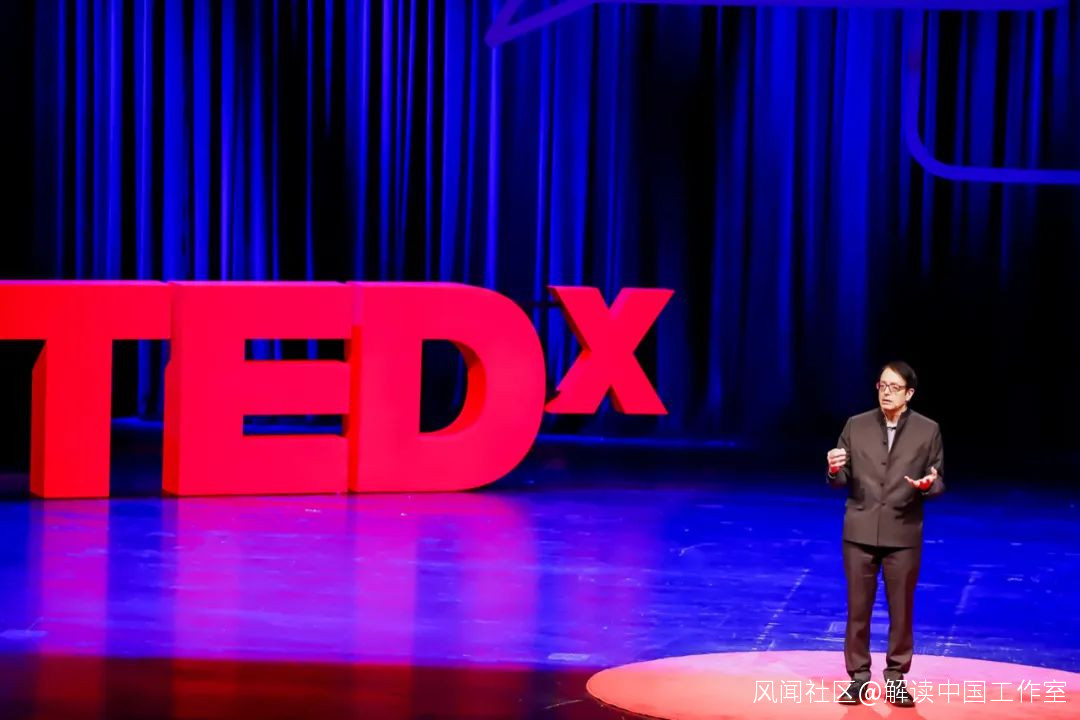
△貝淡寧演講現場照片
What I would like to talk about today is what is the single biggest misunderstanding about China? And actually, if you read the Western media, or if you talk to people from the West, whether it’s journalists or intellectuals or academics or political leaders, there’s this kind of standard trope.
今天我要和大家探討的話題是外界對中國最大的誤解是什麼。相信大家在平時閲讀西方媒體報道或與西方的人士交談時都會發現,不論是記者、學者、專家、還是政治領導人,他們對中國都抱有這樣一種成見。
**西方人對中國存有怎樣的誤解?****為什麼?**What are some common misunderstandings about China, and why?
There’s been lots of economic reform over the past forty years, more market reforms and so on, but no political reform, things have stayed the same politically over the last four decades. Now for those of you who are in China, namely all of you now, know probably that that’s probably a wrong view, there’s been so much change over the past four decades.
他們認為在過去的四十年裏中國推出了一系列的經濟改革,例如市場經濟改革等,但是沒有任何政治改革。四十年來政治層面毫無變化。現在,所有生活在中國的人,包括在座的各位都知道,這一觀點是錯誤的。過去的四十年裏出現了諸多變化。
Remember the Cultural Revolution, 1966-1976, was a time of chaos. What happened after that? Shortly after the Cultural Revolution, in the late 1970s, China’s political leaders decided that we have to adopt what we can call a political meritocracy, in Chinese, it’s xian neng zheng zhi, and this is the ideal that the political system should aim to select and promote officials with superior ability and virtue. Education matters more for officials, experience, superior performance.
記得在文革時期,也就是1966年到1976年這段時間,中國社會一片混亂。在那以後發生了什麼?二十世紀七十年代末,文革結束後不久,中國政治領導者們決定推行賢能政治。這一理念旨在選拔和擢升具有卓越能力和美德的公職人員。對於官員來説變得更為重要的是教育經歷、工作經驗以及優秀政績。
And institutionally what this means is we need to have a complex bureaucracy that has the mission of selecting and promoting public officials who have above average ability and virtue. And that is what has happened over the past four decades, there has been a gradual implementation of the ideal of political meritocracy, along with its institutionalisation in the form of a complex bureaucracy that aims to select and promote public officials that serve the public good. It’s an ongoing project.
在體制層面,這意味着中國需要建立一個複雜的政府體制,在擢升官員時會選賢任能。這正是過去四十年裏出現的情況。中國正在逐步採用賢能政治這一理念,也在致力建設擢升為民服務的官員的政府體制。這是一個不斷推進的事業。
**是什麼導致了“中國沒有進行政治改革”的誤解?**What did result in this misunderstanding?
There is still a big gap between the ideal and the practice, but this is the big difference. Why is it that people in the West have this kind of fundamental misunderstanding about China?
儘管理想和現實之間仍舊存在着不小的差距,但這的確是一種變化。那為什麼西方人士會對中國抱有如此之深的成見?
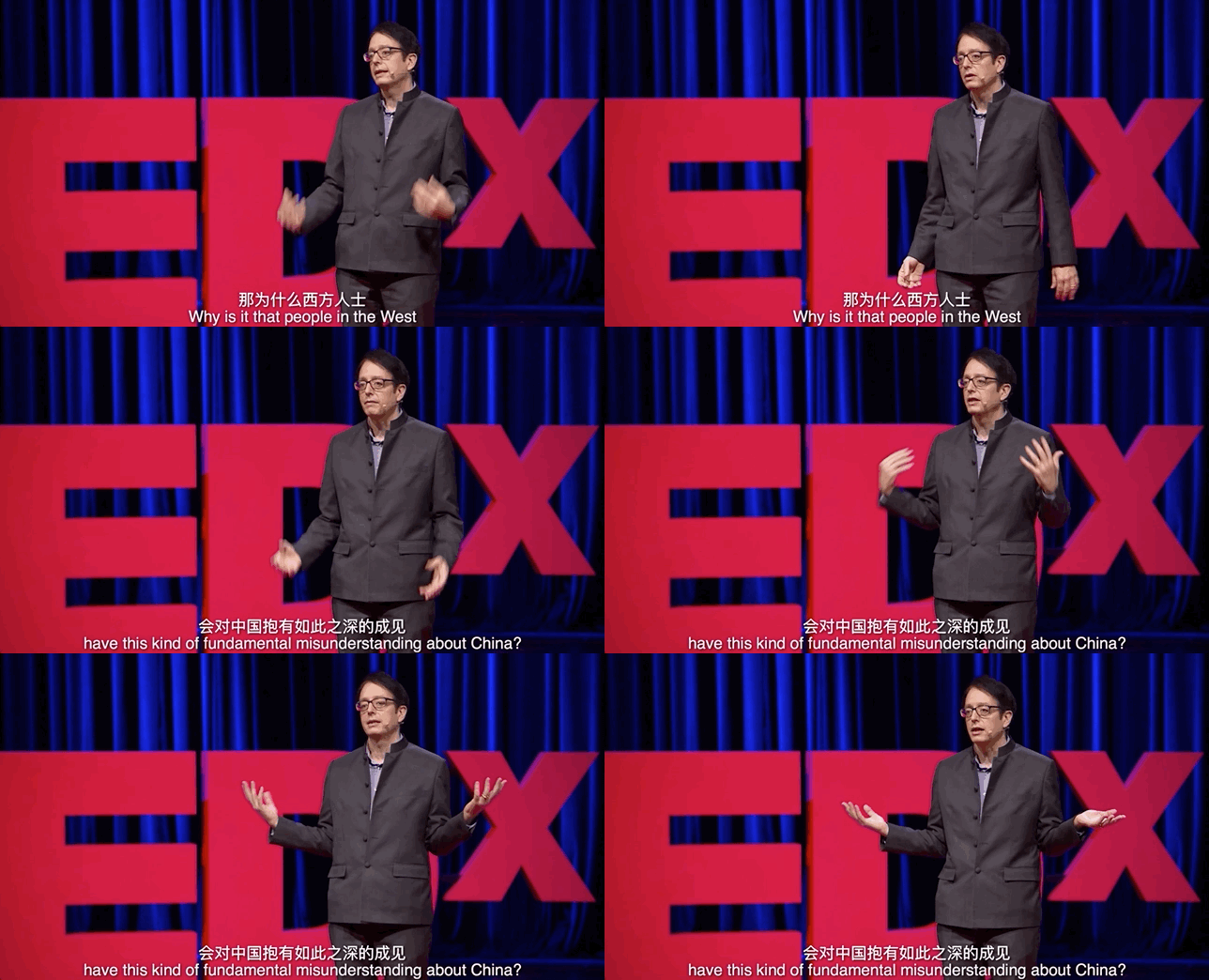
Frankly speaking, because they work with a very simple dichotomy that there are two types of political systems. One is the good democracy, an electoral democracy, where public officials are selected by means of elections. Two, there’s the bad authoritarian regimes, all the rest that use non-electoral means of selecting leaders. So they lump all the different countries together: China, North Korea, family run dictatorships, Egypt, military dictatorships,
坦白説,因為他們一直以來認為世界上只存在兩種政治體制。一種是“好”的選舉式的民主制度,公職人員通過選舉當選。另外一種是“壞”的集權體制,通過非選舉的方式選拔官員。因此,他們把與他們不同體制的國家劃入一個陣營。中國、朝鮮,世襲獨裁統治;埃及,軍事獨裁。
All of those countries are lumped in the same category. That’s ridiculous. The most obvious difference is that there has been this effort to re-establish and re-implement a strong form of political meritocracy with a complex bureaucracy that serves the people.
所有這些國家被歸到同一類下。這是非常荒謬的。最為明顯的區別是中國致力於重建和推行一種以“為民服務”的官員制度為基礎的賢能制度。
Now, here we are in times of COVID, China has done relatively well at dealing with COVID. Why? Because we have a strong and complex meritocratic system that implements policies that serve the public good.
如今,我們正處於新冠疫情期間。中國的疫情應對做得不錯,為什麼呢?因為中國擁有強有力的複雜的尚賢制度,能夠推行為民服務的政策。
**賢能政治體制為什麼適用於中國?**Why does political meritocracy suit China?
**“賢能政治”的定義?**The Definition of “Political Meritocracy”
Political meritocracy is the ideal that everybody should have equal opportunity to be selected and to be promoted as a public official with above average ability and virtue.
賢能政治這一理念指的是大家機會均等,都能有機會因為卓越才能和美德被選拔為公職人員。
So I’m going to argue that there’s been this gradual implementation of a political meritocracy, it’s political reform, right? Political change, yes, political progress since the chaotic days of the Cultural Revolution, and that this political reform should continue to be informed by the ideal of political meritocracy over the next few decades.
因此我在這裏提出,賢能政治的逐步推行是一種政治改革,是一種政治層面的進步,特別是文革動盪時期以後。我認為這種政治變革應該在未來幾十年裏繼續以賢能政治這一理念作為指導。
**為什麼賢能政治適合中國國情?**Why does political meritocracy suit china the best?
Well, I’m going to give three reasons, and the first has to do with the size of the country. China is a huge country. It’s different than Canada, where I’m from, in terms of population. I mean, relatively speaking in terms of population, Canada is quite small.
有三個原因。第一,國家大小。中國是一個大國。它和我的祖國加拿大在人口方面截然不同。相對而言,加拿大人口數量較小。
Now, what happens in a big country like China? The top leaders, those who are at the top, they make policies that are so complex, think of climate change, or think of foreign policy, it requires a lot of complex empirical information.
中國這個大國現狀如何呢?國家領導人們要做出一些複雜的決策。例如氣候變化政策、外交政策,這些都需要豐富的理論知識和實踐經驗。
On climate change, you have to have knowledge of environmental science, you have to have knowledge of economics, you have to have knowledge of international relations. And these policies affect so many different stakeholders, not just the people now, but future generations, ten, twenty, thirty, forty, fifty years from now, and affects the rest of the world.
制定氣候變化政策時,他們需要一定的環境科學知識,同時還需具備經濟學以及國際關係方面的知識。這些政策會影響到不同的利益攸關方,不僅是現在的人民,還包括子孫後代,和未來的10年、20年,甚至是50年。還會影響到其他國家的人。
Those policies need to be made by public officials who have a good, proven track record, who have political experience, who have informed political judgment, who have superior ability, frankly speaking, who are intelligent and who have a good record of being committed to serving the public good.
制定這些決策的人需要的是那些具有良好的從政記錄、豐富的政治經驗、準確的政治判斷、卓越的政治遠見的公職人員。簡單來説,就是那些聰明睿智、一心為民的官員。
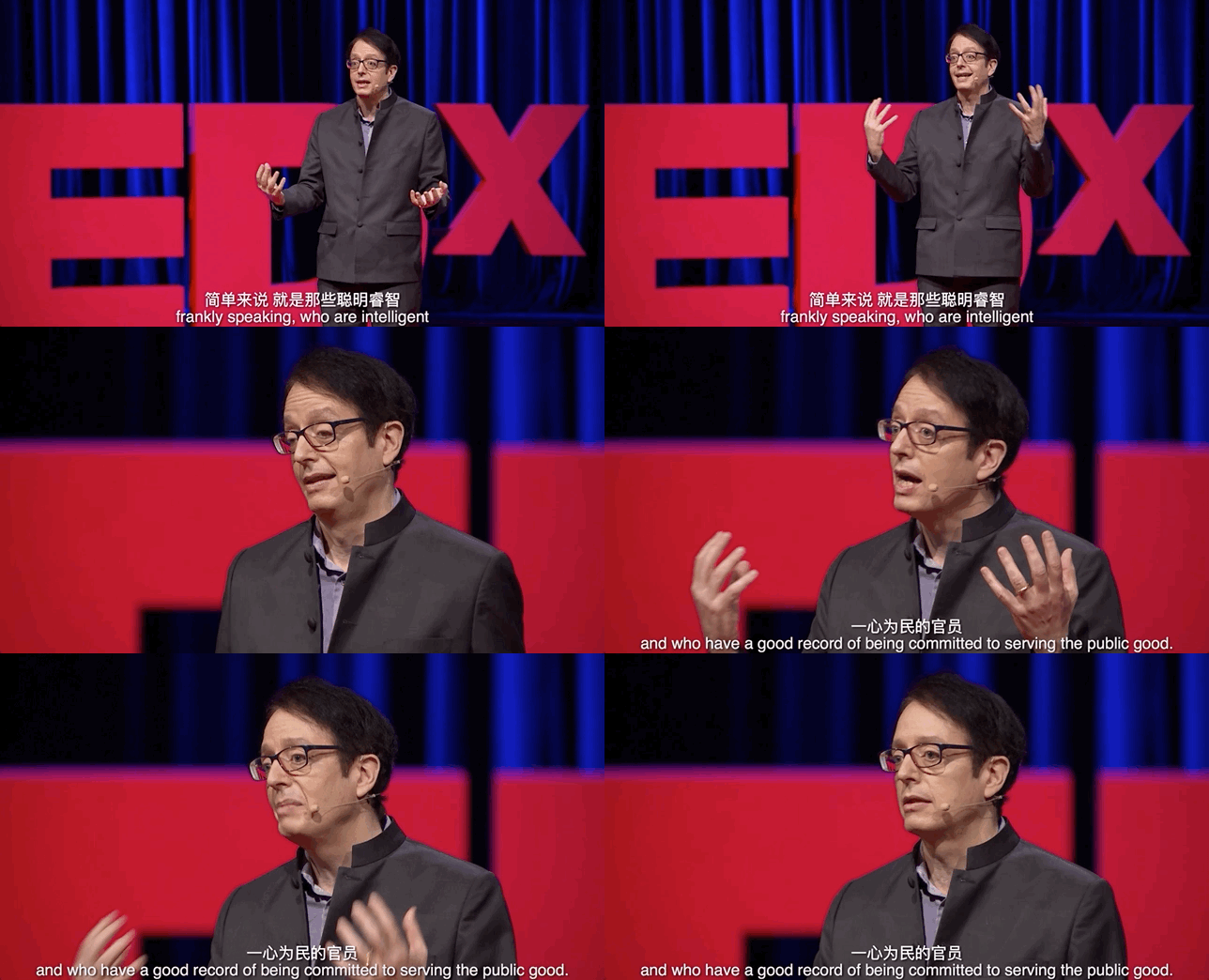
You can’t randomly select such officials or sometimes leave it to low information voters. They have to have a good, strong record of public experience, of public service, and they have to have education and knowledge that allows them to make informed public judgments.
我們不能隨機選拔官員或是把選擇權留給那些掌握信息不那麼多的選民。選拔出的官員應該具有良好的從政經驗、教育背景以及知識儲備,從而幫助他們做出正確的政治判斷。
Now, it’s different at lower levels of government. I work at Shandong University, it’s actually pretty much in the countryside. I go to local communities, the issues there are much more easier, in some sense, less complex, right? Like how much compensation should we give to farmers who are being expropriated to build a hospital.
基層官員的遴選則有所不同。我在山東大學任教。它位於城郊。我去過當地社區。那些地方的問題較為簡單,沒有那麼複雜,對吧?例如如何給予那些土地被徵用修建醫院的農民相應的賠償。
And for that, there’s actually elections whereby the village’s choose their own leaders, and they know who these leaders are, who’s corrupt, who’s not, it doesn’t require a lot of education experience. Elections work very well in that context.
事實上,村民們會進行選舉,推選出自己的領導人。他們對那些領導人很熟悉,知道誰腐敗,誰清廉。這不需要讀過很多書就知道。在那種情況下,選舉是一種很好的方式。
In fact, Western political theorists in the past, prior to the twentieth century, were not so, kind of, dogmatic about what counts as a legitimate way of selecting leaders. It’s only after World War II that there’s been this kind of dogmatic consensus in the West that the only way of selecting public officials is by elections. It doesn’t depend on a country’s history, doesn’t depend on a country’s size, doesn’t depend on a country’s national conditions and so on.
實際上,西方的政治理論家們在二十世紀以前對於如何選出合法的領導者並沒有那麼教條。二戰以後,西方社會才開始形成這種教條式的共識,認為遴選官員的唯一途徑是選舉。它不將國家的歷史發展、規模大小或是基本國情納入考慮範圍。
So, in a big country like China, at higher levels of government, it’s much, much more important to have a meritocratic process to select higher level officials. That’s one reason why meritocracy is important, and why it should continue to inform political reform in China.
因此,在中國這樣一個大國,高層官員的選拔更為重要的是通過尚賢制度來選拔。這也是賢能政治如此重要的原因,更是中國政治改革需要繼續以此理念為指導的原因。
What’s the second reason? The second reason has to do with political culture, with history.
第二個原因,就是歷史文化。
What is the dominant political culture of China? It’s political meritocracy. Confucius, Kongzi, over 2500 years ago, he changed the meaning of what it means to be a junzi, or exemplary person. Before him, a junzi is somebody who is basically an aristocrat, you’re there because of your family background, you’re there because of your bloodlines, basically.
中國的主流政治文化是什麼?是賢能政治。孔子早在2500多年前已經改變了“君子”的具體含義,已經改變了“君子”的定義。在他以前,君子一般指的是貴族。成為君子的依據是家庭背景和血緣關係。
Confucius says no. To be a junzi, and exemplary person, you have to have above average ability and virtue, and those people should be put in place to serve the community as a public official. Since then, it’s only slight exaggeration that dominant political culture in China has been an argument over how to select and promote officials with above average ability and virtue. Which abilities matter? Which virtues matter? How to assess virtues? How to assess abilities? What’s the relation between abilities and virtues? How to institutionalise political meritocracy?
孔子對此提出了不同的看法。他認為,做一個君子,需要具備卓越的才能和良好的品德。他們應該成為公職人員。自那以後,中國社會的主流政治文化變成了,討論如何遴選和擢升才德兼備的官員。哪些能力比較重要?哪些德行比較重要?如何評估德行?如何評估能力?才能和品德之間的關係是怎樣的?如何實現賢能政治體制化?
貝淡寧認可中國古代的科舉制度Bell praises China’s ancient examination system
Basically, the most famous invention in China is the examination system to select public officials. In Imperial China, there was a 1300 year history where public officials were selected first by examinations and then by performance evaluations at lower levels of government. Beautiful idea.
總的來説中國的一大創舉是選拔公職人員的考試製度。中國的科舉制度具有1300年的歷史。官員選拔首先需要通過筆試進行初選,然後還要評估他們在基層政府的工作表現。這個想法很棒。
**中國當下的公務員考試體系如何?**How are the current public servant examinations?
The same idea was implemented, in form, more or less, in the last four decades. The content of the political meritocracy has differed. In the Ming and Qing Dynasty, the examinations tested more for knowledge of the Confucian classics.
在過去40年裏,中國差不多也採用了這樣的選拔方式。賢能政治在考試內容方面有所不同。在明清時期,科舉考試的內容多為四書五經方面的知識。
Now, the examinations to be put on the road to political power, they’re more like high level IQ tests, they’re very, very, very difficult to those of you who have participated in those examinations, and then you have to prove yourself at lower levels of government, in a decades-long process to be selected and promoted at higher levels of government. That’s the dominant political culture of China.
如今的公務員考試更像高級別的智力測試。參加考試的考生們覺得難度非常大。他們還得通過長達數十年的基層政府工作來證明自己的能力,然後才能被提拔到高層政府職位。這是中國的主流政治文化。
If you want to establish a political system that is effective, and that can consolidate for the long term, it has to build on that political culture. And in the past four decades, there’s been this wave, we can call it this wave of political meritocracy, we have to continue to build on that wave and to improve it.
如果我們想要建立一個高效又穩固的政治體系,就需要以這種政治文化為基礎。在過去的40年裏,中國出現了這樣一種賢能政治的浪潮。我們需要繼續以這種浪潮為指導並進行優化。
Two reasons why we should continue to have political meritocracy: one, it depends on the size of the country, two, it depends on the political culture of that country.
之前我們説到需要繼續推進賢能政治有兩大原因。第一,國家的大小。第二,國家的政治文化。
And it also depends on what the people think, that’s the most important third reason.
另外,它也基於民眾的想法。這是最為重要的第三大原因。
Political survey after political survey shows that ordinary people use political meritocracy to assess their own leaders. They want leaders who have above average ability and virtue, and when they lack virtue, when they’re corrupt, for example, when they misuse public funds for their own or for their family interest, then those leaders lack legitimacy, and frankly speaking, the whole political system lacks legitimacy.
政治調查顯示人們選擇以賢能政治的標準來評價他們的領導者。他們希望領導者們具備卓越的才能與美德。如果領導者們品行不端或貪污腐敗或挪用公款為自身或其家族謀利,那麼他們將失去合法性,甚至整個政治體系都將失去合法性。
That’s why corruption is such an existential threat to the political system here, it has to be dealt with, so that people have faith in their political meritocracy. So those are the three main reasons why we need to have political meritocracy in China. There has been this ongoing political reform, political change, yes, political progress, based on implementation of political meritocracy, and this ideal should continue to inform political change in China.
這也是為什麼腐敗問題對於政治體系而言是一大威脅。我們必須解決腐敗問題,這樣民眾才能對賢能政治抱有信心。這就是我們需要在中國推行賢能政治的三大原因。中國正在推進政治改革,努力實現以賢能政治為指導的政治變革。這一理念應當繼續用於指導中國的政治變革。
Now, when I give this talk in, I’m from Canada, in Canada or other Western countries, people say, oh! This guy is against democracy. Actually, no, I love democracy, democracy is a beautiful idea, and I think we need more political participation by the people.
當我在我的祖國加拿大或是其他西方國家談論這一觀點時,人們會説,天哪,這個人反對民主。事實並非如此。我熱愛民主。民主是個很棒的理念。我認為應該讓更多的人蔘政。
As a population becomes more educated, naturally they want more say in government, and we should have much more democratic mechanisms in China. For example, I’ve already mentioned elections at lower levels of government, that’s a great idea. Or we can have sortition, to be consulted when it comes to political decisions. We should have democratic polling, is another great idea. We should have different forms of political participation, fine, we need all of that in the future.
隨着受教育程度的提高,人們希望在政府中有更多的發言權。我們應該在中國建立起更多的民主機制,例如,在基層政府採用選舉制度。這是個很好的想法,我們也可以採用抽籤的方法,隨機選擇民眾成為政治決策顧問。民意調查也是不錯的辦法。參政形式應該更為多樣化,我們未來需要這些改變。
So, on the one hand, we need more democracy, on the other hand, we need to have more political meritocracy. There’s no conflict, I am in favour of both. I love democracy, and I love political meritocracy. The only little, little amendment to my love of democracy, and I confess this gets me in trouble sometimes, is that I don’t think that we should use competitive elections to select leaders at higher levels of government.
因此,一方面,我們需要更多的民主。另一方面,我們需要賢能政治。兩者並不衝突。我同時支持兩者。我熱愛民主,我也熱愛賢能政治。但我希望我熱愛的民主能有一點改變,這一點常常使我陷入麻煩,我認為不應該通過競爭選舉來選拔高層政府領導者。
**賢能政治有哪些優勢?**What are the advantages of political meritocracy?
What are the advantages of political meritocracy? One is that all leaders have political experience, they have a proven record of good political judgment. If you were to use elections to select leaders at higher levels of government, the people could select leaders who have no political experience. Now again, think of the United States, the hopefully outgoing president, he was selected without any political experience. I mean that, frankly speaking, is dangerous.
賢能政治的那些優勢是什麼?首先,所有領導者都具備政治經驗,他們擁有良好的政治遠見。如果我們通過選舉選拔政府高層官員,人們也許會推選那些毫無政治經驗的人。我們可以看一下目前即將離任的美國總統。他成功當選卻毫無政治經驗。坦白説,這是非常危險的。
We don’t know how these people are going to act, and look what happened. So if we have competitive elections to select leaders, it would undermine this main advantage of political meritocracy, which is that we can be sure that all leaders have political experience.
我們不知道這些人當選後會採取怎樣的行動。看看現在,如果我們通過競爭性選舉,這將會破壞賢能政治帶來的主要優勢,那就是確保領導者們都具備從政經驗。
Another advantage of political meritocracy, all leaders can take a long term view. On issues like climate change, they could plan for ten, twenty, thirty, forty years from now, they don’t have to worry about the whole political organization is going to change or the ruling party is going to change in four or five years time.
賢能政治的另一項優勢是所有領導者能高瞻遠矚,例如氣候變化問題,他們可以對未來10年、20年,甚至40年進行規劃。他們不需要擔心整個政治架構或是執政黨派會在四五年的時間裏發生變化。
If you were to use competitive election to select top leaders in the next election, you might have a totally different set of priorities. Very hard to plan for the long term. So we need to keep that advantage of political meritocracy.
如果選擇競爭性選舉,那麼下一屆當選者就會列出不同的施政重點,很難對未來做出長遠的規劃。因此我們需要保留賢能政治的這一優勢。
Another advantage of political meritocracy, the leaders can spend their time thinking about appropriate policies that benefit the people. If you were to have competitive elections, what would happen? Think of the United States, the leaders there spend so much time raising funds, in fact, it’s wasting time.
賢能政治還有一項優勢就是領導者們可以把時間用在思考那些對民眾有益的政策。如果採用競爭性選舉,將會怎樣?想一想美國,那裏的領導者們花費大量時間籌集競選資金。事實上,這是浪費時間。
Ideally, you want leaders to think about policy, not about raising funds. They give the same speech over and over again to different people. So my point is that if we were to have competitive elections to select top leaders, it would undermine the main advantages of political meritocracy.
大家希望領導者們能花更多時間思考政策,而不是籌集資金。他們對不同的民眾重複相同的演説,我的觀點是如果我們通過競爭性選舉遴選政府高官,那將破壞賢能政治帶來的優勢。
So the basic point is that we need to have political meritocracy and we need democracy, short of one person, one vote, to select leaders at higher levels of government. It’s not a complex argument.
我認為我們需要採用賢能政治,我們也需要民主,但不是通過一人一票的方式來選拔政府高層。這個論點並不複雜。
Sometimes, when I go to the West and I give this similar talk, they say, oh! You are against human rights, because you favour a particular form of government for China, but not for the rest of the world. No, I love human rights. People should have a right not to be tortured, innocent people shouldn’t be killed, genocide is bad, slavery is bad, those are universal, we don’t have to argue about that, only crazy terrorists would disagree on those issues.
有時候我去西方國家發表類似的言論,他們會説,噢!你是在反對人權,因為你支持一種只適用於中國而不是全世界的政府體制。不是這樣的,我熱愛人權,人們有權不受虐待。無辜的人不應該被殺害,種族滅絕是糟糕的,奴隸制是糟糕的。這些都是普世觀點,毋庸置疑的。只有瘋狂的恐怖分子才會對這些問題持有異見。
But when it comes to selecting and promoting public officials, then we need to allow for a little bit of pluralism, a little bit of diversity, there is no one size fits all selection. It depends on the country’s size, on a country’s national conditions, on a country’s history and so on. It depends on what the people want. I think that’s hugely important, but when it comes to what’s an appropriate method to select public officials, then we should allow for a little bit pluralism, a little bit of open-mindedness.
但談到選拔和擢升公職人員,我們需要一點多元性,一點多樣性。世界上沒有放諸四海而皆準的選舉形式。這取決於國家的規模大小、基本國情以及歷史文化,和其他因素。這也取決於人們的想法,我認為這非常重要。當我們探討如何更好地選擇政府官員時,我們應該允許增加一點多元性,更為開明一點。
When I go to Canada, where I’m from, and I present my views even to people that I love dearly, like my own family members, like my sister, I tell them this stuff, they look at me, and they say, you’ve been brainwashed. You’ve been living too long in China. I try to be polite. What I’m thinking in my mind, I don’t say it, in fact, I hope she doesn’t watch this video, I’m thinking you’ve been brainwashed living too long in the West, you need to be open-minded too.
當我回到祖國加拿大並與人談論起我的觀點時,比如我的家人,我的姐姐,我跟他們説我的觀點,他們看着我説,你已經被洗腦了,你在中國生活太長時間了。我努力保持禮貌,我沒有將內心的真實想法説出來,我希望姐姐不會看這段視頻。我當時在想,你們才被洗腦了,因為你們在西方生活得太久了。你們也需要變得開明一些。
So I’m going to conclude here. All I’m asking is a little bit of open-mindedness and humility. We should allow for morally legitimate differences when it comes to what’s an appropriate method to select and promote public officials. Let’s agree that there has been substantial political reform in China, still a huge gap between the ideal and the reality, but we should continue to reform, based on this ideal of political meritocracy, at higher levels of government, and democracy, short of competitive election to select top leaders.
下面我來做一下總結。我所希望的是多一點開明和謙遜。在探討公職人員的選拔和擢升方法時,我們應該允許一些合法的差異性。我們應該承認,中國已經進行了大量的政治改革。儘管理想和現實之間仍然存在着巨大的差距,我們應該繼續改革以賢能政治理念為指導,同時民主地選拔政府高層。但不是通過競爭式選舉的方式。