周波:放下“受害者”意識,中國走向博大寬廣
【文/觀察者網專欄作者 中國論壇特約專家 周波】
關於所謂的“戰狼外交”,人們説了很多。拋開辭藻不談,其真正根源在於中國人對於1840年鴉片戰爭以來的“百年屈辱史”的受害者意識。
1989年,鄧小平在北京會見蘇聯領導人戈爾巴喬夫時,先花了很長時間歷數沙俄如何欺凌中國,然後才説到那句“結束過去,開闢未來”。換句話説,如果不先回顧過去,他就無法談論未來。
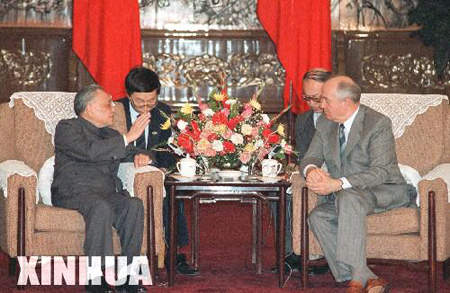
1989年5月16日鄧小平在北京人民大會堂會見原蘇聯領導人戈爾巴喬夫的資料照片(圖源:新華網)
中國並非唯一有受害者意識的國家。我曾經目睹一位芬蘭高官聽到有人提及“芬蘭化”時突然滿臉激憤。受害者意識可以是一張牌,打得最好的也許是特朗普,他曾説過:“想想吧!有誰能比我受到的攻擊更多呢?”作為當選總統,他誤導了美國選民,讓他們相信地球上最強大的國家正“哀鴻一片”,而他可以“讓美國再次偉大”。在白宮橢圓形辦公室,他不分青紅皂白地抨擊對手和盟友,就好像美國是全世界的受害者。
一個人對批評的接受程度還取決於他對批評者意圖的判斷。當新疆維吾爾族人民的出生率和壽命實際都在增加時,有多少人真的相信關於新疆種族滅絕的説法?這不是嚴肅的批評, 而是妖魔化中國。
相反的是,美國政府直到那場戰爭實際結束後,才宣佈1994年的盧旺達內戰是一場種族滅絕。美國就是擔心一旦定性為種族滅絕,就難免讓人期待它會進行干預。
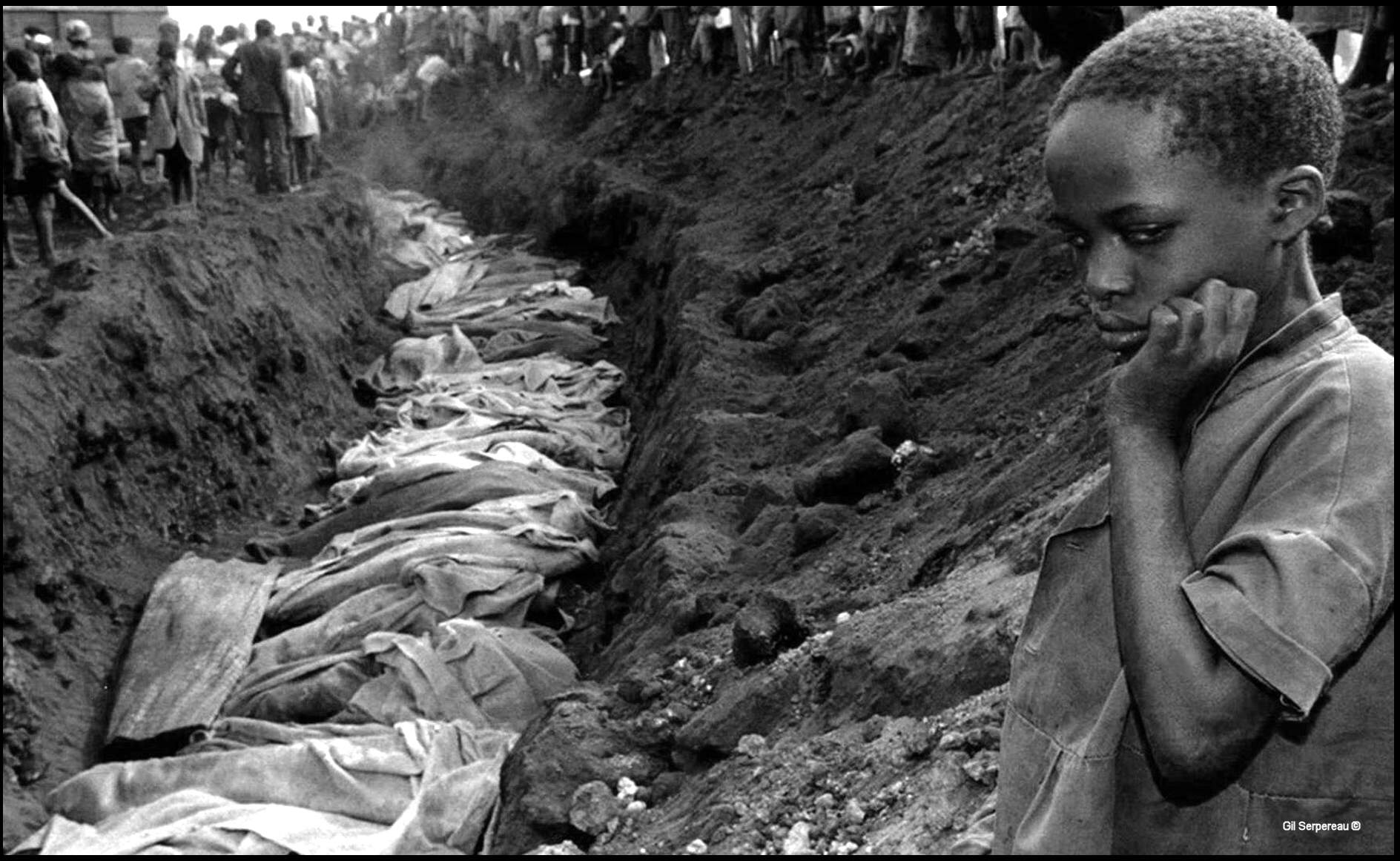
1994年4月6日至1994年6月中旬,是胡圖族對圖西族及胡圖族温和派有組織的種族滅絕大屠殺,共造成 80-100萬人死亡。(圖源:Gil Serpereau Flickr賬號)
當毛澤東在1949年宣佈中國人民“站起來了”時,“百年屈辱”應該已經結束了。
儘管這段屈辱歷史大多發生在清朝統治時期,但其實時間很短暫,甚至不能掩蓋清朝的成就。尤其是在盛清時,和平持續,經濟繁榮,領土擴張,人口增長。這個朝代對後來中華民族概念的形成起到了至關重要的作用。
今天的中國不是受害者,而是全世界羨慕的對象。國際重心正在向東亞轉移,中國有望在本世紀三十年代或更早,超越美國,成為世界上最大的經濟體。
去年,中國消費者花了大約6萬億美元,這一數字超過了日本的經濟總量。日本在上世紀發動的侵略戰爭造成的中國人受害者意識至今仍然揮之不去。
幾年前,我在一次國際會議上聽到了一個我認為最耐人尋味的問題:如果一個崛起的中國不喜歡美國的霸權,那麼她理想的世界秩序—一箇中國人會喜歡、外國人也能接受的世界秩序—會是什麼樣子?
這個問題沒有現成答案。與19世紀的“不列顛和平”和20世紀的“美式和平”不同,21世紀不一定會是中式和平。沒錯,全世界都能感受到中國的經濟影響力,而且在非洲和東南亞大部分地區,北京的影響力比華盛頓更大。
但是,到2049年(中華人民共和國成立100週年)中國實現“富強、民主、文明、和諧的社會主義現代化國家”的目標時,按人均國內生產總值計算,美國仍將比中國更富裕。
而“世界一流”的中國軍隊也不一定比美國軍隊更強,更有可能是勢均力敵。
那麼,中國如何才能為建設一個更美好的世界做出貢獻呢?
首先,與希望把美式自由帶給全世界的華盛頓不同,北京沒有傳教士般的狂熱,更願意幫助世界而不是掌控世界。四十多年來中國的和平崛起彰顯中國慎用武力,這無疑能讓世界不那麼動盪。當美軍捲入一場又一場的戰爭時,中國人民解放軍將其海外軍事行動限定在人道主義援助範圍內。
其次,鑑於全世界仍有超過7億人生活在極端貧困中,北京可以與其他發展中國家分享減貧的經驗。這方面誰能比中國更有資格呢?2013年,中國每三個縣中就有一個縣,即總共還有832個縣被認定為“貧困縣”,到去年11月,中國政府宣佈他們也全部脱貧。
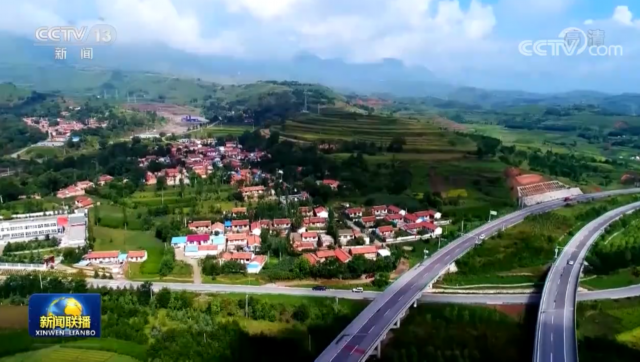
11月23日,貴州省宣佈剩餘的9個貧困縣退出貧困縣序列。至此,中國832個貧困縣全部脱貧(視頻截圖)
中國的“一帶一路”倡議也將有助於塑造更好的世界經濟格局。具有諷刺意味的是,這個多年來備受西方批評的倡議現在出現了一個西方的仿製品。美國總統拜登和七國集團合作伙伴提出的一項新的全球基礎設施倡議“重建更美好世界”(B3W),旨在縮小發展中國家所需的逾40萬億美元的資金缺口。
模仿是最真誠的奉承,尤其是當它來自世界上最發達的國家時。如果這就是中美之間競爭的架勢,世界倒是能從中受益。
到本世紀中葉中國會是什麼樣子,需要一些想象力。想必她將保留中國人最引以為豪的唐朝的一些令人愉悦的特徵,即多元和包容。
唐代中國是一個繁榮、多民族、國際化的泱泱大國。她同時接納佛教、景教、拜火教、伊斯蘭教和摩尼教等各種外來宗教。唐代中國樹立了一個無與倫比的大國是如何既自信又謙遜,既受人愛戴又不令人畏懼的光輝榜樣。
(英文原文發表於2021年7月5日南華早報)
Zhou Bo: No more a victim: China must leave its past behind and embrace its strength
Much has been said about the so-called Wolf Warrior diplomacy. Rhetoric aside, the real issue isChinese victimhood over the “century of humiliation” that started with the 1840 opium war.
When Deng Xiaoping met Soviet leader Mikhail Gorbachev in Beijing in 1989, he talked for quite some time about how China was maltreated by imperial Russia before he said “let’s put an end to the past and face the future”. In other words, he would not be able to talk about the future without first talking about the past.
China is not alone in succumbing to a sense of victimhood. I once saw a senior Finnish official become suddenly agitated because someone in the room mentioned “Finlandisation”. And victimhood can be a card. The best player is possibly Donald Trump, who once said: “Come to think of it, who gets attacked more than me?” As president-elect, he misled American voters into believing the strongest nation on earth was in “carnage” and that he could “Make America Great Again”. In the Oval Office, he lashed out at adversaries and allies alike as if the United States were a victim of the whole world.
A man’s acceptance of criticism also depends on his judgment of the critic’s intent. How many people really believe in claims of genocide in Xinjiang when the birth rate and lifespan of the Uygurs there have actually increased? This, rather than serious criticism, is demonisation.
In contrast, the US government did not declare the 1994 Rwandan war a genocide until it was practically over, out of concern that it would create an expectation that it would intervene.
When Mao Zedong declared that the Chinese people have “stood up” in 1949, the “century of humiliation” should have ended.
Even though it mostly occurred under Qing rule, it was such a short stretch that it failed even to overshadow the dynasty’s achievements. The High Qing era in particular saw sustained peace, economic prosperity, territorial expansion and population growth. The dynasty was essential to the subsequent formation of the concept of a Chinese nation.
Rather than a victim, China today is the envy of the world. The centre of international gravity is shifting towards East Asia. China is expected to surpass the US as the largest economy in the world in the 2030s or earlier.
Last year, Chinese consumers spent about US$6 trillion, a sum greater than the economy of Japan, a nation whose invasion last century still contributes to China’s sense of victimhood.
A few years ago, I heard what I thought was the most intriguing question at an international conference: if a rising China does not like American hegemony, then what would its ideal world order – one that the Chinese would love and foreigners would accept – look like?
There is no straight answer. Unlike Pax Britannica in the 19th century and Pax Americana in 20th century, the 21st century will not necessarily be Pax Sinica. Yes, China’s economic influence is felt worldwide. And in Africa and most of Southeast Asia, Beijing’s influence is greater than that of Washington.
But when China realises its goal of becoming a “strong, democratic, civilised, harmonious and modern socialist country” by 2049, the centenary of the founding of the People’s Republic of China, the US would still be the wealthier country when measured by gross domestic product per capita.
And a “world class” Chinese military is not necessarily stronger than the US military. It is more likely to be evenly matched.
So how can China contribute towards a better world?
First, unlike Washington, which wishes to bring its form of liberty to all, Beijing has no missionary zeal and prefers to help rather than police the world. Its caution in the use of force, as showed in China’s peaceful rise in over four decades, would most certainly make the world a less volatile place. While the US military has been involved in one war after another, the People’s Liberation Army has restricted its military operations overseas to humanitarian aid.
Second, Beijing can share her experience in alleviating poverty with other developing countries, given that more than 700 million people are still living in extreme poverty worldwide. Who can be more qualified than China in this regard? In 2013, one in three counties in China, that is, 832 counties in total, was labelled as “poverty stricken”. Last November, China announced that they, too, had been lifted out of poverty.
China’s Belt and Road Initiative, too, will help to shape the world economic landscape for the better. Ironically, the initiative, which has been criticised for years by the West, now has a Western copycat. Build Back Better World, a new global infrastructure initiative by US President Joe Biden and the G7 partners, aims to narrow the funding gap of more than US$40 trillion needed in the developing world.
Imitation is the sincerest form of flattery, and especially when it comes from the most developed countries in the world. If this is what competition between China and the US looks like, the world will benefit.
What China will look like mid-century needs a bit of imagination. Presumably, it will retain some pleasant features of the Tang dynasty that the Chinese are most proud of, that is, diversity and tolerance.
Tang China was prosperous, multi-ethnic and cosmopolitan. It was home to ’foreign‘ religions ranging from Buddhism, Nestorianism, Zoroastrianism and Islam to Manichaeism. It set a good example of how a great power next to none can be confident and humble, loved rather than feared.
Senior Colonel Zhou Bo (ret) is a senior fellow at the Centre for International Security and Strategy at Tsinghua University and a China Forum expert
本文系觀察者網獨家稿件,文章內容純屬作者個人觀點,不代表平台觀點,未經授權,不得轉載,否則將追究法律責任。關注觀察者網微信guanchacn,每日閲讀趣味文章。