程靜、許競之:美副國務卿訪華需拿出誠意,如果想來上課中國不吃這一套
【文/程靜、許競之】
當地時間7月21日,美國國務院在一份公開聲明中宣佈,正在亞洲訪問的美國常務副國務卿温迪·舍曼(Wendy Sherman),將於7月25日至26日訪問中國。
在此之前,美國已在多個場合發出信號,暗示美中兩國將進行高層接觸。白宮印太事務協調員庫爾特·坎貝爾(Kurt Campbell)在與美國亞洲社會政策研究所的對話會中表示期待美國總統拜登與中國國家主席習近平會晤,美國國家安全顧問沙利文(Jake Sullivan)也建議拜登在G20峯會期間與習近平會晤。然而,中方對此持謹慎態度,都未予以肯定。
“我們當然希望恢復對話,但這要看美國有沒有誠意,”中國外交部長王毅在近日北京舉行的第九屆世界和平論壇(World Peace Forum)開幕式後被問及“中美高層今年會不會有接觸”時表示。
王毅強調,當前中方最重要的是繼續辦好自己的事情。這一態度也得到了中國外交部官員的響應。
一些人認為中方的謹慎態度主要出於文化和心理上的原因。東方文化對於維護面子和聲譽更為敏感,所以普遍認為雙方都應該為高層交流營造友好環境,甚至是可以刻意為之。
因此,美國在三月份阿拉斯加中美會晤之前宣佈對中國和香港官員實施制裁,而且時機選擇在雙方會晤之前,這一舉措在許多中國人看來本身就是一種羞辱,絕非雙方會晤前應有的友好序幕。
而此次在舍曼訪華計劃之前,美國發布了一份針對美資在港經營風險的“香港商業警告”,並無端制裁了中央政府駐香港聯絡部的七名官員。這再次發出了敵意訊號。
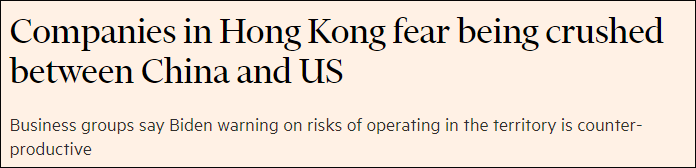
7月19日,英國《金融時報》報道稱,擁有1400家會員企業的香港美國商會表示,拜登政府此舉讓他們的生存更加困難了。(《金融時報》報道截圖)
筆者認為,文化心理因素只是表面現象,我們需要更為關注的是複雜的戰略和地緣政治因素。
為何中方對美國的外交誠意表示懷疑?美方多次表示期待中美高層會晤真的是想解決雙邊或重大國際問題嗎?我們可以從阿拉斯加的安克雷奇會談得到一些答案。
顯然,安克雷奇會談表明,美國並無誠意與中國解決雙邊問題,比如在抗擊新冠肺炎疫情中加強與中國合作、共同應對全球性挑戰,而是完全為了一味尋求安撫和迎合美國國內民眾。
因而,這場外交會唔成了拜登政府面對美國公眾(包括共和黨人)對華強硬立場的秀場。美國通過這場會晤向其國內民眾傳達的意味和信號非常清晰,即美國的意圖是通過安克雷奇會晤在人權問題上給中國人上一課,根本不是為了改善雙邊關係。
值得注意的是,舍曼此次訪華的時機及戰略意圖同樣也暴露了拜登政府與中國接觸缺乏誠意。
按照慣例,美國新一屆政府的第一波次國事訪問會安排重要盟國。上個月,七國集團峯會在意大利舉行,拜登政府開展了在歐洲的聯盟活動。
拜登與英國、日本和韓國等盟國領導人舉行了面對面會談。由於美國視中國為競爭對手,中國自然不在會見名單上。
然而,美俄之間的緊張關係卻並沒有妨礙拜登在第三國會見俄羅斯總統普京。即使在冷戰最激烈的時候,至少為了控制危機,美國和蘇聯仍然保持着接觸。
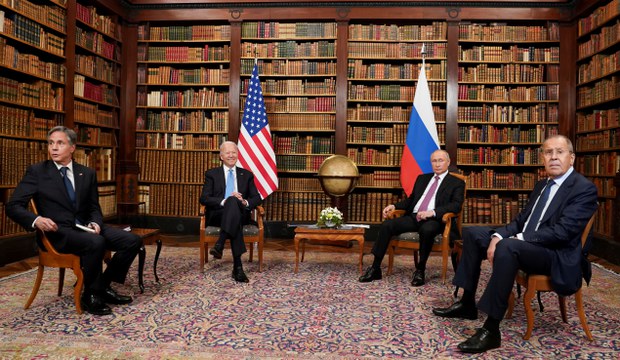
美國總統拜登(左二)會見俄羅斯總統普京(右二)(圖源:路透社)
因此,舍曼在亞洲之行中將順便訪問中國表明,這個行程與其説是必要的,不如説是僅僅是一種外交姿態,我們很難不懷疑這是否又會成為美國高官對其國內民眾的秀場。如果上課都上到中國來了,中國顯然不會吃這一套,會堅決奉陪到底。
美國對華接觸背後的戰略意圖至關重要。在美國國內,拜登政府發表的任何政策立場都會以遏制中國為背景戰略,充分繼承了特朗普政府的“全政府(whole-of-government)”對華遏制策略。在國際上,無論是在雙邊還是多邊場合,美國都把中國問題作為與所有盟國和夥伴討論的中心議題,敦促這些國家在人權、經濟、高科技和軍事問題上對華採取更強硬的立場。美國還在G7峯會上提出一項新的全球基礎設施計劃——“重建更美好世界”(Build Back Better World),欲與中國的“一帶一路”抗衡。
美國這些舉措都是為了在與中國的競爭中保持更好的戰略位勢。然而,從美國的做法可以明顯看出,這個國家的戰略並不是着力於發展自己從而為本國人民和國際社會創造和平與繁榮,而是想方設法調動國內和國際資源來遏制另一個國家。美國的戰略目標並非發展自己,而是與中國競爭。
更令人失望的是,在抗擊新冠肺炎疫情和恢復經濟成為世界人權優先事項之時,在國際合作比以往任何時候都迫切之際,美國卻在動用一切手段資源在所有領域推行大國競爭,把所有國家綁架在中美大國競爭的戰車上,而且這個競爭是美國出於國內議程設置強加給中國的。
特別是,無論願意與否,幾乎每個國家都面臨着不得不選邊站的困境。在美國推動其他國家選擇立場時,針對中國的虛假信息、制裁和脅迫已成為美國政策的“新常態”。
當外交會晤被美國用於戰略對抗,中國的謹慎態度也就完全可以理解了,中國的謹慎態度也應該對亞太地區其他國家有所警示。
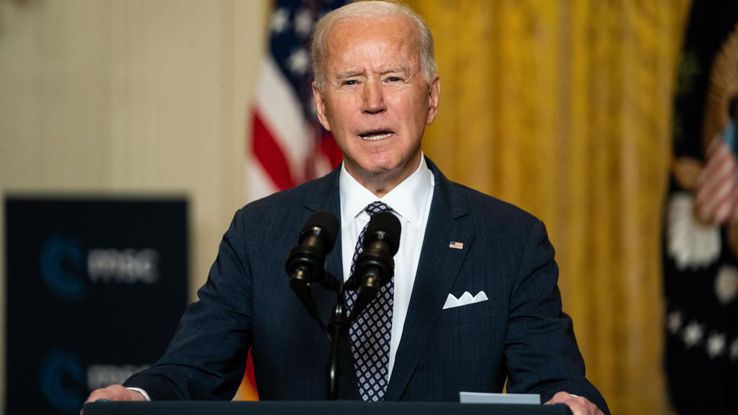
拜登在慕尼黑安全會議上重申美國對跨大西洋聯盟的承諾,並稱民主正受到攻擊。(圖源:金融時報)
拜登政府大聲宣稱“美國回來了”,這同時意味着美國將重返亞太。然而,回想一下美國通過朝鮮戰爭、越南戰爭和阿富汗戰爭對該地區造成的災難性破壞,我們到底能否相信美國所吹噓的對於亞太局勢的穩定作用?對此,我們需要打一個大大的問號。
(英文版原文發表於《南華早報》)
As the No 2 US diplomat Wendy Sherman kicks off her Asian trip this week, no one has completely ruled out the possibility that she will visit China.
Even before her trip, signals were sent out on several occasions hinting at a high-level engagement between the United States and China. However, whether it is White House Indo-Pacific coordinator Kurt Campbell’s expectations of a meeting between Presidents Joe Biden and Xi Jinping, or US national security adviser Jake Sullivan’s suggestion of a Biden-Xi meeting on the sidelines of the G20 summit, China has yet to say yes.
“Of course we hope to resume dialogue, but it depends on whether the US is sincere,” Chinese Foreign Minister Wang Yi said at the World Peace Forum in Beijing, when asked whether there would be a high-level meeting between China and the US this year.
Wang stressed that the most important thing for China now is to continue to handle its own affairs well. Wang’s attitude was also echoed by officials for China’s Ministry of Foreign Affairs.
Many have cited cultural and psychological reasons as explanations for China’s reservations. As oriental culture is more sensitive about maintaining reputations and saving face, high-level engagements should be conducted in a friendly environment that may have been specifically created.
So, in the eyes of many Chinese people, when the US announced sanctions on Chinese and Hong Kong officials just before the Alaska talks in March, it was a humiliation and far from a friendly curtain-raiser.
This time, ahead of Sherman’s possible visit to China, the US issued a “business advisory” about the risks of operating in Hong Kong and sanctioned seven officials from the central government’s liaison office in Hong Kong – once again sounding an ominous note.
Having said that, behind such cultural and psychological factors are complicated strategic and geopolitical reasons that should be explored.
Why does China remain doubtful about American sincerity? And, what lies behind the US’ expressions of interest in meeting Chinese leaders? To answer these questions, some lessons could be drawn from the meeting in Anchorage, Alaska.
As clearly manifested in the Anchorage talks, the US does not engage with China with the sincere intention to deal with bilateral issues, such as enhancing cooperation or tackling global challenges together in the time of Covid-19. Rather, the US seeks first to appease its domestic audience.
A diplomatic meeting was turned into a showcase for the Biden administration’s tough policy towards China before the American public, including the Republicans. This is a clear signal that the US-China engagement in Anchorage was about teaching the Chinese a lesson on human rights issues, rather than improving bilateral relations.
As the No 2 US diplomat Wendy Sherman kicks off her Asian trip this week, no one has completely ruled out the possibility that she will visit China.
Even before her trip, signals were sent out on several occasions hinting at a high-level engagement between the United States and China. However, whether it is White House Indo-Pacific coordinator Kurt Campbell’s expectations of a meeting between Presidents Joe Biden and Xi Jinping, or US national security adviser Jake Sullivan’s suggestion of a Biden-Xi meeting on the sidelines of the G20 summit, China has yet to say yes.
“Of course we hope to resume dialogue, but it depends on whether the US is sincere,” Chinese Foreign Minister Wang Yi said at the World Peace Forum in Beijing, when asked whether there would be a high-level meeting between China and the US this year.
Wang stressed that the most important thing for China now is to continue to handle its own affairs well. Wang’s attitude was also echoed by officials for China’s Ministry of Foreign Affairs.
Many have cited cultural and psychological reasons as explanations for China’s reservations. As oriental culture is more sensitive about maintaining reputations and saving face, high-level engagements should be conducted in a friendly environment that may have been specifically created.
So, in the eyes of many Chinese people, when the US announced sanctions on Chinese and Hong Kong officials just before the Alaska talks in March, it was a humiliation and far from a friendly curtain-raiser.
This time, ahead of Sherman’s possible visit to China, the US issued a “business advisory” about the risks of operating in Hong Kong and sanctioned seven officials from the central government’s liaison office in Hong Kong – once again sounding an ominous note.
Having said that, behind such cultural and psychological factors are complicated strategic and geopolitical reasons that should be explored.
Why does China remain doubtful about American sincerity? And, what lies behind the US’ expressions of interest in meeting Chinese leaders? To answer these questions, some lessons could be drawn from the meeting in Anchorage, Alaska.
As clearly manifested in the Anchorage talks, the US does not engage with China with the sincere intention to deal with bilateral issues, such as enhancing cooperation or tackling global challenges together in the time of Covid-19. Rather, the US seeks first to appease its domestic audience.
A diplomatic meeting was turned into a showcase for the Biden administration’s tough policy towards China before the American public, including the Republicans. This is a clear signal that the US-China engagement in Anchorage was about teaching the Chinese a lesson on human rights issues, rather than improving bilateral relations.
Notably, the timing of Sherman’s possible visit and its strategic intentions give the lie to the seriousness of the Biden administration’s intentions to engage China.
It is customary for a new US administration’s first state visits to be to allied countries. Biden has just finished his alliance campaign in Europe, where he attended the G7 summit last month.
He has held face-to-face meetings with leaders of allied countries including Britain, Japan and South Korea. Since the US views China as a rival, it’s natural that it is not on that list.
However, the strained relationship between the US and Russia has not prevented Biden from meeting President Vladimir Putin in a third country.
Even at the height of the Cold War, the US and Soviet Union remained engaged with each other to at least manage the crisis. Thus, Sherman’s by-the-way visit to China speaks for itself. This is an itinerary detail that’s more optional than essential.
Finally, it is the strategic intention behind the US engagement with China that plays the most important role in defining the relationship between the two. Domestically, the Biden administration has seldom delivered policy positions without the containment of China serving as a backdrop.
Internationally, the China issue has been put forward by the US as a central topic to be discussed with all its allies and partners on either bilateral or multilateral occasions.
The US has urged these nations to take a harder line on Beijing’s human rights problem, economic practices, hi-tech development and military issues. A new global infrastructure programme, “Build Back Better World”, has been purposely adopted to rival China’s Belt and Road Initiative.
All these efforts are aimed at better positioning the US in its competition with China. US practices give the distinct impression that the nation is not developing itself to deliver peace and prosperity to its people and the international community. Instead, it is mobilising its domestic and international resources to contain another state. Its strategic goal is not to develop itself but to compete with another nation.
Worse, at a time when fighting the Covid-19 pandemic and restoring the economy are top human rights priorities for the world, and international cooperation is more necessary than ever, the US has used every lever it has to push big-power competition.
The dilemma of having to choose a side has been thrust upon nearly every state, like it or not. Disinformation, sanctions and coercion with regard to China have become the “new normal” as the US pushes others to take sides.
When diplomatic engagement is applied in a strategic confrontation, it is no wonder that China is being cautious. Chinese wariness should also serve as a warning to other countries in this region.
When the Biden administration loudly declares that the US is back, it also means that America is back in the Asia-Pacific. However, given the devastation of the Korean, Afghanistan and Vietnam wars, the real question is how much the US can be trusted to deliver on its boast that it plays a stabilising role in the region.
Dr Cheng Jing is an associate fellow at the Global Governance Institution and lecturer at the School of Foreign Studies, Xidian University
Xu Jingzhi is an intern at the Global Governance Institution. She studies at New York University Shanghai, majoring in political science and economics
(https://www.scmp.com/comment/opinion/article/3141792/will-xi-meet-biden-why-china-wary-us-diplomatic-intentions)