周波:氣候危機的警示,中美應確保共存而非極限競爭
中美兩國在格拉斯哥第26屆聯合國氣候變化大會期間的聯合減排承諾,就像是沙漠中的一片綠洲,尤其是考慮到近來緊張的雙邊關係。但這不應該令人感到驚訝。面對不斷逼近自身生存的共同威脅,大國知道何時應該攜手應對。
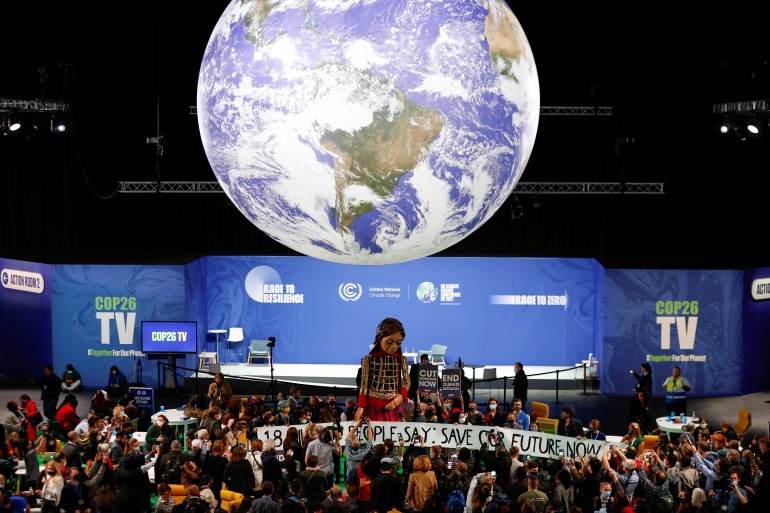
格拉斯哥第26屆聯合國氣候變化大會。來源:半島電視台
氣候變化將一個問題擺在了面前:既然大會達成的最重要共識是(人類)時日無多, 我們還有時間互相競爭嗎?
如果人性的天生缺陷是隻有大難臨頭才會停止爭鬥,那麼氣候變化為我們提供了另一種從共存的角度看待彼此關係的方式:我們合作以求生存,不是生存以求競爭。
共存談何容易,尤其是在兩個幾乎同等分量的巨人之間。冷戰期間美蘇兩個超級大國之間的戰略平衡,最終是通過相互確保摧毀的方針實現的。
誠然,由於今日中美之間存在着巨大的經濟及其他方面的相互依存,中美關係與冷戰時期的美蘇關係並不具有可比性。但是,我們現如今看到的兩國之間不斷加劇的競爭卻與冷戰初期幾乎並無差別,以至於美國總統拜登在11月16日的視頻會晤上向習主席建議共同推動兩國“建立理性務實的護欄”。
但問題的關鍵是:雙方該怎麼做?中美兩國都宣稱不讓兩國關係進入“新冷戰”,但是誰也無法擔保。
應該説,中國接受與美國共存相對容易,共存不僅與中國“和平共處五項原則”的外交傳統一脈相承,而且除了中國必須捍衞的台灣、東海和南海的領土主權之外,中國和美國在其他地方不可能發生軍事衝突。
和平共處五項原則。來源:《百年黨史關鍵詞》
一個更大的背景是,中國無意挑戰這個幾十年來都讓中國獲益的國際體系。
同北京共存對於華盛頓更像是難嚥的苦果,因為美國很大程度上將中美關係視為民主與專制之間的決鬥。
自中美建交以來,美國總統常常將希望看到一個強大、繁榮中國的話語掛在嘴邊,但類似的表述背後的“潛台詞”被前美國副總統邁克·彭斯(Mike Pence)於2018年在哈德遜研究所(Hudson Institute)一語道破:“蘇聯解體後,我們曾一度認為中國走向自由是不可避免的。”
現在這一希望已經破滅。中國變得更加強大,但卻不是美國希望的樣子。在特朗普執政期間,美國對中國採取了非常手段,發動貿易戰,增加美國海軍在南海中國領海的行動,廢除了幾乎所有與台灣交流的法律限制。
儘管拜登政府的對華政策在很大程度上是特朗普政府大國競爭戰略的延續,但是情況似乎已經開始發生變化。
美國國家安全顧問沙利文(Jake Sullivan)近日在接受美國有線電視新聞網(CNN)記者扎卡里亞(Fared Zakaria)採訪時表示:“美國以往對華政策的錯誤之一在於認為可以通過政策從根本上改變中國的制度。但這不是拜登政府的目標。”他甚至提到了“共存”一詞。
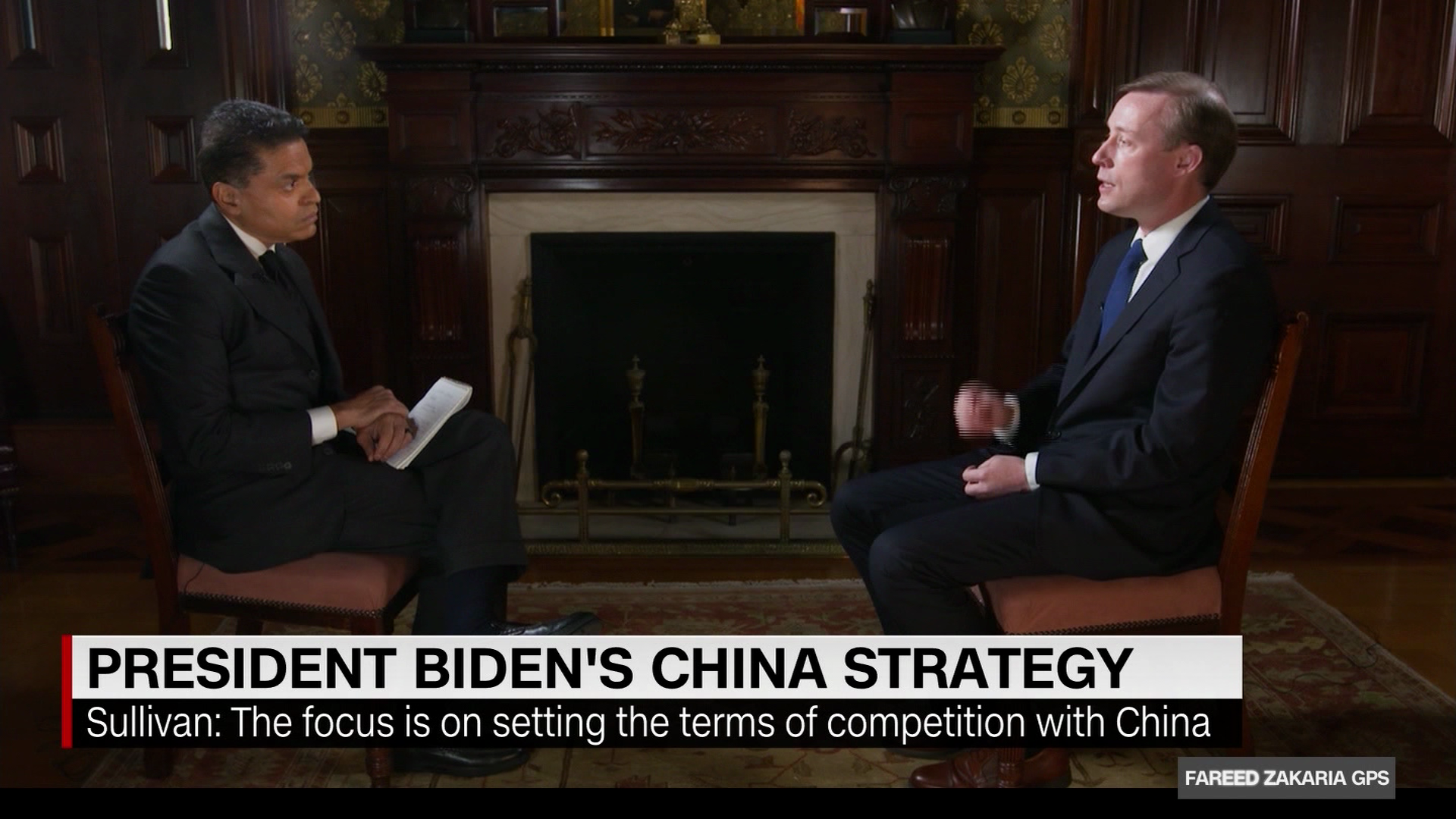
美國國家安全顧問沙利文接受採訪。來源:CNN
即使習主席與拜登的會晤標誌着一個分水嶺,但是在某種程度上,當今北京和華盛頓之間的共存比冷戰期間華盛頓和莫斯科之間的共存更加困難。冷戰時期,美蘇之間的共存有着明確界定的勢力範圍,但是現如今中美之間甚至都沒有緩衝區。
美國定期派遣海艦穿越台灣海峽,駛近中國南海島礁,同時又要求中國人民解放軍軍艦與其保持安全距離。這種邊緣政策極有可能引發拜登不想看到的局面——一場有意或無意的衝突。
臨淵而知退。一旦發生衝突,除了日本和澳大利亞之外,美國的其他盟友都不可能心甘情願站在美國一邊。人們很難想象一向與中國和睦相處的泰國會作為美國的盟友在任何情況下追隨美國而與中國交戰。
即便奧庫斯(Aukus)潛艇交易證明美國成功地用甜言蜜語説服了澳大利亞對抗中國,這也使它經失去了另一個重要盟友法國的信任。美國的短期收益為零,長期收益則可忽略不計。
奧庫斯潛艇交易在印太地區。來源:外交官
阿富汗戰爭對美國形象和信譽的損害只有越南戰爭可相提並論。一些人認為,美國將浴火重生,像越戰10年後一樣繁榮興旺。也許吧!但即便如此,中國的GDP也會於2030年,甚至在此之前超過美國,成為世界上最大的經濟體。
我將這稱為“2030時刻”,它將比“史普尼克號時刻(Sputnik moment)”更具劃時代意義。當時蘇聯發射了第一顆在軌人造衞星,令美國人目瞪口呆。“2030時刻”也會比聯合國秘書長安東尼奧·古特雷斯(Antonio Guterres)稱為“1945年時刻”的冷戰開始時刻更有意義。
對中國來説,“2030時刻”標誌着歷史的迴歸,彷彿穿越時空隧道與我們昔日盛世重新相連。對美國來説,這將是該國自1898年美西戰爭成為全球大國以來,第一次必須接受與對手相互確保共存。而對全世界來説,“2030時刻”代表着常識的迴歸:國家興衰更替,所謂民主與專制之間的鬥爭不過是一個神話。
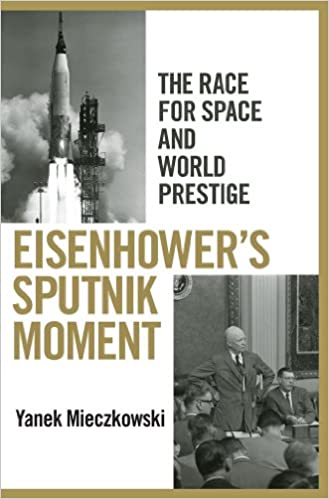
“史普尼克號時刻”。來源:亞馬遜
翻譯:中國論壇 張佳奕
校譯:中國論壇 韓樺
With the climate crisis threatening us all, this is a time for US-China coexistence, not competition
The joint pledge of China and the United States at the COP26 conference in Glasgow to cut emissions is like an oasis in a desert, considering their badly strained ties. But it shouldn’t be a surprise. In facing a common threat looming large over their own survival, major powers know when they need to act together.
The problem of climate change raises a question: if indeed time is running out – the most important consensus of the conference – do we still have time to compete against each other?
If human nature is intrinsically flawed so that people will only stop jostling each other right before doomsday, then climate change provides us with a way of looking at our relations from a perspective of coexistence: we cooperate to survive, we don’t survive to compete.
Coexistence is not easy, especially between two giants of almost equal weight. During the Cold War, strategic equilibrium between the two superpowers was eventually achieved through the doctrine of mutually assured destruction.
Admittedly, what is happening today is quite different from the Cold War if one thinks of the colossal amount of economic and other interdependence between China and the US. But, almost like in the early days of the Cold War, what we are seeing is ever intensifying competition to the extent that US President Joe Biden suggested to Chinese President Xi Jinping that they “establish a commonsense guardrail” in a virtual summit on November 16.
The question is how. Both China and the US have vowed not to slide into a new Cold War. But there is no guarantee of that.
Presumably, coexistence with the US is easier for China, not only because China’s time-honoured foreign policy is called “five principles of peaceful coexistence”, but also because – apart from what China views as its sovereign rights over Taiwan, and in the East China Sea and the South China Sea, that it has to defend – there is no possibility of a military conflict between China and the US elsewhere.
Against a bigger backdrop, Beijing does not wish to challenge the international system from which it has benefited tremendously for decades.
Coexistence with Beijing looks more like a bitter fruit for Washington to swallow, given that the US views the relationship very much like a duel between democracy and autocracy.
Ever since the establishment of diplomatic ties between the US and China, it has not been uncommon for American presidents to say how the US wishes for China to be strong and prosperous, but there has been an undertone, which was eventually voiced by US vice-president Mike Pence at the Hudson Institute in 2018: “After the fall of the Soviet Union, we assumed that a free China was inevitable”.
This hope has been dashed. China is getting much stronger, but is still different. During the Trump administration, the US took drastic measures to attack China, ranging from the trade war to increased US navy operations in Chinese waters in the South China Sea and lifting almost all legal restrictions on exchanges with Taiwan.
The Biden administration’s policy towards China is very much a continuation of Trump’s great power rivalry. But it seems things are starting to change.
In a recent interview with CNN’s Fareed Zakaria, US National Security Adviser Jake Sullivan said: “One of the errors of previous approaches to policy towards China has been a view that through US policy, we would bring about a fundamental transformation of the Chinese system. That is not the object of the Biden administration.” He even mentioned “coexistence”.
Even if the Biden-Xi summit signals a watershed, in a way, coexistence between Beijing and Washington today is more difficult than it was between Washington and Moscow during the Cold War. Unlike during the Cold War, when coexistence between two superpowers was marked by clearly defined spheres of influence, there aren’t even buffer zones between China and the US.
The US Navy regularly sends ships to sail through the Taiwan Strait and near the Chinese islands and rocks in the South China Sea while asking the Chinese People’s Liberation Army ships to keep a safe distance. Such brinkmanship risks veering into exactly what Biden hopes to avoid – a conflict, intended or unintended.
To stare into the abyss helps one to step back. Should a conflict occur, with the possible exception of Japan and Australia, no American ally would wish to take the US’ side. One can hardly imagine that Thailand, an American ally and a friend of China, would follow the US into a war with China under any circumstances.
If the US has succeeded in sweet-talking Australia into antagonising China, as was proved with the Aukus submarine deal, it has lost the trust of France, another important ally. The immediate outcome is zero, the long-term benefit is inconsequential.
The damage done by the Afghan war to the image and credibility of the US can only be matched by the Vietnam war. Some people have argued that America will rise from the ashes and prosper like it did 10 years after the Vietnam war. Perhaps it will. But even if that is so, there will still be the moment, maybe even before 2030, when China surpasses the US in terms of gross domestic product as the largest economy in the world.
I call it the “2030 moment”. It will be more epochal than the “Sputnik moment”, when the Soviets stunned the Americans by sending the first satellite to orbit, or what UN chief Antonio Guterres described as the “1945 moment” referring to the beginning of the Cold War.
For China, the “2030 moment” marks a return of history, a reconnection through a time tunnel with the heydays of the past. For America, it will be the first time that the country has to accept mutually assured coexistence with a rival since it became a global power after the war with Spain in 1898. And, for the whole world, it represents the comeback of common sense: nations rise and fall, the story of the rivalry between democracy and autocracy is a myth.
本文系觀察者網獨家稿件,文章內容純屬作者個人觀點,不代表平台觀點,未經授權,不得轉載,否則將追究法律責任。關注觀察者網微信guanchacn,每日閲讀趣味文章。