周波:多重推力塑造中國藍水海軍
當下,什麼最能代表中國的軍事實力?答案是:中國海軍。
截至2020年底,中國人民解放軍海軍有360艘戰艦,超過了美國海軍的297艘。大概率估計,這一差距將在未來幾年持續擴大。
套用捷克前總統哈維爾的説法,中國的海軍建設如此迅猛,以至於世界都還沒來得及感到驚訝。要知道,在1974年中國海軍和南越海軍的西沙羣島之戰中,中國四艘軍艦加起來的噸位還比不過南越海軍最大的軍艦。
不同於為建立中華人民共和國而立下汗馬功勞的中國人民解放軍陸軍和參加過朝鮮戰爭的中國人民解放軍空軍,中國人民解放軍海軍鮮有戰爭考驗,但現在站到了最前沿。原因很簡單——今天中國面對的所有威脅都來自海上。
無論是在台灣海峽還是在中國南海,中國海軍都必須為與美國海軍的可能衝突做好準備。拜登總統曾表示,美國與中國的競爭將採取“極限競爭(extreme competition)”的形式,而不是衝突;但問題是,如果競爭已經很激烈,那可能就像在距衝突一步之遙處走鋼絲。

11月23日,美國軍艦再次通過台灣海峽。來源:路透社
美國號稱在台灣問題上保持“戰略模糊”政策。但自特朗普執政以來,美國政府一直在以各種方式“切香腸”般消除這種模糊:包括強化與台北的交流,派遣軍艦挑釁地穿越台灣海峽,以及在台灣部署軍人協助軍事訓練。
因此,北京方面被迫派遣更多軍機前往台灣附近,以加大對台灣的壓力,也就不足為奇了。在10月31日與美國國務卿布林肯的會見中,中國外交部長王毅警告美國不要執行“假的一中政策”。
如果台灣海峽爆發衝突,中國會盡全力贏得主權保衞戰,而且也能打贏。
由於台灣距離大陸只有160公里,美軍會從衝突一開始就處於不對稱劣勢。美國的亞洲盟友們是否會心甘情願允許美國人使用他們的軍事基地,把自家變成戰場,也值得懷疑。
在南海,中國海軍越強大,就越不可能忍受美國定期在自家門口挑釁。
冷戰時期,美蘇兩個超級大國可以通過明確劃定的勢力範圍來消除衝突,但中美海軍在南海沒有緩衝區,事故和險情時有發生,例如2001年中美兩架軍機的致命相撞。
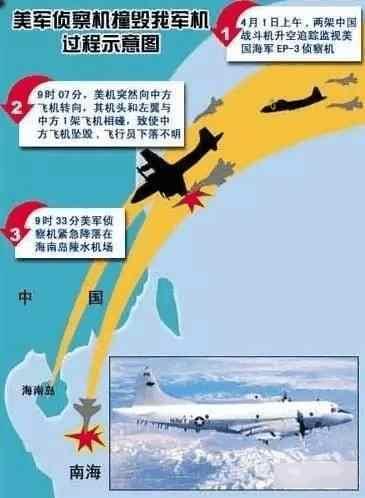
中美撞機事件,又稱81192撞機事件。來源:每日頭條
在撞機事件中,一名中國飛行員犧牲, 美國偵察機機組人員在海南島被扣留,美國大使在致信中兩次提及“非常抱歉”,事件才得以和平解決。
現在的局面已大不相同。拜登總統最近與中國國家主席習近平的視頻會晤時提到要建立“務實與理性的護欄”,但北京和華盛頓之間的互不信任和缺乏戰略共識,使得建立“護欄”的空間有限。若再遇到類似情況,緩和危機將比以往更具挑戰。現有的少數幾個建立信任的措施只是戰術安排,難以解決戰略上的不信任。
美國能指望AUKUS聯盟和Quad四國集團嗎?
中國和美國都強調要避免新冷戰。但是,如果競爭註定會加劇,美國能指望它在印度-太平洋地區的盟友嗎?
無論承認與否,澳大利亞、英國和美國之間的奧庫斯(AUKUS)三邊安全條約,以及由美國、印度、日本和澳大利亞組成的四國集團(Quad),就是華盛頓難以粉飾的遏制中國的雙重手段。
問題是,它們的用處有多大?澳大利亞在AUKUS協議框架下預期獲得8艘核潛艇,如果連第一艘都不能於2040年前交付,那麼這些潛艇不僅改變不了遊戲規則,還會在未來幾十年內一直困擾堪培拉。澳大利亞沒有核工業,如果這些潛艇必須不時地在他國進行維護,那麼澳大利亞的潛艇能力就不可能是完全獨立自主的。
四國集團可能發展,但不可能發展成為針對中國的有用的軍事聯盟。
從根本上説,這四個對話夥伴是否準備犧牲與中國的雙邊關係,特別是巨大的經濟交往,而對華採取敵對的態度?
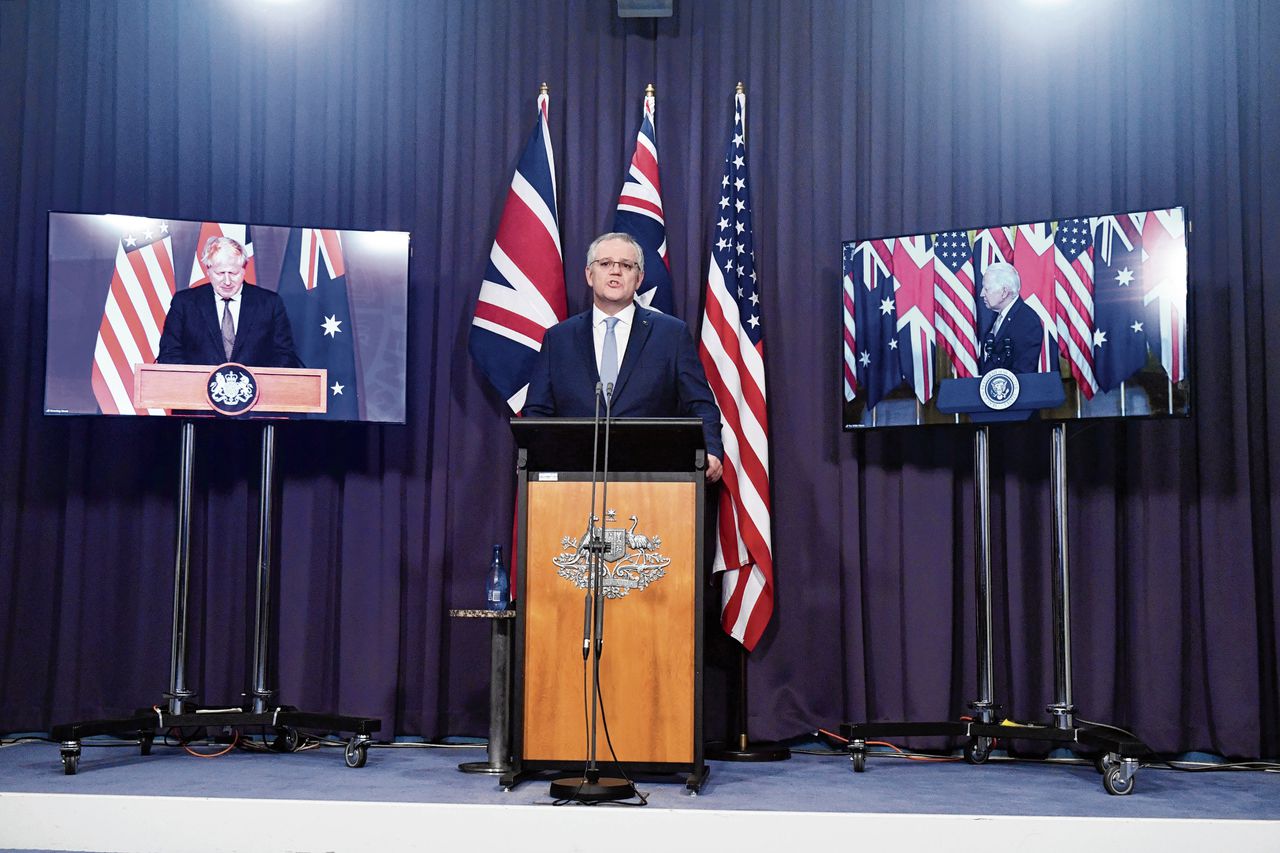
AUKUS美澳英聯盟。來源:NRC
軍事上,澳大利亞是Quad一員,也已經是AUKUS的一部分。日本雖然不是AUKUS成員國,但也表態支持。因此印度對中國的態度攸關Quad的生存和發展。但即使印度對中國海軍在印度洋的存在感到不爽,它也很難提出抗議,因為解放軍在印度洋的所有軍事行動,無論是反海盜還是救災,都是人道主義性質的。中國海軍和印度海軍不可能在印度洋上發生類似去年6月兩軍在陸地邊境地區的軍事衝突。
為全球化中國打造藍水海軍
如果只是為了解決台灣和南海問題,中國海軍並不需要這麼多艦艇。由於全球貿易約90%是通過海路運輸的,而中國是世界上最大的貿易國和最大的原油進口國,所以國際海上通道安全對中國來説關乎命脈。一個全球化的中國必須擁有自己的藍水海軍。
這就是為什麼自2008年12月以來,中國一直派遣海軍編隊在非洲之角附近水域巡邏。在中國海軍編隊護送的商船中,幾乎有一半是外國船隻,説明中國在保護自身利益的同時,儘量兼顧國際責任。在亞丁灣,中國一直在與北約、歐盟和美國領導的多國海上力量並肩合作。
中國的目標是在2049年慶祝中華人民共和國成立100週年時建成一支世界一流的軍隊,這是完全可能的,因為今天的解放軍已被許多人視為僅次於美軍,而距離目標還有20多年的時間。問題在於,中國會如何使用這支有朝一日可與美國並駕齊驅的軍事力量?毋庸諱言,一支更強大的中國人民解放軍將更有能力捍衞中國主權。
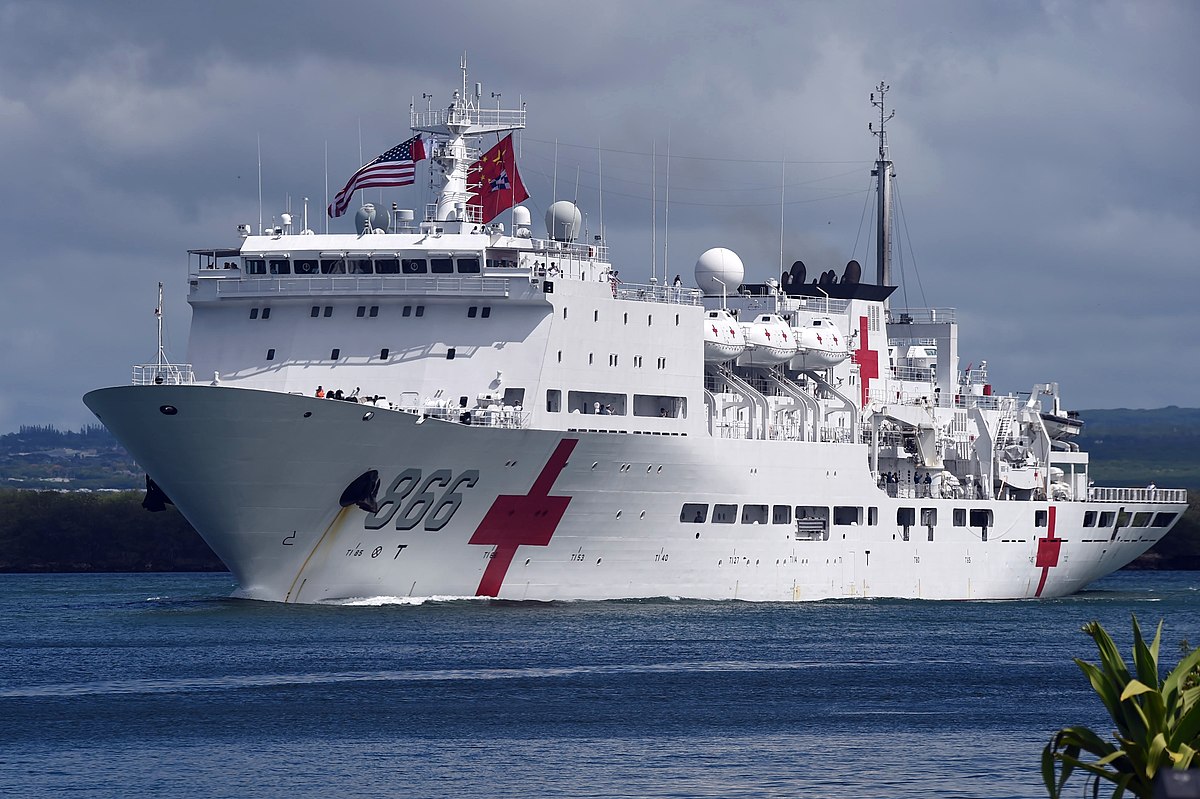
中國海軍醫療船“和平方舟”號。來源:中新社
但中國不像美國,沒有傳教士般的干預他國內政或管控世界的狂熱。儘管有猜測中國將建立“珍珠鏈”——橫跨印度洋的一系列海外軍事基地,但迄今為止,中國只於2017年在吉布提建立了一個後勤保障基地。可以説,中國沒有興趣重蹈美國由於帝國擴張致使衰落的老路。
一言蔽之,人們應該如何看待中國海軍?
自2010年以來,中國海軍醫療船“和平方舟”號巡遊世界,已為數十萬人提供了醫療服務。這與600年前鄭和下西洋的做法步調一致,當時鄭和的無敵艦隊引發更多的是欽佩,而非望而生畏。
如果説中國最大的驅逐艦“南昌”號代表了中國的硬實力,那麼“和平方舟”則傳遞了另一面信息:大國的實力恰恰在於謙遜。
翻譯:中國論壇 蔣紹澄
校譯:中國論壇 韓樺
What’s driving China’s push to build up its naval power
What best represents China’s military strength? The answer: its navy.
At the end of last year, the Chinese People’s Liberation Army Navy had 360 battle ships, surpassing the United States Navy’s 297 vessels. And that gap is expected to widen in the coming years by most estimates.
To paraphrase former Czech president Vaclav Havel, China’s naval build-up has happened so rapidly that the world has not had time to be astonished. In the 1974 Battle of the Paracel Islands between the naval forces of China and South Vietnam, the four Chinese warships combined were dwarfed in size by the largest ship of the South Vietnamese navy.
Unlike the PLA Army, which fought to establish the People’s Republic of China, and the PLA Air Force, which fought in the Korean War, the least war-tested PLA Navy now stands at the forefront, simply because today, all threats to China come from the sea.
Be it in the Taiwan Strait or in the South China Sea, the PLA Navy has to prepare for possible conflict with the US Navy. US President Joe Biden has said that US rivalry with China will take the form of “extreme competition” rather than conflict; the problem is, if competition is already extreme, it is probably like tiptoeing on a tightrope that is only one step away from conflict.
The US is said to maintain a policy of strategic ambiguity on Taiwan. But since the Trump administration, the US government has been salami-slicing away that ambiguity in diverse ways, including enhancing exchanges with Taipei, sending warships to sail provocatively through the Taiwan Strait and deploying its servicemen in Taiwan to help with military training.
It is not surprising then that Beijing is compelled to increase pressure on the island by sending more military aircraft to fly near Taiwan. In a meeting with US Secretary of State Antony Blinken on Oct 31, Chinese Foreign Minister Wang Yi warned the US not to pursue “a fake One China policy”.
Should conflict erupt in the Taiwan Strait, China cannot afford to lose in a war defending its sovereignty. And it probably won’t.。
With Taiwan just 160km away from the mainland, the US military will find itself in an asymmetrical disadvantage from the start. It is questionable that its Asian allies will readily allow Americans to use their military bases to turn their homelands into battlefields.。
In the South China Sea, the stronger the PLA Navy becomes, the less likely it will bear with American provocations at China’s doorstep on a regular basis.
Unlike in the Cold War where there were clearly defined spheres of influence which allowed the two superpowers to deconflict, there are no buffer zones between the two navies in the South China Sea. Accidents and close calls have occurred, including a deadly collision of two military aircraft in 2001.
The so-called Hainan incident - which led to the death of a Chinese pilot and the detention of the crew of the American reconnaissance plane on the island - was resolved peacefully only after the US ambassador sent a letter in which he said “very sorry” two times.
The situation is far different now. The mutual distrust and lack of strategic consensus between Beijing and Washington leave hardly any room for “common- sense guardrails”, in the words of President Biden during his recent virtual meeting with China’s President Xi Jinping. De-escalation in a similar crisis will be far more challenging than in the past. The few confidence-building measures in place are only tactical arrangements which can hardly resolve strategic distrust.
Can US count on Aukus and Quad?
Both China and the US have vowed to avoid a new Cold War. But if the rivalry is set to intensify, can the US count on its alliances in the Indo-Pacific?
Admit it or not, Aukus, the trilateral security pact between Australia, the United Kingdom and the US, and the Quad, involving the US, India, Japan and Australia, are Washington’s thinly veiled dual approaches in containing China.
The question is, how useful are they? If the first of Australia’s eight nuclear- powered submarines under Aukus is not going to be delivered before 2040, the subs will not become serious game changers. Instead, they will haunt Canberra for decades to come. Australia has no nuclear industry. If these subs have to be maintained from time to time in another country, Australia’s submarine capability cannot be sovereign.
The Quad could grow into anything other than a useful military coalition against China.
Fundamentally, are the dialogue partners prepared to sacrifice their bilateral ties, especially the huge economic interactions, with China, to go on a hostile footing?
Militarily, Australia, a Quad member, is already part of Aukus. Japan, while not an Aukus member, is supportive of it. Therefore India’s attitude towards China is critical to the survival and growth of the Quad. But even if India is not happy with the PLA Navy’s presence in the Indian Ocean, it can hardly protest because all the military operations of the PLA in the Indian Ocean are humanitarian in nature, be it counter-piracy or disaster relief. There is no likelihood of a military clash between the PLA Navy and the Indian Navy in the Indian Ocean like the one in the land border areas between the two armies in June last year.
Blue water navy for a global China
If it is only for resolving the Taiwan and South China Sea issues, the PLA Navy does not need so many ships. As about 90 per cent of global trade travels by sea, the security of the international sea lanes cannot be more crucial for China, the largest trading nation and the largest crude oil importer in the world. A global China calls for a blue water Chinese navy.
This is why since December 2008, China has been sending flotillas to patrol the waters off the Horn of Africa. Almost half of the merchant ships escorted by Chinese task forces are foreign ships, a demonstration of how China tries to combine its own interests with its international responsibilities. In the Gulf of Aden, China has been working in tandem with the North Atlantic Treaty Organisation, the European Union and the Combined Maritime Forces led by the US and other countries.
China aims to build a world-class military by 2049 when it celebrates its centenary. This is entirely possible as the PLA today is already seen by many as second only to the US military and there are still more than two decades to go. The question is how China might use its military that will one day be on par with the US military. Of course, a stronger PLA will be better positioned to protect China’s sovereignty.
But unlike the US, China has no missionary zeal to intervene in the domestic affairs of others or to police the world. Despite speculation that China would establish a “string of pearls”, that is, a series of overseas military bases across the Indian Ocean, China has so far built only a logistical supply base in Djibouti in 2017. It has no appetite to repeat the imperial overstretch that has, arguably, caused America’s decline.
So, in a snapshot, how is one to view the PLA Navy?
Since 2010, Peace Ark, the hospital ship of the Chinese navy, has sailed around the world providing medical treatment to hundreds of thousands of people. This is in step with Admiral Zheng He’s voyages in the Indian Ocean 600 years ago when his unrivalled fleet invoked more admiration than awe.。
If China’s biggest destroyer Nanchang represents the hard power of China, then Peace Ark sends another message: the heft of a great power lies in humility.
Zhou Bo is a senior fellow at the Centre for International Security and Strategy at Tsinghua University and a China Forum expert.
本文系觀察者網獨家稿件,文章內容純屬作者個人觀點,不代表平台觀點,未經授權,不得轉載,否則將追究法律責任。關注觀察者網微信guanchacn,每日閲讀趣味文章。