樂玉成:民主不需要“教師爺”,好不好人民最知道
樂玉成:
各位朋友,
大家下午好!很高興再次參加臨甲7號沙龍。
最近,民主在國際上成為熱門話題。本來這是一件好事,但個別國家打着“民主”旗號,歪曲民主要義,亂設民主標準,甚至把民主當成服務一己之私的政治工具,在世界上搞各種小圈子,製造分裂和對抗。這顯然同民主背道而馳。所以,今天我們開這個民主對話會很有必要,就是要通過討論和交流,激濁揚清,明辨是非,探討真正的民主之道。我願藉此機會和各位分享一點自己的思考。
首先我要回答一個問題,中國是不是民主國家?在一些西方人的中國敍事裏,中國似乎沒有民主,中國共產黨等同於威權和專制,即使你創造了長期穩定、快速發展、脱貧攻堅等一系列人間奇蹟,即使你得到了絕大多數中國民眾的支持擁護,你仍然被視為不講民主、沒有人權的國家。這恰恰暴露了某些人陰暗的心理和不可告人的圖謀,那就是把民主當作打壓異己的工具、遏制別國發展的幌子。
今年是中國共產黨成立100週年。百年來,中國追求民主、發展民主的腳步從未停止。不少人應該看過最近熱播的電視劇《覺醒年代》,其中有個鏡頭給我留下深刻印象:上個世紀初,中國共產黨的創始人陳獨秀、李大釗等人反覆穿行在一條泥濘小路上,為中國的民主、自由而上下求索。
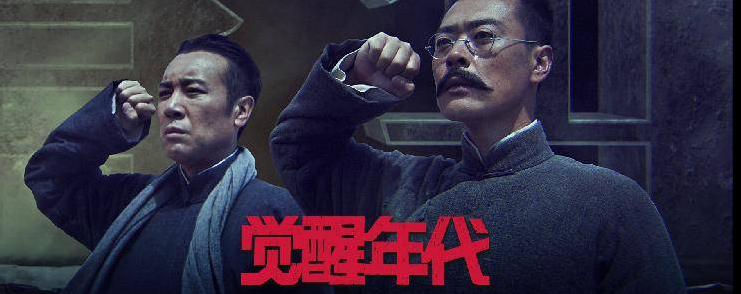
《覺醒年代》中國共產黨的創始人陳獨秀和李大釗。來源:CCTV1
正是從這條泥濘小路出發,中國共產黨帶領中國人民開啓了百年奮鬥的偉大征程。早在上世紀30年代初瑞金中央蘇區時期,中國共產黨就探索建立了蘇維埃工農兵代表大會。延安時期,不識字的農民用黃豆代替選票選出他們心目中最滿意的好乾部。美國著名記者斯諾訪問延安後盛讚,這是“人類歷史本身的豐富而燦爛的精華”,是一種“東方魔力”“興國之光”。
新中國成立後,中國民主開啓了新紀元,不斷取得歷史性成就。特別是黨的十八大以來,以習近平同志為核心的黨中央進一步深化對民主政治發展規律的認識,提出了全過程人民民主的重大理念,實現了對人民民主制度的重大創新。中國特色社會主義民主邁入了新時代。
我身邊不少同事和朋友説很希望《覺醒年代》拍續集,我告訴他們,今天欣欣向榮、蓬勃發展的自由民主中國不就是最好的“續集”嗎?的確,中共先驅者的中國民主之夢今天全都變成了現實。全過程人民民主就是他們當年孜孜以求的最好答案。
中國的全過程人民民主,不是少數人、利益集團的民主,而是多數人、全體人民的民主。當前,中國從中央到省區市縣鄉有五級人大代表共262萬多名,都是由選民選舉出來,人民廣泛參加國家事務特別是基層的管理,行使憲法賦予公民的權利。特別是十三屆全國人大代表中,一線工人、農民、專業技術人員代表所佔比例明顯提升,凸顯了人大代表的廣泛性和人民羣眾政治參與的廣泛性。
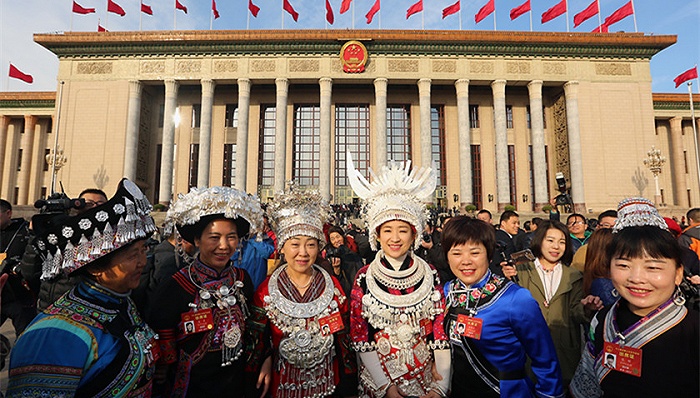
十三屆全國人大代表擬於2018年1月選出基層代表比例擬有所上升。來源:界面新聞
中國的全過程人民民主,不是搞“花架子”、形式上的民主,而是真正讓老百姓得幸福、惠民生的民主。過去數十年,中國讓8億多人徹底擺脱絕對貧困,創造了世界前所未有的減貧奇蹟。中國建起了世界規模最大的社會保障體系和全民醫療保障網,覆蓋13億多人口。就業是最大的民生,中國每年新增就業連續15年保持在1000萬人以上,相當於每年增加一箇中等國家的全部人口。目前中國已有10.8億人完成新冠疫苗全程接種,全國60多萬個基層社區關心着每一位居民的接種進度。
中國的全過程人民民主,也不是那種在投票時被喚醒、投票後就休眠的民主,而是人民充分享有知情權、表達權、監督權,全鏈條參與的民主。“從羣眾中來,到羣眾中去”是中國民主實踐的重要方法。當前,中國所有重大立法決策都經民主醖釀產生,黨的十八大以來,共有187次法律草案向社會徵求意見,共約110萬人次提出300多萬條意見建議。中國政府在制定“十四五”規劃過程中,廣泛問計於民,僅通過網上徵求意見方式,就收集到100多萬條意見建議。
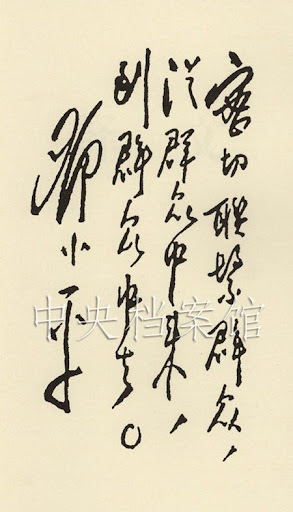
鄧小平題詞:密切聯繫羣眾,從羣眾中來,到羣眾中去。來源:黨史頻道-人民網
歷史和現實充分證明,中國的民主模式符合本國國情,受到人民擁護,是真正的民主、管用的民主、成功的民主。中國是當之無愧的民主國家。當年那條泥濘的小路,如今已建成14億中國人民不斷邁向民主、自由、繁榮、富強的康莊大道!
從中國成功的民主實踐中,我們可以得到一個重要啓示:民主制度不能是“飛來峯”,民主建設不需要“教師爺”。換句話説,民主要想成功,必須深深根植於本國的土壤,讓本國人民滿意和幸福。
中國人常説“十里不同音,百里不同俗”,即使在同一片中華大地上,也有東北黑土地、西北黃土地之分,還有江南水鄉、塞北草原之別,土質不同,出產不同,文化也各具特色,更不用説世界各國千差萬別、多姿多彩了。“一方水土養一方人”,同樣的道理,“一方水土有一方民主”。就如同世界上找不到兩片完全相同的葉子,在這個世界上,從來不存在適用於一切國家的民主模式,更沒有十全十美、高人一等的民主制度。
回顧中國近代以來探索民主的歷程,就曾因為簡單照搬外來模式而吃了不少苦頭,付出慘痛代價。放眼世界,無論阿富汗還是利比亞、伊拉克,被“顏色革命”強行移植的民主,結果都是災難性的,最終遭殃的還是無辜的人民。
各位朋友,
當前,全球疫情與百年變局交織疊加,人類發展正面臨前所未有的風險和挑戰,迫切需要國際社會齊心協力,合作應對。個別國家以“民主領袖”自居,召集什麼“民主峯會”,人為把世界各國分成三六九等,貼上“民主”和“非民主”標籤,對各國民主制度説三道四,指手畫腳,這是假民主之名、行反民主之實。這種做法對國際社會團結合作沒有任何好處,對世界發展也不會有任何裨益。
民主説到底就是要食人間煙火,時刻問政於民、問需於民、造福於民,而不是高居廟堂、高談闊論、遠離人民。面對動盪不定的世界,國際社會當務之急仍是繼續抗擊新冠疫情。全球被新冠病毒奪去生命的人數已超過520萬,其中美國一國就有80萬之多,我們對此深感痛心,絕不能允許這樣的人間悲劇再繼續下去。據世衞組織預計,世界上仍有80多個國家在年底前無法實現40%成年人接種疫苗的目標,其中許多是非洲國家,而來勢洶洶的“奧密克戎”新冠毒株正在嚴重威脅非洲人民的生命安全。
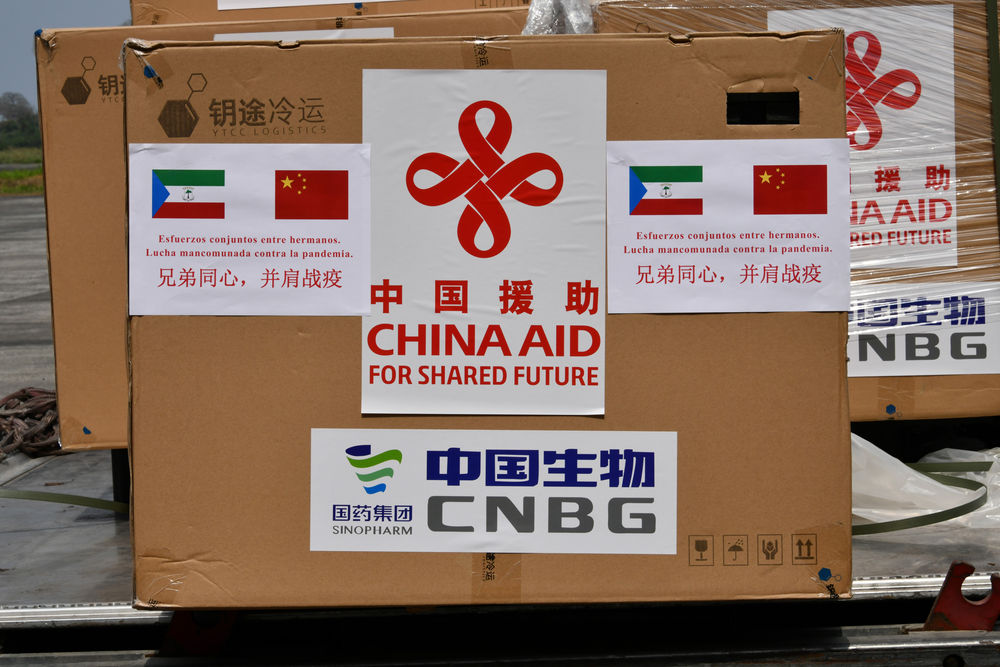
非洲國家人士:中國疫苗如“及時雨” 。來源:新華社
中國一直在向非洲人民伸出援手,日前習近平主席在出席中非合作論壇第八屆部長級會議上宣佈了中國援助非洲的一系列重大舉措,其中包括再向非州國家提供10億劑疫苗,援助實施10個醫療衞生項目,派遣1500名醫療隊員和公共衞生專家,等等。除了新冠疫情,氣候變化、經濟通脹、能源安全、難民移民等一系列挑戰也十分嚴峻,迫切需要各國團結合作,共謀對策。讓我們還是迴歸民主的本質,多接地氣,多關心民生,多造福人民吧。
以上就是我的致辭。希望對大家接下來的討論有所助益和啓發。最後,預祝本次對話會取得圓滿成功!謝謝大家!
(翻頁查看英文)
On Democracy, the People Know the Best— Remarks by Vice Foreign Minister Le Yucheng at A Dialogue on Democracy
Beijing International Club, 2 December 2021
Distinguished Friends,
Good afternoon! I’m very glad to join you again in this dialogue.
Recently,
democracy is being widely discussed around the world. This should have been a good thing. But a very few countries are using democracy as a cover: they twist its essence, and willfully set its standards. They even take democracy as a political tool for selfish gains, and build small blocs to create division and confrontation in the world. This obviously runs against the spirit of democracy. Therefore, today’s dialogue on democracy is very necessary. Through our interaction, we hope to clear up confusion, promote right conceptions, and look for the right way of democracy. I wish to share with you a few of my thoughts. The first question I’d like to answer is: Is China a democracy or not? Some in the West claim that there seems to be no democracy in China, and that the Communist Party of China is just authoritarian and autocratic. In their eyes, although China has created many miracles of long-term stability, rapid development and poverty reduction, and the government has the universal support of the Chinese people, yet China is still a country without democracy and without human rights.
This actually reveals their hostile mindsets and intentions, namely, democracy is just a tool to repress anyone who disagrees with them and to contain the development of other countries. This
year marks the 100th birthday of the CPC. For 100 years, China has never stopped its efforts to pursue and advance democracy. Many people have watched The Age of Awakening, a popular TV series. I was deeply impressed by one of the scenes—Chen Duxiu, Li Dazhao and other CPC founders walking back and forth on a muddy path in the early 20th century, looking for ways to democracy and freedom. Starting from that muddy path, the CPC led the Chinese people on a great journey of the century. In the early 1930s, the CPC established the congress of workers, peasants and soldiers in Ruijin, capital of the Chinese Soviet Republic. While in Yan’an, peasants, who could not read, would vote for their ideal candidates by casting beans as ballots. U.S. journalist Edgar Snow was deeply impressed by his visit to Yan’an. He said what he saw there was the best of human history, and a light of rejuvenation in the East.
After the founding of the People’s Republic, China’s democracy has stepped into a new stage, and made steady and historic progress. In particular, since the 18th CPC National Congress, the Party Central Committee with Comrade Xi Jinping at its core has deepened the knowledge on the laws of democracy, and proposed the important concept of “whole-process people’s democracy”. This is a major innovation on the people’s democratic system. Socialist democracy with Chinese characteristics is now in a new era. Many of my colleagues and friends hope to see sequels to The Age of Awakening. I would ask them: Don’t you think the prosperous, dynamic, free and democratic China today is the best sequel? Our forefathers’ dream of
democracy is now a reality, and the whole-process people’s democracy is the best answer to their life-long struggle.
China’s whole-process people’s democracy is not for the few or an interest group. It is for the majority and the whole Chinese people. All the 2.62 million deputies in the five levels of people’s congresses, from the National People’s Congress down to provinces, cities, counties, and townships, are elected by the people. The people in China participate extensively in state
affairs, especiallylocal-level governance, to exercise their constitutional rights. Among the deputies to the 13th National People’s Congress, frontline workers, farmers and people with special skills take up a much bigger share. This shows the broadness of the NPC deputies and the extensive political participation by the people.
China’s whole-process people’s democracy is not a show, or a formality. It truly makes the people happy, and improves their well-being. In the pastdecades, more than 800 million Chinese have been lifted out of extreme poverty, a miracle unseen anywhere in the world. China has also built the world’s largest social security system and healthcare system, covering more than 1.3 billion people.
Jobs are the most important part of people’s well-being. More than 10 million new jobs were created each year for 15 consecutive years, a number equivalent to the population of a mid-sized country. So far, 1.08 billion Chinese have been fully vaccinated against COVID. And community workers in the 600,000 communities across China are keeping up to speed everyone’s vaccination.
China’s whole-process people’s democracy is not the kind that wakes up at the time of voting and goes back to dormant afterwards. Instead, itensures that the people have the full right to know, to express, and to supervise. It means that the people participate in every part of democracy. “From the people, to the people”— this is an important way of China’s democratic practices. All major law-making decisions in China are the result of a democratic process. Since the 18th CPC National Congress, the public has been called on to comment on 187 draft laws.
Around 1.1 million comments were collected, with more than 3 million suggestions. When drafting the 14th Five-Year Plan, the Chinese government also asked the public for advice. On the Internet alone, the government received more than one million proposals. Both history and reality have fully proved that China’s model of democracy fits in well with its national conditions. It enjoys the support of the people. It is real, effective, and successful democracy. China is indeed a true democratic country. That muddy path in the early 20th century has become a broad, straight road leading the 1.4 billion Chinese people togreater democracy, freedom, prosperity and better lives.
China’s success in democracy highlights an important lesson: transplanted democracy does not work, and countries should not be lectured about how to build their own democracy. In other words, for democracy to succeed in a country, it must take deep roots in that country, and make its own people happy and satisfied. We in China often say that “language dialects change every ten miles, and folk customs differ every 100 miles”. Even on the Chinese territory, there are many different features— the rich plains in the northeast and the dry yellow northwest, the wet south and the immense grasslands north. Different soils produce different crops and cultures. And that is also true with the diverse world with so many countries. As the saying goes that personality is shaped by the environment, democracy should also be moulded by the conditions on the ground. No two leaves in the world are completely the same. Likewise, a one-size-fits-all model of democracy for the whole world does not exist, and there is no democratic system that can claim to be perfect or superior to others.
If you look at China’s path to democracy in modern times, you will see that we suffered a lot and paid a heavy price by simply copying the models from other countries. If you look at the world, be it in Afghanistan, Libya or Iraq, democracy imposed through color revolutions all ended in catastrophe. And at the end of the day, it is the innocent people that bear the brunt.
Friends, Our world is going through a pandemic and changes unseen in a century. Humanity faces unprecedented risks and challenges. Now more than ever, the world needs to come together and respond collectively. Acertain country is putting together the so-called democracy summit as self-styled leader of democracy. It divides countries into different levels of a hierarchy, labels them as democratic or undemocratic, and points fingers at other countries’ democratic systems. It claimsit is doing this for democracy. But this is in fact the very opposite of democracy. It will do no good to global solidarity and cooperation or promote global development.
In essence, democracy needs to be in touch with the people. It needs to keep in mind what policies people want; what their needs are; and how to make their lives better. Democracy is not to be put on a pedestal. It is not about grandstanding. And it should not be out of touch with the general public. In today’s world of uncertainties, fighting COVID-19 remains a top priority. The coronavirus has claimed over 5.2 million lives worldwide. The U.S. alone lost over 800,000 lives to COVID. This is heart-wrenching. This tragedy must not continue.According to the WHO,
more than 80 countries are still unable to vaccinate 40 percent of their adults by the end of this year. Many of them are African countries. What is worse, the new and formidable variant Omicron is now posing a severe threat to the African people. To help address these challenges,
China has been providing assistance to people in Africa. At the recent Ministerial Conference of the Forum on China-Africa Cooperation, or FOCAC, President Xi Jinping announced major steps in support of Africa, including another one billion doses of vaccines to African countries, 10 medical and health projects, and 1,500 medical personnel and public health experts.
In addition to COVID-19, we also face many other challenges including climate change, inflation, energy security, and refugees and migrants. The clock is ticking for all countries to work together to find a solution. Let us return to what democracy is really about, get in touch with the people, and do more to improve their lives.
With that, I conclude my remarks, which I hope would be useful and meaningful for your discussions. I wish this dialogue a full success. Thank you.