李世默:如果美國不做出改變,自由這個詞就不配放在民主前面了
李世默:
今天我主要聚焦於民主這個話題,同時也討論一下中國。在我看來,我們今天之所以討論民主話題,是因為民主處於危險時期。有關民主陷入困境的傳言遍地都是,剛剛馬凱碩也提出了這樣的説法。我希望“民主陷入困境”只是一條假新聞,但無情的現實和層出不窮的數據都顯示民主的確陷入了困境。
根據"自由之家”今年發表的最新報告,全球範圍內的民主水平在加速下降,報告還提到美國民主水平出現大幅下滑。瑞典V-Dem研究所的調查也顯示全球民主水平在下降,耐人尋味的是,那些美國盟友國的民主水平下滑得最為嚴重。資深民主學者戴雅門(Larry Diamond)多年來一直在抱怨民主出現了倒退,最近甚至認為這種倒退已上升為危機。拜登今年暗示,中國認為“民主”無法戰勝“專制”,而美國需要證明中國的判斷是錯的。拜登首次在國會聯席會議上發表演講時提到,當下的關鍵是證明民主制度會繼續在21世紀發揮作用,並本着與“專制”國家競爭的目的行事。
我認為從這種言論中透露出的是一種絕望的心態。這讓我想到了我小時候,那時文革剛剛結束,中國面臨很多困難。當時領導人説時間緊迫,我們要證明社會主義比資本主義更管用。目前的情形同樣令人困惑。
“阿拉伯之春”運動始發於突尼斯。我們都知道,在“茉莉花革命”發生前,突尼斯被歸類為一個獨裁國家。根據“自由之家”的數據,在2010年“阿拉伯之春”爆發前,突尼斯的民主狀況極差,發生“茉莉花革命”後,該國被評為半自由國家,再往後,它就變為一個完全自由的國家。“自由之家”宣稱突尼斯的“民主”獲得了勝利。然而,突尼斯人民卻生活在水深火熱之中,他們痛恨這種民主。“自由之家”的數據顯示突尼斯的民主狀況出現了極大好轉,但人民卻在承受苦難。自由之家的觀點與現實矛盾,突尼斯的狀況究竟如何?
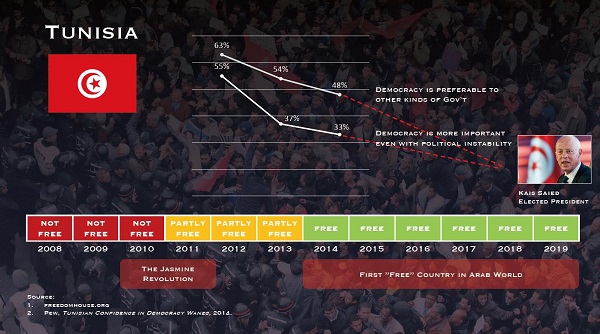
自由之家衡量突尼斯的民主水平 圖源:自由之家官網
這是皮尤研究中心做的研究,但自2016年起他們就停止收集數據了。我不知道他們為什麼停止收集數據,可能是因為這個數據讓他們也挺尷尬的。從我讀過的新聞報道來看,2016年之後突尼斯的狀況愈發糟糕。現在的突尼斯又有新政權上台,我不知道這個新領導人能否帶領國家走向成功,但這確實是一個重大轉變,因為之前它太糟糕了。突尼斯曾經因“阿拉伯之春”始自於該國而被視作“阿拉伯之春的光輝典範”,它也是在阿拉伯之春中唯一取得成功的國家。現實與數據相互矛盾,這讓我們感到極為困惑。
再回到即將於下週召開的民主峯會,中國不在受邀之列,但是世界上另外有110個國家和地區受邀參會,這些形形色色的國家有着非常迥異的歷史發展脈絡和經濟文化現實。觀察這110個國家和地區目前的疫情情況,我發現這些國家的人口加起來總共有44億人,佔全世界人口的56%。新冠病毒致死人數是420萬,佔全球因疫情死亡人數的83%。真遺憾,他們在控制疫情方面做得並不好。參加此次峯會的三個大國,美國的死亡人數為75萬人,巴西為60萬人,印度為47萬人。美國和印度,分別以世界上最古老的民主國家和最大的民主國家自居。那麼,“民主”到底出了什麼問題?
我不是相關領域的專家,我不是戴雅門,但我想從一個商人的角度,提出一些個人見解。我研究了“自由之家”、V-Dem之類機構在評比各國民主狀況時採用的衡量標準。有意思的是,我發現他們衡量的是一套特定的制度程序。令我印象深刻的是這些程序都是自由主義政體和自由主義社會獨有的,比如説特定形式的選舉和言論自由等,它們都屬於自由主義價值觀的範疇。在我看來,脱節之處在於它們也許並不是在衡量民主狀況,而是在衡量自由主義的狀況。他們是在衡量一種叫自由主義民主的民主形式,而且它們還只是在衡量這種民主形式裏自由主義的部分。
我們知道民主的出現其實比自由主義要早了幾千年。民主最早出現在古希臘,但當時的民主根本不是自由主義式的。很多學者聲稱中國的儒家思想裏包含很多民主元素,但中國並不是一個信奉自由主義的國家。自由主義的民主是直到現代才出現的。在啓蒙運動時期,洛克、孟德斯鳩、密爾等思想家提出了一些有關社會治理的革命性觀點。而他們都是圍繞着我們現在所稱的自由主義價值觀來構建這些觀點的。這些價值觀包括,個人是宇宙的中心,個人擁有自主權,私有財產神聖不可侵犯,通過程序正義來體現法治原則,所有這些價值觀都轉換成了我們所稱的自由主義政治制度。
我今天提出一個猜想,當然它也可能是不正確的。我認為當下世界之所以出了問題,有沒有可能是因為自由主義體制辜負了民主?而這就是所謂的病態民主?因為自由主義社會的確在過去一段時期引領了民主進步。我們應認可這一點,但如今自由主義已經不能服務於民主了。
我想提出的解決方案是,我們不能只用程序來衡量民主。“自由之家”、V-Dem等機構最關注的就是程序,只用程序來衡量民主,他們從不用結果來衡量民主。我是一個商人,從未有人這麼向我推薦過股票,他説,你要買這個公司的股票,因為這個公司已經持續虧損20年了,而且技術糟糕沒有客户,但這個公司的治理程序很完美,董事會開得很規範。就我而言,我根本不會買這家公司的股票。我認為我們應當考慮以結果為標準去衡量某個制度是否民主,這個制度能產出民主成果嗎?
我不關心程序是什麼。無論是自由主義的程序、伊斯蘭國家的程序、還是中國的程序,這套程序能否產出民主成果?民主的真正目的必須是使一個國家的大多數民眾在很長一段時期內感到滿意,否則我們要這樣的民主何用?如果民主的程序帶來了不民主的結果,我們要這樣的民主程序有什麼用?如果通過選舉持續選出沒能力的領導人,我們要這樣的選舉有什麼用?如果獨立的司法只保護富人,我們要這樣的司法獨立有什麼用?如果新聞自由和言論自由帶來的是社會的分裂和失能,那要這樣的自由有什麼用?
我認為我們應該探索,至少應該在世界範圍內進行對話,討論如何通過結果來衡量民主。人民對治理方式是否滿意?人們對未來樂觀嗎?社會是否有凝聚力?你比以前過得好嗎?我在美國學習時,正值里根的第二個任期,他的競選口號是“你們比4年前過得更好嗎?”那麼,你們過得更好了嗎?你們的國家對子孫後代的投資足夠嗎?還是説他們只是在預支子孫後代的錢?一個來自北大的中國學者建議要有一個階層流動指數,我認為其言之有理。你們的社會是否具有社會流動性?應該用這個指標來衡量你們的制度是否產生了民主結果。
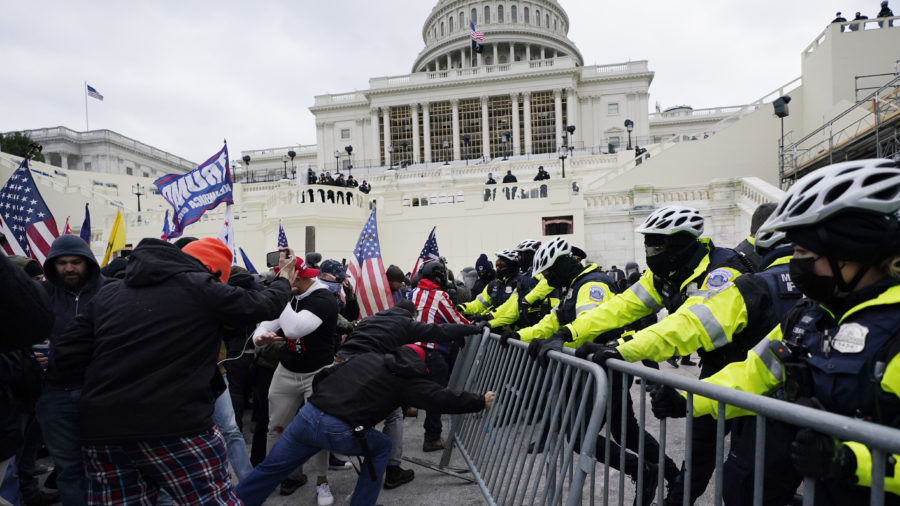
被視為民主標誌的選舉,卻讓美國變得越來越對立。圖為2021年1月6日美國國會山騷亂,來源:美聯社
因此,我想藉此機會建議在全球範圍內掀起一番討論。一位偉大的美國領導人(伍德羅•威爾遜)曾説過:“為保衞世界民主而戰”。我現在認為,我們應該讓世界享受到更好的民主。我們需要展開對話和討論。我認為我們需要制定一套新標準來衡量民主。這套新的衡量標準對於發展中國家來説是尤為有益,因為過去幾十年來他們受制於自由主義教條和機制,他們沒有辦法充分發揮本國的民主潛力,所以他們應探索新的方式去實現民主。
這樣一套新衡量標準對於自由主義政體來説也是好事。自由主義體制之所以衰落正是因為沒人挑戰它們,沒人按結果評價過它們。就好比它們去學校參加考試,但卻沒人給它們打分,很多美國學校的確在這麼做,結果就是沒人好好學習。
經典經濟理論告訴我們,當壟斷者被迫開始與人競爭時,他們的表現都不好,他們根本沒能力競爭。自由主義社會幾乎壟斷了對民主的解釋權,並且認為自己天生就是民主的。這對自由主義社會來説是危險的。我認為自由主義民主有成功的機會。同時,我也認為應該有多種形式的民主,它們互相之間可以展開競爭,從而讓彼此變得更好。
對於中國來説,中國要積極參與到這樣的民主探討中來。在以往進行的全球民主大討論中,中國的缺席令人沮喪,中國很少討論民主議題,也不派學者出國研究民主理念。但如今,中國應該要更積極地參與民主討論,而非自廢武功。中國要審視自己在哪些方面做得成功,哪些方面有待改進,並形成新的民主衡量標準。
至於拜登政府,當他召開有110個參會者的民主峯會時,我想給他的主旨演講提點建議,我當然知道他不會聽我的,但我仍希望他會説,“讓我們攜手設立一些新目標,並以這些目標來衡量民主,看看五到十年後各個國家做的怎麼樣”。自由主義民主在衰落,出現了問題,但曾經獲得過成功,特別是在20世紀的上半葉非常成功,大幅改善了人民生活,以至於很多國家,包括中國,都在冷戰後效仿西方的政治實踐,比如接受市場經濟。
拜登應該説,不是所有的自由主義民主政體都是失敗的。如果拜登難以承認中國也有成功之處,有可借鑑之處,覺得這樣會讓他丟臉,那也有很多成功的自由主義民主國家可供美國借鑑,比如瑞典、挪威、芬蘭、新西蘭等。這些國家的治理業績都不錯。首先,大的自由主義民主國家可以從這些小型自由主義民主國家身上學到些什麼。如果現在他們還不採取行動做出改變,那麼他們就危險了,也許自由這個詞再也不配放在民主這個詞的前面了。
Eric Li:
I want to focus more about democracy, and we’ll talk about China a little bit, too. You know, we are having this discussion seems to me at a precarious time for democracy. A lot of rumors swirling around the globe that democracy is in trouble. Kishore just summarized some of the rumors. I hope it’s fake news that democracy is in trouble, but the coverage has been relentless and data is mounting.
Freedom House, its most recent report this year, says global decline in democracy has accelerated. In addition, it says U. S. democracy has declined significantly. V-Dem in Sweden, also says their surveys show a global decline in democracy, interestingly, U. S aligned nations declined the most for some reason. Larry diamond, one of the most senior democracy scholars in the world, has been complaining about what he called democratic recession for many years, and recently he has just upgraded that to a crisis level. This year, none other than president Biden implied that the president of China is betting democracy can’t keep up with autocracy, and they must prove China wrong. In his address to the first joint session of Congress, he said that this point in history, is about whether or not democracy can function in the 21st century. He said, can we act in the framework needed to compete with autocracy?
And I must say, there’s almost like a whiff of despair in such proclamations. It reminds me of China. When I was grown up right after the Culture Revolution, we were in deep trouble,our leaders always saying that time is running out, we needed to prove socialism works better than capitalism. It’s a precarious moment, also a confusing moment.
Tunisia, is the country where the Arab Spring began. As we know, before the Jasmine Revolution, it was characterized as a dictatorship. According to the Freedom House, before the Arab Spring in 2010, this country was not democratic. After Jasmine Revolution, the scores have improved to partly free. Then it got even better, all green (free). According to the Freedom house, democracy is triumphant. Yet, the people in Tunisia are miserable, they hate it. As the numbers from Freedom House show improvements, significant improvements, the people of Tunisia are suffering. Their views are opposite. What is going on here?
This is from Pew’s research, and they stopped collecting data at 2016. I don’t know why, maybe it’s just too embarrassing. But my guess is after 2016, according to what I read in news reports, Tunisia’s situation had gone even much worse. And now we have a new regime, I’m not predicting whether this new leader will succeed or fail, I’m just saying there has been a big change, because it has been so bad. Tunisia was where Arab Spring began and was billed as a shining example of the Arab Spring, and later the only success story of the Arab Spring. This is very confusing, the data and the facts are very confusing.
Then, come back to the summit of democracy that’s about to take place next week, China is not on invite list. But 110 places were invited, very diverse group of countries, very different in historical development, culture and economics. I just ran the numbers, how they did with one of the most pressing crises of our times, the Covid-19 pandemic. These 110 invitees accounted for 4.4 billion population, which is 56% of the world’s population.They had 4.2 million fatalities, which is 83% of the world’s total. Unfortunately, these countries handled it badly. Three most prominent players in this group, The U.S. had 3/4 million deaths; Brazil, 610,000; India, 470,000. And by the way, the U.S and India, each respectively claim that one is the oldest democracy in the world, and one is the largest democracy in the world. So, what is going on with democracy?
I’m not an expert, I’m not Larry Diamonds, but I want to, from a businessman’s perspective, venture a diagnosis.I studied the methodologies that are being used by Freedom House, and V-Dem and those institutions when they evaluate democracies. And I found something very interesting, they only measure a particular set of institutional procedures. And these procedures strike me as very specific to liberal politics and liberal societies, certain kind of elections, freedom of press, just liberal values. It seems to me that the disconnect is, maybe they’re measuring liberalism, not democracy. They’re measuring one kind of democracy called liberal democracy, and at that they’re only measuring the liberal part.
We all know that democracy long preceded liberalism by at least a couple of thousand years. The democracy in ancient Greece was decidedly not liberal. And many scholars argue China’s Confucian values have a lot of democratic elements, but China is not liberal. Liberalism only exists, only was born at the onset of the modern era.During the enlightenment, a lot of great thinkers like Locke, Montesquieu, Mill, they proposed revolutionary ideas about how to govern human societies. And they centered around a set of values that we now call liberalism. The individual being the center of the universe, autonomous, private property was virtually sacred, a procedural take on the rule of law, and these values became political institutions that we call liberal institutions.
My hypothesis today, I could be wrong. My hypothesis is, is it possible the problem today is liberal regimes are failing democracy, and that is what is ailing democracy? Because liberal society has led democratic progress in the world for some time. We’ve got to credit liberal societies for that, but now liberalism is failing democracy. I want to venture a solution, too. We can’t just measure procedures. If you look at V-Dem and Freedom House, they only measure procedures, the one thing they never measure is outcome, or result. I am a businessman. No one has ever come to me and pitched me a stock and say you’ve got to buy this stock because this company has been losing money for 20 years, the technology sucks, people are leaving in droves, they have no customer, but the company is really governed with great procedures, the board meetings are conducted beautifully. I won’t buy the stock, that doesn’t happen. I think we ought to consider measuring outcomes, is the system delivering democratic outcomes?
I don’t care what are the procedures.Are they liberal procedures or islamic procedures, Chinese procedures, is it delivering democratic outcomes? Democracy’s normative end must be delivering satisfaction to a vast majority of the people over long duration, otherwise what are we in it for? What good is a set of procedures if it result in undemocratic outcomes? What good isan election If elections keep producing incompetent leaders?What’s goodabout judicial independence if it protects only the rich? What’s so great about freedom of press, freedom of speech, if it leads to division and dysfunction in societies?
I think we should explore, we should have at least dialogue, discourse around the world about how to measure democracy by outcomes. Are the people satisfied with how they’re governed? Are they optimistic about the future? Is your society cohesive? Are you better off than before? When I was studying in the United States, it was President Reagan’s second term, “Are you better off than four years ago?” Are you better off? Is your country investing enough for future generations? Or are they just spending future generations money? There’s a Chinese scholar in Peking University, who is suggesting that there should be a social mobility index. That sounds right to me. Is your society socially mobile, that should count as whether your systems generating democratic outcome.
So, I would like to use this opportunity to suggest a new discourse around the world. There was a great American leader (Woodrow Wilson) who said: Make the world “safe for democracy”. I think now we need to make democracy better for the world. We need to start a dialogue and a discourse. My suggestion is we need to develop new measurements.
New measurements are good, especially for developing countries, because a lot of developing countries in the past few decades, have been shackled by liberal doctrines and liberal institutions that they’re unable to develop their democratic potential. So they could explore new ways.I might say that new measurements will be good for liberal societies. Liberal regimes are failing because I think nobody’s challenged them, they never have been measured by outcome. Imagine if you go to school and you take tests, you never get grades, a lot of them in America these days, you’re not going to do well.
It’s basic economic theory that monopolies, when the monopoly is forced to compete, they don’t do well, they can’t compete. And liberal societies have pretty much monopolized interpretation of democracy that they take the democratic credentials for granted. That’s dangerous for liberal society. I think liberal democracy ought to have a chance of succeeding. I think there should be many forms of democracies and they can compete and the competition is better.
For China, I think China ought to actively participate in a new discourse on democracy. It’s disappointing that China has been absent in the global dialogue and discourse on democracy. China doesn’t talk about this, they don’t send people out to explore ideas of democracy. So China needs to actively participate, instead of ceding the ground, and they need to acknowledge their own successes and failures, and to develop new measurements.
For Mr. Biden, when he holds this big party with 110 invitees, I want to make a suggestion for his keynote speech, not that he’ll take any advice from me, but I think he should say that “let’s get our act together and set some goals and be measured by those goals, five years from now, ten years from now”. Liberal democracy is failing now, is in trouble, but liberal democracy succeeded before, especially in the second half of the 20th century, liberal democracy succeeded, beautifully delivered, amazing, unprecedented improvements in their people’s lives, to the point that so many countries, including China, after the Cold War sought to emulate a lot of the West’s political practices, like market economics.
Mr. Biden should say, not all liberal democracies are failing. If we can’t bring ourselves to say that maybe China is doing something right, we can learn, we’d lose too much face. But among the liberal democracies, there are those who are succeeding. Sweden, Norway, Finland, New Zealand, their numbers are pretty good. For a start, maybe big democracies could learn, liberal democracies can learn something from these smaller players. So if they don’t act now, they are in danger that liberal societies, the word liberal, will no longer deserve to be followed by the word democracy.
本文系觀察者網獨家稿件,文章內容純屬作者個人觀點,不代表平台觀點,未經授權,不得轉載,否則將追究法律責任。關注觀察者網微信guanchacn,每日閲讀趣味文章。