馬丁·雅克:中國被簡化成了中共,西方看不到中國的歷史與文明
【文/ 馬丁·雅克】
我很高興能夠在今年的思想者論壇上發表自己的觀點。這是我第三次參加這個論壇。我對思想者論壇有着很美好的回憶,我非常喜歡論壇的活動。舉辦這樣一個論壇是個非常好的想法,但這次,我最終只能以視頻形式參會,這太令人遺憾了,因為我將無法聆聽其他發言者的想法和討論。

英國劍橋大學政治和國際研究系高級研究員馬丁·雅克
西方的衰落仍在繼續。事實上,在過去5年裏,西方的衰落加速了。特朗普就任總統嚴重損害了美國的全球聲譽,並使外界質疑美國是否仍會信守承諾,扮演好自己自1945年後一直在扮演的全球角色。
縱觀過去一個世紀,現在的美國處於更加分裂和對立的階段。在最近一次美國總統大選中,美國的政治精英越來越懷疑美國的民主、國家的統一以及西方聯盟的未來。這是一種非同尋常的情況,幾乎沒有人在2016年初會預料到這種情況。
美國對疫情的處理是災難性的,有超過75萬人死亡。美國的經濟遭受嚴重損失。美國還發現自己正處於一場日益嚴重的生存危機中,他們感覺自己被削弱,變得更分裂、更孤立、更不受尊重。
許多人懷着不祥的預感期待着下一次總統選舉。特朗普或其同類會再次當選總統嗎?毫無疑問,只有一個問題會讓美國人團結一致——中國是美國的敵人,是對美國全球霸權的威脅。
歐洲開始越來愈疏遠美國,這是自1945年冷戰以來的長期趨勢,但在特朗普執政時這種疏遠更加嚴重了。特朗普執政大大惡化了歐洲人對美國的看法。而就歐洲來説,歐洲經濟衰退得甚至比美國更嚴重。
美歐作為西方的兩大支柱,它們的經濟都開始走弱,彼此之間的關係也日益疏遠。然而,有一件事,他們基本上觀點一致,那就是中國對西方構成威脅——隨着默克爾的離任和德國新政府的上任,這一立場在歐盟層面得到了強化。
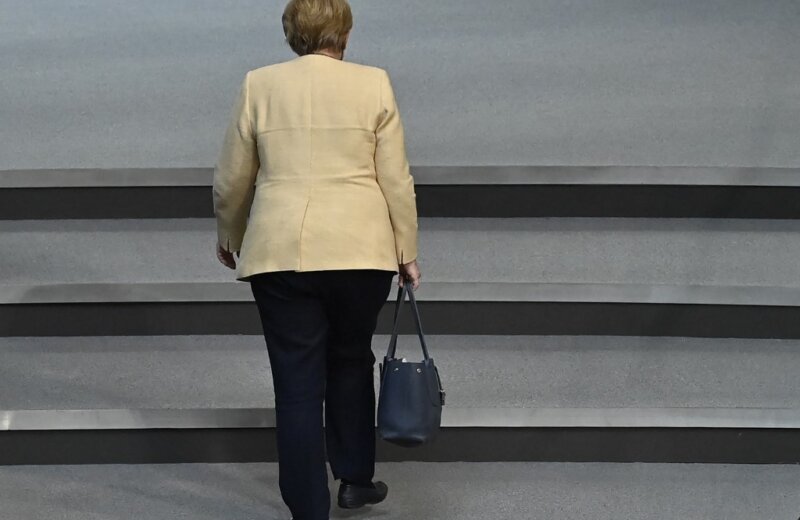
2021年9月7日,德國總理默克爾在德國國會下院柏林議院會議期間離開了全體會議廳。來源:金融時報
我們難以想象西方能繼續保持其全球優勢。美國經濟已不足以支撐這一優勢了。相對而言,美國的貿易水平已經大幅收縮。美國的負債則意味着它越來越無力為達成本國的目標而進行融資,例如向“一帶一路”的競爭項目進行投資。
目前,美元仍維持世界儲備貨幣的地位,但這僅僅是因為目前還沒有其他選擇。那麼到2035年,還會如此嗎?美國此前有能力通過威脅將其他國家排除在全球金融體系之外來將自己的意願強加給其他國家,當中國經濟規模是美國的兩倍左右且數字貨幣廣泛使用時,當美元不再是世界儲備貨幣時,美國的這一能力會大幅減弱。這一刻將標誌着美利堅治世的終結。
與此同時,西方秩序的萎靡不振在東亞、非洲、拉丁美洲、歐洲和世界各地都很明顯。這不僅僅是涉及中國,還涉及土耳其、俄羅斯和印度等地區大國的崛起,這些國家也在填補美國衰落留下的真空。我們是否已經生活在“後西方時代的世界”?我們當然正在向這樣一個世界過渡。這是一個複雜和多層面的進程。在某些方面,我們差不多已經做到了。但在其它方面,我們還沒有。在涉及到像國際貨幣基金組織和世界銀行這樣的全球性機構時,答案是我們還沒有。
但就全球貿易體系而言,西方霸權正在迅速衰退。這就是為什麼特朗普試圖破壞或邊緣化世貿組織。美國試圖在美英歐之間建立跨太平洋夥伴關係(TPP)和跨大西洋貿易和投資夥伴關係(TTIP),但這一企圖流產了。美國現在沒有加入東亞的三大貿易協定,即區域全面經濟夥伴關係協定 (RCEP)、全面與進步跨太平洋夥伴關係協定 (CPTPP)和“一帶一路”倡議。
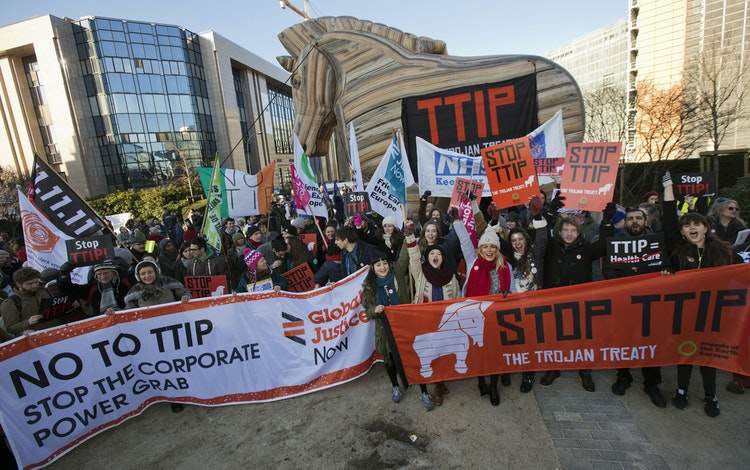
2015年,比利時人權聯盟呼籲立即暫停TTIP談判。來源:Global Justice Now
曾經全球適用的西方體系正變得支離破碎,正被區域體系補充或取代,而美國往往不在其中。西方時代的落幕並不預示着中華治世 (Pax Sinica)的到來,這主要是因為中華治世和美利堅治世(Pax Americana)在概念上根本不一樣。實際上,中國治世將很不同。舉例來説,中國將與發展中國家發展密切和特殊的關係。這種關係將不會像美式霸權那樣要求政治服從和整齊劃一。
而且,中國不會在全世界建滿軍事基地,也不會像美國那樣倚重軍事實力。中美治世的結構背景也大不相同。畢竟,這不僅是中國崛起的時代,也是發展中世界崛起的時代。發展中世界擁有世界85%的人口,而中國正試圖推出一種新的全球治理模式。中華治世將與我們此前經歷的美利堅治世和不列顛治世在很多方面都不相同。我預計西方時代的終結將伴隨着一段漫長的過渡期,會有很多來自發展中國家的新角色出現,它們將在這一複雜而全新的全球治理模式中扮演越來越重要的角色。
但我們現在還沒有達到這個階段。我們離目標還是很遠,甚至還沒能觸碰到它。現在西方可能正在衰落,但百足之蟲,死而不僵。事實上,自2017年特朗普開始攻擊中國以來,西方已經獲得了某種新生。美國對中國的聲討能夠在西方以及其它地區(如印度)得到如此廣泛、普遍的支持,這點讓我感到震驚。
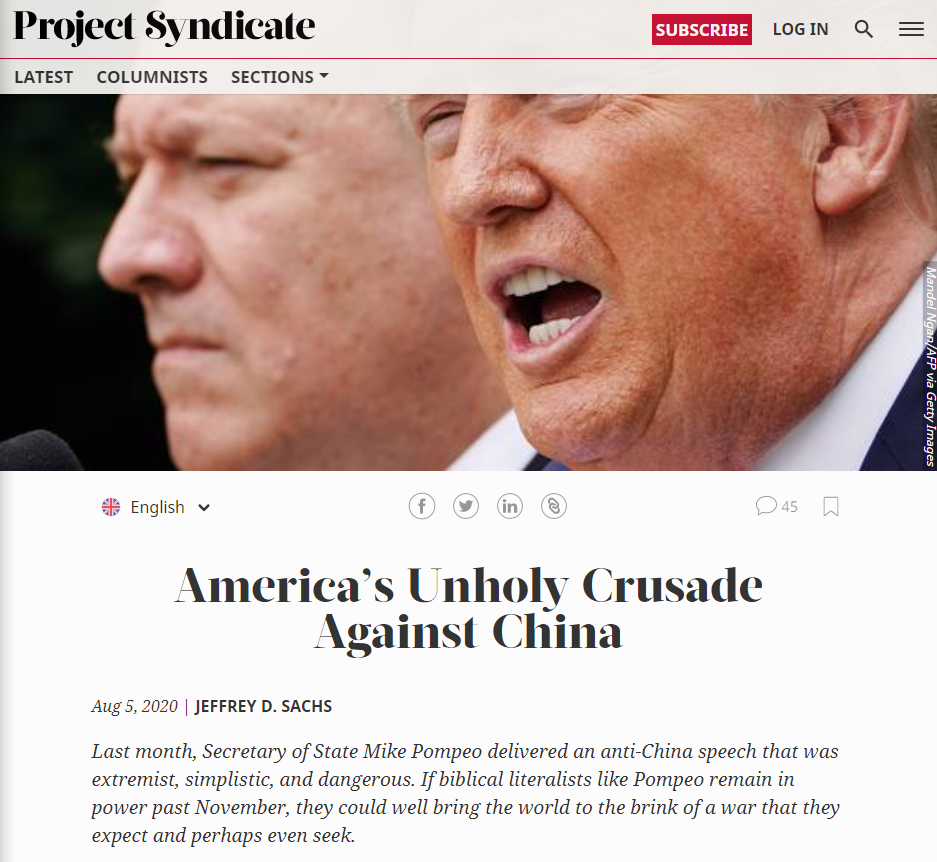
美國對中國的“邪惡十字軍”。來源:project syndicate
在我的國家英國,對中國的看法已經發生了根本性的變化。在2000年到2016年這段時期,人們對中國產生了一種新的、廣泛的好奇心,這種好奇心建立在中國超出尋常的經濟增長和大規模脱貧的基礎上,而且人們還相信中國可以為西方國家提供新的機會。而現在,人們的對華情緒已全面轉負。
現在,中國被認為是專制、不民主、不可信、擴張主義的、神秘的、封閉的,被視作是對西方及其生活方式的威脅。歐洲雖説對華抱有這種負面情緒,但遠遠不及美國那麼嚴重,但也不應被低估。
讓我舉一個例子來説明這種態度的轉變。在2000年至2016年甚至更長一段時期,人們試圖瞭解中國,對中國歷史和文明的興趣日益濃厚。而現在,人們幾乎只關注1949年之後的中國歷史,綿延兩千多年的中國歷史在他們眼裏已經消失了。中國被簡化為中國共產黨,而中國共產黨又被等同於蘇聯共產黨。中國自2000年以來取得的很多成就都已經不復存在了。更糟糕的是,情況甚至發生了倒退。現在有時感覺有點像冷戰。
那為什麼會出現這種轉變?在美國發生這種轉變是不可避免的。因為一旦美國意識到,希望中國變得像西方一樣只是一種幻覺的話,那麼隨着中國的不斷崛起和發展,美國開始將中國視為對其全球霸權的致命威脅。
我們不應該輕描淡寫中國崛起對美國的意義。“成為頭號國家”這種意識已滲透進了美國的DNA,這就是為什麼新的反華運動成了美國的朝野共識。中國現在被認為是對美國生存的致命威脅,但歐洲不認為中國是對歐洲霸權的威脅,因為在1945年之後,歐洲就放棄了自己的霸權野心。
儘管如此,歐洲仍然深受美國的影響,他們一起參加了冷戰,並且在很大程度上分享着共同的歷史和文化。歐洲殖民了美國,是歐洲人的祖先創造了美國。因此,儘管美歐關係自冷戰後越來越疏遠,但它們仍然有許多共同點。而中國則與西方有着截然不同的文化和歷史。
更復雜的是,過去中國在西方眼裏等於透明,直到最近幾十年,中國成了街區裏新出現的人物。在中美關係下滑階段,中國在許多方面都加強了自身實力,包括經濟增長、技術創新、出色地控制住了疫情,並且與許多夥伴國鞏固了雙邊關係。
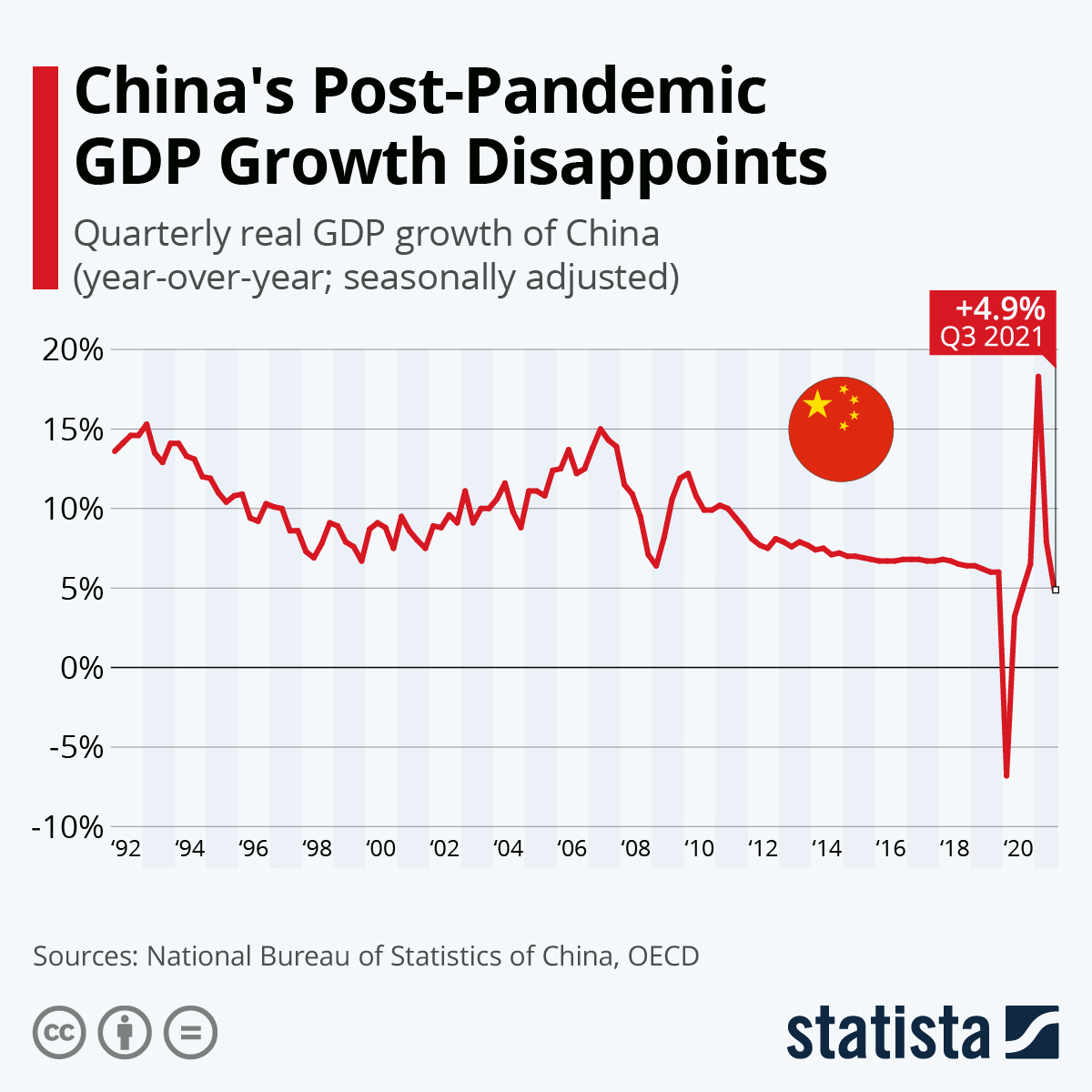
中國經濟增長趨勢
但可以肯定的是,中國與西方的關係出現了嚴重的倒退。該如何扭轉這種局面?最重要而且迄今為止最困難的問題是,西方根本不瞭解中國為何不同,以及到底哪裏不同。
要解決這個問題沒有捷徑可走,只有想辦法向西方公眾解釋中國,教給他們有關中國的知識,這是一個漫長的過程。隨着中國的崛起,西方人有義務必須去更多地瞭解中國,但這一過程並不總是一帆風順。因為人們對中國懷有疑慮、恐懼和偏見。原因之一是中國的巨大體量。中國對此無能為力,只能時刻注意西方的這種憂慮。在我看來,鄧小平有關“韜光養晦”的建議就與這個問題相關。儘管“韜光養晦”是為一個完全不同的時代構想的,但它含有適用於任何時代的真理內涵。中國體量巨大這一事實將永遠是其他國家焦慮的根源。
我想説的第二點是關於中國如何與世界溝通。在過去5年中,中國應對西方攻擊的許多對策都不是很有效,有時我甚至擔心會適得其反。中國這些應對措施的主要受眾是誰?有時感覺受眾是西方政治領導人和媒體,有時又感覺是中國人,而不是其他國家的國民。這是個大誤會。受眾不應該是西方的執政精英。這是外交層面的問題。重要的是,受眾必須是更廣大的西方民眾。這就需要採用不同的表達方式和語調,凝聚共識,展開對話,不要太正式,要接地氣,要做自我批評,要求同存異,不能死板或好鬥。也許我們可以從Tik-Tok在西方的成功中學到點什麼。我當然不是建議機械地模仿,而是做個比喻。在想象力方面,中國需要採用不同的語調來吸引西方受眾。這意味着中國需要學習和借鑑年輕一代的影響力方式,而不能有官僚習氣,這會疏遠西方受眾。中國可以做到這一點,我們只需要認識到採取不同策略的重要性和緊迫性。
最後我想説的是,中國需要更加開放。這是一個改革開放的時代。開放不僅僅關乎經濟,也關乎文化。在西方人的觀念中,中國現在太封閉,還不夠開放,太過神秘。我理解出現這種情況的歷史根源。當然,如何對外交流是中國的內政。但隨着中國成為世界大國,全世界人民都理所當然地期望中國更加開放,中國變得負責任和更開放是其進一步獲得權力和影響力所需付出的必要代價。
非常感謝。祝此次論壇圓滿成功。
It’s my great pleasure to be invited to make a few remarks to this year’s thinkers’ forum. I have the fondest memories of the thinkers. I think this is the third one I’ve attended, and I’ve hugely enjoyed all of them. It’s a great idea. But at last, I only appear in the form of a video, much to my regret because I won’t be able to listen to the other speakers and the discussion. The west decline has continued. Indeed, over the last 5 years, it has accelerated the trump presidency, seriously damaged America’s reputation worldwide, and brought a commitment to its post-1945 global role into question.
America is now more deeply divided and polarized at any stage during the last century. Before the last presidential election, they were growing doubts among its political elites and more widely about the future of American democracy, the country’s unity, and the end of the western alliance. It was an extraordinary situation that hardly anyone would have predicted. In the early two thousand and sixteen, its handling of the pandemic has been disastrous, with over 3/4 of a million people dead and its economy suffering badly. America finds itself in a growing existential crisis, weakened, divided, were isolated, less respected. Many look forward to the next presidential election with a sense of foreboding. Could trump or someone of his elk elect? No one question unites Americans that China is the enemy and a threat to America’s position. Europe is now more detached from the united states as the global hegemony. Then at any time since 1945, this has been a long term trend since the cold war. Still, it significantly accelerated, joining the trump presidency, which did massive damage to how Europeans perceived us for its part. Europe’s economic decline has been even more dramatic than America’s and Europe.
Twin pillars of the West have thrust, have thus grown, economically weaker, and increasingly estranged from each other. There is one thing. However, they largely agree upon the belief that China represents a threat to the West, a stance that could be strengthened in the EU context by the departure of Merkel and the arrival of a new German government. It is inconceivable the West can maintain its global ascendancy. The US economy is no longer strong enough to support it. Its trading footprint has contracted considerably in relative terms. Its indebtedness means that it is less and less able to finance its desired objectives, such as funding a rival to belt and road.
For now, the dollar retains its position as the world’s reserve currency, but only because there is no alternative. Will that still be true in 2035? When the Chinese economy is likely to be roughly double the size of US economy and with digital currencies widespread, when the dollar is no longer the world’s reserve currency, the ability of the us to impose its will on other countries by threatening their exclusion from the global financial system will be sharply reduced. This moment will mark the symbolic end of pax-Americana.
Meanwhile, the wilting of the western order is evident around the world in east Asia, Africa, Latin America, Europe, and elsewhere. This is not only about China. It is also about the rise of regional powers, such as turkey, Russia, and India, which are also filling the vacuum created by America’s decline. Are we already living in a post-western world? We are certainly transitioning to one. It is a complex and multifaceted process. In some respects, we are already more or less there. In others, not yet. When it comes to global institutions, like the IMF and the world bank, the answer is not yet. But as far as the global trading system is concerned, western hegemony is in rapid retreat. That is why trump sought to undermine and sideline the WTO. The trading packs that America sought to create - the TPP and the TTIP between the us and the UK and the EU - proved abortive. The US is outside the three main trading agreements in east Asia, namely the RCEP, the CPTPP, and the belt and road.
The once near-universal western system is fragmenting and being supplemented or replaced by regional systems, often without the united states. The passing of the western era will not herald the arrival of Pax-Sinica, not least because the notion of Pax Sinica suggest that it will be in the same vein as pax Americana. In fact, it will be very different. It will, for example, be rooted in a close and special relationship with the developing world. It will not require political obedience and homogeneity in the manner of US hegemony. And it will not ring the world with military basis or place anything like the same emphasis on military power. The structural context will also be very different. This is, after all, the era, not just of China’s rise, but that of the developing world, which is home to 85 % of the world’s population, and which China seeks to enfranchise in a new model of global governance. The latter will be very different for many things we have seen previously, the Pax-Americana or Pax-Britannica. I expect the demise of the western era to be followed by a prolonged period of transition with many new actors from the developing world, playing an increasingly central role in what will be a complex and very new kind of global governance.
But this is to get ahead of ourselves. We are nowhere near this. We cannot even touch it. We can barely imagine it. So let us return to the here and now. The West may be in decline. But it is far from dead and buried. Indeed, as I’ve already alluded to, the West has gained a certain new lease of life since trump’s assault on China from 2017 onwards. Indeed, I have been struck by the ability of what started off as an American crusade against China to mobilize wider generalized support in the West and well beyond - India is a case in point. The perception of China in my own country, the UK, has changed fundamentally. The period between 2000 and 2016, roughly speaking, saw a new and widespread curiosity about China, based on the latter’s extraordinary growth and poverty reduction, together with the belief that China could offer new opportunities for western countries. That mood has given way to dominant negativity towards China.
China is now seen as a threat to the West and its way of life as autocratic, undemocratic, untrustworthy, expansionist, secretive, closed. This negativity is not nearly as strong in Europe as it is in the united states, but nor should it be underestimated. Let me give you one example of this shift in attitudes. Between 2000 and 2016, perhaps longer than that, there was a growing interest in Chinese history and Chinese civilization in trying to understand China. Now China is seen almost solely in terms of its history since 1949. Two thousand years of Chinese history have disappeared. China is reduced to the Chinese communist party, which is seen, in turn, as synonymous with the soviet communist party. Many of the gains since 2000 have been lost. Worse, we have even gone backwards. It feels at times a bit like the cold war.
So why the shift? The shift in America was inevitable. Once The US came to realize that its hopes of China becoming like the West were an illusion, then as China continued to rise and spread its wings, the US came to see China as a deadly threat to its global hegemony. We should not underplay what this means in America. Being number one is part of its DNA; that is why the new anti-China crusade is bipartisan and consensual. China is now considered a mortal threat to America’s very being. Europe is different. It does not see China as a threat to its hegemony, because it abandoned its hegemonic aspirations after 1945.
Nevertheless, Europe remains heavily influenced by America. They fought the cold war together. They share in very degrees bit, most of all much history and culture. Europeans colonized America, and their ancestors created the united states. So despite the growing distance between Europe and us since the cold war, they still have much in common, certainly compared with China, which, as we know, has a profoundly different culture and history.
And a further complicated fact is that China has been largely invisible to westerners until really, very recently that last several decades, as it were a new kid on the block. During the downturn in US-China relations, China has strengthened its position in many respects, its economic growth, technological innovation, its brilliant handling of the pandemic, and the consolidation of its relationship with many of its partners.
But certainly, in its relations with the West, there have been serious setbacks. How can these be reversed? The most important and by far the most difficult problem is the fundamental ignorance in the West about why and how China is so different. Here there are no shortcuts, only the long game to find ways explaining and educating the Western public about China. True. There is a certain force in my European play. As China rises, westerners are obliged to learn more about China. But as we have seen, this process is not always smooth. It can provoke a backlash because people harbour doubts, fears, and prejudices about China. One of these is the sheer size and scale of China. There is nothing that China can do about this, except always be aware and conscious of this concern, a nervousness. In my view, Deng Xiaoping’s advice about keeping a low profile is relevant to this problem. Although keeping a low profile was conceived for a very different era, it contains a kernel of truth for all times. The fact that China is so big will always be a source of anxiety for other countries.
The second point I would make is how China communicates with the world. Many of China’s attempts to deal with the western assault on China over the last 5 years have been ineffectual. And sometimes, I’m afraid, even counterproductive. Who is the audience? It often appears to be western political leaders and the media. Sometimes it feels as if it might even be aimed at a Chinese rather than an international audience. This is misconceived. The audience should not be the western governing elites. That is for diplomacy. But crucially, the audience must be the broad western public. This requires a different tone and style, engaging consensus, conversational, informal, streetwise, self-critical, seeking common ground, not wooden or belligerent. Perhaps we can learn something here from the runaway success of Tik Tok in the West. Not literally. I wouldn’t suggest that. But metaphorically. And in terms of imagination, China needs a different tone to appeal to western audiences. This is where China should draw on a younger generation of influences and methods, rather than officialdom, which is too remote from western audiences. China can do this. It just needs to recognize the importance, urgency even of a different approach.
One final point, if I may, China needs to be more open. This is the era of reform and opening up. Opening up cannot just be about economics. It is also cultural. To western perceptions, China is too closed, insufficiently open, too secretive. Now I understand absolutely the historical roots of this. But secrecy can easily engender suspicion. It is justified on the grounds that issuing question is an internal matter for China. But, as China becomes a great power, people around the world will reasonably expect China to be more open about itself and its problems and difficulties. Accountability and openness are necessary prices of power and influence. Thank you very much. And I wish the forum great success.
本文系觀察者網獨家稿件,文章內容純屬作者個人觀點,不代表平台觀點,未經授權,不得轉載,否則將追究法律責任。關注觀察者網微信guanchacn,每日閲讀趣味文章。