諾獎得主Wilczek:空穴如何“來風”?_風聞
返朴-返朴官方账号-关注返朴(ID:fanpu2019),阅读更多!2022-07-27 10:28
撰文 | Frank Wilczek
翻譯 | 胡風、梁丁當
中文版
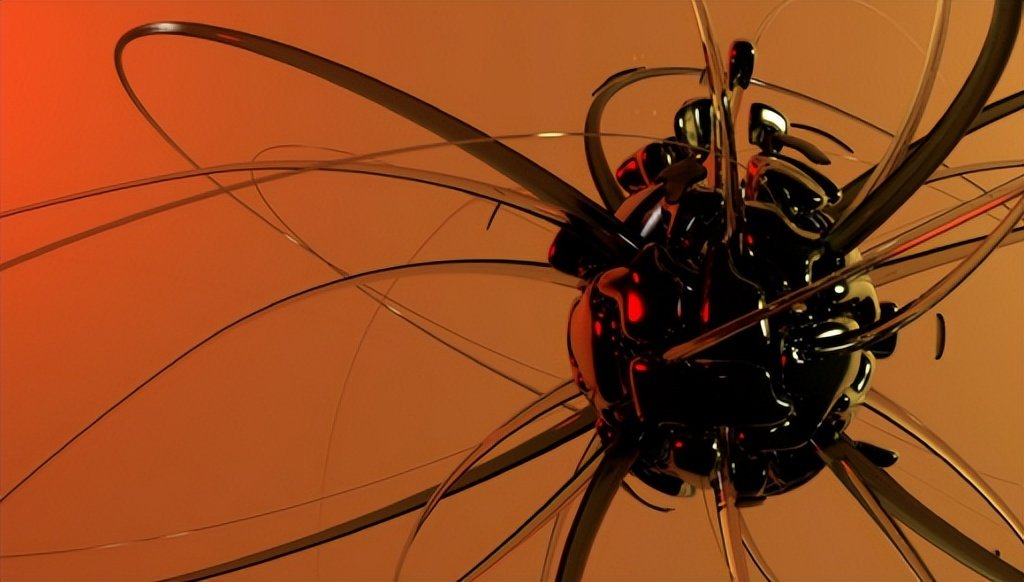 對於很多現代技術而言,一種空缺反而成了技術得以實現的關鍵,這種空缺正是被稱作“空穴”的粒子。
一種被稱為“空穴”的粒子,促成了現代技術,也讓人們對未來充滿了遐想。理解它們是什麼、怎麼產生的、如何去應用,是上世紀的一項重大科學成就。這個過程也昭顯了受好奇心驅動的基礎研究在應用中的長期價值。
假想我們從材料的某個原子中,突然挪走一個電子。原子最終將達到一個穩態。此時,在電子缺失的地方就形成了一個缺陷——一個本該有、卻沒有電子的空位。這個空位就是我們所説的空穴。
因為電子攜帶一個單位的負電荷,於是,由它的缺失而導致的空穴攜帶一個單位的正電荷(像質子一樣)。在金屬與半導體等材料中,空穴能夠移動。事實上,由於空穴比質子輕得多,它的移動會顯得更加靈活。
為什麼這種移動性很重要?
要知道,幾乎我們的所有能量都來源於一個巨大的聚變反應堆——太陽——的輻射。樹木吸收了陽光的能量後,轉化成可用作燃料的木材;一些植物的遺骸經過漫長的時間,在細菌的分解和高壓下轉化為可以燃燒的煤炭和石油。但是,這些生物過程只能俘獲一小部分輻射到地球的太陽能。而且,木材或石油等燃料在燃燒時還會排放温室氣體,帶來嚴重的副作用。
另外一種利用太陽能的辦法,是利用太陽的輻射使電子脱離原本正常的位置。我們只需要讓陽光照射到一種適合的材料——光伏材料上,高能量的光子就能激發原來一直正常運行的部分電子,從而產生空穴。
如果在該材料上加上電壓,由於電子和空穴攜帶着相反的電荷,在電場的作用下就可以產生電流。瞧!一轉眼,我們就把光變成了電流,將太陽能轉化成了電能。
電能是一種十分美麗的能量。它很便利,目前我們已經擁有很好的方法來儲存和傳輸電能了。並且,電能的使用不涉及燃燒,是一種重要的清潔能源。事實上,由於太陽輻射的能量比人類目前所消耗的多出了大約一萬倍,這意味着光伏或將成為未來的主要新能源。
除了剛才提到的方法,我們還可以通過化學的方法來產生空穴。在材料中摻入具有較少活性電子的雜質原子,當它們替代材料本身原子的時候,就會形成空穴。
如果在半導體中同時摻入富含空穴的硼原子和富含電子的磷原子,並以巧妙的方式將它們分別排列起來,我們就能夠在半導體中構建出一個個用來控制電流的“水壩”或者“溝渠”。這是固態電子技術的根本策略,而固態電子是現代通信與信息處理的核心技術。
空穴的發現誕生於遠離實際應用的理論研究中。1925年,沃爾夫岡·泡利(Wolfgang Pauli)在研究原子光譜時發現了泡利不相容原理 ;它表明在原子和分子中有可能存在空穴。1930年,保羅·狄拉克(Paul Dirac)為了讓量子理論和狹義相對論相容,在一個假想的理想化的宇宙材料中引入了空穴的概念——他將其稱為反電子,或正電子。而在這些充滿創意的結果的激勵下,魯道夫·佩爾斯(RudolfPeierls)等人進行了開創性研究,得到了材料空穴的現代理論。
這羣先驅們在作出偉大的發現時,並沒有預想到晶體管或者光伏——這些應用是在幾十年後才有的。他們只是一羣充滿好奇心的人,純粹地想多瞭解一分這個世界。這或許能帶給我們一些啓示。
英文版
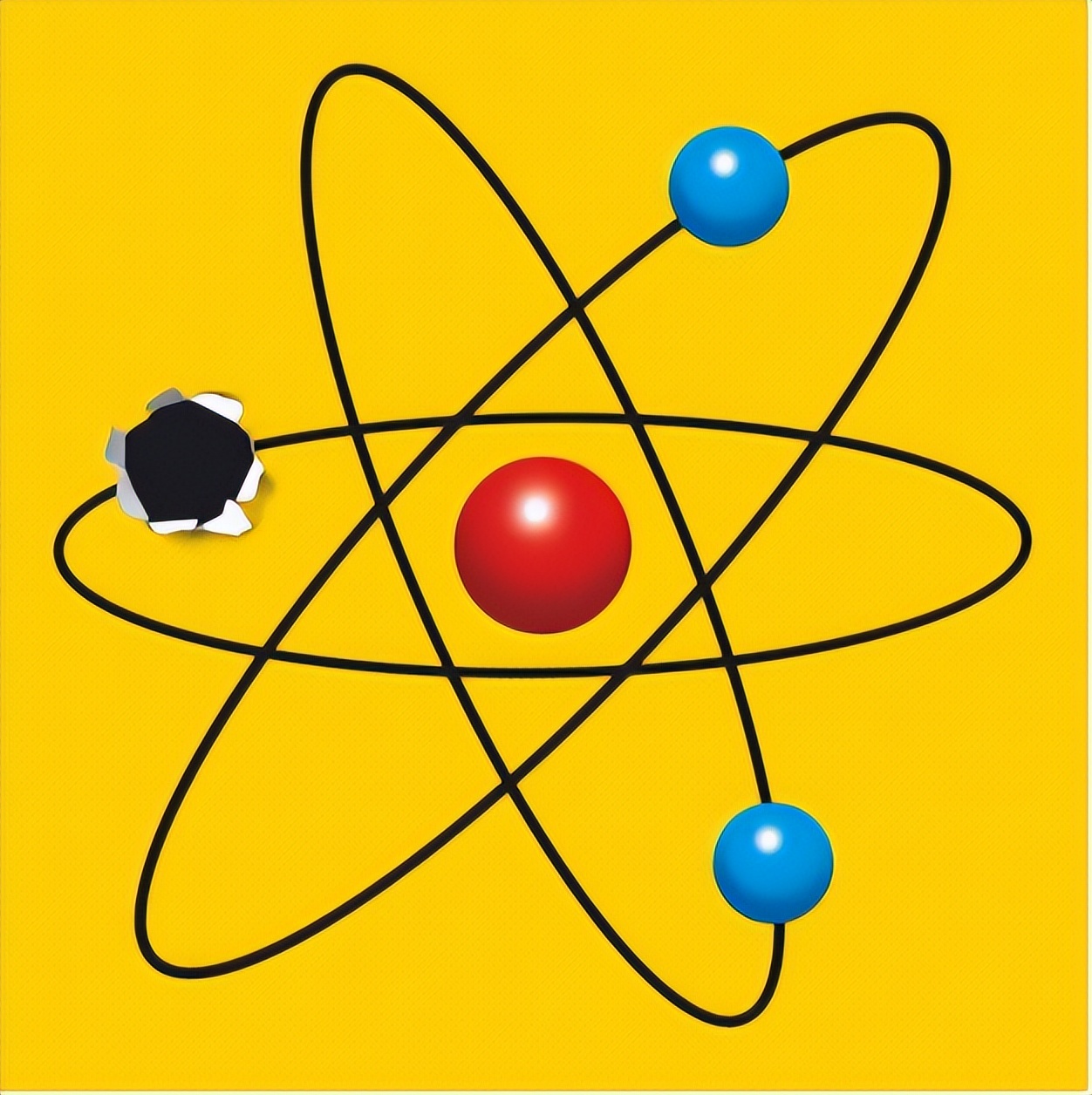 The particles known as “holes” make the modern world possible and a brilliant future conceivable. Understanding what they are and how to make and use them has been one of the great scientifific achievements of the past century. It highlights the long-term value of fundamental research driven by curiosity.
Imagine suddenly plucking an electron out of an atom of material. Eventually the atom will settle down into a stable state, where the region around the missing electron is marked by a scar-a place where an electron should be but isn’t. A scar of this kind is what we call a hole.
Since they arise from the absence of an electron, which by convention carries a unit of negative charge, holes carry a unit of positive charge (like protons). In some materials, including metals and semiconductors, holes are moveable; indeed, since holes are much lighter than protons, they can move much more nimbly.
Why does this mobility matter? The ultimate source of almost all our energy is radiation flflowing from a giant fusion reactor, our sun. Trees process light from the sun into wood that we can burn; some long-dead plants, broken down by bacteria and put under pressure, turn into petroleum that we can also burn. But these biological processes capture only a small fraction of the solar energy on Earth-and exploiting them brings nasty side-effffects when the burned carbon gets released in greenhouse gases.
A difffferent thing we can do with sunlight is to allow its energy to jostle electrons out of their normal positions. All that’s needed is to expose a suitable material-usually called a photovoltaic-to the sun’s radiance. Its energetic photons can jolt electrons, liberating them and producing holes. If we put a voltage across the material, the electrons and holes will separate, since they hold opposite charges. This makes electrical current flflow. Presto, we’ve converted sunlight into electrical currents, and solar energy into electrical energy.
Electrical energy is beautiful energy. It’s convenient, because we’ve got excellent ways to store and transport it; it’s clean, because no burning is involved. And the fact that the sun rains down about ten thousand times more energy than humans currently consume points to the possibility of a sustainable future with room for growth.
We can also make holes chemically, by mixing in impurities that have fewer chemically active electrons than the atoms they replace. Clever juxtaposition of regions of silicon mixed-or “doped”-with electron-poor boron, rich in holes, and regions doped with phosphorous,
which are rich in electrons, allows us to control flflows of electricity, similar to how dams and trenches allow us to control flflows of water. This strategy is at the heart of solid-state electronics, the core technology of modern communications and information processing.
Holes were fifirst discovered theoretically, in studies far removed from practical considerations. Wolfgang Pauli’s exclusion principle, discovered in 1925 through studies of atomic spectra, showed the possibility of hole-like vacancies in atoms and molecules. In 1930 Paul Dirac, trying to reconcile quantum theory with relativity, was led to introduce the concept of holes-which he called anti-electrons, or positrons-in a hypothetical, ideal cosmic material. The pioneering studies of Rudolf Peierls and others that eventually blossomed into the modern understanding of holes in materials were informed by that intellectual ferment.
Those pioneers didn’t have transistors or photovoltaics in mind. The applications came decades later. They were simply curious people, set on understanding the world better. There’s a lesson in that.
Frank Wilczek
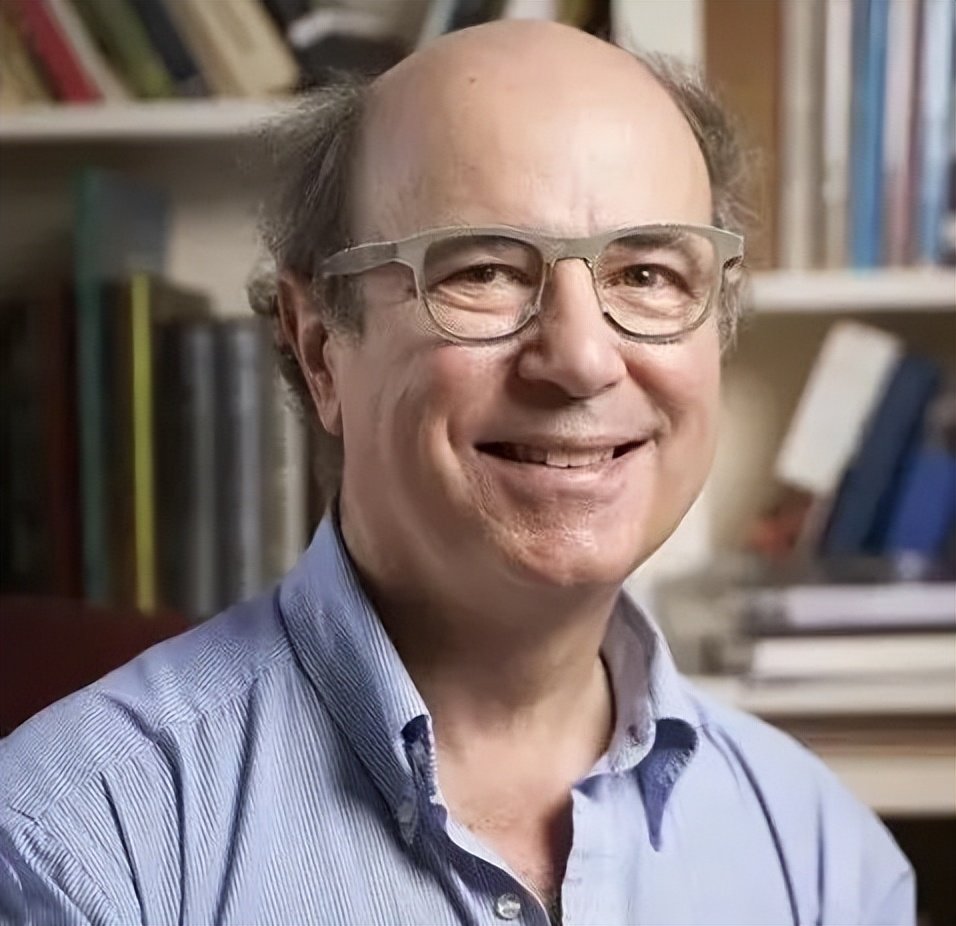 弗蘭克·維爾切克是麻省理工學院物理學教授、量子色動力學的奠基人之一。因發現了量子色動力學的漸近自由現象,他在2004年獲得了諾貝爾物理學獎。
本文經授權轉載自微信公眾號“蔻享學術”。
特 別 提 示
1. 進入『返樸』微信公眾號底部菜單“精品專欄“,可查閲不同主題系列科普文章。
2. 『返樸』提供按月檢索文章功能。關注公眾號,回覆四位數組成的年份+月份,如“1903”,可獲取2019年3月的文章索引,以此類推。