印度首都新德里的排燈節煙花禁令引發了污染爭議_風聞
龙腾网-2022-10-31 18:20
【來源龍騰網】
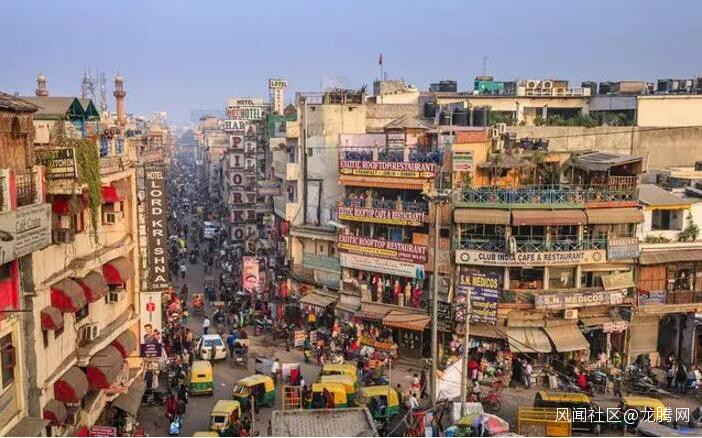
煙花爆竹一直是排燈節的一部分,但現在人們的態度發生了變化,新的禁令頒佈了,因為污染是一個關鍵的問題。
儘管印度是僅次於中國的世界第二大煙花爆竹生產國,但許多人指出,印度的空氣污染是由其他因素造成的。
評論原創翻譯:
Fireworks in India have played a huge role in the nation’s celebrations for centuries but in the past few years, amid concerns of pollution and health hazards, attitudes have changed, and rows have exploded, although many say there is far more to poor air quality than a few days a year of bangers.
The capital, Delhi, experiences an annual deterioration in air quality during the Diwali festive season, which starts in October. Officials said the city’s air quality index will be in the “poor” category for the next few days.
Farmers burning crop stubble also causes poor air quality, though, as do vehicle and industrial emissions. But wanting to create loud and colourful explosions for fun is increasingly leading to uproar, all against the backdrop of the fireworks industry in India being the world’s second largest, after China.
In 2018, the Supreme Court ruled that only “green” fireworks would be permitted, and only after safety checks. Three years later the court also banned the use of barium nitrate, which is toxic. Its removal, though, has meant a lower shelf life for firecrackers, another impact on manufacturers and their supply chains.
幾個世紀以來,煙花在印度的慶祝活動中發揮了巨大的作用,但在過去幾年中,由於對污染和健康危害的擔憂,人們的態度發生了變化,他們爆發了很多爭吵,儘管許多人表示,空氣質量差遠不是一年內幾天燃放煙花爆竹造成的。
在10月開始的排燈節期間,首都德里的空氣質量每年都在惡化。官員表示,未來幾天,該市的空氣質量指數將處於“較差”類別。
然而,農民焚燒農作物殘茬也會導致空氣質量的下降,汽車和工業排放物也是如此。但是,在印度煙花爆竹產業成為僅次於中國的世界第二大煙花爆竹產業的背景下,想要製造出響亮多彩的煙花爆竹來取樂的想法正日益引發爭議。
2018年,最高法院裁定,只有在安全檢查之後,才允許燃放“綠色”煙花。三年後,法院還禁止使用有毒的硝酸鋇。然而,它的移除意味着煙花爆竹的保質期的縮短,這對製造商及其供應鏈造成了另一個影響。
But they often still use polluting chemicals, albeit in lower quantities. Emissions can include carcinogenic metals and some pollutants, like nitrogen oxide, can lead to respiratory diseases or heart failure.
The government’s National Environmental Engineering Research Institute (NEERI) decides what can and cannot go into green crackers, saying “green fireworks are made of fewer raw materials and additives. Such fireworks must not contain highly toxic materials like lithium, barium, lead and arsenic”.
But merely “inserting the word green” does not make fireworks safe, said Arup Halder, a pulmonologist (specialising in lung conditions) and environmental expert. He told an Indian newspaper he “couldn’t find any scientific study in the public domain on the impact of green crackers on human health”.
他們仍然經常使用污染性化學品,儘管數量較少,但最終的排放物可能包括致癌金屬和一些可能導致呼吸系統疾病或心力衰竭污染物(如氮氧化物)。
政府國家環境工程研究所(NEERI)決定什麼可以(以及什麼不可以)加入綠色煙花爆竹,它們稱“綠色煙花由更少的原材料和添加劑製成,此類煙花不得含有鋰、鋇、鉛和砷等劇毒物質”。
但僅僅插入“綠色”一詞並不能保證煙花的安全,阿魯普·哈爾德(Arup Halder)説。他是肺病專家(專門研究肺部疾病)和環境專家,他告訴一家印度報紙,他“在公共領域找不到任何關於綠色煙花對人類健康影響的科學研究”。
But Tamil Nadu Chief Minister MK Stalin on October 12 requested his Delhi counterpart, Arvind Kejriwal, allow the sale of fireworks as “the livelihoods of millions of workers in the firecracker manufacturing industry in the state were at stake”.
“There are several contributing factors for air pollution in Indian cities, which include vehicular and industrial emissions. Hence, this calls for a balanced view, taking into consideration the negligible incremental pollution for a few days and the livelihoods involved,” Stalin said.
The Indian fireworks industry’s annual turnover is 80-billion-rupee (US$966 million) and Tamil Nadu’s Sivakasi, about 550km (340 miles) from the capital Chennai, is the sector’s hub, with over 1000 manufacturing units and 650,000 dependent families.
但是,10月12日,泰米爾納德邦首席部長MK Stalin要求他的德里同行阿爾文德·凱里瓦爾(Arvind Kejriwal)允許出售煙花,因為“該邦煙花爆竹製造業數百萬工人的生計岌岌可危”。
Stalin説:“印度城市的空氣污染有幾個原因,其中包括車輛和工業排放。因此,考慮到幾天內可忽略的增量污染和所涉及的生計,這需要一個平衡的觀點”。
印度煙花行業的年營業額為800億盧比(9.66億美元),距離首府金奈約550公里(340英里)的泰米爾納德邦的西瓦卡西是該行業的中心,那裏擁有1000多家制造單位和65萬個依賴該行業維生的家庭。
原創翻譯:龍騰網 http://www.ltaaa.cn 轉載請註明出處
Sources said that Delhi and the nearby National Capital Region (NCR) usually account for around 30 per cent of the nation’s demand for crackers but sales are down in other areas too. Manufacturers are looking at massive losses as other states, including Orissa and Rajasthan, have also ordered partial bans or specific timings on when Diwali fireworks can be set off.
Chemical engineer Mathan Deivendran, who owns Lima Fireworks in Sivakasi, said making green crackers was “not an easy process, especially without using barium nitrate”.
Crackers absorb moisture without it which reduces shelf life, he said, adding that barium “is not carcinogenic and is present in everything from breast milk to vegetables”.
He also said the court’s ban was “arbitrary” based on air quality in Delhi being “applied to the rest of the nation. The blanket bans are made weeks before Diwali, after all our stocks have been shipped and wholesalers and retailers are stuck with stock that took months to make”.
消息人士表示,德里和附近的國家首都地區(NCR)通常佔全國煙花需求的30%左右,但其他地區的銷量在下降。由於包括奧里薩邦和拉賈斯坦邦在內的其他邦也已下令部分禁止煙花燃放,或規定燃放排燈節煙花的具體時間,製造商正面臨巨大的損失。
在西瓦卡西擁有利馬煙花廠的化學工程師馬漢·迪文德蘭(Mathan Deivendran)表示,製作綠色煙花“不是一個容易的過程,尤其是不使用硝酸鋇的情況下”。
他説,煙花在沒有鋇的情況下會吸收水分,這會縮短保質期。他補充説,鋇“不會致癌,因為從母乳到蔬菜,任何東西都含有鋇”。
他還表示,法院的禁令是“武斷的”,因為它們把德里的空氣質量“等同於全國其他地區”。全面禁令是在排燈節前幾周制定的,由於我們所有的庫存都已經發貨,批發商和零售商都被困在了幾個月的庫存中”。
原創翻譯:龍騰網 http://www.ltaaa.cn 轉載請註明出處
G Abiruben, the boss of Ayyan Fireworks and vice-president of the Tamil Nadu Fireworks and Amorces Manufacturers Association (TANFAMA) pointed to a 2017 report by the Indian Institute of Technology Kanpur that does not even list firecrackers in the top 15 contributors to air pollution.
But the Supreme Court refused to accept that, despite evidence that suggested construction dust may be the biggest culprit when it comes to air pollution, followed by vehicle fumes and poor infrastructure.
Abiruben said Delhi had “not taken any concrete steps against farmers for burning stubble because they [the government] fear protests, they are against our industry which is far away in South India … and we are the scapegoats”.
Ayyan Fireworks的老闆兼泰米爾納德邦煙花和火藥製造商協會(TANFAMA)副主席G Abiruben指出,印度坎普爾理工學院(Indian Institute of Technology Kanpur)2017年的一份報告甚至沒有將鞭炮列入導致空氣污染的原因的前15名。
儘管有證據表明,在空氣污染方面,建築粉塵可能是最大的罪魁禍首,其次是汽車尾氣和糟糕的基礎設施,但最高法院拒絕接受這一説法。
Abiruben表示,德里“沒有采取任何具體措施反對農民焚燒秸稈,因為他們(政府)害怕抗議,他們卻反對我們這些遠在南印度的產業……我們是替罪羊”。
Vir Singh, a Delhi advertising professional, wondered about air quality throughout the year “instead of focusing on two days” and “ruining the livelihoods of rural men and women”. He said the government should also look at stubble burning and thermal plants “and help Delhi breathe better”.
In recent years the fireworks industry has also been under the spotlight due to a spate of accidents. But Abiruben said there were only a few rogue factories. “More than 95 per cent follow safety regulations,” he added. “Accidents happen if care is not taken.”
A ban on fireworks has also become a religious issue, as they are generally only part of Hindu festivals. Ram Natarajan, an IT professional in Chennai, said environmental concerns should be balanced “with culture and celebrations” and the use of green fireworks. “To ban firecrackers is just an extreme step”.
新德里廣告專業人士維爾·辛格(Vir Singh)對全年(而不是專注於兩天)的空氣質量感到疑惑,“這破壞了農村男女的生計”。他説,政府還應該關注秸稈焚燒和熱電廠,“並幫助德里更好地呼吸”。
近年來,煙花爆竹行業也因一系列事故而備受關注。但Abiruben表示,這只是少數不規範的工廠造成的。“超過95%的工廠會遵守安全規定,”他補充道。“因為如果不小心,就會發生事故。”
禁止煙花也成了一個宗教問題,因為煙花通常是印度教節日的一部分。金奈的IT專業人士拉姆·納塔拉詹(Ram Natarajan)表示,環境問題應該“與文化和慶祝活動”以及綠色煙花的使用相平衡,“禁止鞭炮只是一個極端的步驟”。