我怎樣才能更多地瞭解葡萄酒呢_風聞
龙腾网-2022-11-10 18:03
【來源龍騰網】
評論原創翻譯:
Alder Yarrow
How can someone start learning about wine?
Here’s what I call the Five Stages of Self Education about wine.
In the course of putting on wine dinners, attending and hosting wine tastings, and generally just drinking wine in public, I end up talking a lot with people about wine. Increasingly, many of those conversations are turning towards the subject of “wine education.” This means different things to different people, but in general, from novice to expert, people seem to want more of it. They’re not necessarily clamoring for their neighborhood stores to start holding classes, or for me to start an online wine university, but they are frequently asking me: “How can I learn more about wine?”
人們如何開始學習葡萄酒知識?
以下是我所説的關於葡萄酒的自我教育的五個階段
在舉辦葡萄酒晚宴、參加和主持品酒會的過程中,通常只是在公共場合喝葡萄酒,我最終與人們談論了很多關於葡萄酒的話題。越來越多的對話轉向了“葡萄酒教育”這一主題。這對不同的人意味着不同的事情,但總的來説,從新手到專家,人們似乎想要了解更多。他們不一定強烈要求附近的商店開始開設課程,或者讓我創辦一所在線葡萄酒大學,但他們經常問我:“我怎樣才能更多地瞭解葡萄酒?”
After getting over my initial mild embarrassment of being considered an authority on all things wine (yes, I’m still not quite used to it), I have typically answered the question by telling people there’s nothing wrong with taking classes if they’re that interested. Mostly I find myself suggesting that the easiest thing is to simply taste a lot more wine; but I’ve come to realize that while this is a simple way for me to answer the question, it’s only barely useful. I mean, c’mon, my day job is as a business consultant, right? I should be able to provide a little more structured approach for those who are interested in applying themselves to the subject.
Without further ado, then, I present my point of view on the stages through which any wine drinker should pass on their (deliberate or accidental) path towards being a serious student of wine, whatever that means for them. One can begin at any stage, and remain at any stage indefinitely. Some journeys never get past the first, while others determinedly progress to the last; but if you’re serious about it, this is the path I recommend taking. If you’re not serious about it, then perhaps it’s enough to know which stage you are in, and to be content with that.
在克服了最初被認為是所有葡萄酒方面的權威的尷尬之後(是的,我仍然不太習慣),我通常是這樣回答這個問題的:如果他們感興趣的話,參加課程並沒有什麼錯。通常情況下,我覺得最簡單的方法就是多喝葡萄酒;但我逐漸意識到,雖然這是我回答問題的一種簡單方法,但用處不大。我是説,拜託,我的正職是商業顧問,對吧?我應該能夠為那些對這個主題感興趣的人提供一個更有條理的方法。
言歸正傳,我就葡萄酒飲用者(有意或無意地)在成為一名認真的葡萄酒學生的道路上所應走過的幾個階段提出我的觀點,不管這對他們意味着什麼。一個人可以在任何階段開始,也可以無限期地停留在任何階段。有些人從未走出過第一關,而有些人則決意走向最後一步;但如果你是認真的,我建議你走這條路
STAGE 1: Red, White, Pink, or Bubbles
One of the first choices most wine drinkers tend to make is whether they like red or white wine. You don’t have to decide in one direction or the other (many love both), but knowing that the two taste different — and deciding if you like one more than the other — is an important first step. Trying your hand at pink wine and sparkling wine also helps to build the foundation of preference.
STAGE 2: Varietal Schmarietal
It’s time to start learning about different types of grape varieties and how they manifest in wine. At the basic level this involves trying at least the following kinds of wines: Chardonnay, Sauvignon Blanc, Pinot Gris, Pinot Noir, Merlot, Cabernet, Zinfandel, and Syrah. At this stage you are just trying to learn the names, remember them, understand that they taste different, and get a sense of how those tastes vary. Order them with dinner, or buy a bottle and bring it home, but try them all and see if you develop any preference. It is especially helpful to try them side by side (several whites or several reds). A friendly wine shop owner or waiter can be useful in steering you towards the right bottle for your price range or the dish you are eating.
階段1:紅色、白色、粉色或氣泡
大多數葡萄酒飲用者的首選之一往往是他們喜歡紅葡萄酒還是白葡萄酒。你不必選擇一種或另一種(很多人都喜歡),但知道這兩種味道不同——並決定你是否更喜歡其中一種——是重要的第一步。嘗試品嚐粉色葡萄酒和起泡葡萄酒也有助於建立偏好的基礎。
第2階段:葡萄品種
是時候開始學習不同類型的葡萄品種以及它們在葡萄酒中的表現了。在基本層面上,這需要至少嘗試以下幾種葡萄酒:夏敦埃酒、白蘇維濃、灰比諾、黑比諾、梅鹿汁、卡百內、馨芳葡萄酒和席拉。在這個階段,你只是試着學習名字,記住它們,理解它們的味道不同,並瞭解它們的味道是如何變化的。晚餐時點它們,或者買一瓶帶回家,但試一下所有的,看看你是否有什麼偏好。把它們放在一起(幾瓶白葡萄酒或幾瓶紅葡萄酒)品嚐尤其有幫助。一個友好的酒店老闆或服務員可以幫助你找到適合你價格範圍的酒或搭配你正在吃的菜的酒。
STAGE 3: Distinctions
Once you can remember the difference between different varieties, you’ve hopefully started forming preferences. Maybe you like Merlot, but don’t care for Cabernet as much. Maybe you’ve decided that you are more of a Sauvignon Blanc person than a Chardonnay person; it’s at this point that you have a lot of ground to cover. There are lots of things to learn about: producers, vintages, regions, and let’s not forget all the other varietiess of grapes and blended wines out there. The best way to fill out this knowledge, honestly, is to taste, taste, taste. And I don’t mean just asking a sommelier to pick a random wine for you at dinner, or having a glass of something you’ve never heard of at a bar; the best education you can get at this point will come from sitting down with lots of wines and comparing them side by side.
There are two ways to proceed: either going on wine tasting trips (if that’s convenient or attractive to you) or attending or hosting tastings of your own. I much prefer the latter, mostly because it provides an opportunity to try many wines of the same type together (most wineries don’t make five different Chardonnays, for instance).
第3階段:記住這些區別
一旦你能記住不同品種之間的差異,你就有希望開始形成偏好。也許你喜歡梅鹿汁,但不太喜歡卡百內。也許你已經決定,你更喜歡喝白蘇維濃,而不喜歡喝夏敦埃酒;在這一點上,你有很多事情要做。有很多東西需要了解:生產者、年份、地區,讓我們不要忘記所有其他種類的葡萄和混合葡萄酒。老實説,最好的方法就是品嚐,品嚐,再品嚐。我的意思並不是讓侍酒師在晚餐時隨便為你挑選一杯酒,或者在酒吧喝一杯你從未聽説過的酒;在這一點上,你能得到的最好的教育將來自於坐下來品嚐大量葡萄酒,並將它們並排比較。
有兩種方式可以進行:要麼開啓品酒之旅(如果這對你是方便或有吸引力的話),要麼參加或主持自己的品酒會。我更喜歡後者,主要是因為它提供了一個機會,可以一起品嚐許多同類型的葡萄酒(例如,大多數酒廠不會生產五種不同的夏敦埃酒)。
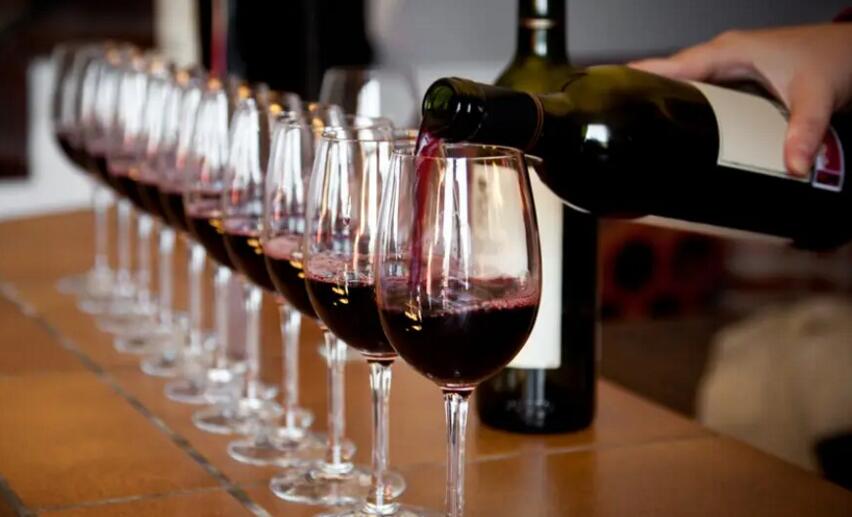
Here’s how it works: Get a bunch of (at least six) friends rounded up and have them all come over for a tasting party. Everyone should bring a bottle of wine made from the same variety, and all the bottles should be roughly in the same price range. When people arrive, one person should wrap the bottles in individual brown paper sacks or in aluminum foil with just the neck exposed, write a number on it with permanent marker, and pull the cork. Sit down at a table or in the living room, give everyone a piece of paper, a pen, a wine glass, and start tasting the wines one at a time.
下面是它的工作原理:召集一羣(至少六個)朋友,讓他們都來參加品酒會。每個人都應該帶一瓶用同一葡萄品種釀造的葡萄酒,而且所有的酒瓶價格應該大致相同。當人們到達時,一個人應該把瓶子單獨用棕色紙袋或鋁箔包好,只露出瓶口,用記號筆在上面寫上一個數字,然後拉上瓶塞。在桌子旁或客廳裏坐下,給每個人一張紙、一支筆、一個酒杯,開始一次一杯地品嚐葡萄酒。
Tasting involves a few basic steps: Look at the color of the wine, swirl it in your glass, smell it, sip a little, swish it around in your mouth, and then swallow or spit (now is a good time to learn to spit — you’ll learn much more if you do, because you’ll be able to try more wines). Write down what you think. You can give the wine a score, you can give it a thumbs-up or -down, you can write what it tastes or smells like, it doesn’t matter. Go through all the wines, then talk about them as a group and see what people liked and didn’t like. Once you’ve tasted all the wines, take them out of their wrapping one at a time, and next to the notes you made about that wine, write down the vintage year, the winery, where it’s made, and how much the bottle cost. It doesn’t really matter what you do with the notes, though I recommend hanging on to them (or better yet, keeping a notebook where you save them all) but the important thing to try and get from these activities is a growing ability to remember what style of wine you like, along with what wineries you think make good wine. You are building a sense memory for what different wines taste like.
品嚐品酒包括幾個基本步驟:觀察葡萄酒的顏色,在杯中旋轉,聞聞,啜一小口,在口中旋轉,然後吞嚥或吐出來(現在是學習吐出來的好時機——如果你這樣做,你會學到更多,因為你可以嘗試更多的葡萄酒)。把你的想法寫下來。你可以給酒打分,可以給它點贊,你可以寫下它的味道或氣味,這都沒關係。瀏覽所有的葡萄酒,然後作為一個小組討論它們,看看人們喜歡什麼和不喜歡什麼。一旦你品嚐了所有的葡萄酒,就把它們從包裝中取出來,一次取出一個,在這款酒旁做註釋旁,寫下年份、酒莊、釀造地以及瓶子的價格。你對這些筆記做什麼並不重要,儘管我建議你堅持下來(或者更好的是,把它們都記在筆記本上),但從這些活動中嘗試和獲得的重要東西是,你越來越有能力記住你喜歡什麼樣的葡萄酒,以及你認為哪些酒莊釀造出好的葡萄酒。你正在建立一種不同葡萄酒味道的感官記憶。
Tastings like this are the best way to really understand a variety or a particular region, as well as to decide fairly conclusively whether you like a particular type of wine. Obviously, the more flexibility you have in the dollar amount you can spend on these tastings, the more you have an opportunity to really understand the range of possibilities in a given type of wine.
At this stage it’s particularly useful to join a wine club, which will result in a couple of bottles being delivered each month for you to try. Drink them and use the ones that are good as launching pads into new regions, producers, and varietals.
這樣的品嚐是真正瞭解一個品種或一個特定地區的酒的最好方法,也是確定你是否喜歡某一特定類型的葡萄酒的最好方法。很明顯,你在這些品酒上花費的美元金額越機動性,你就越有機會真正瞭解特定類型葡萄酒的各種可能性。
在這個階段,加入一個葡萄酒俱樂部是特別有用的,這將導致每個月都會有幾瓶酒送給你去嘗試。喝下它們,用它們作為跳板,嘗試新的地區,新的生產者和新的品種的酒。