“讀懂中國”主題演講 | 單霽翔:文化的力量_風聞
解读中国工作室-解读中国工作室官方账号-为世界提供感知中国的别样视角2022-12-30 10:52
由中國外文局國際傳播發展中心·解讀中國工作室與中國國家創新與發展戰略研究會聯合策劃製作的“讀懂中國”主題演講,邀請CBA北京紫禁勇士籃球俱樂部主教練、前美國職業籃球運動員斯蒂芬·馬布裏,兩屆奧斯卡獎獲得者、英國導演柯文思,故宮博物院學術委員會主任、中國文物學會會長單霽翔擔任演講嘉賓。
三位嘉賓的演講題目分別是:
馬布裏:從NBA到CBA,中國文化哲學如何影響了我
柯文思:四部紀錄片帶我漫遊中國
單霽翔:文化的力量
今天推出第三期演講**《文化的力量》,演講嘉賓為故宮博物院學術委員會主任、中國文物學會會長單霽翔**。

△單霽翔
以下為演講內容全文。
文化的力量
The power of culture
,時長17:53△“讀懂中國”主題演講之《單霽翔:文化的力量》2021年可能世界遺產是個熱詞。其中一個原因是在中國福州召開了聯合國教科文組織的第44屆世界遺產大會。習近平總書記給大會致辭,闡述了世界遺產保護的意義和它對我們現實生活的價值。大會通過了很多重要的文件,其中我們中國政府提交的泉州,在大會上成為中國第56項世界遺產。
Word heritage is a buzzword of 2021 in China, thanks to the 44th session of the World Heritage Committee held in Fuzhou, China.
President Xi Jinping sent a congratulatory letter to the session, in which he elaborated that preserving cultural heritage is of vital importance to the continuity of human civilization and the sustainable development of the world.
During the session, many important documents were passed, and “Quanzhou: Emporium of the World in Song-Yuan China”, submitted by the Chinese government, became China’s 56th UNESCO World Heritage Site.
2004年在中國的蘇州,召開了世界遺產大會,也出台了一些影響這些年世界遺產保護的政策規定。其中一項規定對於當時我們從事實際工作的人是非常不利的。什麼規定呢?就是無論大小,每個國家每年只能申報一項文化遺產。大家想想5000年的文明古國,這麼豐富的遺產資源,每年只能挑選一項進行申報。長長的預備名單,將近70項項目在等待。
In 2004, at the 28th session of the World Heritage Committee held in Suzhou, China, new policies and rules were also adopted and have affected the conservation of world heritage over the years. There is one policy that added much pressure to people like me in this line of work, stating that each country, no matter how big or small it is, may submit only one application relating to cultural heritage each year.
Think about it. China, a 5,000-year-old civilization with such rich cultural heritage resources, can choose only one item each year to submit from the long preliminary list of nearly 70 items that await approval.
但這項規定是正確的,它要平衡文化多樣性,因為每年大概有140多個國家申報項目,但每年經過嚴格的審核審批,最後成功的不到30項。希望這些還沒有世界遺產的國家,也有機會加入世界遺產大家庭。
But the rule is reasonable with cultural diversity taken into account. Each year, among the applications from about 140 countries, only less than 30 items will be approved following a rigorous review process. The policy’s aim is to encourage the countries that do not yet have a World Heritage Site to eventually make it.
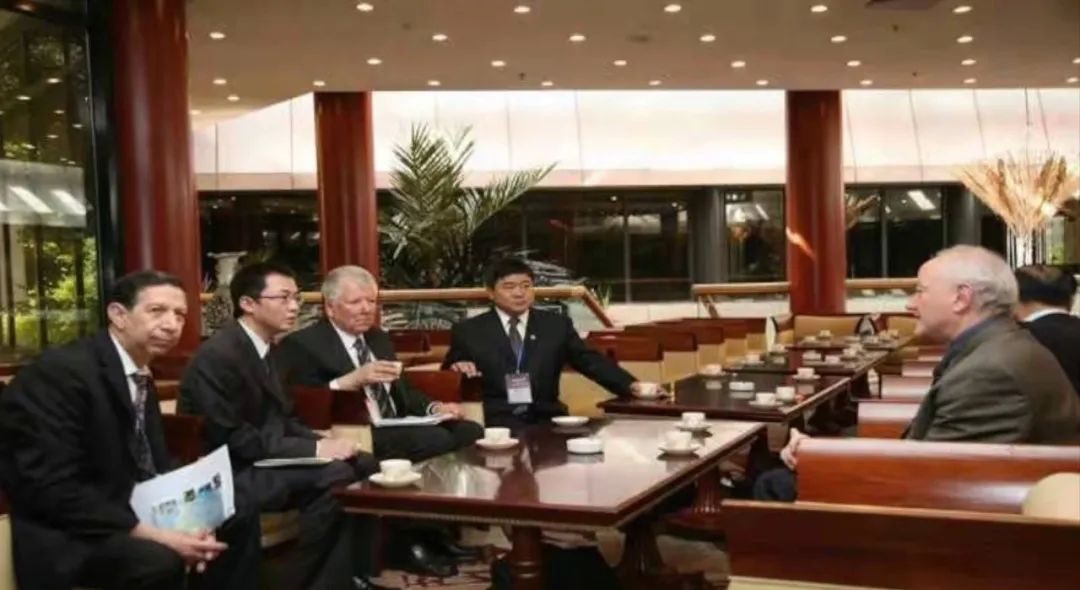
△時任國際文化財產保護與修復研究中心(羅馬中心)主任布什納迪(左一)、國際古蹟遺址理事會主席佩薩特(左三)、單霽翔(右二)
但是我們怎麼辦?我們和國際組織溝通。世界文化遺產領域有三大機構,我們和他們負責人討論,比如世界遺產中心主任班德林;中間這位白頭髮的是國際古蹟遺址理事會主席佩薩特;那邊拿着報紙的是著名羅馬中心主任布什納迪。和他們説我們國家今天正處於城市化加速進程的歷史階段,每一項申報都帶有搶救性質。中間那個年輕人就是當年的我,大家看我的表情,是不是壓力很大。每年只能報一項,還不一定能成功,必須付出極大的努力。
But how do we do it? We communicate with international organizations. There are three major institutions in the area of world cultural heritage, and we discussed with their leaders, the then director of the World Heritage Center, Francesco Bandarin; the white-haired one in the middle, the then president of ICOMOS International, Michael Petzet; and the one holding a newspaper, the then director-general of the prestigious ICCROM, Mounir Bouchenaki, telling them our country is at a historical stage of accelerated urbanization, since every application is vital to the preservation of China’s cultural relics.
The young man in the middle is me back then. You can tell from my facial expression that I was under a lot of stress, right? We can only submit one item every year without necessarily having them approved, and each of them takes a lot of work.
2004年高句麗王城王陵及貴族墓葬申報世界遺產成功;2005年澳門歷史城區;2006年河南殷墟;2007年廣東開平碉樓與村落;2008年福建土樓;2009年五台山;2010年登封天地之中歷史建築羣;2011年西湖文化景觀;2012年內蒙古的元上都遺址;2013年雲南的哈尼梯田;2014年是個大豐收,居然兩項成功了:一項是大運河,一項是絲綢之路。為什麼有兩項成功呢?因為絲綢之路是跨國申報,中國和哈薩克斯坦和吉爾吉斯斯坦三國共同申報,用的是吉爾吉斯斯坦的名額;2015年土司遺址;2016年廣西的花山岩畫;2017年福建廈門鼓浪嶼;2018年沒有成功,就是泉州今年成功了。但是2019年當良渚古城遺址申報成功之時,中國就一躍成為了全世界擁有世界遺產最多的國家。但是在我們來看,最多不是最重要,關鍵在這個過程中搶救保護了大量的文化遺產資源。
Fortunately, we had “Capital Cities and Tombs of the Ancient Koguryo Kingdom” added to the UNESCO World Cultural Heritage List in 2004, “Historic Centre of Macao” in 2005, “Yin Xu” in Henan Province in 2006, Guangdong’s “Kaiping Diaolou and Villages’” in 2007, “Fujian Tulou” in 2008, “Mount Wutai” in 2009, “Historic Monuments of Dengfeng in ‘The Center of Heaven and Earth’ ” in 2010, “West Lake Cultural Landscape of Hangzhou" in 2011, Inner Mongolia’s “Site of Xanadu” in 2012, “Cultural Landscape of Honghe Hani Rice Terraces” in Yunnan in 20l3, and a bumper harvest in 2014, with two applications, “The Grand Canal” and “Silk Roads: the Routes Network of Chang’an-Tianshan Corridor” approved. How come we were able to submit two items that year? Because Silk Roads was a transnational nomination among three countries, China, Kazakhstan and Kyrgyzstan jointly put forward by Kyrgyzstan.
Then we had “Tusi Sites” added to the List in 2015, “Zuojiang Huashan Rock Art Cultural Landscape” in Guangxi in 2016. and Fujian’s “Gulangyu, a Historic International Settlement” in 2017. Quanzhou didn’t get approved in 2018, but we made it this year. “Archaeological Ruins of Liangzhu City inscribed on the World Heritage List, China became the country that has the most UNESCO World Heritage sites, which of course was great, but more importantly, we had salvaged a lot of cultural heritage resources during the application process.
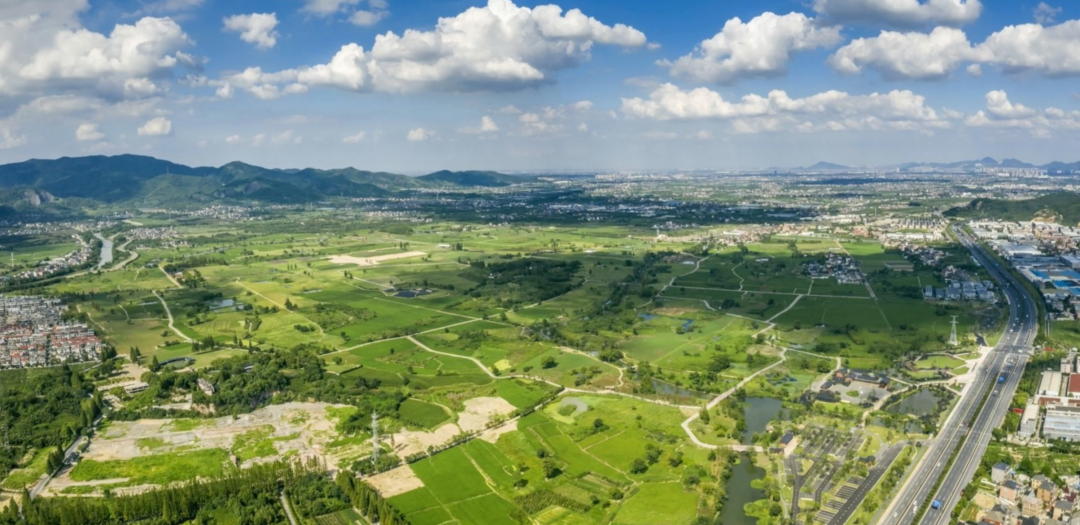
△良渚古城遺址保護後樣貌
比如良渚古城遺址,十幾年前它的狀況是這樣的,就是浙江普通農村的景觀。在遺址上有這樣的廢品回收站、鄉鎮企業,最重要的莫角山宮殿建築羣上,當年居然聳立着一個企業的水塔。有一些大型的印刷廠,不斷增加的農民住宅,周圍開山取石把環境也破壞了。這就是13年前的狀況。但是進入申報世界遺產,進行了環境整治,進行了遺址的保護,從這樣的面貌改變成了這樣了。它毫無爭議地以5300年曆史,成功成為了世界遺產。
For example, the ruins of Liangzhu City were like this a decade ago, just like an ordinary village in Zhejiang, with waste recycling depots and township enterprises on the ruins, and even a water tower standing in the Mojiaoshan Palace area. There were also large-scale printing plants and residences of farmers were still increasing. They cut into mountains for quarrying, which took a toll on the environment. That was the situation 13 years ago.
However, when submitted to be included in the World Heritage List, the Liangzhu City went through environmental improvement and protection, and the way it looked changed from that to this. Boasting a history of 5,300 years, it became a World Heritage Site undisputedly.
在世界遺產大會上,我們專家13分鐘的陳述,十個國家支持表態的發言,大會主席一錘定音,良渚遺址成為實證中華5000年文明的聖地。
At the 43rd session of the World Heritage Committee, after our expert delivered a 13-minute presentation, representatives from 10 countries expressed their support, then the chairman of the session made the final decision. The Liangzhu ruins is considered to be a sacred place that provides solid evidence that Chinese civilization is 5,000 years old.
我們在申報世界遺產的時候,喊出一個口號,就是“要讓良渚遺址像公園般得美麗”。同時對重要出土文物的地點進行了保護性展示,在遺址的外側建了一個漂亮的博物館,把80多年出土的、以玉器為主的珍貴文物進行了集中展示。這些工作做好了以後,一個考古遺址公園正式開園了,年輕人在這裏每天都有活動,同時人們在這裏接觸大自然。
During the application process, we used a slogan. Make the Liangzhu ruins as beautiful as a park. We displayed the site where important cultural relics were unearthed in a protective manner, and built a beautiful museum outside the site to house exhibitions of precious cultural relics, mainly jade wares, found over the 80 years of archaeological excavation.
After that, an archaeological site park was officially opened. Youth group activities take place here every day, and people come here to get in touch with nature.
其實每處遺產申報過程中,都伴隨着搶救性的保護。比如五台山。提出申遺的時候,我們到現場一看20多處地點,全需要整治。特別是最核心的台懷鎮山下那段不可持續的旅遊,造成上千的小門臉、小飯館、小茶館、小酒館、卡拉OK屋,還有一種叫洗腳屋。山上的僧人怎麼唸經啊!要成為世界遺產,環境必須要整治。所以把所有的這些雜亂無章的旅遊設施,退後10裏地,建設遊客中心。一年以後“深山藏古剎”的意境回來了。這樣五台山成為了世界遺產。
In fact, the application process of all the items have been accompanied by rescue and protection operations.
Take Mount Wutai as an example, where more than 20 places needed regulation and improvement measures during the application process. Especially at the foot of the mountain in Taihuai Town, years of unsustainable tourism had left thousands of shops, restaurants, tea houses, taverns, karaoke places and foot massage parlors there. Hard to imagine how the monks had lived their monastic way of life on the mountain. To become a world heritage site, the environment must be renovated, so all the disorganized tourist facilities were set back 5 kilometers and a visitor center was built. A year later, the image that old temple hidden in mountains resurfaced, and finally Mount Wutai became a World Heritage Site.
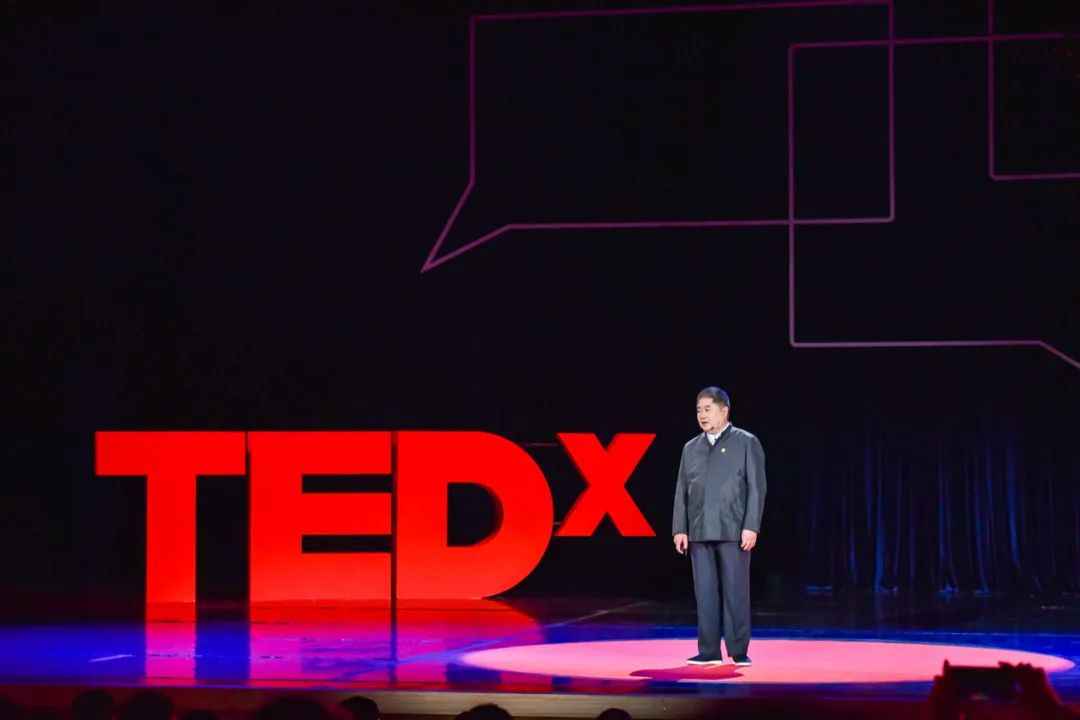
△單霽翔在“讀懂中國”主題演講現場
杭州西湖進入新的世紀,提出申報世界遺產。我們知道這是一個更艱鉅的任務,因為它在一個蓬勃發展的大城市的中心核心地段,佔據很大的空間。而西湖的文化景觀特色叫,“三面雲山一面城”,也就是三面雲山裏面不能出現任何一棟侵入到景觀裏的新建築。可能嗎?杭州做出了承諾,十年申遺路。
Entering the 21st century, West Lake in Hangzhou was nominated as a World Heritage Site and we knew that it would be a more difficult challenge to get it approved. Because the lake covered a large area at the center of a big dynamic and prosperous city, and it was embraced by city walls on one side and cloud-shrouded mountains on the other three sides, which was a feature of its cultural landscape that could not be interrupted by any new building.
How could you keep it that way? Hangzhou had made a commitment. After ten years of work to get the Hangzhou cultural landscape added to the World Heritage List.
今天大家有機會到杭州去看看,無論是盪舟西湖,還是漫步蘇堤白堤,沒有任何一棟新的建築,侵入到西湖文化景觀裏來。西湖成功了。但是杭州的經濟社會發展受影響了嗎?沒有。從西湖申報世界遺產之時,杭州就堅定不移地從西湖時代,走向了錢塘江時代,在錢塘江兩側氣勢恢宏地建了新的杭州城。
If you pay a visit to the city nowadays, no matter boating in the lake or strolling along the Su Causeway and Bai Causeway you will find no new buildings intruding into the West Lake cultural landscape.
They made it. But has Hangzhou’s economic and social development been sacrificed? No. Since the application process began, Hangzhou has unswervingly moved on from the West Lake era to the Qiantang River era. The imposing new cityscape on both sides of the Qiantang River.
幾年前的G20會議,大家知道,美麗的新杭州城的景觀,通過影像傳遍了世界各地,這就真正實現了梁思成先生當年的主張:“一座歷史性的城市要保護老城、建設新城,兩者才能相映成輝。”在杭州實現了。北京是一座文化古都,北京的城市特色是有一條清晰的中軸線,從永定門到鐘鼓樓。中軸線最大的一組建築,莫過於昔日的紫禁城,今天的故宮博物院。
As we know, it was seen by the whole world through videos and images during the 2016 G20 Hangzhou summit.
Mr. Liang Sicheng, the father of modern Chinese architecture, used to suggest in the Liang-Chen Proposal that a historic city must protect its old city and build a new satellite city, so that they can complement each other. His belief was truly realized in Hangzhou.
Beijing is an ancient capital characterized by a clear central axis on which sit a series of buildings.
From Yongdingmen in the south to Zhonggulou in the north, the largest building on the central axis is the Forbidden City, or the Palace Museum.
我有幸參與了一些故宮博物院中軸線的保護工作。比如在1994年到1997年,故宮周邊52米寬的筒子河和城牆中間兩側單位、居民傾倒的垃圾,已經堆到了水面上。我們要喊出那個口號:“把一個壯美的紫禁城完整地交給21世紀。”三年社會各界的共同努力,污水截流,單位、居民搬遷,終於在21世紀到來之前,筒子河變得碧波盪漾了。
I was fortunate enough to participate in the protection of the central axis involving the Palace Museum.
For example, from 1994 to 1997, the 52-meter-wide Tongzi River, the moat around the Forbidden City,was full of garbage dumped by people living nearby. We had to shout that slogan,“Leave a magnificent Forbidden City to the 21st century."
After three years of joint efforts by all sectors of society, including sewage interception and resident relocation, Tongzi River had finally become clear again just before the 21st century.
2000年的北京正在申辦2008年奧運會,我們不希望大體量的建築物、大規模的建築羣侵入到中軸線和故宮景觀周圍。我們就在中軸線兩側畫了厚厚的建設控制地帶,綠色的地方就是不能建樓房的地方,保護北京傳統四合院、平房衚衕。正是因為有了這道屏障,北京市中軸線今天申報世界遺產才成為可能。
In 2000, when Beijing was bidding for the 2008 Olympic Games, we did not want large-scale buildings to intrude into the space around the central axis and the Forbidden City. So we set up wide construction-free zones on both sides of the central axis. the green parts where new buildings were not allowed, and Beijing traditional courtyard houses, bungalows and hutongs were protected. It is precisely because of this barrier that we were able to nominate Beijing’s central axis as a World Heritage Site today.
我是2012年到故宮博物院工作的,我知道這裏是世界最大規模、最完整的古代宮殿建築羣,這裏是全世界收藏中國文物藏品最豐富的一座寶庫,這裏還是全世界觀眾來訪量最多的一座博物館。作為中國第一批世界遺產,應該如何保護呢?我們又經過了三年環境整治,室內十項內容,室外十二項內容,把我們裏裏外外整治得乾乾淨淨。擴大開放,我們擴大開放要把古建築修好。1200棟古建築用18年的時間,把它們修好了。我們建立了世界第一個為文物建的醫院:故宮文物醫院,彙集了200名文物醫生。這座醫院一建立,國際文物修護學會就把全球唯一的培訓機構設在了中國,設在了故宮文物醫院。
I started to work in the Palace Museum in 2012.
I knew it was the largest and most complete ancient palace complex in the world, the treasure house with the world’s richest collection of Chinese cultural relics, and also the most visited museum in the world.
But as one of the first World Heritage sites in China, how should it be protected?
We then had three years of environmental remediation, covering 10 indoor items and 12 outdoor items, to clean up the inside and outside of the Forbidden City, to expand its opened-up areas. we spent 18 years repairing and restoring the 1200 ancient buildings. We built the world’s first hospital for cultural relics, the Palace Museum Cultural Relic Hospital, where we brought together 200 cultural relic doctors.
As soon as the hospital was established, the IIC had its only training center founded there.
△董兆的作品進入文物醫院
這是一幅畫,曾經掛在乾隆花園最高的建築符望閣的牆上,5米多高的貼落。但是70年前的戰爭期間,它跌落下來了,當時沒有條件修,我們的老員工把它包起來。今天要修,打開一看,已經碎片化了上千片,沒辦法研究了。但是今天我們進入文物醫院以後,在我們的計算機系統和輔助設備支持下,科學拼對、科學修復,一年以後它起死回生了。它是清朝一個非常著名的學者——董兆的一幅作品。
This is a painting that once hung 5 meters high on the wall of Fuwang Pavilion, the tallest building in the Qianlong Garden. But it fell off during the war 70 years ago. Back then, we were unable to repair it,so our old employees had to wrap it up. When we finally decided to fix it, we found it had broken into thousands of pieces and there was no way to study those fragments. So we sent them to our cultural relic hospital.
With the support of our computer system and auxiliary equipment, scientific matching and restoration brought the painting back to life a year later. It was painted by Dong Zhao, a very famous scholar in the Qing Dynasty.