周波、賽斯·瓊斯:中國是否會成為阿富汗最有影響力的外部力量?
**林洋:**早上好,歡迎參加2021“中國力量”辯論大會。我是美國國際戰略研究中心(CSIS)亞洲安全高級研究員和“中國力量”項目(China Power Project)主管林洋(Bonny Lin)。感謝大家的參與,本次辯論會主題為阿富汗,辯題為“在未來兩年內,中國是否會成為阿富汗最有影響力的外部力量”。
自美國撤離阿富汗後,中國採取了多項措施支持塔利班新政府,包括保留了在喀布爾的大使館,與塔利班和地區領導人就阿富汗的未來舉行高級別磋商,呼籲國際社會以理性務實的方式與塔利班合作。同時,中國已向阿富汗捐贈了100萬劑新冠疫苗,並正加緊為阿富汗提供約3100萬美元的緊急人道主義援助,北京還計劃再提供價值500萬美元的糧食援助。
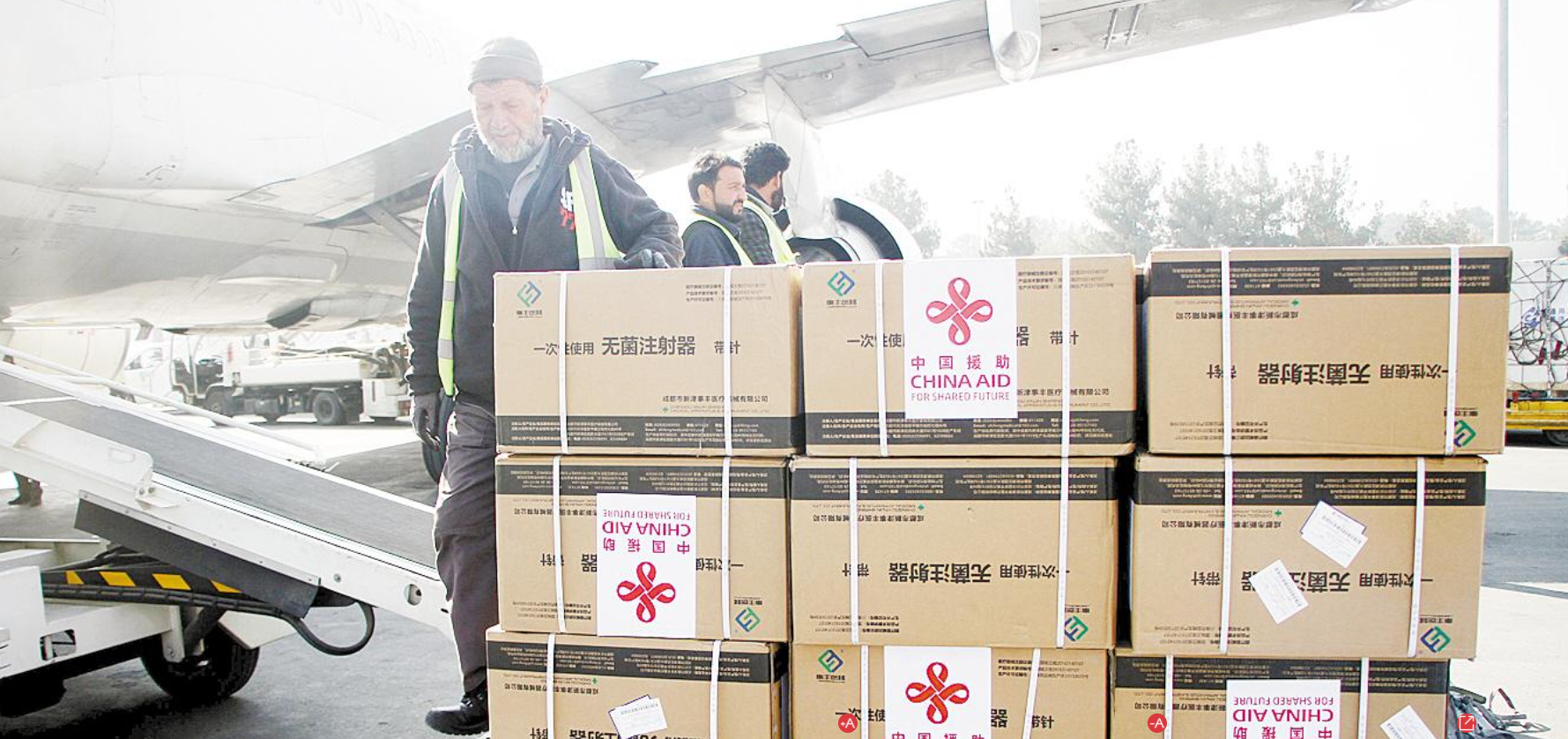
2021年12月8日,中國援助物資抵達阿富汗首都喀布爾國際機場。來源:新華社
中國這些行動引發了關於其在阿富汗目的的重大爭論。一些專家認為,北京試圖將喀布爾納入中國的地緣政治軌道,另一些專家則認為,中國希望阿富汗融入“一帶一路”倡議,甚至希望能開發阿富汗的礦藏。
人們普遍認為,北京希望在國家安全問題上與塔利班合作,例如剷除“東伊運”(the East Turkestan Islamic movement)。北京視其為恐怖組織,是對新疆的分裂威脅。然而,也有人認為中國不會想在阿富汗獲得重要的政治和經濟立足點,因為該地區不穩定性強、中國在阿失敗的經濟合作項目不少,中國自身可能也希望與阿富汗保持一定距離。
今天辯論的主題是:“在未來兩年內,中國是否會成為阿富汗最有影響力的外部力量。”請允許我介紹今天的兩位重量級發言人。我們很高興能邀請到他們進行辯論,兩位將分別持正方和反方觀點。
持正方觀點的是清華大學戰略與安全研究中心研究員、中國論壇特約專家周波大校(已退役)。周波大校1979年入伍,先後在廣州軍區空軍司令部擔任不同職務。1993年起,先後任中國國防部外事辦公室參謀、西亞非洲局副局長、綜合局副局長等職務。
此外,周波曾任中國駐納米比亞武官、國防部國際軍事合作辦公室安全合作中心主任,他已發表了100多篇英文論文和評論文章。周波大校曾在新加坡香格里拉對話會和慕尼黑安全會議上作為解放軍代表發言,同時也是解放軍國防大學外軍學員研究生導師。
我們也很高興邀請到持反方觀點的嘉賓,CSIS高級副總裁、哈羅德·布朗主席和國際安全項目主任賽斯·瓊斯博士。瓊斯博士領導着一個由50多名駐地工作人員和廣泛的非駐地分支機構網絡組成的兩黨團隊,致力於提供獨立的戰略見解和政策解決方案,塑造國家安全。
他還在約翰霍普金斯大學高級國際研究學院,和美國海軍研究生院國土防禦和安全中心任教。在加入CSIS之前,瓊斯博士是蘭德公司國際安全和國防政策中心的主任、美國特種作戰司令部指揮官和負責特種作戰的助理國防部長的代表。在此之前,他是美國駐阿富汗特種作戰部隊司令部的一名計劃官員和顧問。
非常感謝兩位今天抽出時間參加我們的辯論會。現在,讓我們正式進入辯論。首先,有請周波大校進行立論,中國為何會成為阿富汗境內最有影響力的外部力量。
**周波:**謝謝林洋,我在北京向大家問候。中國是否會在未來兩年內成為阿富汗問題最具影響力的外部力量?這個問題很好。我們假設一下,如果不是中國,那還能是誰?美國已經撤了,俄羅斯在阿富汗的歷史慘痛,其經濟實力僅為中國的九分之一或十分之一。印度想摻和一腳進來,但塔利班與巴基斯坦關係密切,而後者拒絕印度參與,原因有兩個,一是巴基斯坦需要借阿富汗獲取戰略縱深,二是儘可能減少印度對阿富汗的影響。因此,中國作為阿富汗的直接鄰國,和世界第二大經濟體,必然會發揮作用。
此外,我認為中國在阿富汗有兩個其他國家不具備的獨特優勢:一是政治公正,二是經濟投資。無論是在距今一千多年的中國唐朝,還是當下,阿富汗對中國的印象都不錯。與那些遠道而來的入侵者不同,中國作為近鄰,從未侵略過阿富汗。即便是在今天,儘管北京尚未正式承認塔利班政府,中國仍然是少數幾個在阿富汗保持使館開放的國家之一。
然而,這不意味着中國對於塔利班有什麼特殊感情,而是中國在阿富汗問題上的立場—無論在美國撤出前還是撤出後—始終一致,中國認為阿富汗問題不是地緣政治或大國角力的問題,更多的是關乎人道主義及人道主義關懷。中國同國際社會一樣,希望塔利班政府成為温和、開放和包容的政府,當然,中國也希望他們能明確與恐怖組織一刀兩斷。中國尤其關注圖謀破壞新疆穩定的“東伊運”,並希望塔利班能夠信守承諾,不允許任何人或任何勢力借阿富汗領土做傷害中國的事。
第二個獨特優勢就是經濟投資,在中國國內,也不乏談到阿富汗時“要謹慎,不要過於樂觀”等觀點,但我有不同看法。這已經不是中國是否要投資阿富汗的問題了,即使在戰爭期間,中國也一直以各種方式存在於阿富汗,中國是阿富汗的第三大貿易伙伴,僅次於巴基斯坦和伊朗。
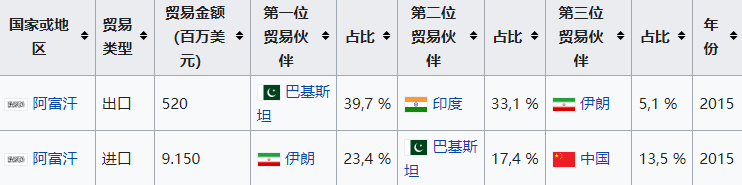
中國是阿富汗的第三大貿易伙伴,僅次於巴基斯坦和伊朗。來源:維基百科
中國的產品在阿富汗具有很強的競爭力,中國的世界五百強公司,如華為、中興、中國路橋、中鐵、中國冶金科工,中國石油等都在阿富汗做生意,而且時間都不短了。此外,中國在基礎設施建設和工業方面的能力首屈一指,對於一個飽受戰爭蹂躪、工業能力幾乎為零的國家來説,這些都是急需的。
塔利班在官方聲明中多次表示歡迎中國企業赴阿投資,甚至早在接管喀布爾之前,就承諾會保護中國在阿投資。安全問題肯定是影響中國大規模投資的關鍵,簡單説,現在的阿富汗不是比戰亂下的阿富汗更安全嗎?當然是。
一個更大的背景是,中國的“一帶一路”倡議在一定程度上與陸地上的“不穩定之弧”(Arc of instability)重疊。“不穩定之弧”從撒哈拉南部開始,穿過高加索山脈,最後到東南亞,而這正是中國“一帶一路”倡議中“絲綢之路經濟帶”的軌跡。
此外,阿富汗也有中國需要的資源,例如價值1萬億美元的未開發礦藏,包括鋰、鐵、銅和鈷等關鍵工業金屬。2021年11月,五家中國企業的代表獲得了塔利班政府的特殊簽證,對潛在的鋰項目進行了現場探察,這是中國企業進一步開拓阿富汗市場一個很好的例子。
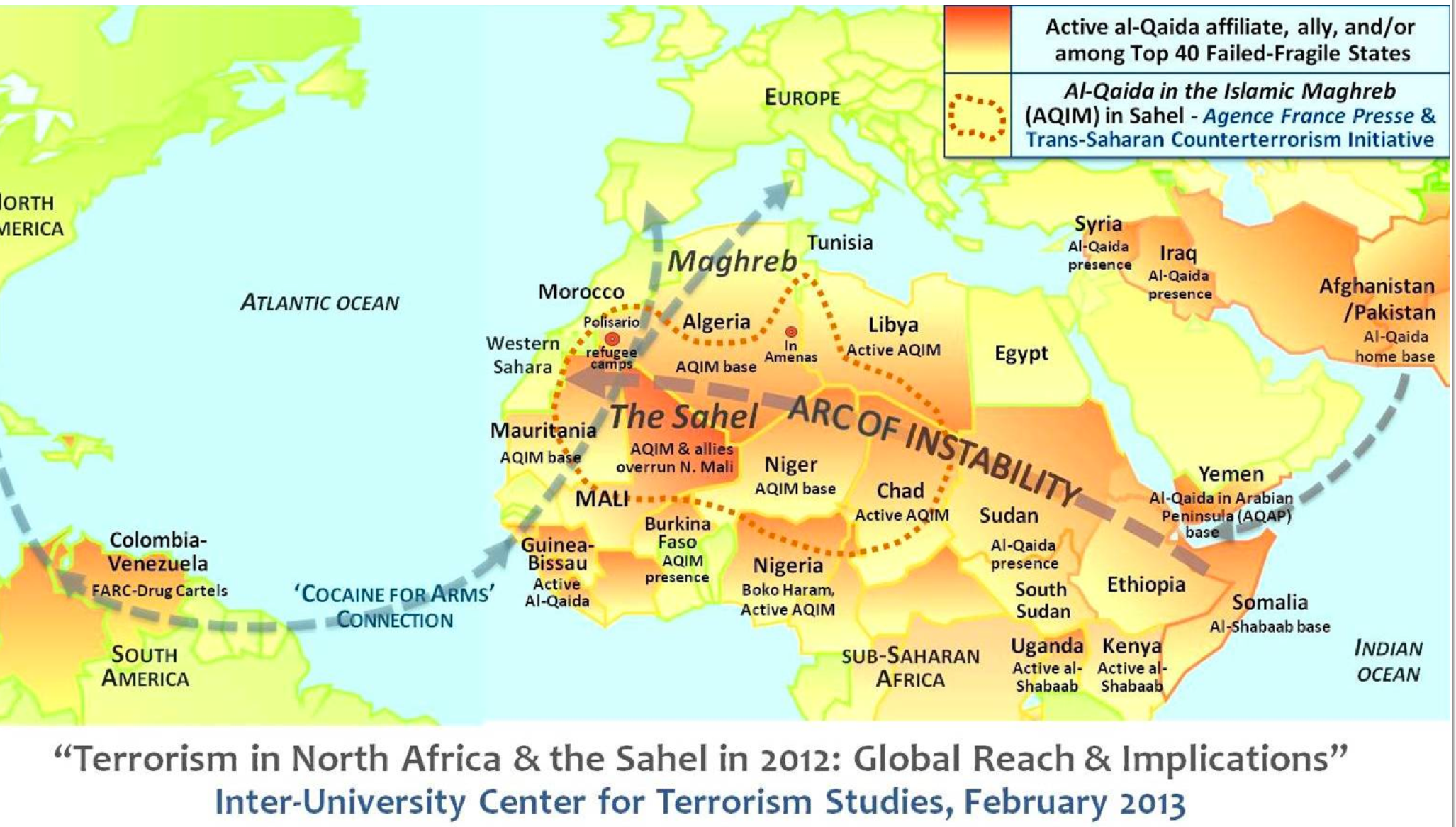
“不穩定之弧”從撒哈拉南部開始,穿過高加索山脈,最後到東南亞。來源:GeoCurrents
當然,中國的長期戰略投資計劃之一是“一帶一路”倡議,而阿富汗迄今為止,他們一直是這個巨大拼圖中一個有吸引力但暫時缺失的部分。如果中國能夠將“一帶一路”從巴基斯坦延伸到阿富汗,例如修建一條從白沙瓦到喀布爾的高速公路,它將開闢一條更短的陸路通道,聯通中東市場。
當然,中國雖有上述獨特優勢,但也不要指望中國來填補美國留下的黑洞。我個人不認為中國會是第一個承認塔利班的國家。但我認為,國際社會應該幫助阿富汗成為一個正常的國家,因為這最有利於實現阿富汗的和平與穩定,也有利於整個地區的安全與穩定。
如果塔利班政府癱瘓,阿富汗將陷入更嚴重的混亂。目前,形勢已經十分嚴峻。這個冬天,將近2300萬人,也就是超過一半的阿富汗人口,可能會面臨糧食危機。這個國家正遭受幾十年來最嚴重的乾旱之一。聯合國數據顯示,阿富汗今年的小麥收成預計將比往年平均水平低25%。
那麼我們應該如何解決這些問題呢?一言以蔽之,給塔利班一個機會,讓他們踐行自己的諾言。這是最現實的做法。為什麼?因為目前阿富汗國內沒有可與塔利班抗衡的政治和軍事力量,因此塔利班政權將在未來很長一段時間內維持統治,除非其內部發生嚴重衝突。
如果塔利班政權能夠穩定下來,內政外交政策也不走極端,那麼對該地區的所有國家來説,承認塔利班政府只是時間問題,這是我們必須面對的現實。我個人認為,塔利班已經不再是90年代掌權時的那個塔利班,二十多年過去了,他們應該學到了不少,至少他們表態承諾開放包容,讓婦女去工作,讓女孩去上學等等。唯一的問題是,他們還沒有完全兑現諾言。
現在來談談美國應該做什麼?中美兩國能做什麼?以聯合國為代表的國際社會能做什麼?
美國雖已撤軍,但它不會徹底離開阿富汗。首先,這是一個道義問題,美國在阿富汗留下了“永遠的戰爭”摧毀了這個國家,美國不能就這樣一走了之。拜登的口號是“重建更好未來”,難道美國不應該重建更好的阿富汗嗎?白宮宣佈,作為七國集團“重建更好世界”倡議的一部分,美國計劃在1月份對海外基礎設施項目進行首輪投資。但我看到的是,在美國副國安顧問達利普·辛格(Daleep Singh)“聆聽之旅”的所有國家中,阿富汗不在其列。
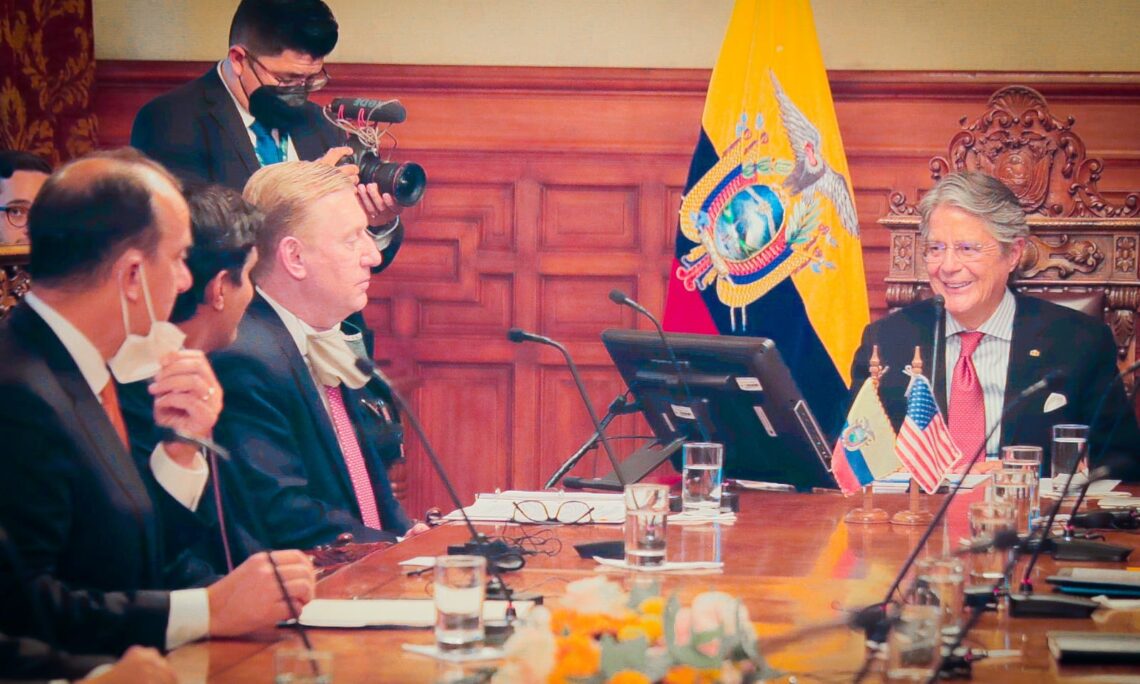
美國代表團前往厄瓜多爾參加“重建更美好世界”(B3W)項目的“聆聽之旅”。來源:美國國務院
其次,拜登政府必須爭分奪秒地解凍阿富汗的流動性和海外資產,解除單邊制裁,因為時間窗口正在關閉。據《紐約時報》報道,援助組織表示今年冬天可能有100萬阿富汗兒童餓死。當我讀到100萬這個數字時,我想到了1994年的盧旺達種族屠殺。
據報道,那次屠殺造成80萬到100萬人死亡。不久我們就會知道《紐約時報》的的預估是否正確。哪怕是1000名兒童死亡,也比美國災難性的撤軍更丟臉,更不用説100萬了!
這將是美國道德基礎和道德形象的又一次災難。當阿富汗人快要死去的時候,他們本該用來挽救生命的錢還躺在美國銀行裏,而美國政府根本不會把錢還給阿富汗人。紐約聯邦儲備局持有前阿富汗政府約70億美元的資金,世界銀行持有阿富汗15億美元的信託,而阿富汗經濟依賴援助,捐款覆蓋了約75%的公共支出,國際捐助佔其GDP43%。自塔利班接管政權以來,銀行現金已耗盡,那些有存款的人也無法取錢,情況極其悲慘。
那麼,中美能否通過雙邊或多邊合作來解決這個問題?中美作為世界第一和第二大經濟體,對世界和平與穩定負有特殊責任。在阿富汗問題上的合作,可能有助於緩和兩國之間極複雜且競爭激烈的關係。
雙方在阿富汗問題上事實上有很多共同點:中美都不希望阿富汗陷入內戰,都支持“阿人主導、阿人所有”的政治解決方案,都希望塔利班變得開放包容。
2021年8月,中國外長王毅與美國國務卿布林肯通話時表示,中方願與美國共同努力,推動阿富汗問題實現“軟着陸”。“軟着陸”意味着什麼?就是讓局勢緩和下來。而讓局勢緩和下來的前提,是要給阿富汗輸血。
既然阿富汗基本上是靠國際援助來生存的,中國因此呼籲美國解凍阿富汗流動性和海外資產,並解除單邊制裁。美國副國務卿舍曼(Wendy Sherman)訪華時提到雙方可以在禁毒領域合作。這個提議很好,因為中國也是毒品受害國,而阿富汗生產了世界上約80%的鴉片。但是如果塔利班沒有國際援助,不能從美聯儲拿回錢,那麼毒品對於這個政府的生存就很重要,中美也就無法開展禁毒合作。
最後,中美能如何促進聯合國安理會五常之間(在阿富汗問題上)的合作?我認為,五常應儘快進行磋商,對塔利班提出明確要求,作為解除制裁的條件。阿富汗問題不同於伊核問題、朝核問題,解決起來要容易得多。因為國際社會對塔利班的要求是一致的:開放、温和、包容。中國和俄羅斯的做法與美國、法國和英國的做法略有不同,但態度是一樣的,因為要求相同。
既然我們態度一致,只是方法不同,那我們就能來討論。例如,是否可以明確列出需要塔利班立即採取哪些行動?應該要求他們任命一些女性部長嗎?應該要求他們讓婦女去工作或讓女孩去上學嗎?
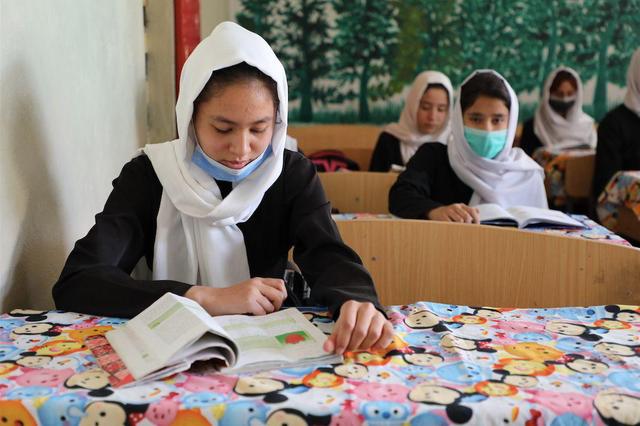
2021年10月10日,阿富汗巴爾赫省馬紮裏沙里夫,7年級至12年級的女學生迎來開學。來源:視覺中國
到目前為止,我聽到的都是像這樣的條件。我相信答應這些條件並沒有那麼困難。如果你告訴塔利班,這些是你拿回凍結財產的條件,我相信他們會立即同意。因為這些也是他們承諾過的。所以現在我們應該制定一些具體條件讓他們遵守,我相信這是完全有可能的。我先説到這裏,謝謝大家。
**林洋:**周波大校,非常感謝您的全面發言,不僅闡述了中國為什麼應該對阿富汗關注,還就中國能做什麼、美國能做什麼、國際社會能做什麼提出了建議。好,下面請賽斯·瓊斯博士發言,然後我們進入辯論環節。
**賽斯:**非常感謝林洋的主持。也十分感謝周波大校非常到位的發言。在接下來的50分鐘左右,我們將繼續討論阿富汗所面臨的嚴峻局面。
總的來説,我認為今天這個命題有三個主要的邏輯和經驗問題,我來一一列出。我先做一個概述,然後再深入探討每一個問題。
首先,我認為關於阿富汗的歷史清楚表明,其核心是一箇中央政權薄弱的國家,社會政治基礎分散。因此,從某種意義上説,重大的外國影響幾乎是個理論上不成立的説法。我認為這一點上英國人、蘇聯人和美國人確實沒能理解。
第二,由於阿富汗政府軟弱,我們談到塔利班及其權力和控制。但當我們走進阿富汗農村地區,部落、部落分支、宗族地區,就會發現,阿富汗一直以來並很有可能將繼續受到多個區域力量和全球大國的擺佈,後者將與各種當地代理軍閥和強人合作,這就是不幸的事實。
第三,該地區所有大國之間將繼續存在激烈的競爭。印度、伊朗、中亞各國政府、中國、俄羅斯和巴基斯坦都在爭奪對阿富汗的影響力,這在許多方面將不利於任何形式的穩定。我這樣説並不是因為我認為阿富汗的局勢應該是這樣的,而只是闡述事實。
如果非要指出哪個國家對塔利班和阿富汗有影響力,那就是巴基斯坦。因此,正如伊斯蘭堡在過去30多年來所展示的那樣,他們手裏掌握着阿富汗的絕大多數“影響力牌”。因此,如果中國有機會對阿富汗產生影響,中國將會而且必須與巴基斯坦合作,通過巴基斯坦作為對阿富汗施加影響的主要渠道。
在聯合國,巴基斯坦推動解凍阿富汗銀行資產,以提振經濟,拯救生命。來源:美聯社
首先,阿富汗本質上是一個社會政治結構分散的薄弱政府國家,在這個意義上,影響力是一個有些矛盾的説法。大多數阿富汗人拒絕一個強大的中央政府主動干預其事務,我記得在阿富汗南部的坎大哈與一個部落首領有過一次談話,他直接告訴我,我首先效忠的是我的家庭,然後是我的村子,再是我的部落分支,最後是我的部落。
他繼續解釋説,不論是卡爾扎伊領導的政府,加尼領導的政府抑或現在的塔利班政府,對大多數阿富汗人的日常生活都幾乎沒有任何影響。因此,認為阿富汗中央政府,更不用説像中國這樣的外國,可以對整個阿富汗產生可觀的影響力,我認為這個觀點是謬誤的。
從這個角度來看,甚至從人類學的角度來看,我們都誤解了阿富汗的權力結構。阿富汗普什圖人中約有三分之二屬於吉爾吉部落或阿卜達裏部落。在阿富汗的東部和東南部省份有較少數的卡拉尼部落的成員。
但如果阿卜達裏部落,其中就有一些支持和反對塔利班的部落。例如,博帕爾扎伊人和巴拉克宰人一般是反塔利班的,伊沙克扎伊的一些人和諾爾宰的一些人一般是親塔利班的。在吉爾吉人中,有一些親塔利班的部落,如扎德蘭人和霍塔克人,然後還有一些反塔利班的吉爾吉人。在阿富汗還有一些種族羣體,其中許多人一般不喜歡塔利班,比如烏茲別克人、塔吉克人,當然還有什葉派的哈扎拉人和各種土庫曼人等等。
這裏的重點是,阿富汗的權力結構是非常分散的,所以這對我們今天討論的話題有兩個含義。一是這種局面將繼續對塔利班構成挑戰,因為走出省會以及一些地區中心,塔利班今天的影響力要麼不存在,要麼非常有限。
因此,塔利班影響該國正在發生的事情的能力也是非常有限的,在20世紀90年代就是如此,自911以來,阿富汗的各個政府亦然。因此,任何一個外國政府,無論是英國、俄國、美國還是現在的中國政府,對一個甚至沒有強大中央政府的國家施加重大影響,我認為這個論點是需要大家再去思考的。
第二點,就是阿富汗薄弱的中央政府在歷史上被該地區多個政府的競爭所填補,我認為這不利於任何一個大國對其產生真正的影響力。該地區的眾多國家都向阿富汗的兩個權力方提供着一些秘密援助,一方就是今天的塔利班,另一方是地方民兵、強人、權力掮客、商人等。
伊朗人在阿富汗西部有很大的影響力,包括像赫拉特這樣的省份,阿富汗中部的哈扎拉人,以及一些我們經常稱之為“北方聯盟”的舊部,一些烏茲別克和塔吉克權力掮客。印度繼續在一些北方聯盟團體中發揮影響,那些在阿富汗北部省份和城市(如馬扎爾、塔洛坎)活動的羣體,印度情報機構30年來一直向這些地區的次國家行為者提供支持。
中亞國家的情況也差不多,塔吉克人支持一些塔吉克社區,烏茲別克斯坦支持一些烏茲別克社區。此外,很明顯,巴基斯坦對塔利班和在阿富汗東部、南部和西部部分地區活動的其他普什圖人團體也有重大影響。
重點是,有很多國家已經試圖並將繼續影響阿富汗,在這場博弈中,中國有許多競爭對手。可悲的是,像阿富汗這樣政府薄弱的國家,給了其他國家各種插手的機會。
這就引出了我的最後一點,關於命題本身,我認為塔利班政權所面臨的一些挑戰與其獲得外國援助或被解除制裁的能力關係不大。
第三點,如果要説哪個國家在阿富汗具有可觀的影響力,那不是中國,而是巴基斯坦,正如我們在過去三十年中所看到的。
巴基斯坦與武裝組織和其他在阿富汗活動的非國家行為者有着長期聯繫。正如巴基斯坦領導人齊亞·哈克將軍在1979年對巴基斯坦情報局(ISI)局長阿赫塔爾·阿卜杜勒·拉赫曼中將所説:“阿富汗的水必須在合適的温度下沸騰”。這一直是巴基斯坦高級領導人歷來的説法。
阿富汗與巴基斯坦相鄰,如果巴基斯坦對阿富汗領導人,包括今天的塔利班沒有影響力,那麼巴基斯坦將面臨一個雙重擠壓局面,這是我在美國政府擔任公職時,巴基斯坦高級官員,包括三軍情報局的領導人對我説的。
在一條巴印邊界上,巴基斯坦必須處理它與印度的長期敵意,而在另一條巴阿邊界上,在過去20年裏,印度先是與卡爾扎伊總統,然後是與加尼總統有密切的關係。因此,巴基斯坦在過去20年裏一直處於雙重擠壓之中。巴基斯坦西側面臨的壓力現在有所緩解,它現在在喀布爾有一個盟友,這對巴基斯坦的戰略縱深非常重要。
回顧歷史也很重要,20世紀80年代,巴基斯坦的三軍情報局向聖戰者組織提供援助,七個主要的聖戰者組織當時與美國和其他幾個政府合作。90年代,三軍情報局支持塔利班本身。
塔利班成立時,三軍情報局就在那裏,參與並幫助其在阿富汗和巴基斯坦邊境周圍的伊斯蘭聖戰學校招募人員。塔利班本身是作為一個極端的伊斯蘭運動誕生的,來自巴基斯坦和阿富汗的伊斯蘭聖戰學校,由巴基斯坦支持。
因此,巴基斯坦對塔利班一直很有影響力,從一開始就對其產生了極大的影響。當古勒卜丁·希克馬蒂亞爾在20世紀90年代初未能拿下喀布爾。當塔利班向阿富汗西部和中部推進,並最終進入喀布爾和阿富汗北部城市時,三軍情報局的幫助在提供地面直接支持方面起到了關鍵作用,三軍情報局和巴基斯坦空軍的行動人員被部署到前方。
21世紀初,塔利班政權被美國推翻後轉移到了哪裏?沒有進入印度,沒有進入中國,沒有進入中亞,沒有進入伊朗,而是進入了巴基斯坦。他們的指揮和控制網絡,也就是我們所説的拉巴里舒拉(Rabbari Shura),遷移到了巴基斯坦南部沿阿富汗-巴基斯坦邊境的奎達及其周圍地區。
這就是塔利班高層,拉巴里舒拉的主要委員會,從軍事委員會到宗教委員會、財務委員會,都在位於邊界的巴基斯坦一側,同樣是在奎達及其周圍,塔利班高級領導人,首先在穆罕默德·奧馬爾毛拉手下,然後在曼蘇爾毛拉手下,然後在現任塔利班領導人阿洪扎達手下,把他們的家人帶到學校居住。
2000年至2010年,甚至到2021年初,在塔利班繼續在阿富汗進行政治和軍事鬥爭時,巴基斯坦三軍情報局特工繼續向塔利班提供密切援助,他們參加高層會議,提供多種類型的援助。

巴基斯坦三軍情報局暴露了穆罕默德·戈希爾·汗的蹤跡。來源:ANI News
巴基斯坦三軍情報局提供資金,用於塔利班前沿部署部隊;他們提供情報,包括印度人、阿富汗政府、美國等方面活動的情報;他們提供物資,例如小型武器。他們為塔利班的車輛提供汽油和石油,從摩托車到卡車的所有東西,用於將武器帶過邊境。
主要的是,我認為巴基斯坦施加影響的最重要途徑是庇護和支持。隨着時間的推移,30多年來雙方建立了密切關係,這種關係直到現在也很重要。阿富汗現在的內政部長,來自哈卡尼網絡的西拉柱丁·哈卡尼與巴基斯坦和三軍情報局的高級官員都有着令人玩味的長期關係,他還長期與基地組織保持着很強的關係。
因此,我認為沒人能質疑巴基斯坦在過去30年裏對阿富汗的影響力最大。即使他們未來無法提供最多援助,巴基斯坦將繼續在一個他們幫助創建、幫助培養、幫助支持的組織中擁有最大的影響力,而在過去20年中世界上沒有其他國家這樣做。
世界上其他所有國家都與塔利班切斷了外交關係時,是巴基斯坦在繼續提供支持,在此意義上,巴基斯坦將保留最大的影響力。
最後總結,我認為最重要的一點是,當我們審視阿富汗的民族構成和歷史時,我們必須認清,阿富汗的歷史和社會結構核心是一個薄弱政府國家,也就是我們常説的地租型國家,他們是一個分散的社會政治基礎。
而外國的影響一直是有限的,中央政府的影響亦然,這對塔利班來説將是一個問題,在過去的一個世紀裏,這對阿富汗的每一任中央政府都是個問題。如果中國甚至巴基斯坦到現在還沒有意識到這一點的話,他們應該儘快反應過來,因為這對英國人、俄國人和美國人都構成過挑戰。
第二,由於政府薄弱,該地區每個國家將繼續在阿富汗進行博弈,歐洲、美國和其他國家也將參與其中。這種局勢將繼續下去,我認為這將不可避免地削弱任何中央政府的權力,這就是現實主義的權力競爭平衡。再次聲明,我這樣説並不是對阿富汗局勢應該如何的價值觀聲明,而是對阿富汗現狀和歷史的一種規範性表述。
第三,一直站在塔利班這邊提供援助、瞭解塔利班領導人、與他們有私人關係的國家是巴基斯坦,我認為這種關係將持續下去。
讓我再簡單説幾句,談談阿富汗所面臨的挑戰,以及美中合作的一些途徑。阿富汗經濟崩潰的總體原因,和它從世界銀行、外國政府或其他途徑獲取資金的能力關係不大。
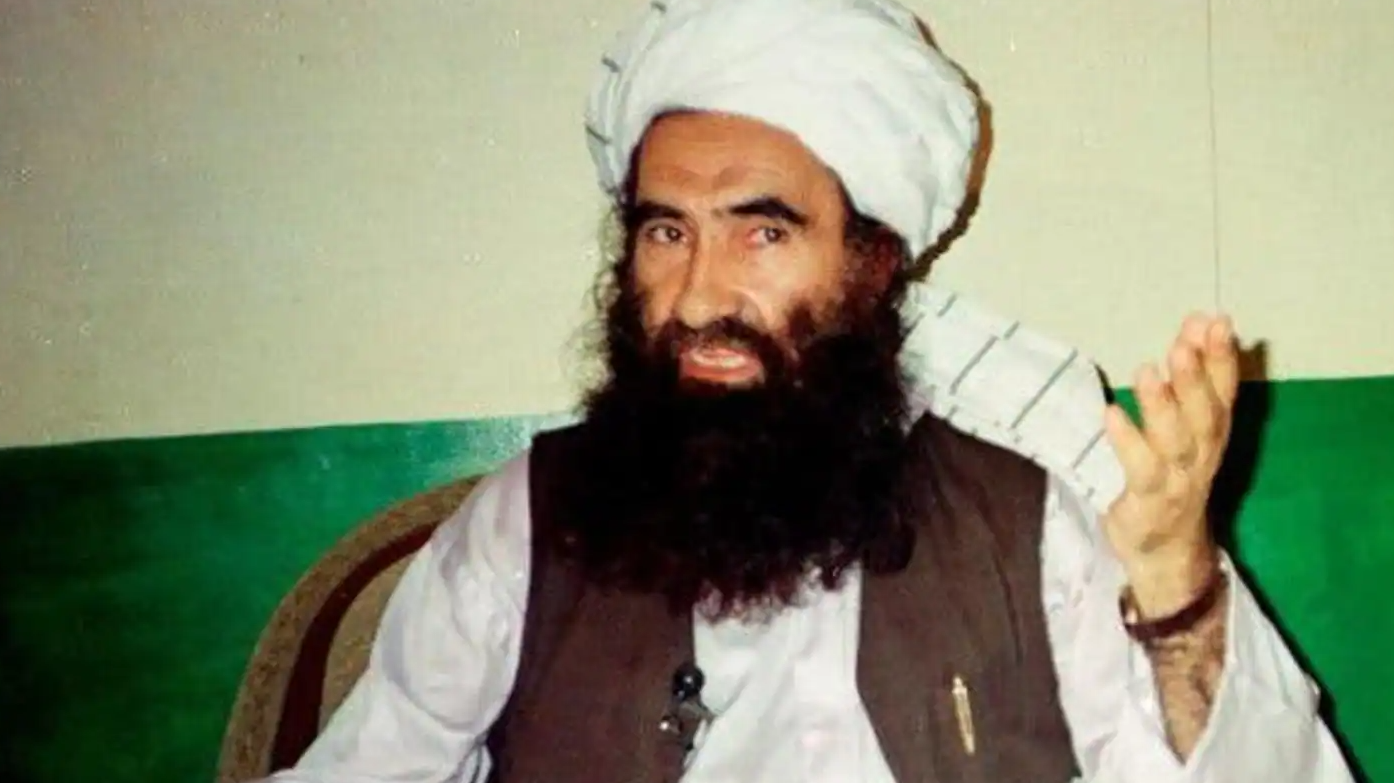
塔利班政府的內政部長哈卡尼。來源:CNBC
我認為有一些更大的挑戰,作為對今天討論的補充。內政部長哈卡尼是一個被認定的國際恐怖分子,根據聯合國安理會的多個報告,他與基地組織有長期的直接聯繫。這一直是個問題,我認為這將是考驗塔利班政府合法性的一個持續問題。
最近,一些跨國公司對塔利班沒有明確透明的或公平的司法系統深表關切,塔利班體系是基於對伊斯蘭教法的極端解釋。由一個對伊斯蘭教法進行極端解釋的政治力量來管理國家的話,想要創造一個支持或有利於企業和外國直接投資的環境將是非常困難的。
我認為我們將繼續看到外國公司的顧慮,他們希望在一個司法系統中運營,但這個系統目前幾乎沒有發揮作用,而且無法透明地調解糾紛。回顧90年代的塔利班政府,那可謂當時世界上表現最差的政府,無論是用世界銀行關於治理、腐敗、還是不良治理等若干領域的標準衡量,他們都是失敗的。因此,我認為塔利班在治理方面會面臨一些重大挑戰。
但我確實認為,從積極的角度來説,在一些重要的領域,中美是可以合作的。在人道主義救援領域,我非常同意周波大校的觀點。阿富汗人正在受苦。他們會繼續受苦。其中一部分與塔利班政府的無能有關。
但這並不意味着阿富汗人應該受苦,國際社會應該對阿富汗國內流離失所者、難民和其他人給予支持,這是很重要的。打擊毒品的行動是一直需要的。鴉片是阿富汗目前最大的出口商品,塔利班與毒品貿易長期關聯,這是他們在過去20年中最大的收入來源。我們有必要繼續與販毒、生產、種植和販運罌粟的行為作鬥爭。
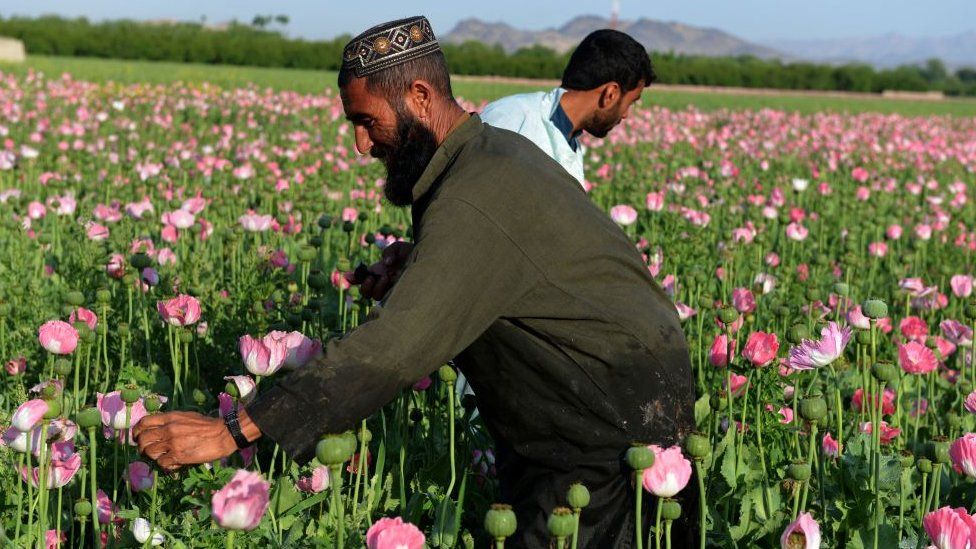
阿富汗長期以來一直與毒品聯繫在一起 來源:BBC
最後,還是有必要繼續打擊阿富汗境內和更廣大地區的恐怖組織,阿富汗正在成為全球恐怖主義的核心和中心。正如美國情報部門所警告的,我們已經看到伊斯蘭國的襲擊重新抬頭,伊斯蘭國、呼羅珊省(呼羅珊省是伊斯蘭國在當地的分支機構)和基地組織,可能在2022年擁有對外行動能力。此外,有些團體,如穆罕默德軍和虔誠軍,以及周波所提到的極端維吾爾族團體在該國活動。
因此,阿富汗薄弱的政府,一個可能失敗的政府,很有可能將成為國際和地區恐怖組織的安全避難所。我認為有必要在情報共享方面進行合作,然後對這些團體採取行動,在阿富汗問題上中美有共同利益和共同合作的途徑。
**林洋:**非常感謝賽斯不僅討論了阿富汗國內權力分散的問題,而且還討論了巴基斯坦的影響,最後談及了周波大校提供的建議。現在讓我再次邀請周波大校,請他來回應賽斯的論點,或補充自己的立論。
**周波:**謝謝林洋,謝謝瓊斯博士。我很高興你在演講結束時談到了中美可以並如何在諸多方面進行雙邊合作,我更高興你提到了反恐情報合作。實際上,我之前漏講了一點,我們還可以共同幫助阿富汗進行文化保護,比如歷史遺蹟。這些領域都是毫無爭議的,也是有用的。
但對你所説的中國最有可能通過巴基斯坦影響阿富汗的説法,我有不同看法。是的,我不這麼認為。你詳細解釋了巴基斯坦如何影響喀布爾,這我完全同意。但毋庸置疑的是,中國能提供很多伊斯蘭堡無法提供的東西。
例如,中國是一個大國,是聯合國安理會五常之一。在政治上,中國都有能力推動解除制裁,以及與安理會其他四個常任理事國進行其他協商,而這都不是巴基斯坦能幫得到的。
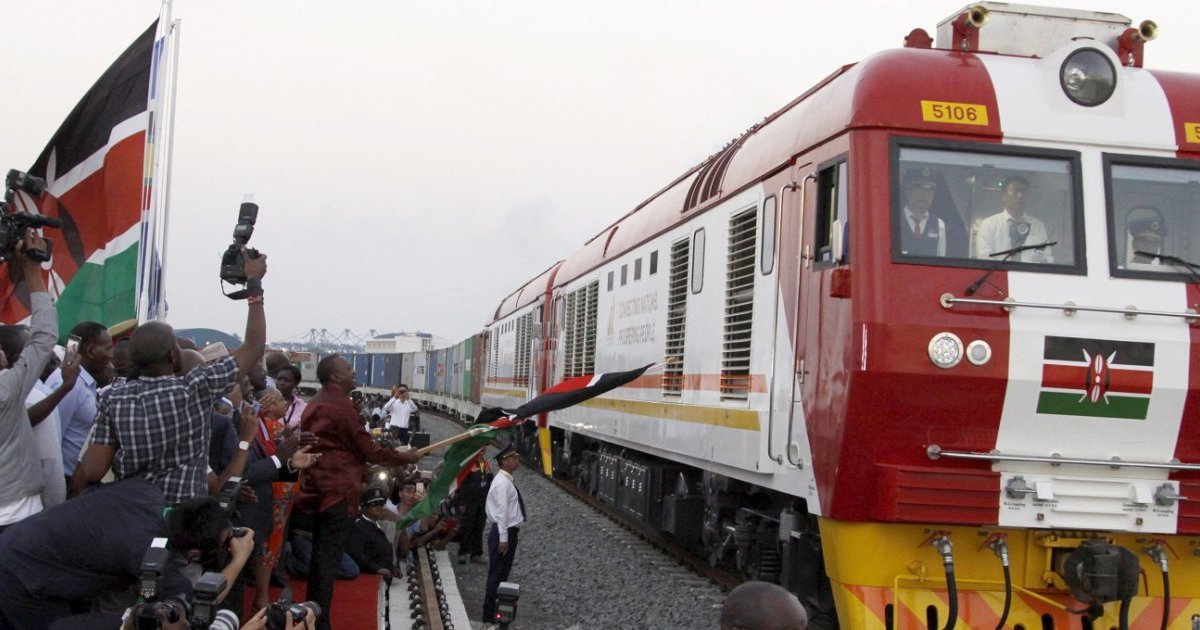
2017年5月,人們在肯尼亞蒙巴薩慶祝蒙內標軌鐵路的開通。來源:人民日報
在經濟上,中國也可以極大地幫助阿富汗,中國是基礎設施建設能力最強的國家,也是世界上最大的工業國家。因此,在所有這些方面,中國都可以極大地幫助阿富汗。
關鍵的是,中國在幫助阿富汗的時候沒有自己的特殊利益,我們絕不會把阿富汗作為傀儡對待。中國與歷史上所有的侵略者不同的是,所有這些侵略者都是帶着槍彈來的,而中國是帶着造路建橋的藍圖來的。誰不想要造好路?誰不想要建大橋?這些東西一定會受到阿富汗所有人的歡迎。
還有一點我也不同意,如果阿富汗破產了,你説這與國際援助沒有太大關係,我確信拜登政府負有重大的道德責任,但拜登政府會發現自己處境極度艱難。如果阿富汗人正在死亡,而阿富汗人的錢卻在你手裏,那麼人們可以自然得出阿富汗人因你而死的結論。
美國為什麼不把錢還給他們?而是眼睜睜地看着他們死?這就是我所説的再生災難,這比美國從阿富汗撤軍的災難後果更嚴重。這就是為什麼我們需要儘快解決這個問題,時不我待,我們必須抓緊行動。
**林洋:**謝謝周波大校激情洋溢的思辨,現在我們有請賽斯進行快速反饋,然後進入問答環節。
**賽斯:**毫無疑問,包括中國在內的很多國家都可以向阿富汗提供援助。回顧阿富汗的歷史,在過去20年裏,我們可以看到日本、韓國、美國、歐洲提供援助。這會持續下去。中國在很多方面會提供一些幫助。但坦率地説,我們沒有看到中國提供大量的援助,更達不到過去20年美國在道路建設、衞生健康等方面數十億美元的捐助水平。
我想指出的是,如果我們看看過去20年的一系列指標,阿富汗的社會狀況要比1990年代好得多。多虧了大量國際援助,阿富汗衞生健康狀況從1990年代開始明顯好轉,教育得到改善,識字率明顯提高。如果看國際貨幣基金組織和世界銀行的數據,阿富汗在經濟、衞生、教育領域都得到了顯著改善。
這要歸功於體量很大的國際援助。而中國到目前為止還沒有表現出提供任何接近這些援助體量的意願,我也不確定中國會不會願意提供。這意味着想要阿富汗至少維持目前的衞生和教育的關鍵指標,需要做兩件事:
第一,不僅是中國,多國政府都需要提供援助,尤其是人道主義援助。我再強調一遍,我們的確看到中國説要提供援助,但還沒有看到它實實在在出很多錢。第二,我認為很重要的是,即使有國際援助,我們已經發現塔利班治理的一些重大問題。我們看到阿富汗各地發生有針對性的暗殺,阻止婦女和婦女工作的運動。
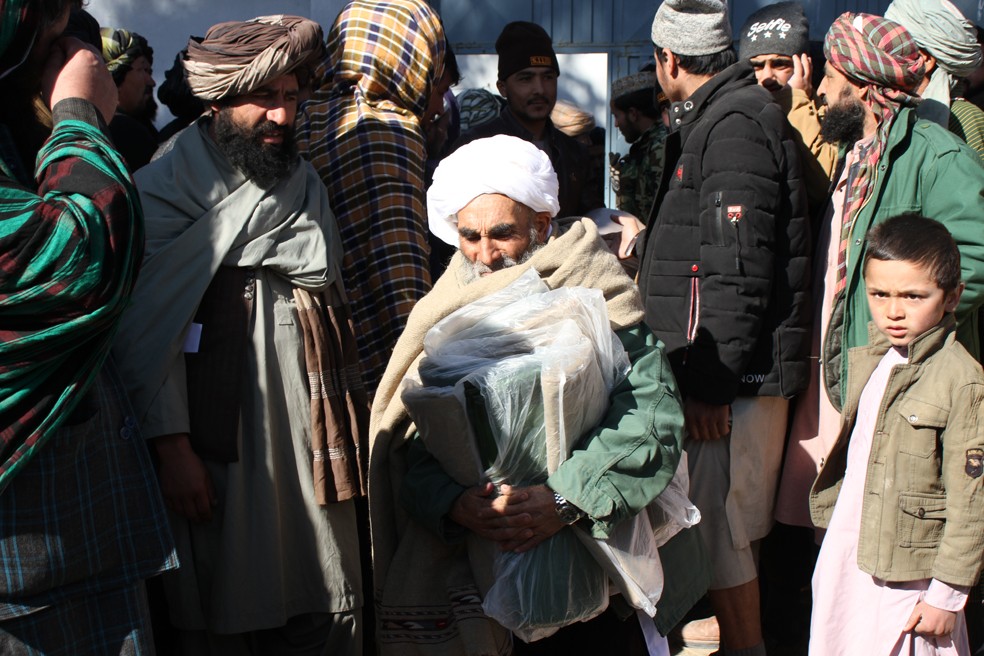
1月10日,在阿富汗北部法里亞布省,當地居民領取中國政府提供的人道主義援助物資。來源:新華社
這些將對經濟產生重大影響。我們沒看到任何形式的成文司法系統,得以讓企業在阿富汗正常運作。此外,塔利班政權,包括其內政部長,和一個外國恐怖組織—基地組織關係非常密切。這些都將是無法解決的大問題。我認為周波大校低估了塔利班在有效治理方面的能力和問題的嚴重性,所以,解凍阿富汗的國際資金無濟於事。
正如我們所看到的阿富汗政府內閣中,沒有女性高官,幾乎沒有專業人士。理國家的是在過去20年中沒有任何政府管理經驗的宗教領袖。
如果想重建阿富汗,關鍵不在於解凍國際資金,而是在於塔利班建立治理能力。阿富汗因為有着薄弱中央政府的歷史,建立有效的治理將是塔利班所面臨最大的挑戰。這和解凍世界銀行、國際貨幣基金組織、美國和歐洲的資金無關。我認為最大挑戰是建立一個有效的政府系統。
換句話説,歸根結底,我認為外國影響力與其提供的資金數量無關。毫無疑問,中國能比巴基斯坦向阿富汗提供更多的資金。但現實是,塔利班高級領導人與巴基斯坦之間有着深厚的歷史和現實聯繫,這就是現狀。
每一位現任塔利班領導人,他們過去20年裏都住在哪裏?他們的孩子在哪裏長大?一直都在巴基斯坦,而巴基斯坦擁有大量支持阿富汗的普什圖人。
所以我認為現實情況是,現在是伊斯蘭堡政府信任塔利班,確認塔利班的合法性,並予以支持和理解,而不管塔利班政府運作地多麼糟糕。80年代是如此,90年代是如此,新世紀以來亦是如此,我們已經見證了40年來巴基斯坦成功地影響着阿富汗。
我認為除了巴基斯坦,沒有任何國家能強有力地影響阿富汗,不然就是誤解了阿富汗、該地區以及塔利班內部的權力動態。
讓我再次回到核心問題,以上問題都不應阻撓我們在阿富汗尋找合作。我曾公開辯稱,美國離開阿富汗是一個錯誤。我認為美國未來不提供額外援助也是錯誤的。美國可以也應該與中國以及該地區其他政府進行多方法和多領域的合作,比如人道主義、反毒、甚至反恐等大家共同關心的領域。
**林洋:**現在讓我們進入問答環節。我先向周波大校提一個問題:之前賽斯提到了阿富汗境內出現恐怖組織的報道很多,我們也看到伊斯蘭國呼羅珊分支(ISIS-K)越來越多地來針對中國。今年10月,我們看到一名“伊斯蘭國呼羅珊分支自殺式襲擊者”在阿富汗的一座清真寺炸死60人,我想了解你對這一信息在北京引起的反應,這可能會對中國參與阿富汗事務的意願產生怎樣的影響?
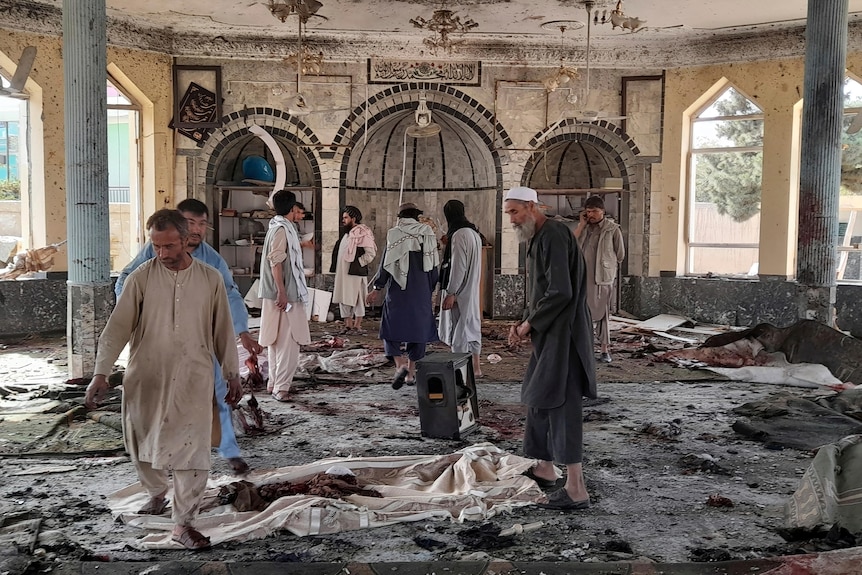
“伊斯蘭國呼羅珊分支自殺式襲擊者”在阿富汗的一座清真寺炸死60人。來源:ABC
**周波:**這是一個非常好的問題。正如我剛才的回答一樣,我想先回應一下瓊斯博士。基本上,這不是一個我們多麼喜歡塔利班的問題。而是因為現在他們已經掌權,不管大家喜歡與否,現在沒有其他政治力量能夠去推翻塔利班。我理解你所説的喀布爾與伊斯蘭堡關係有多鐵,這一點我完全沒有異議。
關於林洋的問題,阿富汗有“東伊運”(ETIM),這就是為什麼我們希望塔利班去遏制那些反華恐怖組織。實際上這些恐怖分子通過中阿邊境的瓦罕走廊潛入中國的幾率很小,因為地理環境異常惡劣,中阿邊境地勢陡峭,阿富汗人從中阿邊境進入到中國一側非常非常困難。
但正如我剛才所舉的例子,整個“東伊運”仍然可能蔓延到中國。所以我們對阿富汗政府的態度是非常明確的,因為這是中國的核心關注。因為這些恐怖組織人數有限,實際上只有幾百個,所以塔利班政府應該有充分的能力控制甚至完全消滅這些人。
**林洋:**我看到有幾個中巴關係問題要問賽斯,也許我可以先問賽斯,然後如果周波大校想補充的話可以進行發言。大家普遍的問題是,賽斯,你認為巴基斯坦很可能是阿富汗問題上最強大的外部行動者,但聊天框中有許多人都指出,中巴關係非常密切。那麼您認為巴基斯坦在多大程度上願意與中國在阿富汗問題上展開合作?巴基斯坦希望在多大程度上維護其在阿富汗的影響力?
**賽斯:**這是非常好的問題,我認為這個問題切中要害。首先,巴基斯坦有自己的利益,就像每個國家向塔利班提供援助和在阿富汗開展行動都有自己的利益。這就是我之前談到的雙重擠壓與戰略深度。
歸根結底,巴基斯坦的主要敵人是印度,正如我們在過去20年所看到的那樣,巴基斯坦和印度的邊界很長。通過與巴基斯坦外交部、國防部、總理和總統辦公室以及三軍情報局的高級官員談話,我知道他們一直對阿富汗前政府非常不滿,因為前政府也一直支持並與印度建立了戰略關係,現在顯然已經變了。塔利班是巴基斯坦的盟友,所以説到底,我認為巴基斯坦將出於自身利益繼續支持塔利班,使其成為抗衡印度的力量。
2021年9月5日,巴基斯坦三軍情報局局長法伊茲·哈米德在喀布爾會見阿富汗前總理,討論組建聯合政府。來源:今日印度
但是,與中國合作的機會的確存在,我認為中國希望塔利班做的任何事情,一般來説必須藉助巴基斯坦。我並不是説中國不能直接聯繫塔利班領導人,中國可以。
但如果想要成功,中國就必須與巴基斯坦合作,巴基斯坦是塔利班最重要、最親密的盟友和老朋友。當然,巴基斯坦和塔利班關係也存在緊張和摩擦,這種關係並不完美。
我認為中巴關係最大的挑戰在於塔利班,因為塔利班將在多方面陷入困境。它在治理方面一直非常糟糕。我知道阿富汗可以通過各種方式來推動“一帶一路”倡議。但我認為治理的問題將是長期的。
任何阿富汗的中央政府都很孱弱,塔利班將難以應對在其領土上活動的恐怖組織。阿富汗領土並不那麼廣大,然而歷史上,這些恐怖組織紮根在難以控制的山區中,以及可能支持這些激進組織的當地部落或者亞部落部族中。
所以我認為在過去的一個世紀裏,沒有任何阿富汗政府能夠有效地處理在其邊境內的激進組織。我認為,當塔利班無法清除這些恐怖組織時,北京和伊斯蘭堡的關係會變得緊張。而對一個政府力量薄弱的國家來説,這又是一個非常艱鉅的任務。
另一個問題是,塔利班面對的治理挑戰越多,經濟問題也就越多,我也就越擔心該國的暴力、叛亂和內戰。目前塔利班能夠暫時控制阿富汗,但之前的阿富汗政府也一度可以,隨後事情惡化,出現了腐敗、治理和經濟問題,然後就會出現反抗。
就像我之前提到的第二點,這不是一個價值性的評論,這就是現狀,是現實主義的評論,也是阿富汗的歷史。印度人很可能會向在阿富汗北方活動的聯盟團體提供援助,伊朗將繼續向阿富汗西部、中部和北部的團體提供援助。
因此,反塔利班的組織將獲得援助,尤其還是在塔利班存在治理和經濟問題的情況下,我認為這將使任何像“一帶一路”這樣的長期倡議變得困難。在政府薄弱的情況下,很難建立安全體系,而類似馬克斯·韋伯的的安全概念—在一個地區壟斷暴力、合法暴力,這就是我所看到的挑戰。
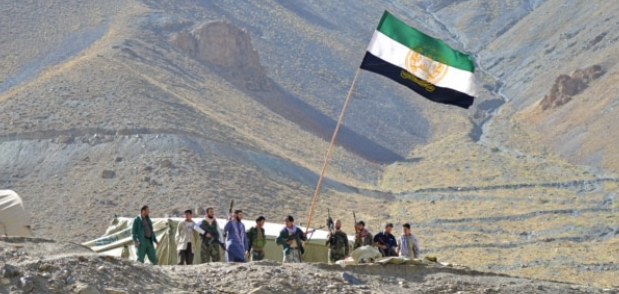
2021年8月27日,阿富汗抵抗運動和反塔利班部隊在山頂上站崗。來源:BBC
**林洋:**謝謝賽斯。周波大校,如果您想就中國如何通過巴基斯坦影響阿富汗發表見解,或者你想論證中國不需要這樣做,我記得您確實提出了這個論點,您可以談談中巴關係。
**周波:**上世紀90年代初期,當我剛到現在的國際軍事合作辦公室工作時,我接待了一個巴基斯坦代表團。我仍然記得他們國防部長説的話。他説巴基斯坦人幾乎在所有問題上都有分歧,但是中巴友誼除外。中巴關係被巴基斯坦官方稱為巴外交政策的基石,所以中巴之間不會有大問題。我們樂見巴基斯坦與阿富汗關係良好。敵人的敵人有可能是朋友,但朋友的朋友肯定是我的朋友。
我其實認為國際社會對美國的態度有些爭議,就是美國所有條件背後的真實動機是什麼?如果説內政部長必須下台,女孩必須上學,女性必須工作才給援助,這些都不是大問題。
具體難點是什麼?這些真的是難題嗎?我有時認為是因為美國以如此屈辱的方式離開了阿富汗,所以你們就以牙還牙羞辱塔利班,否則就説不通了。他們為什麼只説不做?塔利班在治理方面的確存在很大問題,但這些事情可以改善。再説,就算你不喜歡,還有誰能代替塔利班呢?
的確,恐怖分子有各種派系,有的甚至通婚,有的還是朋友,這些我們都知道,但目前沒有其他政治力量可以取代塔利班。考慮到發生的人道主義危機情況,我們需要真正考慮對阿富汗人民的人道主義援助。
即使情況變糟,比如你説的內戰,中國仍然可以提供幫助。因為如果需要維和,那麼中國可以派維和人員。中國目前在全球約有2500名維和人員,此外還有一支8000名的維和待命部隊。如果阿富汗需要維和部隊,那麼它會最信任誰呢?當然是中國,因為中國從來沒有入侵過阿富汗。所以即使我們最不想看到的和最不幸的情況發生,中國仍然可以幫助阿富汗。
再談談“一帶一路”,如果一個國家不想加入“一帶一路”,這真的重要嗎?我覺得沒那麼重要,因為“一帶一路”是基於自願的。如果印度不想加入“一帶一路”,那也沒關係。但我相信阿富汗真的想加入,因為塔利班提過。“一帶一路”進入阿富汗,我們仍然會遇到來自不同派系、有些是恐怖組織這樣的困難,就像我們在巴基斯坦遇到的那樣。巴基斯坦對中國是友好的,但仍然有“俾路支解放軍”這樣的團體出於各種目的襲擊中國人。
但是,巴基斯坦政府心裏清楚,“一帶一路”對他們來説是幾十年來的天賜良機,因此他們必須確保“一帶一路”項目取得成功。誰不想要一條好路呢?所以我不是在排斥這些問題,但我認為拋開所有這些問題,中國的“一帶一路”倡議仍然會取得成功。因為中國是在處理國家建設最根本的問題——修路和建設良好的基礎設施。這樣的寶貴經驗來自於改革開放以來中國自身的發展歷史,正是通過道路建設,我們才過上了更好的生活。
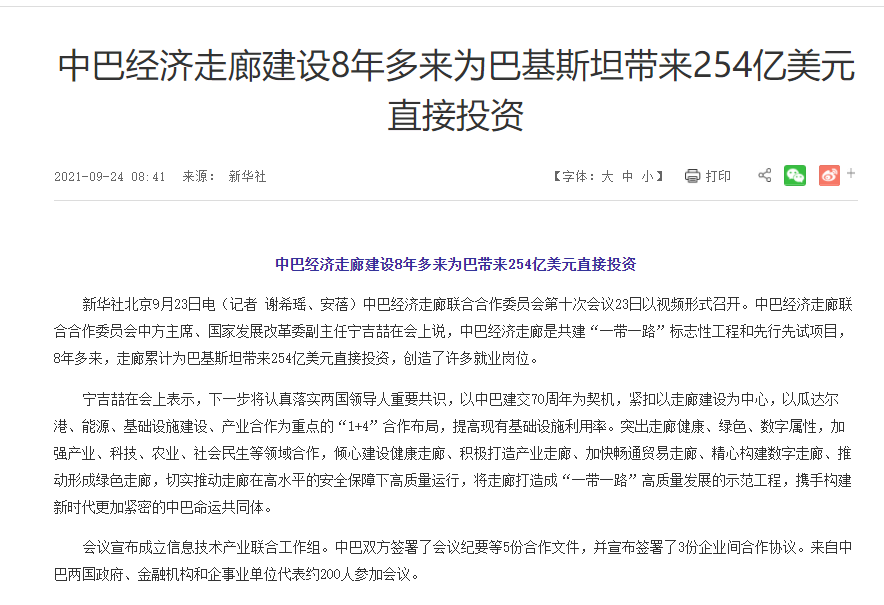
中巴經濟走廊建設8年多來為巴帶來254億美元直接投資。來源:新華社
**林洋:**感覺我們再來一個小時的討論都可以,雙方都充滿激情,也非常有見地。但遺憾的是我們的時間有限,就請賽斯和周波大校用30秒來簡短總結一下你們的核心觀點,先有請賽斯。
**賽斯:**我想以雙方達成共識的論點收尾。我們可能對塔利班政府及其合法性有些分歧,但我認為雙方都強烈同意的是中美進行更廣泛的國際援助合作很重要,以儘量減少阿富汗人民的痛苦。
阿富汗人民沒有選擇塔利班政府,阿富汗沒有選舉。這是一個靠軍事力量奪權的政府。無論如何,你不能責怪阿富汗人民。從這個意義上説,我們現在看到的阿富汗的苦難會持續,這會是一個非常寒冷和黑暗的冬天。
我們所有人,包括美國、中國和其他國家,都可以攜手救阿富汗人民於水火之中。他們不應該受苦。我們沒法結束所有的苦難,但我認為我們至少可以向阿富汗人提供一些援助,比如食物、毯子、藥物和其他援助,來減輕他們的苦難。
**周波:**我完全同意瓊斯博士所總結的。第一,我希望這會是中美合作的又一個新領域。我之前忘了説了,其實中美過去在阿富汗問題上有過很好的合作,我們共同培訓過外交官和技術人員。這是過去成功的合作,我們為什麼不繼續下去呢?
第二,正如賽斯所説,我認為我們不應該因為塔利班而懲罰阿富汗人民。我們無法改變塔利班已經掌權的現實,但是我們不應有意或無意地懲罰阿富汗人民。讓我們攜手幫助阿富汗人民,因為凜冬將至。
**林洋:**謝謝賽斯和周波大校非常積極的收尾評論。
翻譯:李澤西、湯卓筠
核稿:韓樺
China’s Power Up for Debate 2021
Bonny : Good morning, welcome to the 2021 China Power conference. I’m Bonny Lin, director of the China Power Project and senior fellow for Asian security at CSIS. Thank you for joining us today. Our debate topic focuses on Afghanistan, in particular whether China will establish itself as the most influential external power in Afghanistan within the next two years.
Following the United States’ withdrawal from Afghanistan, China has taken measures to support the new Taliban controlled government. China has maintained its embassy in Kabul, held high level meetings with the Taliban and regional leaders on the future of Afghanistan, and called upon the international community to work with the Taliban in a rational and pragmatic matter.
At the same time, China has donated one million doses of Covid-19 vaccines and is stepping up efforts to deliver about $31 million in emergency humanitarian assistance for Afghanistan. Beijing intends to provide another $5 million worth of food assistance.
As China is engaging in these activities, there is significant debate on China’s goals for Afghanistan. Some experts posit that Beijing seeks to pull Kabul into China’s geopolitical orbit, while others suggest that China hopes to integrate Afghanistan more deeply into the Belt & Road initiative, or maybe even extract Afghanistan’s mineral deposits.
Beijing is widely believed to want the Taliban’s cooperation on national security issues, such as rooting out the East Turkestan Islamic movement, which Beijing considers a significant terrorist and separatist threat in Xinjiang.
However, others doubt that China wants to secure a significant political and economic foothold in Afghanistan due to regional instability, previous failed economic partnerships and potentially even China’s own desire to keep Afghanistan at arm’s length.
Today’s debate is on the proposition: “Within the next two years, China will establish itself as the most influential external power within Afghanistan”. Let me now move on to introduce our two speakers. So, we are very delighted to have with us two excellent speakers debating both for and against this proposition.
Arguing for the proposition is Senior Colonel (retired) Zhou Bo, a senior fellow at the Center for Strategy and Security at Tsinghua University and a China forum expert. Senior Colonel Zhou started his military service in 1979.
He served in different posts in Guangzhou air force regional command. From 1993, he worked successively as staff officer, deputy director general of West Asia and Africa Bureau and then deputy director general of general planning Bureau of the foreign affairs office of the Ministry of national defense of China.
He was also the Chinese defense attaché to the Republic of Namibia and director of the Center for Security Cooperation in the Office for International Military Cooperation, Ministry of National Defense.
He has published more than 100 essays and opinions in English. Senior Colonel Zhou Bo also speaks as a PLA delegate at the Shangri-la dialogue in Singapore and at the Munich Security Conference, and is a supervisor to foreign postgraduate officers at the PLA national defense University.
We’re also delighted to have with us today arguing against the proposition Dr Seth Jones, senior vice president, Harold brown Chair and director of the International Security Program at CSIS. Dr. Jones leads a bipartisan team of over 50 resident staff and extensive network of non-resident affiliates dedicated to providing independent strategic insights and policy solutions that shape national security.
He also teaches at the Johns Hopkins University School of Advanced International Studies and the Center for Homeland Defense and Security at the US Naval Postgraduate School. Prior to joining CSIS, Dr Jones was the director of the International Security and Defense Policy Center at the RAND Corporation.
He also served as a representative for the Commander of U.S. Special Operations Command and to the Assistant Secretary of Defense for Special Operations. Before that, he was a plans officer and advisor to the commanding general US special operations forces in Afghanistan.
So thank you both for taking the time to join us this morning. So, first, let me turn to Senior Colonel Zhou Bo for his initial presentation on why China will become the most influential external power within Afghanistan.
Zhou Bo:
Thank you, Bonny, and good evening from Beijing. Well, this is a good question whether within the next two years China will establish itself as the most influential external power within Afghanistan. Let’s assume, if it is not China, then who else can it be? The United States has gone. Russia has a battered record in Afghanistan and its economy is just one-ninth or one-tenth of that of China. India, of course, wants to come in, but because of the Taliban’s strong ties with Pakistan, Pakistan does not want India in for two reasons.
First, Pakistan always takes Afghanistan as its strategic depth, and secondly, it will try its best to minimize the influence of India in Afghanistan. Therefore, China’s role as a direct neighbor and the second-largest economy would certainly be helpful.
Besides, I believe that China has two unique advantages in Afghanistan. One is political impartiality, the other is an economic investment. At the first, Afghans do not have bad memories of China, be it in Tang Dynasty over 1000 years ago or now between two countries. Unlike those invaders that came from afar to invade Afghanistan, China is a close neighbor which has never invaded Afghanistan.
So even today, China’s still among the few countries to keep its embassy open in Afghanistan, even though Beijing has not yet officially recognized the Taliban government. This does not mean that China has any special love for the Taliban, because China’s position on the Afghan issue before and after Americans’ pullout is the same, and it is in line with the international community.
We in China consider the Afghan issue not something about geopolitics or big power wrestling. It’s more about humanity and humanitarian care. We, like the international community, with the Taliban government could become moderate, open, and inclusive. Of course, we also wish they can make a clear break away from terrorist groups. China has a special concern, as Bonny mentioned just now, for the East Turkestan Islamic movement that aims to destabilize Xinjiang. We wish the Taliban will honor its promise that it won’t allow anyone or any force using Afghan territory to harm China.
Now let me talk about a second unique advantage of China, which is an economic investment. Even in China, from time to time, we would have people talking about how China should be cautious or China should not be overly optimistic.
But I think somewhat differently because it’s not a question of whether China should enter into Afghanistan or not. China was already there in Afghanistan even during wartime.
China is the third-largest trading partner of Afghanistan after only Pakistan and Iran. Chinese products are highly competitive in Afghanistan. And in Afghanistan, there are big Chinese companies, which are among the top five hundred largest companies in the world, like Huawei, ZTE, China Railway Engineering Group Limited, China metallurgical group corporation, and China national petroleum company.
These companies have been there for quite some time. Besides, China’s capability in infrastructure building and industry is next to none. And these are badly needed for a war-torn country, a country where industry capability is next to zero.
And this is also what the Taliban wants. In their official statements, the Taliban have expressed time and again that they would welcome Chinese companies to invest in Afghanistan. And even before its takeover of Kabul, the Taliban has promised to protect Chinese investment in Afghanistan.
Of course, the security issue is crucial for massive Chinese investment. But simply speaking, isn’t Afghanistan now safer than during wartime? Of course, it is. There’s a bigger background, the whole of China’s Belt & Road initiative, to a great extent, overlaps with the so-called “Arc of instability” on land. The arc of instability starts from the southern Sahara, it goes through the Caucasus mountains and lands finally somewhere in Southeast Asia. And this is exactly how China’s Belt & Road initiative on land is unfolding.
Besides, Afghanistan also has what China needs, for example, the $1 trillion untapped mineral deposit, including critical industrial metals such as lithium, iron, copper, and cobalt.
Actually, in November, representatives of five Chinese companies obtained a special visa from the Taliban government to have an onsite inspection of potential lithium projects. So this is a good example of how Chinese companies might further explore the market of Afghanistan.
One of China’s long-term strategic investment plans is the Belt & Road initiative, and Afghanistan until now has been an attractive but missing piece of the enormous puzzle. If China were able to extend the Belt & Road from Pakistan through to Afghanistan, for example, with the Peshawar to Kabul motorway, it would open up a shorter land route to gain access to markets in the Middle East.
Although China has its unique advantages but does not count on China to fill in the black hole left by the United States. I do not consider China would be the first country to recognize the Taliban. But I believe the international community should help Afghanistan to become a normal country because that would be most conducive to peace and stability of the country and is also conducive to the security and the stability of the whole region.
If the Taliban government becomes paralyzed, then Afghanistan would be plunged into more serious chaos. Currently, the situation is already very much dire. In this winter, nearly 23 million people, which means more than half of the population, might have a problem of food insecurity. This country is confronting one of the worst droughts in decades. According to the United Nations, Afghanistan’s wheat harvest is expected to be as much as 25% below average this year.
Then how can we solve all these problems? My answer is very simple——Give the Taliban a chance, let them honor their promise of being inclusive and open. This is the most realistic approach. Why? Because unless there is serious internal conflict within the Taliban, the Taliban regime will maintain its rule for a long time to come because there are no other political or military forces that can counterbalance the Taliban.
If the Taliban government stabilizes and practices domestic or foreign policies that are not extreme, then for all the countries in the region, it’s only a matter of time as to when to recognize the Taliban government, because we have to face the reality. But I believe the Taliban government should have learned something from the 1990s when they took power. At least they said the right things. They’ve promised to be open and inclusive, to let women go to work and let girls go to school. The only problem is they have yet to fully realize their promise.
Now let me talk a bit about what the United States should do, what China and the United States can do, and what the United Nations can do.
Now the United States has withdrawn, but still, the United States cannot leave Afghanistan completely. First, this is a moral issue. The “forever war” of the United States in Afghanistan had devastated this country. So it is immoral for the United States just to leave. Biden’s slogan is “build back better”. But why shouldn’t the United States build back Afghanistan better? The White House has announced that the United States plans to make its first investment in overseas infrastructure projects as part of the G7’s “build back better world” initiative in January. But it seems that given all the countries I mentioned in the tour of national security advisor Daleep Singh, Afghanistan is not among the countries on his recent “listening tours”.
Second, I believe the Biden administration must race against time to de-freeze Afghan liquidity and overseas assets and lift unilateral sanctions because the window is closing. According to New York Times, aid groups say this winter one million children might be starved to death. When I read this figure of one million, I thought of the Rwanda genocide in 1994, which reportedly killed 800,000 to one million people. Of course, we shall see how true that it is. But even if 1000 children die, let alone one million, it will be more humiliating than US catastrophic withdrawal from Afghanistan. It will be another catastrophe on the moral ground and image of the United States. Why? Because when Afghans are dying, their money that should have been used to save lives is still in American banks, and the American government simply would not give it back to Afghans. The Federal Reserve in New York holds about seven billion US dollars from the previous Afghan government. The World Bank holds 1.5 billion US dollars in trust for Afghanistan. Afghanistan’s economy depends on aid, with grants financing approximately 75% of public spending, and international donors accounted for 43% of its GDP. Since the Taliban takeover, banks are running out of cash, and even those with savings are unable to access the funds. This is a miserable situation.
Now, can China and the US cooperate bilaterally or multilaterally to solve this problem? China and the United States are the largest and second-largest economies that have special responsibilities for world peace and stability.
Cooperation in Afghanistan actually might help this relationship which is extremely complicated and ever-competitive between China and the US. And we do have a lot of things in common on the issue of Afghanistan.
Neither China nor the United States wishes to see Afghanistan sliding into a civil war, both of us support a political solution that is Afghan-led and Afghan-owned, and both of us hope the Taliban would become open and inclusive.
When Chinese Foreign Minister Wang Yi spoke to Secretary of State Anthony Blinken in August, he said China stood ready to work with the United States to push a soft landing of the Afghan issue. What does a soft landing mean? I assume that means to let the situation calm down.
But to let the situation calm down, you need to provide blood transfusion to Afghanistan which relies on a blood transfusion from international donors for the fund. So that is why we in China call for defreezing Afghan liquidity, overseas assets, and lifting unilateral sanctions.
When Deputy Secretary of State Wendy Sherman visited China, she mentioned about one area of cooperation that is counter-narcotics. That is good because China is also a victim of narcotics and Afghanistan produced some 80% of the world’s opium.
But think about this: if the Taliban doesn’t have international assistance, if the Taliban cannot get back the money from American Federal Reserve, then drug is still very important for the survival of this government because they have no other resources. Then China and the United States can’t cooperate on counter-narcotics.
And finally, how could China and the United States promote cooperation among the five permanent members of the UN Security Council? I believe the five permanent members of the UN Security Councils should quickly come into consultation and make explicit requirements over the Taliban for conditions of uplifting sanctions.
Because this Afghan issue is unlike the Iranian nuclear issue or DPRK nuclear issue, it’s much easier to resolve. Why? Because the international community’s requirements on Taliban are the same: to become open, moderate, and inclusive.
China and Russia’s approach are somewhat different from those of the United States, France, and the UK, but our attitudes are the same because we want the same thing. So if our attitudes are all the same, and the only difference is the approaches, then we can come to discuss.
For example, could we just lay down clearly what we need the Taliban to do immediately? Could we ask them to have some woman ministers? Could we ask them to let the women go to work or ask the girls to go to school? Because so far all that I heard are mostly things like this. And I believe such things are not so difficult. If you tell the Taliban these are the conditions for you to have money back, I believe immediately they would agree, because these are the things they have promised. So now we should lay down specific conditions for them to honor, and I believe it’s possible. Let me stop here. Thank you.
Bonny :
Senior Colonel Zhou Bo, thank you very much for your comprehensive remarks, looking not only at why China should be interested in Afghanistan, but also laying out recommendations for what China can do, what the United States can do and what the international community can do. So with that, let me turn the floor to Dr. Seth Jones, and then afterwards we’ll go into the rebuttals. So Seth, over to you.
Seth :
Thank you very much, Bonnie for moderating this. And thank you very much, Senior Colonel Zhou for those really good comments on what is, as we will talk about over the next 50 minutes or so, a very difficult situation.
Overall, though, I think there are three main logical and empirical problems with the proposition, and let me treat them. I’ll give an overview first and then go into depth on each of them. First, I think the historical record is clear about Afghanistan, and that is that at its core, it is a weak state with a decentralized social political infrastructure. So in a sense, significant foreign influence writ large is almost an oxymoron.
This is a fallacy, I think, that the British, the Soviets and the Americans really failed in many ways to understand. Second is that because of the weakness of the Afghan state, we talk about the Taliban, but the Taliban’s power and control, as one gets to rural areas of the country, tribal, subtribe, clan areas of the country, Afghanistan has also been, and will likely continue to be at the mercy of multiple regional and global powers that will work with various warlords and strongmen.
And that is, unfortunately, the reality. So there will continue to be intense competition among all of the major powers in the region: India, Iran, central Asian governments, China, Russia and Pakistan for influence in Afghanistan, which will in many ways work against any kind of stability. And I say this not because this is the way the situation in Afghanistan should be, but simply the way that it is.
And then third, if there’s any state that has influence with the Taliban and in Afghanistan, it’s Pakistan. The argument really is that Islamabad in particular holds the vast majority of influence cards in Afghanistan, as it has demonstrated for over 30 years. I’m going to end by unpacking that. And if China has a chance of influence with Afghanistan, my argument will kind of end with: it will be and have to be working by, with and through Pakistan as the main conduit.
So first of all, Afghanistan is at its core, a weak state with a decentralized socio-political structure, and in that sense, influence is something of an oxymoron. Most Afghans reject a strong central government from actively meddling in their affairs, and I remember having a conversation with a tribal leader down in Kandahar in southern Afghanistan, who told me straight up that my first allegiance is to my family, then to my village, then to my subtribe and finally to my tribe, and he continued by explaining that the government in any meaningful way, and this is just as true a government under Hamid Karzai as under Ashraf Ghani as now under the Taliban, plays little meaningful role in the daily life of most Afghans. So the idea that a foreign country like China, let alone the central government itself, can have a meaningful impact throughout the country.
I think, is actually fallacious and actually from that standpoint, even from an anthropological standpoint, misunderstands the power structures in Afghanistan. About two thirds of the country of Afghan Pashtuns belong to some combination of the Ghilzai and Durrani Confederations.
There are smaller elements of the Karlani Confederation in Afghanistan’s eastern and southeastern provinces. But if we look at, say, the Durrani tribes, we’ve got some pro and anti-Taliban tribes. The Popalzai and Barakzai, for example, have generally been anti-Taliban, some of the Ishakzai and some elements of the Nurzai have generally been pro-Taliban.
Among the Ghilzai, we’ve got a number of pro-Taliban tribes such as the Zadran and the Hotaks, and then we have a number of anti-Taliban Ghilzais. We also have a number of ethnic groups in Afghanistan, many of whom have generally not been sympathetic to the Taliban over time, Uzbeks, Tajiks certainly the Shia Hazara and various Turkmen and others.
The point here is that the power structure in Afghanistan is very decentralized, and so this has two implications for our broader discussion. One is it will continue to be a problem for the Taliban, because when one gets outside of provincial capitals, even some district centers, Taliban power even today is very limited, if not nonexistent.
So the ability of even the Taliban to influence what’s going on in the country is severely limited, and it was during the 1990s and we’ve seen it with the respective governments in Afghanistan since 9/11. So even the idea that a foreign government, whether it’s the British, the Russians, the Americans and now the Chinese, can have significant influence in a country that doesn’t even have a strong central government, I think has to be understood.
Make it to my second issue, which is the weakness of the Afghan state historically has been filled by competition by multiple governments in the region, and I think this works against really the ability to influence, certainly by one major power. So if we look at the countries in the region, all of them have provided some elements of clandestine assistance to both governments, that’s the Taliban today, as well as local militia forces, strongmen, power brokers, businessmen.
The Iranians have had significant influence in western Afghanistan, including in provinces like Herat, the Hazaras in central Afghanistan, as well as a number of what we often call this sort of old northern alliance crowd in the North, some of the Uzbek and Tajik power brokers. India continues to have influence among some of that northern alliance group, those that operate out of northern Afghan provinces and cities such as Mazar, Taloqan, we’ve seen Indian intelligence agencies for 30 years provide support to substate actors in those areas.
Central Asian countries, much the same: Tajiks with some of the Tajik community, Uzbekistan with some of the Uzbek communities. In addition, obviously Pakistan has had significant influence with the Taliban and other Pashtun groups operating in parts of eastern, southern and then western Afghanistan as well. So the point here is that we’ve got a lot of powers that have attempted and will continue to influence Afghanistan. But China is not alone, and with a weak state, there sadly are multiple opportunities for other countries to meddle.
And this brings me to my final point, really, about the proposition. And I want to sort of lay out some of the challenges I see with the Taliban regime that have little to do with the ability to get access to foreign aid or to get sanctions uplifted. And the third proposition if there’s any state that has significant influence, it’s not China. As we’ve seen over the past three decades, it’s Pakistan.
Pakistan has a long relationship with militant groups and other non-state actors operating in Afghanistan. It was Pakistan’s leader, General Zia Ul-Haq, who remarked in 1979 to the head of ISI, Pakistan’s intelligence service, Lieutenant General Akhtar Abdur Rahman Khan, that the water in Afghanistan must boil at the right temperature.
We repeat that: the water in Afghanistan must boil at the right temperature. This has been a time-honored statement from senior Pakistan leaders, that Afghanistan sits on Pakistan’s border, and without Pakistan influence among Afghan leaders.
So today the Taliban, there is what senior Pakistan officials said to me when I was in the US government, and even since, talking to senior Pakistan, including ISI leaders, there is a double squeeze on one border, Pakistan has to deal with its long term enmity with India, and on its other border, it has had to deal over the last 20 years with an India that has had close relationships with both President Karzai first and then president Ghani after that. So you see, Pakistan has been caught in a double squeeze for the past 20 years. It has now relief on its western flank. It now has an ally in Kabul that is very important to supporting its strategic depth.
If we look at the 1980s, and I think history is important, Pakistan’s ISI provided aid to the mujahideen, the seven major mujahedeen groups in cooperation at that point with the US and several other governments. In the 1990s, the ISI helped support the Taliban itself. It was there at the foundation of the Taliban, was involved in helping recruit individuals at Madrasas, both on the Afghan and Pakistan side of the border. The Taliban itself was born as an extremist Islamic movement from both Pakistani and Afghan Madrasas, supported by Pakistan.
Pakistan has been influential, extraordinarily influential with the Taliban from its very inception as Gulbuddin Hekmatyar in the early 1990s failed to take Kabul, it was ISI help that was pivotal in providing direct support on the ground, forward deployed ISI and Pakistan Air Force operatives as the Taliban pushed into western Afghanistan, into central Afghanistan and eventually into Kabul and the northern Afghan cities. During the 2000s, after the US-led overthrow of the Taliban regime, what did the Taliban do? They relocated where, not into India, not into China, not into central Asia, not in Iran but into Pakistan.
Their command and control networks, what we call the Rabbari Shura relocated to the areas in and around Quetta in southern Pakistan along the Afghan-Pakistan border. That’s where the senior Taliban, the Rabbari Shura, had its primary committees, from its military Committee to its religious Committee, its finance Committee, all located on the Pakistan side of the border, again in and around Quetta, where Taliban senior leaders, first under Mullah Muhammad Omar, then under Mullah Mansour and then under Akhundzada, the current Taliban leader, brought their families who resided in schools. Pakistan ISI operatives continued to provide close assistance to the Taliban over the course of the 2000s, 2010s and even into early 2021. They sat in the senior Rabbari Shura meetings. They provide multiple types of assistance as the Taliban continued its political and military struggle in Afghanistan.
Pakistan’s ISI provided money that went to Taliban forward deployed forces. They provided intelligence, including Indian activities, intelligence on Afghan government activities, US and others. They provided material, small arms for example. They provided gas and petroleum to Taliban forces for their vehicles, everything from motorcycles to trucks that were used to bring weapons across the border.
But primarily, I think we’ve seen the most important avenue of Pakistan influence has been sanctuary and support over time and over three decades of a close relationship. Now that relationship has been important.
If we look at the Afghan minister of interior right now, from the Haqqani network, Sirajuddin Haqqani, has an interesting long term relationship with both senior Pakistan and ISI officials. He also has a strong historical relationship with al Qaeda, which I’ll come back to in a moment.
So again, I don’t see how anyone could argue anything other than Pakistan’s influence has been paramount over the past 30 years. And even if they’re not the ones that will provide the most assistance, they will continue to have the most influence in an organization that they helped create, helped foster, helped support. When no one else in the world did over the past 20 years, everyone else in the world cut off diplomatic relations with the Taliban, Pakistan continued to provide support. So Pakistan, I think, in that sense will retain the most important influence.
So let me just summarize, and then I want to put a few issues on the table. One is, I think it is important to recognize when we look at Afghans’ anthropological makeup and its history, that at its core it is a weak, what we often call a rentier state, with a decentralized socio-political infrastructure. Foreign influence has always been limited, as has the influence of the central government.
This will be a problem for the Taliban, as it has been for every central government in Afghanistan for at least the past century. And this is a problem, I think, that if it hasn’t dawned on the Chinese and even Pakistan, it should sooner rather than later, because it has been a challenge for the British, been a challenge for the Russians, been a challenge for the Americans. Second, because of the weakness of the state, there will continue to be intense competition from every major power in the region, as well as the Europeans, the US and others outside of that.
That will continue, and I think it is an inevitable undermining of any central government’s power, and it’s about realist balance of power competition. Again, I say this not as a normative statement about what the situation should be in Afghanistan, but what it is and what it has been historically. And third, the argument here is that the one state that has been by the Taliban side has provided aid, understands Taliban leaders, has those personal relationships, is Islamabad, and I think that will continue.
Let me just say a couple other, just very brief remarks about kind of the challenges we face, and then some avenues for US Chinese cooperation. I think the Afghan economy is collapsing for reasons in general that have little to do with the ability to get access to world bank, government or other funding.
And I think there’s some broad challenges just to add to this discussion here, the minister of interior, who I mentioned earlier, Sirajuddin Haqqani, is a designated international terrorist who has longstanding direct ties based on UN security Council multiple reports with al Qaeda. This has been a problem and I think will be a continuing problem for the legitimacy of the Taliban government.
We’ve also seen recently a number of multinational companies express deep concern about what is not a transparent or a fair justice system with no clear laws, it’s one that’s based instead on an extreme interpretation of Islamic law, or sharia; going to be very difficult to create an environment that is supportive or conducive to businesses and foreign direct investment, with an extreme interpretation of sharia that runs the government, and I think we are going to continue to see very serious concerns about foreign companies wanting to operate in a justice system that is barely functioning right now and that cannot transparently mediate disputes.
If we look at Taliban governance during the 1990s, it was the worst performing government in the world during the 1990s and failed at all categories of world bank governance, corruption, poor governance in a number of areas. So I think there are going to be some big challenges in what the Taliban generally can do. But I do think to end on a positive note, I think there are areas of cooperation that are going to be important for the US and China. And I strongly agree with Senior Colonel Zhou on areas of humanitarian assistance. Afghans are suffering.
They will continue to suffer. A chunk of it has to do with what it looks like anyway is a poorly functioning Taliban government. But that does not mean that Afghans should suffer without US Chinese and other assistance. That should be support to internally displaced persons, refugees and others.
That support from the international community is important. There is a continuing need for support to combat counter drug operations. Opium is the largest export commodity of Afghanistan right now, and the Taliban has longstanding drug trade ties, it’s their biggest source of income over the past 20 years. There is a need to continue to struggle against drug trafficking, the production, cultivation and trafficking in poppy. And then, finally, there will continue to be a need to counter terrorist groups in Afghanistan and the broader region. Afghanistan is becoming the centerpiece, the epicenter of global terrorism.
We’ve seen a resurgence of Islamic state attacks, the Islamic state, Khorasan Province, the local affiliate of the Islamic state, and al Qaeda, as US intelligence has warned, may have external operations capabilities in 2022. In addition, we see a number of groups like Jaish-e-Mohammad and Lashkar-e-Taiba operating in Afghanistan as well as, as Senior Colonel Zhou mentioned, extremist Uyghur groups operating in the country. So with a weak government, with a potential failing government, it will be a recipe for safe haven for international and regional terrorist groups. And I think there is a need for cooperation for intelligence sharing and then action against those groups. So there are avenues for common interests and common cooperation, and so with that, I will hand this off to Bonny.
Bonny :
Thank you very much, Seth, for an excellent discussion not only of a domestic, decentralized issues within Afghanistan but also the influence of Pakistan, and then also turning to some of the comments that Senior Colonel Zhou recommended. So let me now turn the floor back to Senior Colonel Zhou Bo for any responses, reactions to any of the points that Seth made, or any additional elaboration that you want to make so Senior Colonel Zhou.
Zhou Bo:
Thanks, Bonny, and thank you, Dr. Jones. I’m very much happy at the end of your presentation you have talked about how China and the United States might cooperate bilaterally on quite a few fronts, and I’m most happy that you’ve mentioned intelligence cooperation on counter-terrorism. I think I missed one point. We can also help Afghanistan in cultural protection, as the historical sites. And these kinds of things are not controversial at all, and I believe they would be useful.
But I do have some disagreements on what you said when you talked about China most probably will influence Afghanistan through Pakistan. No, I don’t think so, because you have talked to great lengths about how Pakistan influences Kabul. I agree. Agree. But China can certainly provide a lot of things that Islamabad cannot provide.
For example, China is a great power, China’s power as one of the P5 countries. When at the political level, be it lifting the sanctions or some other consultations with other four permanent members of the Security Council, this is not something that Pakistan can do to help Afghanistan. And besides, even economically, you see, China can tremendously help Afghanistan.
As I mentioned before, China is the strongest country in infrastructure building, and China is the largest industrial nation on earth. So on all these fronts, China can help Afghanistan tremendously. But the point is when China helps Afghanistan, China doesn’t have its special interests, like taking Afghanistan as a proxy whatsoever, because what makes China different from all the invaders in history is that all these invaders came with the rifle, with bombs.
And when China comes, China comes with blueprints about road construction, about bridge construction, and who doesn’t want good roads, and who doesn’t want the bridges? So these things would be invariably welcomed by everybody in Afghanistan.
But I also disagree with you: If Afghanistan is bankrupted, you argue that it hasn’t much to do with international assistance. No, I disagree. And I do believe that the Biden administration has a great moral responsibility. Besides, it will find itself in an extremely difficult situation. If people in Afghanistan are dying and Afghan people’s money is in your hands, people can argue safely, they die because of you. Why don’t you give back their own money? and you would still prefer to let them die? So that is what I call a second catastrophe that is more consequential than Americans’ withdrawal from Afghanistan. So that is why we need to solve this problem. And time is running out and we have to be quick. Thank you.
Bonny :
Thank you Senior colonel Zhou, very passionate analysis, and let me turn to Seth for a quick rebuttals. And then we will move to Q & A.
Seth :
Thanks Bonny and thanks Senior Colonel Zhou.
Well, there’s no question that that a range of countries, including China, can provide assistance in Afghanistan. And I think if you look at the history of Afghanistan, even over the last 20 years, we’ve seen Japan and South Korea, the US, the Europeans, providing assistance.
That will continue. In many ways, China will provide some assistance. Frankly, we haven’t seen China provide significant assistance, certainly not at the levels that we have seen from the US over the past 20 years into the billions of dollars in road construction, but also in various aspects of health.
I would point out that if we look at a range of indicators over the past 20 years, that Afghan society is still much better off than what it was in the 1990s, that health conditions are notably better from the 1990s.
Thanks to significant international assistance, education has improved and literacy rates are notably better. So economic, health, education factors have improved dramatically, if you look at both IMF and world bank data, and that’s thanks to a range of international assistance, but it also has involved significant amounts of international assistance, and China so far has not been willing to provide anything close to those amounts.
And I’m not sure it will, which means that if we’re going to see Afghanistan continue to at least see a flat lining of key health and education factors, there are two things. One is a range of governments will need to provide some assistance, particularly humanitarian assistance, not just China. And again, I think what we have not seen, we’ve seen China certainly talk about providing assistance, we haven’t seen it do that in the sense of a dollar amounts.
And second, and I think this is important, there are some huge problems we’ve already seen with Taliban governance right now that even with international assistance, we’ve seen a targeted assassinations across Afghanistan, we have seen a serious movement against women and women working. This is going to have a major effect on the economy. We’ve seen a fundamental shifting away from having any kind of formalized justice system that companies can operate in. This is going to continue to have a problem.
And then we’ve seen a Taliban regime that has very close relations, including its minister of interior with a foreign designated terrorist organization, al Qaeda. These are all going to be big problems that aren’t going to be fixed. And I think these I do think Senior Colonel Zhou, understate the severe problems that the Taliban faces in governing effectively.
So that even releasing the international funds that are being held up right now, as we’ve seen the Afghan government formed, no women in its senior roles, almost no technocrats, we have religious leaders that are running the country with no experience in running any kind of a government in the last 20 years. I mean, if there’s any hope for Afghanistan in the future, it’s not going to be releasing some international funds. It’s going to be building governance capacity right now for the Taliban.
And as we’ve seen in Afghanistan, with a weak historical central government, building effective governance is going to be the single biggest challenges. This is not lifting World Bank, IMF, US, European funding. This is going to be building a functioning government system. And I think that’s where I see the biggest challenge. And again, you know, at the end of the day, when it comes to influence within a foreign country, I would say it’s not about the amount of money that countries provide.
There’s no question that China has the ability to provide more money to Afghanistan than Pakistan. But the reality is that there are deep historical links and deep current links between senior Taliban leaders and Pakistan. That is the reality, that for every single current Taliban leader, where have they lived over the past 20 years? Where have their children grown up? It’s been in Pakistan.
Pakistan has a large Pashtun population that has been supportive of Afghanistan. So I think the reality is that that is the government, Islamabad, that has the trust, the legitimacy, the support, the understanding of the Taliban right now, as poorly functioning as that Taliban government is.
And that, by far, we saw it in the 1980s, we saw it in the 1990s, we saw it in the 2000s, we’ve seen for four decades Pakistan’s successful influence in Afghanistan, and I think arguing for anything other than that is to misunderstand the power dynamics both within Afghanistan, within the region, within the Taliban itself. But let me come back again to this issue.
None of this should distract us from finding avenues for cooperation in Afghanistan. I have argued on the record that it was a mistake for the US to leave Afghanistan. I think it would be a mistake for the US not to provide additional assistance in the future. There are avenues, and there are areas where the US can and should cooperate on humanitarian grounds, counter-narcotics grounds and even counterterrorist grounds, areas of common interest and even some common cooperation with China and obviously other governments in the region as well.
Bonny :
Great, thank you , so let me now move this to the Q & A. Let me actually start off with a question for Senior Colonel Zhou Bo. Seth mentioned this earlier, there have been quite a bit of a reporting in terms of the emergence of terrorist groups within Afghanistan, and we’re also seeing that ISIS-K is increasingly targeting China. This October, we saw a Uyghur suicide bomber killed 60 people at a mosque in Afghanistan, and this bombing was messaged as intended to punish the Taliban for its cooperation with China.
Despite Chinese actions against Uyghurs in Xinjiang, I want to get your sense of how this message was received in Beijing, and to what extent might these concerns that if China becomes more involved in Afghanistan, there might be more terrorist retaliation against Beijing? How might that impact Chinese thinking about it’s willingness to be involved in Afghanistan.
Zhou :
It’s a very good question. Well, as I have responded just now, I would also like to give a response to Dr. Jones. It’s not a question of how we like the Taliban. It’s a question now that they are already in power and no other political forces, like it or not, could overthrow the Taliban. I understand what you said about how strong a relationship Kabul is with Islamabad.
I do not disagree whatsoever at all. With Bonny’s question, yes, we have the ETIM in Afghanistan and that is why we would want them, the Taliban, to curb those anti-China terrorist groups. The possibility of the terrorists getting across the China-Afghan border through the Wakhan corridor is very much limited because the environment is extremely harsh.
It is steeply and it is very, very difficult for Afghans to get across to the Chinese side from the border. But still, the whole ETIM movement may just spill over into China. So our attitude toward the Afghan government is very clear because this is our top concern for China. Because these terrorist groups are limited in number, actually a few hundred, so Taliban government should have full capability to keep these people under control or even eradicate them.
Bonny :
Great, thank you, Senior Colonel Zhou. I see a couple of questions for Seth related to the relationship between Pakistan and China, and maybe I could first address this question to Seth and then Senior Colonel Zhou if you want to jump on this.
So the general question is, Seth, you argue that Pakistan is likely to be the most powerful external actor on Afghanistan. But many folks in the chat have noted that China has a very strong relationship with Pakistan. So to what extent do you think that Pakistan would be open to cooperating with China on Afghanistan? And to what extent does Pakistan want to preserve its own influence in Afghanistan?
Seth :
Well, very good questions, Bonny, and I think this sort of cuts to the heart of what we’re talking about. So first of all, Pakistan has its own self-interest, like every country does in providing assistance to the Taliban and operating in Afghanistan. And that gets to the double squeeze that I talked about earlier, strategic depth, that at the end of the day, the Pakistan’s main enemy is India.
Pakistan and India share a long border and as we have seen over the last 20 years, and my conversations with senior Pakistan officials in the foreign affairs area, in the ministry of defense, in the prime minister’s and president’s office and then within ISI, is they have been very unhappy about an Afghan government, up until now, that has been supportive and had strategic relations with India.
So that’s obviously changed. The Taliban is an ally of Pakistan, so at the end of the day, I think Pakistan is going to be self-interested to retain support with the Taliban as part of its balancing effort against India.
However, there are going to be opportunities to cooperate with China. And I think you know, any activity that the Chinese want the Taliban to do, I think in general is going to have to be done by, with and through Pakistan. And I’m not saying that China cannot go directly to Taliban leaders. It can. But if it’s going to be successful, it’s going to have to work with Pakistan, which is the most important and closest ally and historical friend of the Taliban. We have seen tensions with Pakistan and the Taliban, so it’s not like that relationship is perfect. But I’ll tell you, the biggest area of concern
I have about the China-Pakistan relationship is going to be that the Taliban, I think, is going to struggle enormously on multiple fronts. Its track record of running a government is very poor, and I know that there are all kinds of certainly hopeful ways that Afghanistan can be useful for Belt & Road initiative.
The problem, I think, is going to be long-term, that with a weak central government, a weak historical central government, the Taliban is going to have problems dealing with terrorist groups operating on its soil. Its size isn’t very large. Afghanistan has a history of having these groups embedded themselves in mountainous areas that are difficult to operate in, in local tribal sub tribe clan populations that may be conducive to those militant groups.
So I think no Afghan government in the past in the last century has been able to effectively deal with militant groups entirely on its border. That will create tensions, I think, between Beijing and Islamabad when the Taliban is not fully successful in countering these terrorist groups. And again it’s a very tall order in a country with a weak state.
The other problem is the more that we see these governance challenges from the Taliban, and the more we see economic problems, I think the more concerned I have about violence, insurgency and civil war in the country.
Now the Taliban is able to control the country, for now. So did the previous Afghan government for about a year or two once, things didn’t work out particularly well, and we saw corruption problems, governance challenges, economic challenges.
Then we began to see resistance, and that second point that I mentioned earlier, you better believe, and this is not a normative comment, that this is the way the situation should be, but more a realist comment that this is the way the situation has historically is, you better believe that the Indians will provide assistance to northern alliance groups operating in the country.
The Iranians will continue to provide assistance to groups in western and central and northern Afghanistan. So there will be aid coming to groups that push back against the Taliban, particularly if there are governance and economics problems. And this is going to make it difficult, I think, for any kind of a long term Belt & Road initiative, with a weak government, it’s going to be hard to establish security, sort of Max weber’s concept of security, having a monopoly of violence, of legitimate violence in a territory. That’s, I think, the challenge that I see.
Bonny :
Thank you Seth. Senior Colonel Zhou, if you want to provide your thoughts on how China may be able to influence Afghanistan through Pakistan, or if you want to argue that China doesn’t need to do so. I think you did make that argument. But maybe you could talk a little bit about the China-Pakistan relationship.
Zhou Bo:
Well, let me tell you something. Back in the early 1990s, when I first entered my office of military cooperation, the international military cooperation, I received a Pakistani delegation, and I still remember what the defense minister said. He said Pakistani disagree on almost everything except our friendship with China. This, officially speaking, is called the bedrock of their foreign policy, so China won’t have big problems with Pakistan.
And if Pakistan has a good relationship with Afghanistan, we are happy to see that. An enemy’s enemy is probably a friend, but a friend’s friend is my friend. And actually, I think the international community has some suspicions about the American attitude. That is what is the true motive behind laying down all the conditions?
If you say, okay, the interior minister must be off the cabinet for us to give you aid, if the girls must go to school, if women must work, these are not big issues. What are the specific, difficult issues that you are raising? So I believe sometimes because the United States just has left Afghanistan in such a humiliating way, you just want to humiliate the Taliban back.
Otherwise, it cannot be explained. Why would you just say this and that without doing much? Of course, the Taliban has a great problem in governance, but these things could improve. Besides, even if you don’t like them, who else could replace them? Yes, there are factions of terrorists and even they have intermarriage, even they are friends, we know all this, but no other political forces can replace the Taliban right now. And because of the impending situation, we need to think about humanitarian assistance to the Afghan people.
And even if we have the worst situation, for example, what you said to be a civil war, China can still help, because if peacekeeping is required, then China can send the peacekeepers. China has currently about 2500 peacekeepers around the world, and China has 8000 standby troops for peacekeeping. So who can trust the peacekeepers best if the country tends to be Afghanistan?
Of course, Chinese, because China never invaded Afghanistan. So even in this most unpleasant and unfortunate situation, China can still help Afghanistan. And talking about the Belt & Road. Does it matter if a country doesn’t want to join Belt & Road? I think it doesn’t matter that much because acceptance of the Belt & Road initiative is just voluntary.
If India doesn’t want to join Belt & Road, that is fine. But I believe Afghanistan wants to join because the Taliban mentioned that. And because, even if we have Belt & Road under developing in Afghanistan, we could still have problems from all these factions, from all these terrorist groups whatsoever, as we have seen in Pakistan. Pakistan is friendly to China, but still, there are such groups such as the “Baluchistan Liberation Army”, where there is sabotage against the Chinese because of different purposes.
But still, the Pakistan government knows this is a godsend for them over decades, so they have to make sure that these projects would become successful. So who doesn’t want to good road? So I’m not excluding all the problems, but I’m what I’m saying is all these problems aside, China’s Belt & Road initiative has still become successful because China is targeting the basic problem, the most fundamental problem in national building. This is about building roads and building good infrastructure. And such kind of good experiences come from China’s own experience since reform and opening up. And it is through building beautiful roads, we are having a better life. Thank you.
Bonny :
Thank you, Senior Colonel Zhou. I feel like we could probably go on another hour with a very passionate and very insightful analysis on both sides.
But in the interest of time, we’ll need to wrap up here. I will turn to both Seth as well as Senior Colonel Zhou for a very quick 30 second wrap up of whatever you want to say in terms of your position or what you want folks to take away. So Seth over to you.
Seth :
Yeah, let me just end with some comments I think on where both Senior Colonel Zhou and I agree, and that is, we may disagree a bit on the Taliban government, its legitimacy, but I think one area where we strongly agree, and where Chinese US and broader international assistance is going to be important, is to minimize the suffering of the Afghan people.
They did not choose this Taliban government. There were no elections. It was a government that was seized by military force. You cannot, at the end of the day, blame Afghans anyway.
So I think in this sense, the suffering that we’re seeing right now in Afghanistan, the suffering we’re likely to continue to see through a very cold and dark winter, is something that all of us, collectively, the US, China and other countries, can help relieve that suffering of the Afghan people.
They’re the ones who should not be suffering. We’re not going to end all of the suffering, but I think we can help provide some assistance to some Afghans to at least mitigate that suffering with food and blankets and medicine and other kinds of aid.
Zhou :
Yes, well I can not agree more with what doctor Jones concluded. First of all, I hope this is another new area for China and the United States to cooperate. I forgot to mention that China and the United States have had excellent cooperation in the past on the Afghan issue, we jointly have trained diplomats and technicians. So this is something done in the past. Why don’t we continue to do something new?
The second thing is, yeah, exactly as you have said I believe we should not punish Afghan people because of the Taliban, and we cannot change the fact that the Taliban is in power. But we should not punish Afghan people intentionally or unintentionally. And let’s join hands to do something to help these people because the winter is coming.
Bonny :
Thank you, thank you both, Seth and senior colonel Zhou, really great positive comments to end on.
本文系觀察者網獨家稿件,文章內容純屬作者個人觀點,不代表平台觀點,未經授權,不得轉載,否則將追究法律責任。關注觀察者網微信guanchacn,每日閲讀趣味文章。