【西非漫談】利比里亞的農業系統
(作者:電子科技大學西非研究中心團隊,執筆人:Bruce Emmanuel,譯者:宋和(西非研究中心助理)【西非漫談】2022年第二期,總第五十一期。整理:張海琳、孟雅琪,供稿:趙蜀蓉)
1. 利比里亞農業部門概述
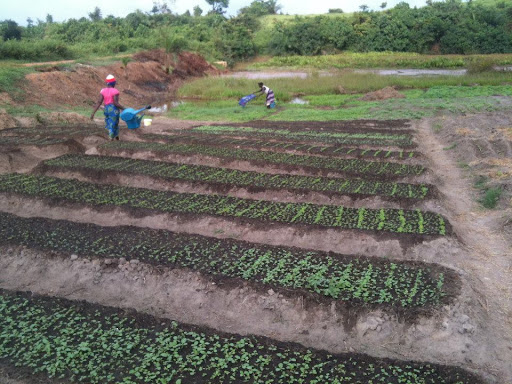
利比里亞是一個人口超過505.8萬人的西非國家(世界銀行,2020)。利比里亞與塞拉利昂、幾內亞和科特迪瓦等國家接壤,其首都是蒙羅維亞。農業是利比里亞的經濟支柱,對當地減貧也有所貢獻(利比里亞農業部,2007)。農業創造了就業崗位並提升農民的收入,同時為糧食價格下降創造空間,因此成為了減貧的變革性工具。農業為利比里亞60%的活動人口提供就業,併為利比里亞2020年的的國內生產總值貢獻了31%。利比里亞農業的主要經濟作物是木薯、油棕、橡膠、大米和可可。此外,利比里亞的天氣和肥沃的土地有利於作物生產,尤其是可可。
2. 利比里亞的經濟作物
2.1 橡膠生產
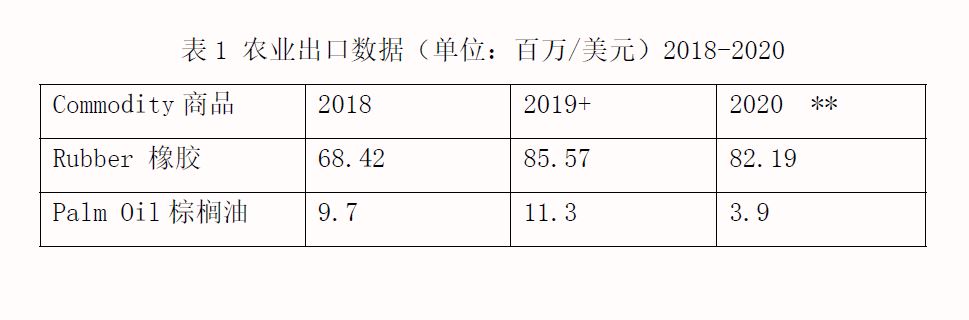
2020年,利比里亞橡膠產量佔出口總額的13.5%。利比里亞的商業和私人橡膠農場加大了勞動力僱傭力度,從而降低了該國的失業率。有22,000人從事商用橡膠生產,38,000户家庭參與橡膠生產勞動。目前,利比里亞天然橡膠生產企業之一費爾斯通天然橡膠(Firestone Natural Rubber)僱傭員工數量居首,對降低失業率與減貧做出了貢獻。然而,由於較低的國際市場價格,利比里亞的橡膠種植量有所減少。因此,利比里亞的橡膠生產面臨着降價的困境,從而影響到對主要供應商的供應情況,其帶來的產量受限也造成了失業問題。據報道,2018年約有2000名全職和合同工被解僱(Carter, 1968)。
2.2棕櫚油
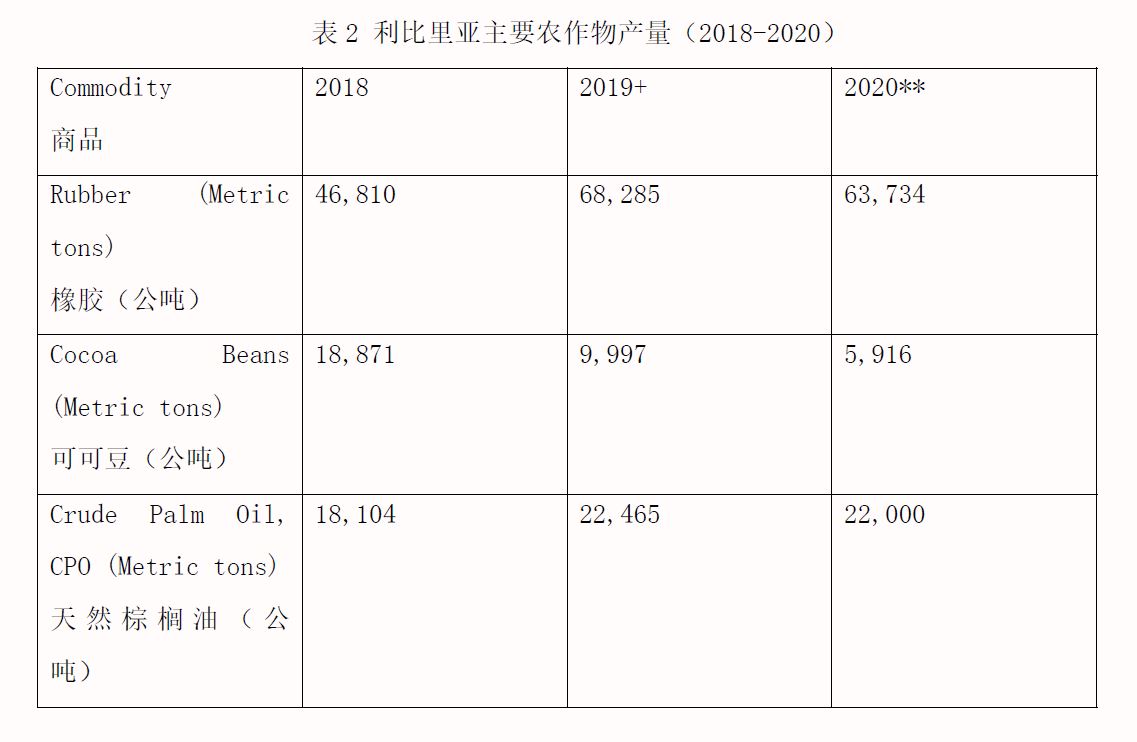
儘管大多數農民都從事木薯生產,但棕櫚是利比里亞重要的經濟作物之一。利比里亞的棕櫚油產量雖然不高,但其對經濟的貢獻不容低估。由於Covid-19病毒影響,生產商目前面臨着各種挑戰 (Tarway-Twalla, 2013年)。棕櫚油產量的下降(從22,465公噸降至22,200公噸)已經影響了該國的出口總量。此外,有限的棕櫚油市場是大多數利比里亞農民擔心的問題,因此,他們將注意力轉移到其他作物上,尤其是木薯。如今,農業利益相關者,如大型跨國公司和小農合作社、個體農民、正在與利比里亞農業部進行協商,希望其對農業進行投資並支持小農户(國際貿易管理局,2021年)。下面的表2描述了利比里亞主要農業和林業的產出情況。
2.3**水稻
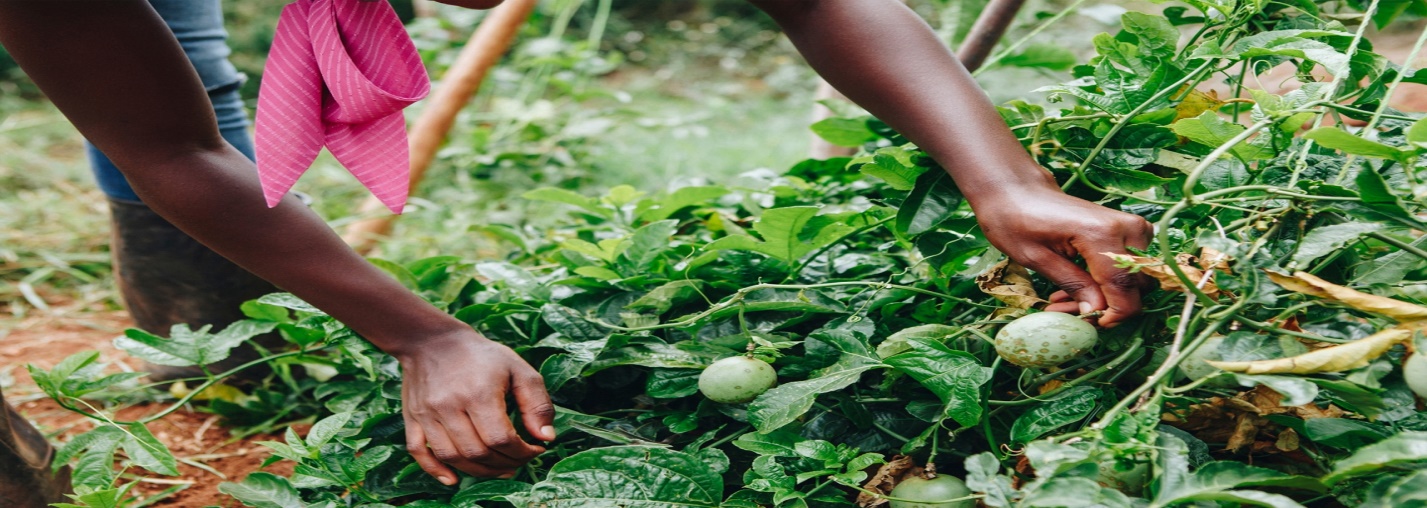
水稻和蔬菜的種植面積約佔耕地面積的87%。利比里亞種植的另一種主要作物就是水稻,在該國的高地地區由小農種植。在利比里亞,水稻為一年一熟作物,是利比里亞350萬人口中大多數人的主要糧食。然而,由於資金和技術限制,利比里亞的水稻產量並不高。然而,利比里亞的人均大米消費量為133公斤/年,居非洲之首,還從中國和美國進口大米用於消費。最近,政府通過加大投資以及與國外合作,利比里亞的水稻產量有所提高。國內生產是經濟發展的關鍵,大米產量的增加使利比里亞人可以直接獲取糧食、保障糧食充足以及減少貧困。此外,利比里亞政府還啓動了一項名為“利比里亞國家水稻發展戰略”(LNRDS)的政策以提高該國的水稻產量,並通過低地雨養和低地灌溉項目確保糧食穩定供應(農業部,2012年)。
3. 利比里亞的農業政策
為支持聯合國千年發展目標(MDGs)關於實現減少貧困和極端貧困的目標,利比里亞於2008年實施了《糧食和農業政策與戰略》(FAPS),以支持小農發展。除此之外,利比里亞於2010年啓動了”利比里亞農業部門投資計劃”(LASIP),目的是在2010-2015年非洲農業綜合發展計劃(CAADP)的框架下改造利比里亞的農業。LASIP的四個關鍵分別為:
· 糧食和營養安全;
· 競爭性價值鏈和市場聯繫;
· 機構發展、土地資源和水資源的開發;
· 水稻在所有的政策和戰略中都具有重要意義。
此外,利比里亞農業部門綜合評估項目(CAAS-Lib)希望為發展夥伴提供適當的戰略政策,以最大限度地壯大與支持農業發展。CAAS-Lib項目的總體目標為:
· 對利比里亞的農業和糧食安全狀況進行全面評估。
該項目將提供利比里亞農業發展狀況、發展潛力和發展限制的相關資料,為該行業關於發展方向、策略和實施範圍的決定提供支持,為糧食安全和營養、生產力、投資、收入和就業等國家重點關注問題做出貢獻。
· 為結合減貧戰略制定農業和糧食安全戰略框架提供信息。
· 為制定農業綜合政策提供信息。
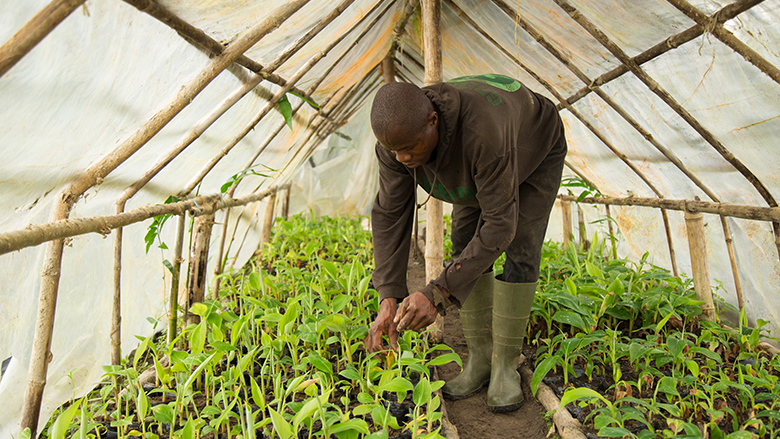
4. 農業部門面臨的挑戰
利比里亞的農業是國內衝突期間受到嚴重影響的部門之一。在此期間,耕地資源和水資源管理受到影響,糧食生產和整體生產力降低,導致赤貧加劇。如今,用於農業的技術投入非常低,對產能造成了影響。
此外,利比里亞的農民沒有采用現代種植方法。農業還缺乏其他高質量的投入,比如,很少有農民使用肥料。此外,支持或促進農產品流通的基礎設施發展極為緩慢,農民因此難以擴大生產。另一方面,不健全的道路網絡以及高昂的運輸成本限制了農產品流通。
不完善的土地所有權記錄阻礙了農業的發展。土地所有權是利比里亞的一大問題,大多數土地所有者缺乏土地持有記錄,因此,他們無法擴大種植面積。根據利比里亞的政策,外國人禁止擁有當地的土地。然而,這項政策對於當地人也沒有產生好處,因為他們缺乏土地開發種植的資源。此外,農產品的市場流通渠道有限,從而難以激勵農業生產者(即小農)。
總而言之,利比里亞的農業部門在國際合作夥伴的支持下,正努力對農業進行大量投資以消除貧困。此外,政府應開始重建國家研發(R&D)系統,以加強對服務需求的響應,提高服務質量,確保系統的可持續性,並進行土地改革,以便進行長期規劃、使用和投資,並提高土地作為生產性資產的需求。最後,政府應該提高效率,高效規劃、實施並監測項目,從而維持自然資源、減輕生產者風險以及將性別和青年問題納入主流的方案。
5. COVID-19疫情中期的農業發展
COVID-19新型冠狀病毒對世界各地的農業發展都產生了影響。為應對這場危機造成的不利影響,利比里亞農業部制定了農業糧食政策和措施,其中一些政策影響了農產品/食品從生產者到消費者之間的流通渠道。疫情期間實施的政策和措施概述如下。
· 政府為受疫情影響的限制定了一項2500萬美元的計劃,向當地家庭分發食物,並提供免費的水電。
· 財政部部長和農業發展規劃部部長與非洲銀行簽署了擔保協議,在疫情期間為大米加工公司幫助小農提供農業貸款從而促進國內大米加工市場。
· 農業部監測基本農產品的市場價格,以防止市民高價購買農產品。這項工作得到了歐盟-利比里亞農業方案-營養和創業發展農業藍圖,加強可持續性 (EULAP-PARTNERS)方案的支持。
· 利比里亞冠狀病毒執行委員會(ECOC)和農業部(MoA)啓動了一項農業運輸許可證制度,即流動和管制服務(MOCO),以幫助農民、糧食生產商、糧食加工商和銷售商在封鎖期間利用手機平台獲取跨縣運輸食品的通行證。
參考文獻:
[1]Abrafi Foh N.Y, Fanny M & Said J (2020). Food Supply Chains Are Holding Up in Advanced Countries. Retrieved 31 Dec, 2021 from https://institute.global/advisory/different-approach-strengthening-african-food-systems
[2]Carter, G. M. (1968). Growth without Development: An Economic Survey of Liberia. Robert W. Clower, George Dalton, Mitchell Harwitz, A. A. Walters. Economic Development and Cultural Change, 17(1), 132–136. https://doi.org/10.1086/450342
[3]Fair Labor Worldwide (2011). Rubber Production in Liberia: An Exploratory Assessment of Living and Working Conditions, with Special Attention to Forced Labor. Accessed at https://www.verite.org/wp-content/uploads/2016/11/Research-on-Working-Conditions-in-the-Liberia-Rubber-Sector__9.16.pdf
[4]Food and Agriculture Organization of the United Nation (2020). National agrifood systems and COVID-19 in Liberia Effects, policy responses and long-term implications. Retrieved from https://www.fao.org/3/cb2114en/CB2114EN.pdf.
[5]International Trade Administration (2020). Liberia - Country Commercial Guide: Agricultural Sectors. Accessed on 31 Dec 2021 at https://www.trade.gov/country-commercial-guides/liberia-agricultural-sectors
[6]Ministry of Agriculture (2012). National Rice Development Strategy of Liberia Doubling Rice Production. Retrieved from https://riceforafrica.net/downloads/NRDS/LNRDS.pdf
[7]Ministry of Agriculture (Republic of Liberia Monrovia, Liberia. Food and Agriculture Policy and Strategy “From Subsistence to Sufficiency”. Retrieved 31Dec 2021, from https://www.moci.gov.lr/doc/Food%20and%20Agriculture%20Policy%20and%20Strategy.pdf
[8]Patel, Nitesh (June 2013). “Liberia Comprehensive Food Security and Nutrition Survey (CFSNS) June, 2013”. Accessed at www.moaliberia.org. Liberian Ministry of Agriculture on 31 Dec 2021.
[9]Nicholas Parkinson (2013). The Revival of the Grain Coast: Organic Farming in Liberia. Retrieved at http://www.goodfoodworld.com/2013/10/the-revival-of-the-grain-coast-organic-farming-in-liberia/.
[10]World Bank, (2017). Comprehensive Assessment of the Agriculture Sector in Liberia: Volume 1, Synthesis Report. Accessed at https://openknowledge.worldbank.org/handle/10986/7677
[11] World Bank (2016). West Africa Agricultural Productivity Program. Retrieved on 31 Dec, 2021 from https://www.worldbank.org/en/topic/agriculture/brief/the-west-africa-agricultural-productivity-program
電子科技大學西非研究中心介紹
一、中心概況
電子科技大學西非研究中心成立於2017年4月,是由電子科技大學與加納大學、加納海岸角大學、加納行政管理學院、加納温尼巴教育大學、加納發展大學共同籌建的聯合研究中心。中心依託電子科技大學公共管理學院,由趙蜀蓉教授擔任中心主任。
西非研究中心的成立,是電子科技大學踐行國家“哲學社會科學走出去戰略”的一項重要舉措,也是電子科技大學構建國際化跨學科研究體系、打造新型高端“智庫”的有益探索。
西非研究中心立足於電子科技大學學科與國際交流優勢,着眼於西非國家發展的現實問題和需求,以留學生人才培養為基礎,搭建高水平的國際學術交流平台,發佈研究課題,開展聯合研究,為我國及西非國家提供高水平智庫服務。
2021年3月,電子科技大學西非研究中心入選教育部高校國別和區域研究備案中心。
二、中心研究
研究對象:以加納、貝寧、塞內加爾等重點西非國家為主的西非國別研究。
研究領域:中國-西非政治、經濟與社會發展、公共管理、教育、文學、文化等領域研究;中國-西非經貿合作;中國-西非政府間關係研究。
三、中心的目標和任務:
西非研究中心聯合加納5所高校成員單位、電子科技大學西非校友會和加納中華工商總會,着力打造集留學生人才培養基地、學術交流平台、西非研究智庫為一體的“1+1+1”中非合作新模式,即:
*1. 構建一個人才培養基地。*中心將協助拓展來華留學生的西非生源,豐富電子科技大學本科、碩士、博士多層次留學生培養體系;開展西非海外幹部培訓、師資培訓、定製化ICT與工程培訓、學生暑期實踐項目等,致力於構建集學歷教育、在職培訓、實訓實踐為一體的多元化、特色化的海外人才培訓基地;幫助中資企業培養本土化人才,解決經濟與社會發展問題。
*2.搭建一個學術與文化交流平台。*通過定期舉辦“西非論壇”等國際性學術會議、中非友誼·學術文化交流月,推廣文化資源3D平台海外落地展項目、中國-西非國際產學研合作項目,致力於搭建集學術、人文、科技等多領域的中非交流與合作平台,提升中國高校、企業在非洲影響力與文化軟實力。
*3.建立一個西非研究智庫。*中心結合海內外成員單位的學科優勢與研究特色,致力於西非經濟、政治、人文交流的研究,加強與加納“伊曼尼政策教育中心”(全球智庫排名113)、“統計、社會和經濟研究院”(全球智庫排名164)等西非智庫組織合作,加強聯合研究、發佈與承接西非研究課題,為中國政府及西非國家提供政策諮詢,在教育與人才培養、科技服務、經濟與企業管理及公共與政治管理等方面為國家提供高水平智庫服務,發展成為具有一定影響力的西非研究智庫中心。
四、中心成員單位
西非成員單位:加納大學、加納海岸角大學、加納行政管理學院、加納温尼巴教育大學、加納發展大學、西非校友會。
電子科技大學成員單位:公共管理學院、經濟與管理學院、外國語學院、國際教育學院、馬克思主義教育學院、科學技術發展研究院、機械與電氣工程學院、信息與軟件工程學院。
五、中心信息化建設
中文網站:https://cwas.uestc.edu.cn/sy.htm
英文網站:https://cwas.uestc.edu.cn/English/Home.htm
微信公眾號:gh_bfde9ecc926a(公眾號名稱:電子科技大學西非研究中心)
About Center for West African Studies of UESTC
1. Introduction
The Center for West African Studiesof University of Electronic Science and Technology of China (CWASof UESTC)isaresearch center jointly established by University of Electronic Science andTechnology of China (UESTC), University of Ghana (UG), University of Cape Coast(UCC), Ghana Institute of Management and Public Administration (GIMPA),University of Education, Winneba (UEW), and University for Development Studies(UDS)in April 2017. The Center is based in the School of Public Affairs andAdministration at UESTC and is headed by Professor ShuRong Zhao.
The establishment of CWAS is animportant initiative of UESTC to pursue China’s “Philosophy and Social Sciences‘Going Global’ Strategy” and a beneficial practice for UESTC to build aninternational interdisciplinary research system and a new type of high-level“Think Tank”.
In March 2021, the CWAS of UESTCwas accredited by the Ministry of Education of China as the Center for Nationaland Regional Studies for Universities.
2. Research**Direction
Research Targets:Focusing on Ghana, Benin, Senegal, and other major West African countries and WestAfrican regions.
Research Areas:China-West Africa politic science, economic and social development, publicadministration, education, literature and culture, etc.; China-West Africaeconomic and trade cooperation; China-West Africa intergovernmental relations.
3. Mission and Goals
The Center for West AfricanStudies, together with five member institutions of universities in Ghana, UESTCAlumni in West Africa for West African Studies, and the Ghana Chinese Chamberof Commerce, strives to create a “1 + 1 + 1” new research model ofChina-Africa cooperation, which integrates a Talent Training Base, an Academic ExchangePlatform and a Think Tank for West African studies. It aims to:
(1) To serve as aTalent Training Base. The Center helps to expand the source of international students from West Africa and enrich themulti-level international student training system of UESTC for undergraduate,master, and doctor. Also, it carries out overseas cadre training, teachertraining, customized ICT and engineering training, and summer practice programsfor students in West Africa, and devotes itself to building a diversified anddistinctive overseas talent training base which integrates academic education,on-the-job training and practical training, and cultivates local talents forChinese enterprises to address economic and social development problems.
(2) To build an Academic*Exchange Platform.*Through regularly holding international academic conferences such as Forum on West African Studies,organizing China-Africa Friendship—Academic—Culture Exchanges Month, andpromoting overseas exhibitions of 3D platforms for cultural resources andChina-West Africa International Industry-Academia-Research Cooperation Project,the Center is committed to building a platform for China-Africa exchanges andcooperations in various fields such as academics, humanities, science andtechnology, and enhancing the influence and cultural soft power of Chineseuniversities and enterprises in Africa.
(3) To establish a ThinkTank for West African studies. The Center is committed to research on economic, political, and humanistic exchanges in WestAfrica by utilizing the disciplinary strengths and featured research of itsmembers both in China and abroad. It works to strengthen cooperations with WestAfrican think tanks such as the Imani Center for Policy Education (ranked 113in global think tanks) and the Institute for Statistics, Social and EconomicResearch (ranked 164 in global think tanks) as part of efforts to enhance jointresearch, and collectively publish and undertake research projects on WestAfrican studies. The Center also aims to propose policy advice to the Chinesegovernment and West African countries, provide high-level think tank services forChina in fields covering talent training, science and technology services,economic and business management, and public and political governance. And, italso strives to become an influential think tank center for West African studies.
4. Memberships
West African Members:
University ofGhana(UG),University of Cape Coast(UCC),Ghana Institute of Management and Public Administration (GIMPA), Universityof Education, Winneba(UEW),University of DevelopmentStudies(UDS),West African Alumni Association.
UESTC Members:
School of PublicAffairs and Administration, School of Management and Economics,School of Foreign Languages,School ofInternational Education,School of Marxism,Office of Scientific Research & Development, School ofMechanical and Electrical Engineering, School of Information and SoftwareEngineering.
5. Websites and**Wechat Official Account
Chinese Website:https://cwas.uestc.edu.cn/sy.htm
English Website:https://cwas.uestc.edu.cn/English/Home.htm
Wechat OfficialAccount:gh_bfde9ecc926a
6. Contact Us
Tel:0086-028-61831756/61831706
E-mail:[email protected]
Address:Office 450, Center for West AfricanStudies, Qingshuihe Campus, University of Electronic Science and Technology ofChina, No. 2006, Xiyuan Avenue, High-Tech Zone (West District), Chengdu, China.