QA問答:為什麼許多印度人為喜歡英語多與母語而自豪?_風聞
龙腾网-04-24 17:56
【來源龍騰網】
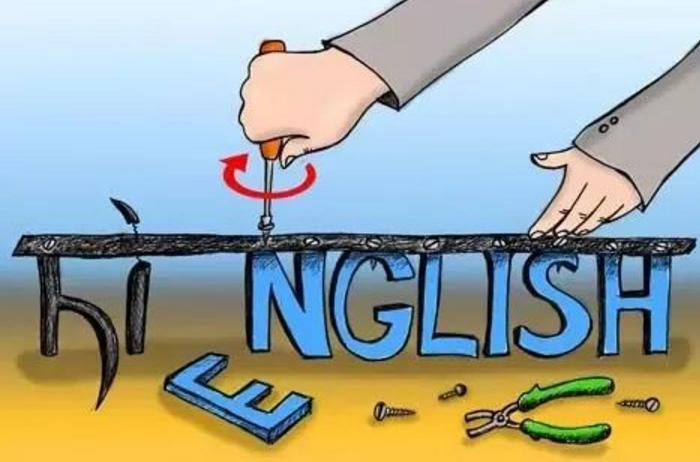
評論原創翻譯:
Balaji Viswanathan
I guess many Indians are quite proud of our mother tongues, but the question is still valid. A few years ago, I went to a HP service center in Chennai for fixing my tablet. Since I knew they know Tamil I asked them questions in Tamil, although the lady there gave replies in broken English, trying hard to appear educated.
Why do people feel proud to speak in English?
我想很多印度人都為我們的母語感到驕傲,但這個問題仍然是對的。
幾年前,我去金奈的一家惠普服務中心修理平板電腦。
因為我知道他們懂泰米爾語,我用泰米爾語問了他們一些問題,那裏的女士卻用蹩腳的英語回答,努力表現出受過教育的樣子。
為什麼人們要為用英語説話而感到自豪?
1. Show that they are educated. In India, the ability to speak English is strongly correlated with college degrees and in general better education. Given that education is a premium asset in India, people try hard to speak in English when possible and show others that they make the cut.
2. Throughout the world, “educated” people often try to include words that the common folks don’t use to draw a line between them. Thus, the English nobility of medi period started using French and Latin words to appear more refined compared to the boors. Same is the case of some pretentious Indians in cocktail parties.
1、表明他們受過教育。
在印度,説英語的能力與大學學位和普通高等教育密切相關。鑑於教育在印度是一項寶貴的資產,人們儘可能努力用英語説話,向其他人表明他們成功了。
2、在世界各地,“受過教育”的人,經常試圖加入普通人不會用的詞語,用來表明他們和普通人之間的界限。因此,在中世紀的英國,貴族會使用法語和拉丁語單詞,這會讓他們感覺自己比鄉巴佬更精緻。一些自命不凡的印度人在雞尾酒會上也是如此。
3. Improper exposure to mother tongue. For many Indians, mother tongue is not used to express higher level ideas. Thus, while they could convey their emotions in their mother tongue, they might not be able to talk scientific ideas in their mother tongue. Thus, they would want to talk in English when they want to express their erudite opinions.
4. Some of us were forced to use English at school & home. In some of the schools I studied, we needed to pay a penalty of Rs.0.50 for every non-English word we used in the class. Quite a sick system if I think about it now. The school thought that their brand would go down if the society saw us speaking in those “dirty” native languages. We still used Tamil words when our Mam was not looking at us, and it was as though we were hiding as highway robbers. Fortunately for me, my parents always encouraged me to learn Tamil, Hindi and Sanskrit (I can speak in only the first two).
3、無法正確的使用母語表達。
對許多印度人來説,母語並不是用來表達更高層次的思想的。因此,雖然他們可以用母語表達自己的情感,但他們可能無法用母語談論科學思想。因此,當他們想表達自己博學的觀點時,他們會想用英語交談。
4、我們中的一些人被迫在學校和家裏使用英語。
在我學習過的一些學校,當我們在課堂上使用非英語單詞的時候,一個單詞需要支付0.50盧比的罰款。
我現在想想,這真的是一個相當病態的系統。
學校認為,如果社會看到我們用那些“骯髒”的母語説話,他們的品牌就會衰落。
當管理者不看我們的時候,我們仍然使用泰米爾語單詞,就好像我們躲在高速公路上搶劫一樣。
幸運的是,我的父母總是鼓勵我學習泰米爾語、印地語和梵語(我只能説前兩種)。
Rohit Murthy
We have a saying in India - “Angrez chale gaye, angrezi chhod gaye.” In a satirical sense, it translates to “The British left India but left behind the English language”.
Some excellent answers have already been given on this question. I’ll elaborate a bit more on the reasons that they have mentioned from a historical point of view.
To begin with, how did the English language become a part of India’s lingual landscape?
Stage 1: Dinos Arrive
我們印度有一句諺語:“Angrez chale gaye, angrezi chhod gaye.”
從諷刺的意義上來説,它可以翻譯成:“英國人離開了印度,但留下了英語”。
關於這個問題,有人已經給出了一些很好的答案。我將從歷史的角度詳細闡述他們提到的原因。
首先,英語是如何成為印度語言景觀的一部分的?
第一階段:恐龍抵達
原創翻譯:龍騰網 http://www.ltaaa.cn 轉載請註明出處
The British came to India initially as traders and established a number of trading posts under the control of the East India Company. In due course of time, it became more powerful with its private armies and took military and administrative control of India. Towards the latter part of the 18th century the Company dissolved but the British Crown took over and took control of the divided world that was India. English as a language initially was taught informally mostly by Christian missionaries. However, once the British took control of India, it became the language of administration, law and the Government. The dinos had indeed arrived!
英國人最初以貿易商的身份來到印度,並在東印度公司的控制下建立了一些貿易站。經過一段時間,它的私人軍隊變得更加強大,並對印度進行了軍事和行政控制。
18世紀後半葉,該公司解散,但英國王室接管並控制了分裂的印度世界。英語最初是一種非正式的語言,主要由基督教傳教士教授。然而,當英國控制了印度,它就成為了行政、法律和政府的語言。恐龍真的來了!
Stage 2: ‘Dinosaursim’ Spreads
In the early part of the 19th century the English Education Act was passed which gave a huge impetus to the establishments of English medium schools and educational institutions teaching Western curriculum. Clerical posts in administrative and government offices started requiring exams taken in English and testing language ability. Now, Indians were forced to adopt this new language as a means of social advancement. The fact was that in this British controlled world, learning English and adopting their culture gave us the 3 things we craved for - wealth, power and position. A government job was not only a coveted job, but also came along with post-retirement pensions. Soon, a number of English-educated Indians started getting involved in the governing machinery and also played a pivotal role in guiding freedom movements across the country. English became the interface between the British and us. The ‘Dinosaurism’ had spread across the country.
第二階段:“恐龍族羣”擴張階段
19世紀初,英國通過了《英語教育法》,極大地推動了以英語為媒介的學校,和教授西方課程的教育機構的建立。
行政和政府辦公室的文員職位,開始要求參加英語考試和語言能力測試。
就這樣,印度人被迫採用這種新語言作為社會進步的手段。
事實是,在這個英國控制的世界裏,學習英語和接受他們的文化,給了我們渴望的三樣東西——財富、權力和地位。
政府工作不僅是一份令人垂涎的工作,而且還伴隨着退休後的養老金。
很快,一些受過英語教育的印度人,開始參與管理機制,並在指導全國各地的自由運動中發揮了關鍵作用。
英語成為了英國人和我們之間的交流界面。“恐龍族羣”已經在全國蔓延。
Stage3: Dinos leave, Dinosaurism survives
When India gained independence in 1947, it was this educated class that filled up the positions left by the British. Attempts were then made to have an Indian language as the national language. But in a country with more than 30 languages and 1600 mother tongues, that really is a tough ask. Hindi was made the first official languages and attempts to make it the national language met with strong opposition from Tamil Nadu and other non-Hindi speaking states. Eventually, the English Language Amendment Bill was passed making English the “Associate language” of India alongside Hindi. It was to remain as an associate language until such time as all non-Hindi speaking states agree to it being dropped. However, that has never happened and English became indispensable in India. It had become the interface between the Hindi and non-Hindi speaking population. Later it also became our interface with the outside world, particularly the West. It became a means of inclusion of all under one umbrella.
第三階段:恐龍離開,恐龍族羣存活下來
1947年印度獨立時,這些受過教育的階層填補了英國留下的職位。
隨後,人們試圖將印度的語言作為國家語言。但在一個擁有30多種語言和1600多種母語的國家,這真的是一個艱難的要求。
印地語成為第一種官方語言,並試圖將其作為國家語言,但遭到了泰米爾納德邦和其他非印地語地區的強烈反對。
最終,《英語語言修正法案》獲得通過,使英語與印地語一起成為印度的“聯合語言”。
在所有非印地語地區同意放棄之前,就只能一直使用聯合語言。然而,他們從未放棄,英語在印度變得不可或缺。
它已經成為印地語和非印地語人口之間的交流界面。後來,它也成為了我們與外部世界,特別是西方世界的接口。它成為一種將所有人納入一個保護傘下的手段。
So what does all this have to do with your question?
Firstly, it’s wrong to generalize that Indians prefer English over their native language or mother tongues. More likely, it depends on the environment and the people involved during communication. In businesses, jobs and education, English is used almost as an automatic choice of communication. But in an informal environment of native people, the native language becomes the automatic choice of communication.
Secondly, as both Balaji and Siddharth have mentioned, speaking in English is still a sign of education. In a country where education still remains a luxury, an English-bred education does improve your brand image.
Thirdly, we are a country where about 20% of our population speaks English and only about 4% speak it fluently. In a social setting trying hard to emulate the West, speaking in English can boost your social image and admit it, social image is as inherent in India as it can get. Possibly the human race.
那麼,這一切與你的問題有什麼關係呢?
首先,認為印度人更喜歡英語,而不是他們的母語,這是錯誤的。更有可能的是,這取決於溝通過程中所涉及的環境和人員。
在商業、工作和教育中,英語幾乎是一種自動選擇的交流方式。但在原住民的非正式環境中,母語成為交流的自動選擇。
其次,正如 Balaji 和 Siddharth 提到的那樣,用英語説話仍然是教育的標誌。
在一個教育仍然是奢侈品的國家,英國教育確實能改善你的品牌形象。
第三,在我們國家,大約20%的人口會説英語,只有大約4%的人能流利地説英語。
在一個試圖模仿西方的社會環境中,用英語説話可以提升你的社會形象,和人們對你的認可程度。在印度社會,盡己所能的提升社會形象是一種傳統。可能人類社會皆如此。
原創翻譯:龍騰網 http://www.ltaaa.cn 轉載請註明出處
Fourthly, as more and more MNCs have started entering India and with the corporate culture spreading rapidly, Indians, and working professionals in particular, have begun to accept English as a native language over their actual native languages. Migration of more and more people from their native towns and villages to the cosmopolitans has resulted in a gradual erosion of their native roots. Their exposure to English is more than their native languages/mother tongues and their succeeding generations are raised in an English-speaking environment.
Finally, We like to beat the English at their own game. Cricket anybody?
第四,隨着越來越多的跨國公司開始進入印度,隨着企業文化的迅速傳播,印度人,尤其是在職專業人士,已經開始接受英語作為本族語言,而不是他們實際的母語。
越來越多的人,從他們的家鄉城鎮和村莊遷移到世界各地,導致他們的本土根基逐漸被侵蝕。他們接觸英語的時間超過了他們接觸母語的時間。他們的後代都是在講英語的環境中長大的。
最後,我們喜歡在英國人的比賽中擊敗英國人。有人想來場板球嗎?