第一共和銀行為何倒閉_風聞
龙腾网-05-10 17:43
【來源龍騰網】
正文原創翻譯:
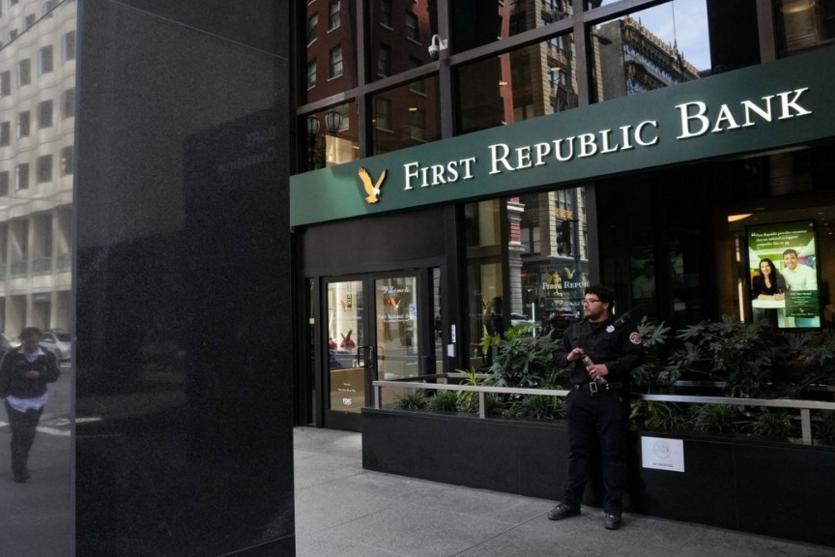
In February, First Republic Bank’s well-heeled customers were yanking money from their accounts. The bank tried to stem the tide by offering higher rates on certificates of deposit. Even that was a tough sell.
二月份,第一共和銀行的富裕客户正在從他們的賬户中提取資金。該銀行試圖通過提供更高的存款利率來遏制資金流失。但即使這樣也難以説服客户。
Jim Herbert, the bank’s 78-year-old founder, usually a reassuring presence, slammed his hand on the table during an all-hands meeting. We’ve got to get more deposits, he said, according to people familiar with the matter.
據知情人士透露,這家銀行的78歲創始人吉姆·赫伯特通常是一副氣定神閒的樣子,但在這一次全員會議上,他重重地拍打着桌子,表示“我們必須獲取更多的存款”。
That was before the March banking panic that toppled two of First Republic’s peers, Silicon Valley Bank and Signature Bank. Its troubles only worsened after that.
接着在3月份,銀行業恐慌爆發,該銀行的兩個同行——硅谷銀行和Signature Bank都倒閉了。此後,該銀行的困境只變得更加嚴重。
Early Monday morning, regulators seized First Republic and struck a deal to sell the bulk of its operations to JPMorgan Chase & Co., the largest bank in the country.
週一早間,監管機構接管了第一共和銀行,並達成將該行大部分業務出售給美國最大銀行摩根大通公司(JPMorgan Chase & Co., JPM)的交易。
The collapse of First Republic marks the second-biggest bank failure in U.S. history, behind the 2008 collapse of Washington Mutual Inc. It also spells the end of what was considered one of the most successful strategies in banking: luring wealthy depositors and giving them five-star service.
第一共和銀行的崩塌是美國歷史上第二大銀行倒閉案。一度被認為是銀行業最成功的策略之一也由此終結,該策略就是吸引富有儲户並給予他們五星級的服務。
Few could have predicted the speed and magnitude of the March bank run. First Republic lost more than half of its deposits, around $100 billion, in just a few days. Yet as Mr. Herbert’s urgent message reveals, the bank’s business was already fraying.
幾乎沒有人預測到3月銀行擠兑的速度和規模。第一共和銀行短短几天內流失了約1,000億美元存款,相當於其存款總額的一半以上。然而,正如Herbert的緊急信息所揭示的,該銀行的業務此前已經出現了裂紋。
First Republic’s undoing was triggered by the Federal Reserve’s rapid series of interest-rate increases, which led depositors to seek better returns elsewhere. That meant it had to pay more to keep them, just when rising rates were battering the value of its mortgage portfolio. It was a problem obvious in hindsight, but First Republic, among others, thought they would survive the Fed’s inflation fighting just fine.
第一共和銀行的困境是美聯儲一系列快速加息引發的,這些加息促使儲户到其他地方尋求更好的回報。這意味着該行需要支付更多的錢留住儲户,同時利率上升導致住房抵押貸款組合價值受到衝擊。回頭來看,這個問題顯而易見,但第一共和銀行等銀行當時都認為,它們將在美聯儲對抗通脹的政策下安然無恙。
“Clients stay with us,” Mr. Herbert told investors last November. “They grow, they compound, their deposits compound, their loans compound, and they bring their friends. It’s not a complicated model, and it works in all environments.”
“客户會留在我們這,”Herbert去年11月對投資者説。“客户會增長,會複合式增長,他們的存款有複利,他們的貸款有複利,他們會介紹朋友來。這個模式並不複雜,在所有的環境下都是有效的。”
A spokesman for Mr. Herbert declined to comment.
Herbert的一位發言人不予置評。
This wasn’t supposed to happen. First Republic, based in San Francisco, was a big bank with a small-town feel, the ultimate relationship bank. Wealthy customers, the thinking went, wanted high-touch service more than a few extra dollars in interest on their deposits.
該行的崩塌本不該發生。總部位於舊金山的第一共和銀行是一傢俱有小城鎮銀行風格的大銀行,是終極版關係銀行。其理念是,高淨值客户更想要的是高接觸服務,而不是從他們的存款中多賺一點利息。
First Republic gathered these clients, paid them minimal interest and used their deposits to fund mortgages. More deposits meant more loans for condo projects in Manhattan or second homes in Hawaii. First Republic got back far more from these borrowers—3.03% in interest charged on average in 2021—than it paid out to depositors, 0.12% on average.
第一共和銀行吸引了這些客户,向他們支付非常低的利息,並用他們的存款發放房貸。存款更多,就意味着可以為購買曼哈頓公寓項目或在夏威夷買二套房提供更多貸款。第一共和銀行通過發放這些貸款獲得的回報遠高於向儲户支付的利息,2021年平均收取3.03%的房貸利息,向儲户支付的利息平均為0.12%。
These loans often had bespoke features, and they almost never went bad.
這些貸款通常有定製的特點,而且基本從未變成壞賬。0010