QA:為什麼印度人總是如此迷之自信?_風聞
龙腾网-05-23 18:15
【來源龍騰網】
評論原創翻譯:
Balaji Viswanathan
In 1997, Steve Jobs returned to a nearly bankrupt Apple. Years of poor decisions took them to a near death. This picture culminates their ultimate humiliation. Here, Steve stands small before the big beaming screen of Bill Gates who threw in a pocket change ($150m) to keep his old rival alive. Look at the body language of both. There was a time Bill Gates used to wait in the office to get a sighting of Steve Jobs. Things reversed.
Steve Jobs must have been fuming even while biting his teeth and ego to accept that gift from Bill Gates. Despite his company being a fraction of Microsoft’s and other companies, he knew he will come back. Because, he created that part of the industry.
In some sense, that is how upper middle/upper class Indians see of ourselves.
For 90% of human history, we have been the world’s top economy. 4000 years ago had the world’s largest civilization — Indus Valley Civilization was bigger than the other 3 Bronze age civilizations put together. It had superior city planning and standards. From 1000–500 BCE, we brought a range of religious and philosophical ideas. From about 300 to 700 CE, we created brilliant work in mathematics, physics etc that became the foundation for modern sciences as the Arabs brought the ideas to the western world. We created stunning work of literature — through Kalidasa, Valmiki and Vyasa. In 1400s, sailors in Europe would put their lives at stake to find a new route to India and get a chance to trade with that. We produced the most amount of food and the most amount of art.
However, in the past few centuries, a number of bad decisions and bad luck pushed us down from the pedestal. Capitalizing on our mistakes a few outsiders ruled the roost. In the past few decades, we have been reversing all that.
Like the Steve Jobs of the picture above, we were forced to smilingly accept the humiliation. In our minds, we know who we are, but for the world we are a small entity for now. We know we will come back to our old ranking and status sooner or later.
We are confident now because for 1000s of years we have figured out a way to lead the humanity in various aspects. While we have a lot of poverty and challenges now, we have improved substantially over the past 3 decades and we know what strength we have to tap into.
In a decade, we are expected to be the 3rd largest economy and as China’s population ages, India has a fair chance to become #1 in the next 40 years. Might look like a long time, but in the long arc of history this is nothing.
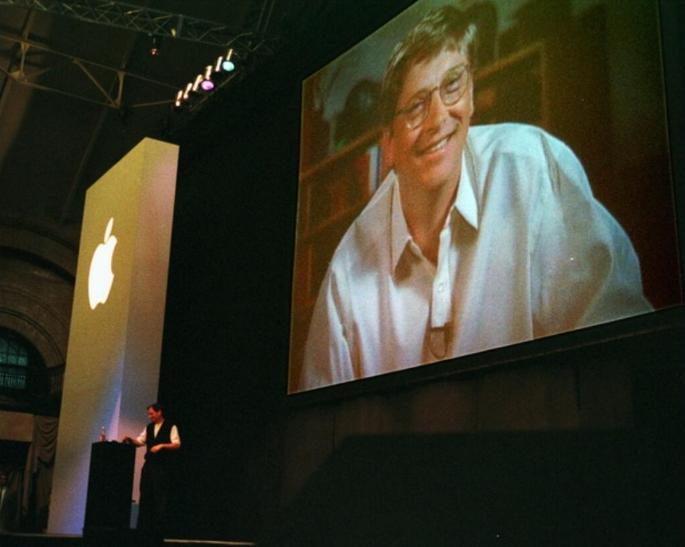
1997年,史蒂夫-喬布斯回到了幾乎破產的蘋果公司。多年來的錯誤決定使這個公司瀕臨死亡。這張照片將他們的恥辱推向了高潮。在這裏,史蒂夫站在比爾-蓋茨照片的大屏幕前,顯得很渺小,比爾-蓋茨為了讓他的老對手活下來,投了一點“零錢”(1.5億美元)。看看兩人的身體語言。曾幾何時,比爾-蓋茨常常坐在辦公室裏,等着史蒂夫-喬布斯來找他。但是事情發生了逆轉。
史蒂夫-喬布斯在接受比爾-蓋茨的那份禮物時,一定是一邊咬着牙,一邊抑制着自尊。儘管他的公司和微軟以及其他公司相比微不足道,但他知道自己會回來的。因為,這個行業的那一部分是他創造的。
在某種意義上,這就是中上/上層印度人對自己的看法。
在人類歷史上90%的時間裏,我們一直是世界第一大經濟體。4000年前就擁有世界上最大的文明--印度河谷文明,比其他三個青銅時代的文明加起來還要大。它有着卓越的城市規劃和標準。從公元前1000-500年,我們帶來了一系列的宗教和哲學思想。從公元前300年到700年,我們在數學、物理學等方面創造了輝煌的成就,成為現代科學的基礎,因為阿拉伯人將這些思想帶到了西方世界。我們通過迦梨陀娑、跋彌和毗耶娑等作家創造了令人驚歎的文學作品。在14世紀,歐洲的水手們將他們的生命置於危險之中,以尋找通往印度的新航線,獲得與之貿易的機會。我們生產了最多的食物和最多的藝術品。
原創翻譯:龍騰網 http://www.ltaaa.cn 轉載請註明出處
然而,在過去的幾個世紀裏,一些錯誤的決定和糟糕的運氣把我們從神壇上推了下來。利用我們的錯誤,幾個外來者統治了整個世界。在過去的幾十年裏,我們一直在扭轉這一切。
就像上圖中的史蒂夫-喬布斯,我們被迫微笑着接受羞辱。在我們心中,我們知道自己是誰,但對於世界來説,我們暫時只是一個小實體。我們知道,我們遲早會回到我們以前的排名和地位。
我們現在很有信心,因為1000多年來,我們已經找到了一種在各個方面領導人類的方法。雖然我們現在有很多貧困和挑戰,但在過去30年裏,我們已經有了很大的進步,我們知道我們有什麼力量可以利用。
十年後,我們有望成為第三大經濟體,隨着中國人口的老齡化,印度有相當的機會在未來40年成為第一大經濟體。可能看起來時間很長,但在歷史的長河中,這不算什麼。
Snigdh Sinha
Balaji: it would be a much fairer comparison if some per capita metric is considered instead of total GDP without normalising it for population.
巴拉吉,如果考慮一些人均指標而不是不對人口進行標準化的GDP總量,那將是一個更公平的比較。
Ethan Griffin
Total economic wealth is a much better indicator of leverage on the world stage though. If Elon Musk started a country & he was the only resident they’d have a ridiculous per capita income — but no real hard power on the world stage.
Per capita is a great indicator for how wealthy any individual member of the society is (though median income is better) total GDP is better when comparing countries though.
不過,經濟財富總量是衡量世界舞台上影響力的一個更好的指標。如果埃隆-馬斯克建立了一個國家,並且他是唯一的居民,那麼它的人均指標會高得離譜 - 但在世界舞台上並沒有真正的硬實力。
人均是衡量社會中任何個人成員富裕程度的重要指標(儘管收入中位數更好),但在比較國家時,用GDP總量更好。
Raj Siva
In a previous answer, Balaji mentioned that India’s GDP per square mile is comparable to America. So, we aren’t doing that badly.
Our main challenge is making every individual, more productive. For this we need to move people from agriculture to industry.
But people in many rural areas are reluctant to give up land, to setup industries, and rather want govt to keep subsidising their agriculture from urban tax money. Obviously, they don’t grow, and they pull down everyone else.
在之前的回答中,巴拉吉提到過印度每平方英里的GDP與美國相當。所以,我們做得並不差。
我們的主要挑戰是提高每個人的工作效率。為此,我們需要將人們從農業轉移到工業。
但許多農村地區的人們不願意放棄土地,不願意建立工業,而是希望政府繼續用城市税收補貼他們的農業。顯然,他們不會成長,他們會拉低其他人的水平。