6種象徵好運的中國食物_風聞
龙腾网-07-25 18:39
【來源龍騰網】
正文原創翻譯:
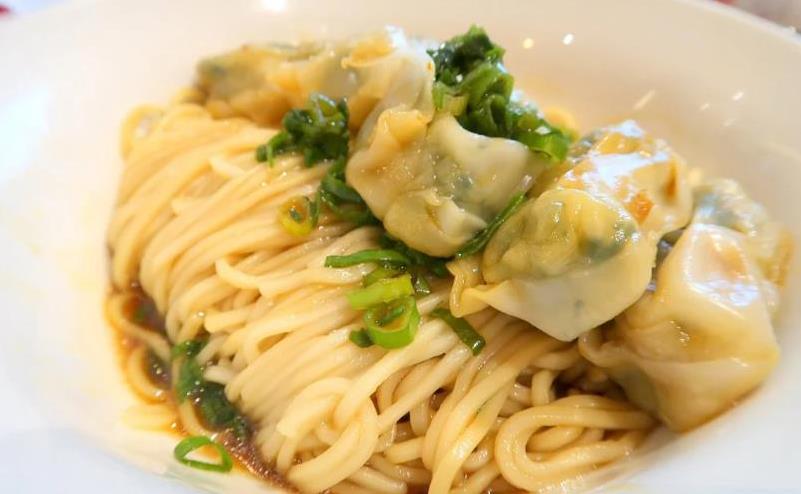
1. Rice and noodles
While rice symbolises wealth, fertility and abundance, noodles symbolises longevity and long life. A bowlof white rice or noodles is usually served alongside Chinese dining.
1. 米飯和麪條
大米象徵着財富、生育和富足,麪條象徵着長壽。白米飯或麪條經常會出現在中餐裏。
Rice has a long history in China. Around 1100BC, aristocrats in the Zhou dynasty were the ones who were able to afford rice. Later everyone relied on rice for food as it’s easy to cook and store.
大米在中國有着悠久的歷史。大約公元前1100年,周朝的貴族才能買得起大米。後來大家都依靠大米作為食物,因為它很容易烹飪和儲存。
Today rice is one of China’s top commodities: China relies on rice production to sustain its economy, is responsible for about 30% of global rice production, and eats more than twice as much rice as Japan.
如今,大米是中國最重要的大宗商品之一:中國依靠大米生產來維持經濟,佔全球大米產量的30%左右,消費量是日本的兩倍多。
While rice is mostly cultivated in the south of China, noodles are cultivated more easily in the north as that’s where wheat grains thrive due to climatic differences. Like rice, noodles have fed China for thousands of years and are economical energy, cereal food. Both foods take months to cultivate and rice especially is hard to harvest by hand – all the more valued and auspicious it is considered.
水稻主要在南方種植,而小麥在北方更容易種植,因為北方氣候不同,小麥在那裏生長得很茂盛。像大米一樣,麪條已經養活了中國幾千年,這種穀物食品是經濟的能源。這兩種食物都需要幾個月的時間來種植,尤其是大米很難用手工收割,所以人們認為它更有價值也更吉祥。
My Chinese Malaysian family always say they feel weird if they don’t eat rice every day. If there isn’t white rice on the table at the restaurant, my folks like ordering yangzhou fried rice (揚州炒飯). Call me a bad Asian but I have gone weeks without eating rice and I’m okay with that.
我的馬來西亞華人家庭總是説,如果他們每天不吃米飯就會覺得很奇怪。如果餐館的桌子上沒有白米飯,我的家人就喜歡點揚州炒飯。你可以説我是一個糟糕的亞洲人,但我已經好幾周不吃米飯了,我覺得還好吧。
2. ChickenIn
Chinese culture, a whole chicken complete with head, feet and tail symbolises unity, completeness and togetherness. Chicken also resembles the dragon and phoenix, further symbolising power and strength.
2. 雞
中國文化中,一隻完整的雞包括頭、腳和尾巴,象徵着團結、完整和團聚。雞也像龍和鳳凰,進一步象徵權力和力量。
There are endless ways to serve chicken in Chinese cuisine. There’s steamed yellow-skinned chicken which is popular during Chinese New Year Eve. Chicken is also common in Chinese stir-frys with oyster sauce, Malaysian mango chicken and cashew nut chicken.
在中餐裏,有無數種方法來處理雞肉。有一種蒸黃皮雞,在農曆新年前夕很受歡迎。雞肉在中國用蠔油炒、馬來西亞芒果雞和腰果雞中也很常見。
Many Chinese are fond of eating chicken head and feet for their gritty texture. This is in contrast with chicken breast which some Chinese reckon is “the meat of fools’, tasting like wood. Personally chicken breast is my favourite meat.
許多中國人都喜歡吃雞頭和雞腳,因為它們的質地緊實。雞胸肉很不一樣,有些中國人認為雞胸肉很柴,吃起來像木頭。不過雞胸肉是我個人最喜歡的肉。
Aside from chicken, duck is also popular in Chinese cuisine. Peking duck is historically an iconic dish in Chinese culture, prepared for royalty and later served to everyone else like rice. China produces around 83% of duck meat in the Asian region. In general, duck is more expensive than chicken as it’s the rarer of the two birds.
除了雞肉,烤鴨在中國菜中也很受歡迎。北京烤鴨歷來是中國文化中的一道標誌性菜餚,原本是為皇室烹製的,後來就像米飯一樣能被普通人享用了。中國生產了亞洲地區約83%的鴨肉。一般來説,鴨肉比雞肉貴,因為它是兩種禽類中比較稀有的。
3. Dates and sesame seeds
Dates and goji berries are often used tosweeten Chinese herbal soups, steamed chicken and teas.
3.紅棗芝麻
棗子和枸杞常被用來甜的中草藥湯、蒸雞和茶。
Dark red dates are high in vitamin A, B and C. Goji berries have been touted as antioxidant superfoods helpingto regulate stress, sleep cycles and suppress cancerous cells.
深紅棗富含維生素A、B和c。枸杞被吹捧為有助於抗氧化的超級食物調節壓力,睡眠週期和抑制癌細胞。
Sesame seeds are usually found alongside dates-such as crispy sesame jujube ball snacks and sprinkled overl meats with jujube-infused sauce. Both dates and sesame seeds bring good luck, wealth and fertility, and bring warmth to the body.
芝麻通常和棗一起吃,比如酥脆的芝麻棗球小吃和撒在肉上的棗醬。紅棗和芝麻都能帶來好運、財富和生育,並給身體帶來温暖。
4. Dumplings
Dumplings are one of the most important foods in Chinese culture. Dumplings are a staple during ChineseNew Year
4. 餃子
餃子是中國文化中最重要的食物之一。餃子是中國新年期間的主食。
Dumplings often resemble traditional gold inglots.They are usually shared at the table, representing togetherness and wealth.
餃子通常像傳統的金塊。他們通常在餐桌上分享,代表着團聚和財富。
Interestingly enough, many seem content to just eat dumplings and more dumplings, no need for other dishes. Most dumplings really are just that good on their own.
有趣的是,許多人似乎只吃餃子就夠了,也不需要其他的菜。大多數餃子本身就很好吃。
5. Green leafy vegetables
There’s usually a vegetable dish with each Chinese meal. Bok choy/Chinese celery (xião bái cài, 小白菜), gai lan/Chinese broccoli (jiè làn, 芥蘭) and water spinach are some popular greens in Chinese cooking.
5. 綠葉蔬菜
每餐中餐通常都有一道素菜。白菜,芥蘭和菠菜是中國烹飪中比較受歡迎的蔬菜。
原創翻譯:龍騰網 http://www.ltaaa.cn 轉載請註明出處
The bok choy is probably the most popular and well-known. Native to China and first cultivated along the Yangtze River Delta, it is nicknamed ‘soup spoon’ for its large leaves shaped like a spoon.
白菜可能是最受歡迎和最知名的。它原產於中國,最早在長江三角洲種植,因其大葉子形狀像勺子而被暱稱為“湯勺”。
Raw and uncooked vegetables aren’t eaten too often among the Chinese. Good sanitation has been a problem in China for a long time, and food here is preferably cooked over heat to minimise bacteria. From a traditional Chinese medicine perspective, uncooked and ‘cold’ foods are not best for digestion.
中國人不常吃生的和未煮熟的蔬菜。長期以來,衞生條件不好一直是中國的一大問題,這裏的食物最好是加熱烹飪,以儘量減少細菌。從中醫的角度來看,生的和“冷”的食物不好消化。
6. TofuTofu
traditionally symbolises death in Chinese culture. Most tofu is white (on the inside) and white is synonymous with death - and tofu sometimes isn’t served during festivals. On the other hand, some suggest eating tofu sounds like eating a mouthful of ‘fú’ (福) or good fortune.
6. 豆腐
豆腐在中國傳統文化中是死亡的象徵。大多數豆腐裏面是白色的,白色是死亡的代名詞,所以有時在節日期間不吃豆腐。另一方面,一些人認為吃豆腐聽起來就像吃了一口“福”或好運。
There are many varieties of tofu such as bean curd, silken tofu, and stinky tofu. In everyday Chinese cooking tofu is tossed in stir fries and simmered in hotpots. Sichuan mapo tofu which is bean curd in chilli oil is one of the most popular tofu dishes.
豆腐有很多種,如豆腐、絹豆腐和臭豆腐。在中國的日常烹飪中,豆腐用於炒菜或者火鍋。四川麻婆豆腐是一種辣椒油和豆腐一起製作的菜,是最受歡迎的豆腐菜餚之一。