QA:在中國有多少中國人能區分日語和韓語?如果你是中國人,你能輕鬆做到這一點嗎?_風聞
龙腾网-37分钟前
【來源龍騰網】
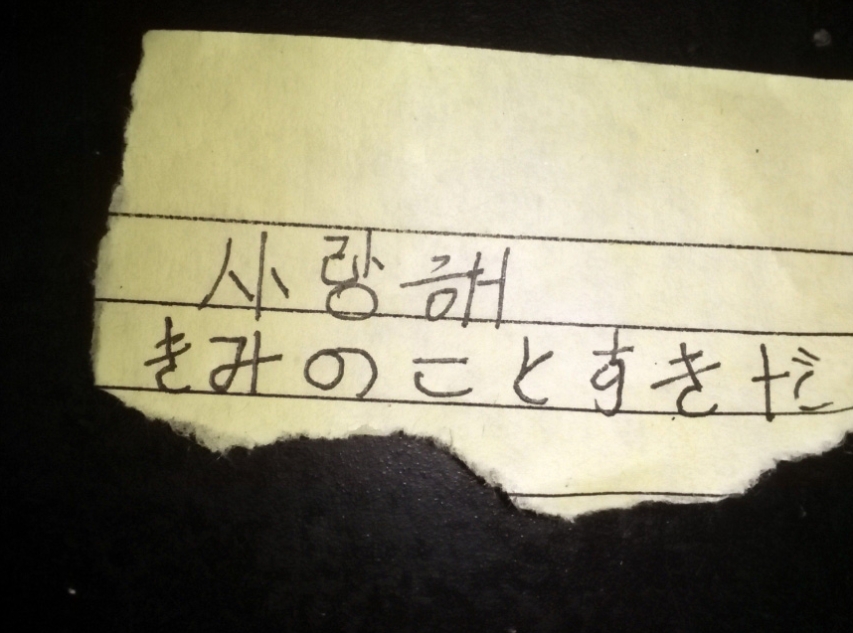
What percentage of Chinese in China can tell spoken Japanese and Korean apart? If you’re a Chinese, how easy it it for you to do so?
在中國有多少中國人能區分日語和韓語?如果你是中國人,你能輕鬆區分嗎?
評論原創翻譯:
King Stonne
Its all about exposure. If youve watched jap/korean movies, have jap/korean friends, listened to jap/korean songs, then its easy to tell the difference. Otherwise, theres no way to differentiate.
這完全取決於是否接觸過。如果你看過日/韓電影,有日/韓朋友,聽過日/韓歌曲,那麼就能很容易區分出來。否則,就無法區分了。
NOOBRA
According to a 2018 survey by the Chinese Academy of Social Sciences, only 10% of Chinese people can tell spoken Japanese and Korean apart. This is likely due to the fact that these languages are relatively similar, especially in terms of their pronunciation. However, there are some key differences between the two languages, such as the use of different sounds and different sentence structures.
If you’re a Chinese person, it may be easy or difficult to tell spoken Japanese and Korean apart, depending on your exposure to both languages. If you have never heard either language before, you will likely find it difficult to distinguish between them. However, if you have heard either language spoken or have studied either language, you will likely find it easier to tell them apart.
Here are some tips for distinguishing between spoken Japanese and Korean:
Pay attention to the intonation. Japanese has a more melodic intonation, while Korean has a more staccato intonation.
Listen for the different sounds. Japanese has a nasal sound that is not present in Korean. Korean also has a number of consonant clusters that are not present in Japanese.
Pay attention to the sentence structure. Japanese sentences typically end with a verb, while Korean sentences typically end with an adjective or adverb.
If you are still having difficulty distinguishing between spoken Japanese and Korean, you can try to find a native speaker of either language to help you. They can point out the key differences between the two languages and help you to train your ears to hear the different sounds and intonation patterns.
根據中國社會科學院2018年的一項調查,只有10%的中國人能聽出日語和韓語的區別。這可能是因為這些語言在很多方面都很相似,特別是在發音方面。然而,這兩種語言之間還是存在一些關鍵的差異,比如不同的發音和句子結構。
如果你是中國人,要分辨出日語和韓語可能會很容易,也可能會很困難,這取決於你對這兩種語言的接觸程度。如果你以前從未聽過這兩種語言,你可能會發現很難區分它們。但是,如果你聽過其中一種語言,或者有過學習經歷,你可能會發現更容易分辨出它們。
以下是一些區分日語和韓語的方法:
注意語調。日語的語調更有旋律性,而韓語的語調更斷斷續續。
聽辨不同的發音。日語有鼻音,而韓語沒有。韓語還有許多日語中沒有的輔音組合。
注意句子結構。日語句子通常以動詞結尾,而韓語句子通常以形容詞或副詞結尾。 如果你仍然難以辨別日語和韓語,你可以嘗試找一位以其中一種語言為母語的人來幫助你。他們可以指出這兩種語言之間的關鍵差異,幫助你訓練耳朵去聽辨不同的發音和語調模式。
PC Yu
I am a Chinese. I can distinguish Japanese & Korean language. No problem.
Korea is China’s next door neighbour. Though S Koreans do not want to admit that their culture incl language came from China, it does not mean Koreans can hide history.
Korean language sounds similar to Cantonese which was China’s language thousands years ago.
Koreans simplified Chinese written language too & reduced the number of strokes.
Korean dictionary is almost like a Chinese dictionary.
Japan
c
But Japan was also culturally influenced by China. Today Japan still writes lots of Chinese characters.
Japan changed from Chinese style in writing to romanisation mainly because Japan was bullied by Europeans at one point. In order to be strong like Europeans, they follow European way. That is why today’s Japanese is written & spoken like English.
See, Korean is Chinese style & Japanese is English style. Of course we can distinguish them.
我是中國人。我可以區分日語和韓語。完全沒問題的。
韓國是中國的近鄰。雖然韓國人不願意承認他們的文化包括語言是來自中國的,但這並不意味着韓國人可以隱藏曆史。
韓語聽起來很像幾千年前中國的粵語。
韓國人也簡化了漢字並減少了筆畫數。
韓語詞典幾乎像一本中文字典。
日本
日本位於中國的更東邊,並且與中國被日本海隔開。
但日本文化也受到了中國的影響。今天日本仍然大量使用漢字。
日本在某個時期從漢字書寫風格轉變為羅馬化,主要是因為日本曾被歐洲人侵略。為了像歐洲人那樣強大,他們追隨了歐洲的方式。這就是為什麼今天的日語書寫和口語都很像英語。 看吧,韓語是中國風格的,而日語是英語風格的。當然我們可以區分它們。
R.M.L.
I don’t care about Korean and Japanese. Mandarin gets you further in the world. I’m thinking about taking HSK.
我不在乎韓語和日語。普通話在世界上更有用。我在考慮參加漢語水平考試。