周波:沙特伊朗協議是中國擔當全球中立斡旋者的第一步
【文/周波,譯/蔣紹澄,核譯/韓樺】
中國在伊朗和沙特之間的成功斡旋不僅具有里程碑意義,而且促使人們期望值更高:中國能否在世界其他地方也提供類似的協助?
在中東,人們有時會説, “敵人的敵人未必是我的朋友”。這裏需要北京幫忙解決的麻煩不勝枚舉。基於不結盟和不干涉內政的原則,中國是唯一與該地區所有國家都交好的大國,因此有可能在當下更為緊迫的伊核問題上伸出援手。
據五角大樓透露,德黑蘭的核武器發展令人關注:伊朗現在有能力在短短12天內製造出足夠的核彈材料。
特朗普政府在2018年退出伊核協議,目前拜登政府與伊朗就重啓核協議的談判也陷入了僵局。作為2015年促成伊核協議的重要一方,北京或許可以像撮合沙伊協議一樣,先秘密地勸説德黑蘭不要逾越製造核彈的雷池,之後再召集包括華盛頓在內的想法類似的各利益攸關方與德黑蘭重啓談判,以達成一個新的協議。
相比之下,烏克蘭局勢更加錯綜複雜,中國的兩個朋友在互相掐架,無人知道戰爭會僵持多久,只知道一時半會它不可能消停。
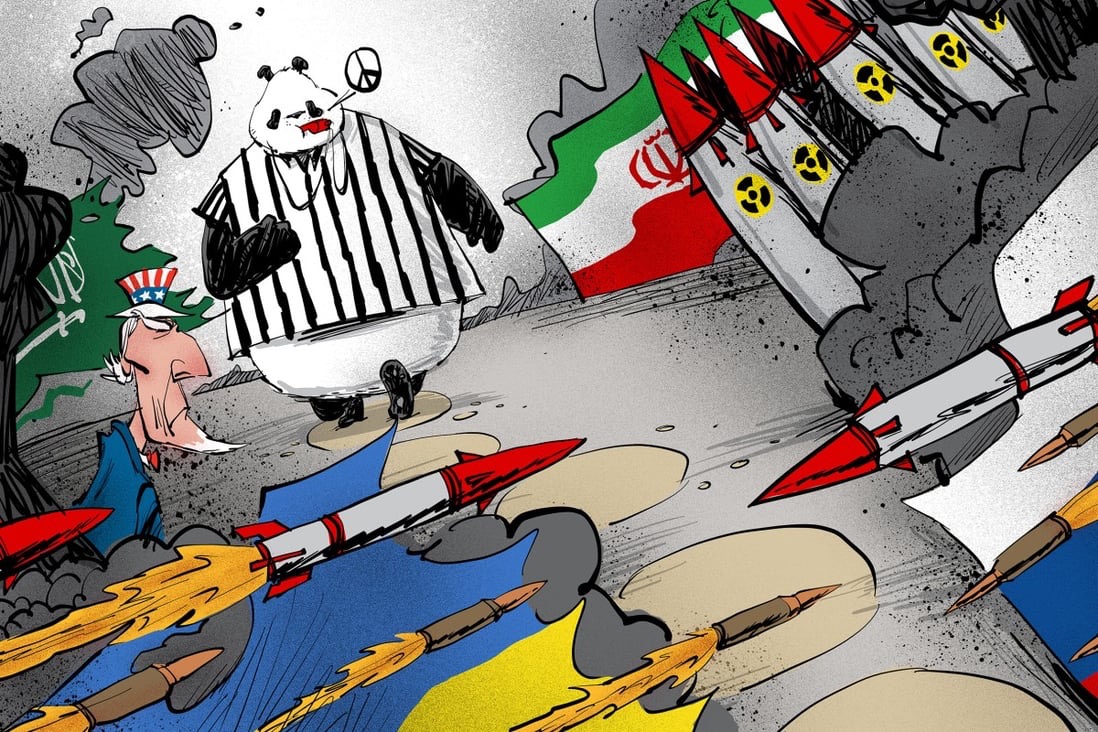
中國在沙特與伊朗間成功斡旋,也有望在俄烏衝突中發揮建設性作用(圖源:南華早報)
目前的挑戰是找到和平協議的基礎—無論它是涉及俄羅斯無條件撤出烏克蘭,還是進行領土談判和讓步。
俄羅斯希望的,想必是能至少宣稱取得些許勝利。否則,俄羅斯總統普京難以解釋為什麼要發動這場戰爭。
烏克蘭總統澤連斯基在2月時説,如果盟國能信守諾言,烏克蘭就能取得勝利。這意味着,如果這場戰爭變成一場曠日持久的消耗戰,確實存在烏克蘭的盟友們不履行承諾的風險。
或許,這場戰爭會以簽訂類似於當年南北朝鮮都不情願簽署的停戰協定而告終。但不同之處在於,由於俄羅斯比烏克蘭更強大,因此邊界不管劃在哪,最終都更難穩固。
很難説歐洲的新安全架構將會是什麼樣子,但俄羅斯和北約之間必須進行談判。
核心問題是如何解決俄羅斯的不安全感。北約説沒有強迫其他國家加入是事實,但北約自冷戰結束後的持續擴張,事實上適得其反。
如果莫斯科認定北約的擴張對俄羅斯構成了生存威脅,以至於它不得不使用武力來回擊,那麼,北約越受歡迎,歐洲就會變得越不安全。這個包含着一批世界強國的最大軍事聯盟自詡為自衞組織,實在是荒唐可笑。
就像在中東一樣,中國是唯一能在俄烏戰爭中發揮建設性作用的大國。當其他大國都站在烏克蘭一邊時,北京既沒有與莫斯科結盟,同時也與基輔保持友好關係。中國沒有提供任何軍事支持,但仍擁有俄羅斯的信任。
基輔可能會歡迎北京發揮中立斡旋者的作用。2013年12月,時任烏克蘭總統亞努科維奇訪問北京期間,中國宣佈不會對烏克蘭使用或威脅使用核武器,並宣佈當第三方有任何此類威脅時為烏克蘭提供安全保障。
北京在戰爭一週年之際宣佈的十二點和平方案,是繼衝突爆發以來所持的謹慎平衡立場之上,向前邁出的一大步。十二點和平方案中的內容很難被挑戰質疑,如所有各方需要尊重主權、保持理性和剋制,要把有效保護平民放在首位等。
但是,在俄烏都沒有表現出停戰傾向的情況下,和平方案不能保證會取得成功。2022年,澤連斯基甚至簽署了一項法令,禁止與普京進行任何談判。此外,國際刑事法院最近對普京發出的逮捕令也使停火的希望更加渺茫。
華盛頓方面也強烈反對停火,認為這隻會鞏固俄羅斯獲得的戰果。
儘管俄羅斯宣佈在白俄羅斯部署戰術核武器,但因為北京發揮的作用,歐洲人最擔心的問題—戰爭會蔓延成核戰爭—其可能性已經大大降低。
在與德國總理朔爾茨和美國總統拜登的會晤中,習主席已經明確表示,不能在歐洲使用核武器。因此,普京總統在本月與習主席的聯合聲明中重申,“核戰爭打不贏,也打不得”,這讓所有人如釋重負。
北京下一步會做什麼還有待觀察,但很明顯,它有一個長長的待辦事項清單。顯然,在一個日益分裂的世界中,人們期待中國成為和平的穩定器與中立的斡旋者。四十多年前中國改革開放伊始,時任領導人鄧小平曾説,中國要“摸着石頭過河”。現在,一個全球化的中國已經步入海洋。海牀深不可及,中國只有義無反顧,破浪前行。
【本文原載於《南華早報》】
本文英文原文:
Saudi-Iran deal is a stepping stone for China in its global role as honest broker
China’s success as a mediator between Iran and Saudi Arabia is more than a milestone. It is also a stepping stone leading to higher expectations: can China help similarly elsewhere?
In the Middle East, where it is sometimes said that the enemy of my enemy is not necessarily my friend, there are enough troubles for Beijing to address. Being the only major power that befriends everybody thanks to its policy of non-alliance and non-interference, China can probably further help with another more pressing problem – the Iranian nuclear issue.
According to the Pentagon, Tehran’s nuclear development has been remarkable; it can now produce enough material for a nuclear bomb in 12 days
The Trump administration withdrew from a nuclear pact in 2018 and negotiations between the Biden administration and Iran on restarting the nuclear deal have stalled. Perhaps Beijing, one of the negotiators of the deal struck in 2015, can first persuade Tehran behind closed doors – like it did with the Saudi-Iran deal – to not cross the threshold of making a nuclear bomb, before bringing together like-minded stakeholders, including Washington, to renegotiate a new deal with Tehran.
The situation is much more complicated in Ukraine where China’s two friends have been at each other’s throats. No one knows how long the war will last except that it will last.
The challenge is to find the foundations for a peace agreement – whether it involves Russia’s unconditional withdrawal from Ukraine or territorial negotiations and concessions.
Presumably Russia would want to be able to claim at least some victory. Otherwise, Russian President Vladimir Putin would find it hard to explain why he launched the war at all.
Ukraine’s President Volodymyr Zelensky said in February that victory is inevitable if allies keep their promise. That means there is indeed a risk of the allies not keeping their promise if this war turns out to be a war of attrition.
Perhaps the end game is an armistice akin to that between North and South Korea, which no one likes. The difference, though, is that Russia is much more powerful than Ukraine, and therefore the border, wherever it might be, would be much more difficult to secure.
It is hard to tell what a new security architecture in Europe might look like. But there would have to be negotiations between Russia and Nato.
The core question is how to address Russia’s sense of insecurity. Nato is right to say it hasn’t forced countries to join the security alliance, but it is Nato’s unrelenting expansion since the end of the Cold War that has backfired.
If Moscow believes Nato’s expansion constitutes an existential threat to Russia that it has to use force to push back, then the more popular Nato is, the more insecure Europe will become. It is ludicrous for the most powerful military alliance on Earth, which includes some of the world’s strongest nations, to describe itself as a self-defence organisation.
Like in the Middle East, China is the only major power that can play a constructive role in Russo-Ukrainian war. All other major powers have already sided with Ukraine. Beijing is not allied with Moscow, and still friendly with Kyiv. China has Russia’s trust even though it has not provided any military support.
And Beijing’s role as an honest broker is likely to be welcomed by Kyiv. During then Ukrainian president Viktor Yanukovych’s visit to Beijing in December 2013, China declared that it would not use or threaten to use nuclear weapons against Ukraine and would provide security assurances against any such threat by a third party.
Beijing’s 12-point peace plan announced at the one-year anniversary of the war is a huge step forward from its carefully balanced position since the outbreak of the conflict. It includes some core concepts that few can challenge, such as the need for all parties to respect sovereignty, exercise rationality and restraint, and prioritise the effective protection of civilians.
But there is no guarantee the peace plan will succeed when both sides have shown no inclination to stop fighting. In 2022, Zelensky even signed a decree banning any negotiation with Putin. The recent arrest warrant for Putin issued by the International Criminal Court will make any chance of a ceasefire slimmer.
Washington is strongly opposed to a ceasefire too, saying that this will only freeze Russia’s gains on the ground.
In spite of Russia’s announcement of deploying tactical nuclear weapons in Belarus, thanks to Beijing, the possibility of Europeans’ worst fear – that the war will spill over into a nuclear war – being realised has been considerably reduced
In his meetings with German Chancellor Olaf Scholtz and US President Joe Biden, President Xi has made it crystal clear that no nuclear weapons could be used in Europe. Therefore, Putin’s reiteration in the joint statement with Xi this month that a nuclear war cannot be won and must never be fought should be a huge relief to everyone.
It remains to be seen what Beijing might do next, but it is clear that it has a long to-do list. Apparently in an ever-divided world, people look to China to be a stabiliser as well as an honest broker.
When China kicked off its reform over four decades ago, Chinese leader Deng Xiaoping famously said China needed to cross the river by feeling the stones on the riverbed. Now a global China has entered the ocean. It cannot feel the seabed, but there is no turning back.
本文系觀察者網獨家稿件,文章內容純屬作者個人觀點,不代表平台觀點,未經授權,不得轉載,否則將追究法律責任。關注觀察者網微信guanchacn,每日閲讀趣味文章。
