周波:如果中美競爭是一場“新冷戰”,歐洲才是主戰場
【文/觀察者網專欄作者 周波】
法國前總統戴高樂曾説過:“將歐洲團結起來的不會是任何歐洲政客,而是中國人”。如果戴高樂看到當下的歐洲如何因中國而分裂卻非團結,想必他的棺材板都要壓不住了。
歐盟委員會主席馮德萊恩和法國總統馬克龍最近聯合訪華以示歐洲團結,但卻顯得南轅北轍。馮德萊恩批評了中國與俄羅斯的友誼,並談到了“去風險“的需要。馬克龍則表示,歐洲必須避免被捲入美中在台灣問題上的任何衝突,並認為歐洲不應成為美國的“附庸”。
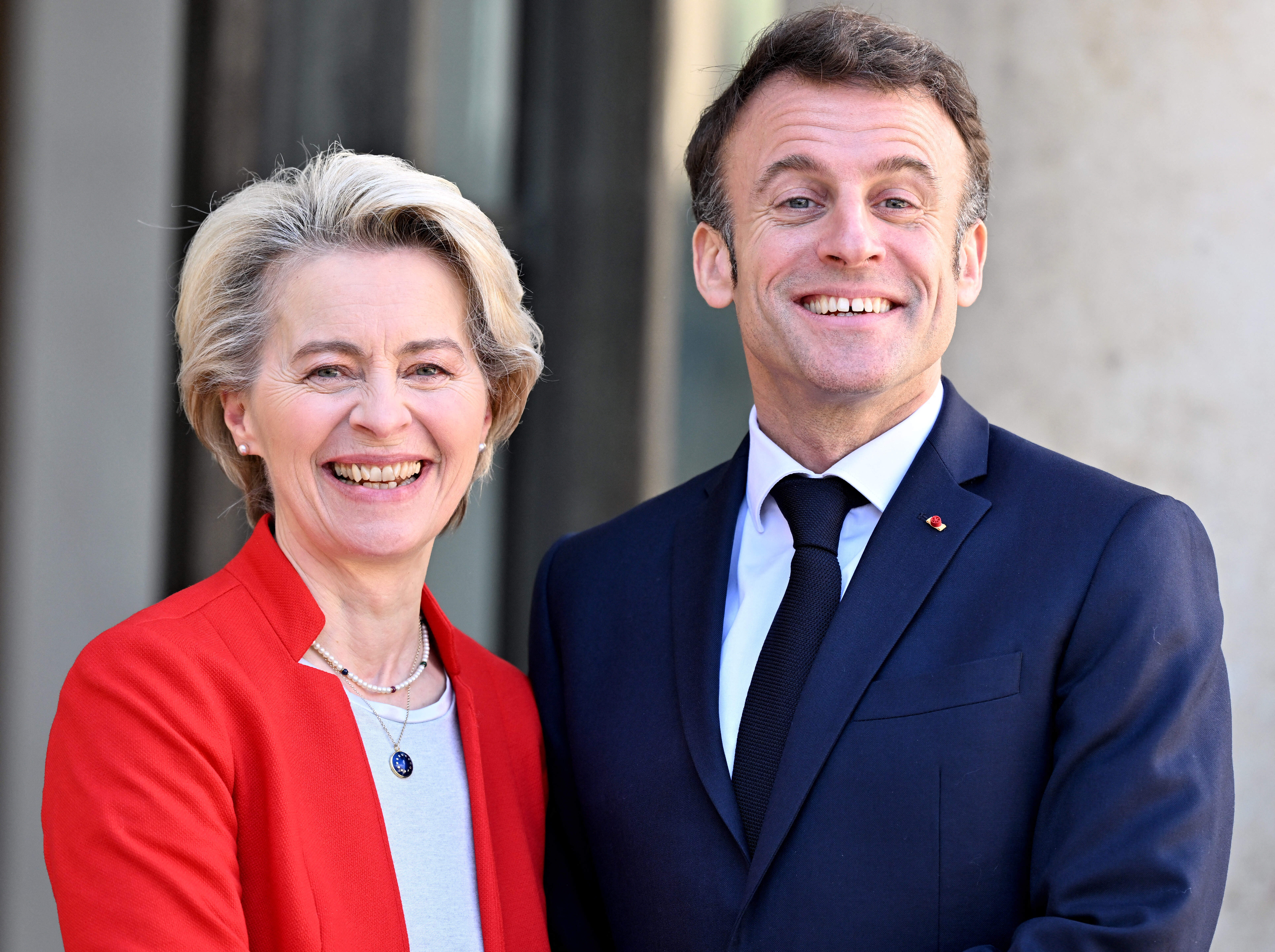
馮德萊恩與馬克龍
歐洲的戰略自主在於它如何獨立處理與美國、俄羅斯和中國等大國的關係,但這在短期內很難實現。隨着烏克蘭戰火肆虐,歐洲比以往任何時候都更依賴美國。針對馬克龍的言論,美國參議員魯比奧(Marco Rubio)説,如果歐洲不在台海問題上選邊站隊,那麼也許美國應該專注於台灣,讓歐洲人自己處理烏克蘭危機。
無論俄烏衝突持續多久,最有可能的結果仍將是停戰。去年,俄羅斯宣佈將盧甘斯克、頓涅茨克、赫爾松和扎波羅熱併入俄羅斯領土。儘管俄羅斯無法完全控制這四個地區,但它必須佔據一些,以證明其發起特別軍事行動的合理性。這讓烏克蘭面臨着一個噩夢般的局面:既無法加入北約,卻又將在失去克里米亞後丟掉更多領土。
歐洲不可能在北約的陰影下實現戰略自主。馬克龍曾説北約已“腦死亡”。北約的支持者可以指着芬蘭的加入説,北約正在變得更受歡迎。但馬克龍仍然是對的。這場戰爭絕妙地詮釋了北約的尷尬處境:無論多麼強大,北約都不敢對世界上最大的核武國發動攻擊;但聲稱自己是一個防禦組織也很離譜,畢竟,眼下是31個國家在聯合起來對付一個國家。
北約可能會存活下去,甚至能挺到慶祝成立一百週年,但如果它只是變得無關緊要,那又怎樣?英葡聯盟是世界上最古老的聯盟,有600多年曆史,但有多少人知道,又有誰真正在乎?
許多人都在討論另一場冷戰的到來。如果北京和華盛頓之間的唯一共識是避免熱戰,那麼我們可能已經處於一場新的冷戰中。不過,這一次的不同之處在於,這是兩個大國之間的競爭,而不再是兩個陣營的競爭。
這場競爭首先看的是誰犯的錯誤更少,其次是看誰能更好獲取第三方的支持。主要戰場不是在全球南方,因為美國在那裏已完敗給中國,尤其是在非洲和拉丁美洲。主戰場也不會在印太地區,那裏很少有國家願意選邊站隊。新冷戰的主戰場將是在歐洲,那裏包括美國的大部分盟友,而他們的最大貿易伙伴卻是中國。
隨着時間推移,跨大西洋聯盟必將式微。即使美國的衰落是緩慢的,它也無法維持全球軍力部署的費用。它將不得不從世界多地包括中東和歐洲撤出,把重點放在印太地區,因為美國認定中國是一個長期威脅。歷屆美國總統,無論是共和黨還是民主黨,都要求歐洲人承擔更多的自身安全責任。換言之,即使歐洲不情願,它也必須戰略自主,
歐洲同時把中國當作夥伴、競爭者和系統性對手,這説明歐洲對中國的困惑,而非中國的真正本質。今年以來,歐洲多國領導人訪問了中國,原因很簡單:歐洲不能同時與中俄兩國為敵。俄烏衝突持續時間越長,歐洲就越期待中國幫助調解。
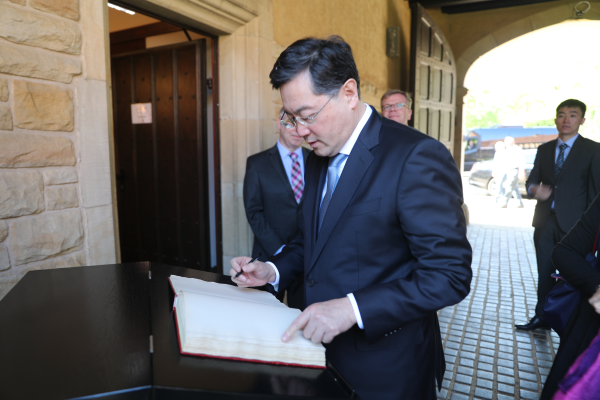
2023年5月10日,國務委員兼外長秦剛在柏林參觀波茨坦會議舊址並發表講話。秦剛外長在簽名簿上留言:維護戰後國際秩序、促進世界和平繁榮、實現中國國家統一。圖自中國外交部
歐洲大概會以務實的態度處理與中國和美國的關係,即根據具體情況具體應對,而不是選邊站隊。
只有一種情況可能從根本上改變歐中關係:台海戰爭。但沒有任何證據表明,台灣會成為“下一個烏克蘭”。
雖然大多數台灣人希望維持現狀,但兩岸融合的進程已經開始。據估計,2020年有120萬台灣人,或台灣人口的5%,在大陸生活和工作。只要中國保持開放,這一進程就不會停止。
北京的戰略耐心也體現在大陸在台島周圍的第二次軍事演習中。即使北京明確將蔡英文與美眾院議長麥卡錫在加州的會面視為挑釁,其反應也比麥卡錫前任佩洛西訪台時要謹慎得多。此次軍事演習模擬了打擊,但沒有進行實彈射擊。
中國比誰都清楚,和平統一最符合其利益。更重要的是,和平統一仍然是可能的。
戴高樂的最大政治遺產是,戴高樂之後的每一位法國政治家似乎都是戴高樂主義者。但是,如果説戴高樂是在為法國代言,那麼馬克龍則是在試圖為歐洲代言。時間會證明,他比馮德萊恩更有遠見。在21世紀的多極世界中,只有成為一極,歐洲才最能展現其實力。
翻譯:李澤西
核譯:韓樺
英文原文:
French president Charles de Gaulle once said: “It will not be any European statesman who will unite Europe: Europe will be united by the Chinese.” He must be turning in his grave to see how Europe has been divided, rather than united, by the Chinese.
On a recent joint visit to China to show European solidarity, president of the European Commission Ursula von der Leyen and French President Emmanuel Macron, however, seemed poles apart. Von der Leyen criticised China’s friendship with Russia and spoke of a need to “de-risk”. Macron said Europe must avoid being drawn into any US-China conflict over Taiwan, and has maintained that Europe should not become a “vassal”.
Europe’s strategic autonomy lies in how it deals with major powers such as the United States, Russia and China independently, but it won’t happen any time soon. With war raging in Ukraine, Europe is more reliant than ever on America. In reaction to Macron’s comments, US Senator Marco Rubio said if Europe would not pick a side between the US and China over Taiwan, then maybe the US should focus on Taiwan and let the Europeans handle Ukraine themselves.
However long the Ukraine war lasts, the likely outcome is an armistice. Last year, Russia declared the incorporation of Luhansk, Donetsk, Kherson and Zaporizhzhia. Although Russia can hardly have full control of the four provinces, it must have some gains to justify its war. That leaves Ukraine with a nightmare scenario: no Nato membership and the loss of further territory after Crimea.
Europe cannot possibly grow its strategic autonomy while in the shadow of Nato, the transatlantic security alliance. Macron famously said Nato was “brain-dead”. Supporters can point to Finland’s entry to say Nato is becoming more popular, but Macron is still right. The war brilliantly illustrates Nato’s Catch-22: no matter how strong, Nato does not dare launch an attack on the world’s largest nuclear-armed state, but neither can it claim defence – 31 countries ganging up on one looks ludicrous.
Nato may survive and even celebrate its centenary, but so what if it merely becomes irrelevant? The Anglo-Portuguese Alliance is the world’s oldest, at over 600 years, but how many people know, and who really cares?
Much has been said about the advent of another cold war. If the only consensus between Beijing and Washington is to avoid a hot war, then we probably are in a new cold war. What makes this one different, though, is that this is a competition between two giants, rather than two blocs.
The competition, then, is first to see who makes fewer mistakes and, then, who can win over the third parties. The battleground won’t be in the Global South, where the US has very much lost to China, especially in Africa and Latin America. It won’t be in the Indo-Pacific either, where few countries want to take sides. It will be in Europe, where the US has most of its allies and where China is the largest trading partner.
Gradually, the transatlantic alliance will relax. Even if America’s decline is gradual, it cannot afford a global military presence. It will have to retreat from around the world, including from the Middle East and Europe, to focus on the Indo-Pacific, where the US sees China as a long-term threat. Successive US presidents, Republican and Democrat alike, have asked Europeans to take greater ownership of their security. In other words, Europe has to have strategic autonomy, even if it doesn’t want to.
That Europe takes China as a partner, competitor and systemic rival at the same time says more about Europe’s confusion about China, than what China really is. This year has seen a blitz of visits to Beijing by European leaders. The reason is simple: Europe cannot afford to have sour relations with Beijing and Moscow at the same time. The longer the war, the more Europe will look to China for mediation.
Presumably, Europe will deal with China and the US with pragmatism, that is, making choices on issues case by case, rather than picking sides.
There is only one scenario that could change Europe-China relations fundamentally – a war in the Taiwan Strait. But there is no evidence that Taiwan is bound to become the next Ukraine.
Although most Taiwanese wish to maintain the status quo, the process of cross-strait integration has begun. An estimated 1.2 million Taiwanese, or 5 per cent of Taiwan’s population, lived and worked on the mainland in 2020. So long as mainland China continues to open up, this process won’t stop.
Beijing’s strategic patience is also reflected in China’s second military exercise around the island. Even if Beijing clearly took Tsai Ing-wen’s meeting with US House Speaker Kevin McCarthy in California as a provocation, its response was much more measured than when his predecessor, Nancy Pelosi, visited Taiwan, in that it simulated attacks without the live firing of weapons.
Beijing knows more than anyone that peaceful reunification is in its best interests, and more importantly, that it is still possible.
The potent legacy of de Gaulle is that every French politician after him seems to be a Gaullist. But if de Gaulle was speaking for France, Macron was trying to speak on behalf of Europe. Time will prove that he is more prescient than von der Leyen. In a 21st-century multipolar world, a Europe that stands as a pole would look its strongest.
本文系觀察者網獨家稿件,文章內容純屬作者個人觀點,不代表平台觀點,未經授權,不得轉載,否則將追究法律責任。關注觀察者網微信guanchacn,每日閲讀趣味文章。
