姆貝基:非洲經驗告訴我們,首先應該做的不是相互指責、站隊
俄烏衝突一開始,西方國家就試圖將原本遠離衝突中心的非洲捲入其中,對此,南非總統拉馬福薩曾坦言,與其他非洲國家類似,他的國家也面臨“巨大的壓力”,並被要求放棄長期以來堅持的不結盟政策。
另一方面,西方國家卻枉顧自身帶給非洲的發展問題。非洲人均GDP曾一度是中國的兩倍,但自上世紀90年代被中國趕超後,非洲人均GDP不增反降,政治、社會和健康等問題也在持續肆虐。
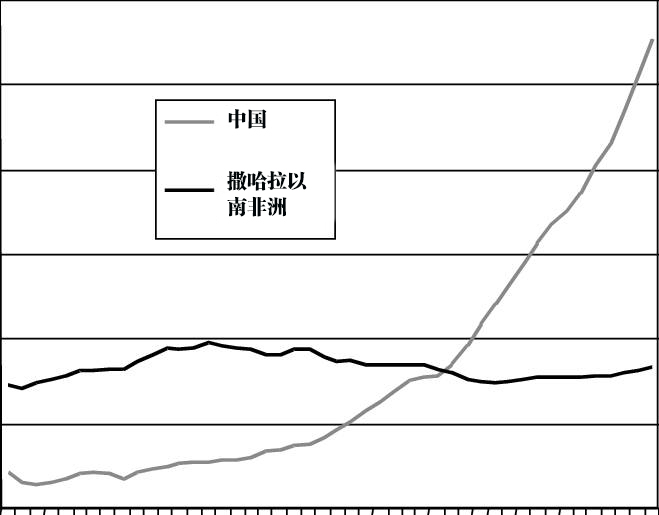
中國與撒哈拉以南非洲1960至2005年人均GDP對照(圖源:ResearchGate)
這其中,南非是非洲人口1000萬以上國家中人均GDP最高的國家,可以説代表了非洲發展的希望。然而,南非也是非洲發展困境的化身,過去十餘年經濟陷入持續停滯,能源、糧食和飲水短缺危機也在近年頻頻發生。
為解決非洲面臨的問題,1999年-2008年間擔任南非總統的塔博·姆貝基(Thabo Mbeki)一直積極推動“非洲復興”,促進非洲大陸的社會凝聚力、民主機制和經濟增長,使非洲成為一個重要的地緣政治角色。他還是全球南方國家開展“南南合作”的堅定倡導者,現在是南方中心的董事長。
近日,姆貝基接受觀察者網專訪,就“非洲復興”、蘇丹局勢、俄烏衝突、南非經濟等話題分享了自己的看法。他闡述了自己對解決國際熱點衝突問題的思路,構想出了對多極世界的願景,並對前總統曼德拉做出了評價。
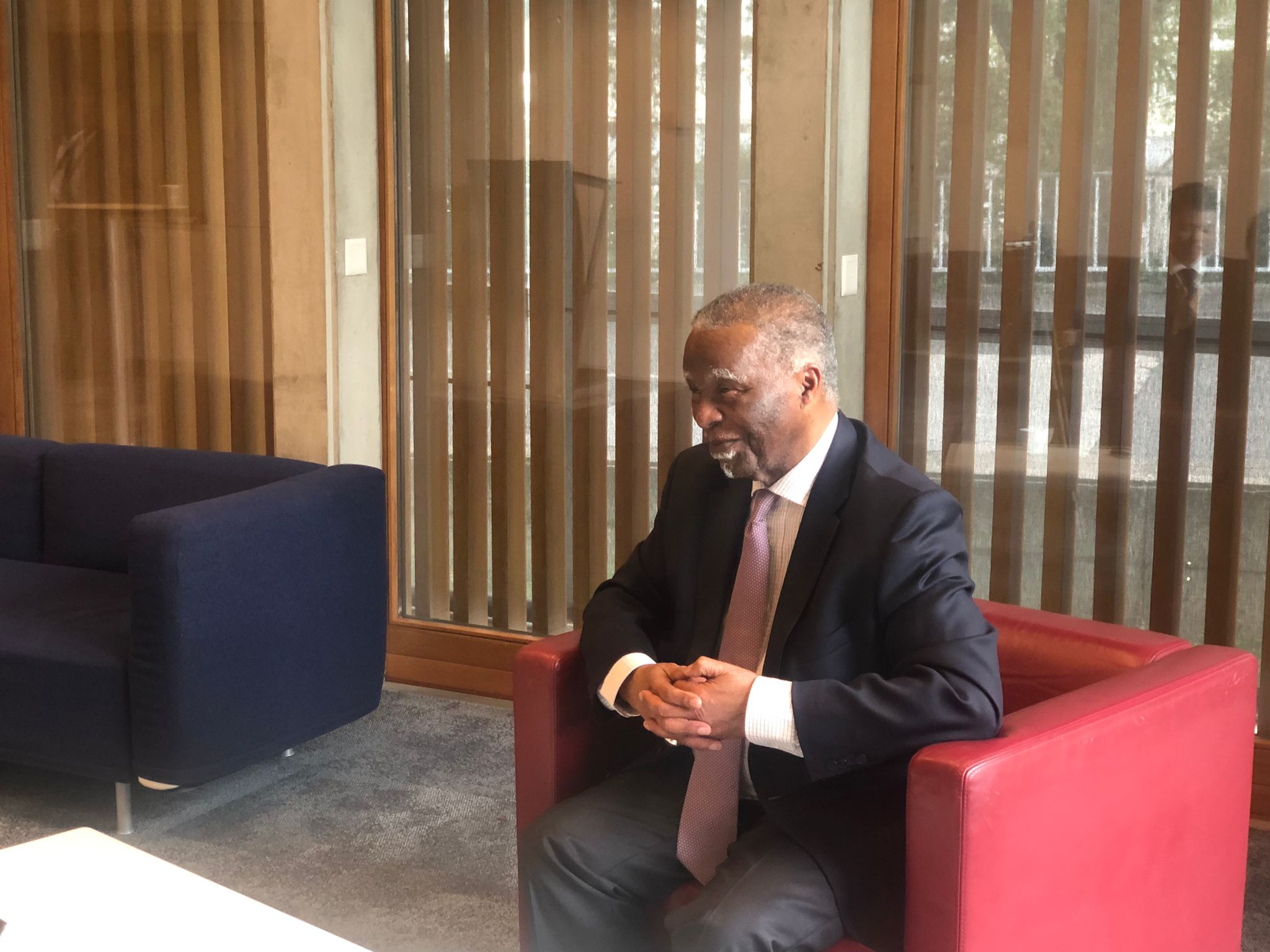
姆貝基接受觀察者網專訪
以下為採訪實錄:
【採訪、翻譯/觀察者網 李澤西】
非洲大陸面臨民主化挑戰
觀察者網:姆貝基先生,您一直是南南合作和“非洲復興”的倡導者。這個願景面臨的最大挑戰是什麼?
**姆貝基:**南南合作從初步設想發展到今日,這個願景仍面臨挑戰,即南方國家若想成功,就必須一起成功、統一行動,因為有許多需要共同解決的問題。要想在全球範圍實現2030可持續發展目標,我們就不能落下任何一個國家;如果有哪個國家遭到遺棄,這個國家必定來自南方。為確保這種情況不會發生,我們需要南南合作。這將是一個持續的挑戰。
提出南南合作,也與“非洲復興”倡議有關,因為過去奴隸制和殖民主義的影響仍然遺存,尤其在非洲大陸。我們需要克服這一點,這意味着解決欠發展問題、貧困問題、國際邊緣化等問題。“非洲復興”必須要解決這些問題,並將有助於促進與之類似的南南合作。
觀察者網:“非洲復興”面臨挑戰的一個具體例證是當下的蘇丹武裝衝突。您認為如何才能解決這個問題?
**姆貝基:**這是一個非常具體的問題,是蘇丹國內兩個武裝機構——蘇丹武裝部隊和快速支援部隊——之間的衝突。
首先要做的就是解決平民的擔憂,因為衝突已經給平民帶來了災難。衝突的主要熱點地區首都喀土穆正面臨飲水短缺。因此,人道主義停火是非常重要的,這樣平民的基本訴求才能得到解決。
第二步當然是解決衝突本身,這與實現蘇丹國內的軍事機制改革有關。這是一個老問題了,多年來一直困擾着蘇丹。許多人已經正確地提出,一個國家不應有兩個武裝編隊。因此,快速支援部隊與蘇丹武裝部隊必須合併,這需要武裝部隊之間進行談判,但應在人道主義援助問題得到解決後完成。
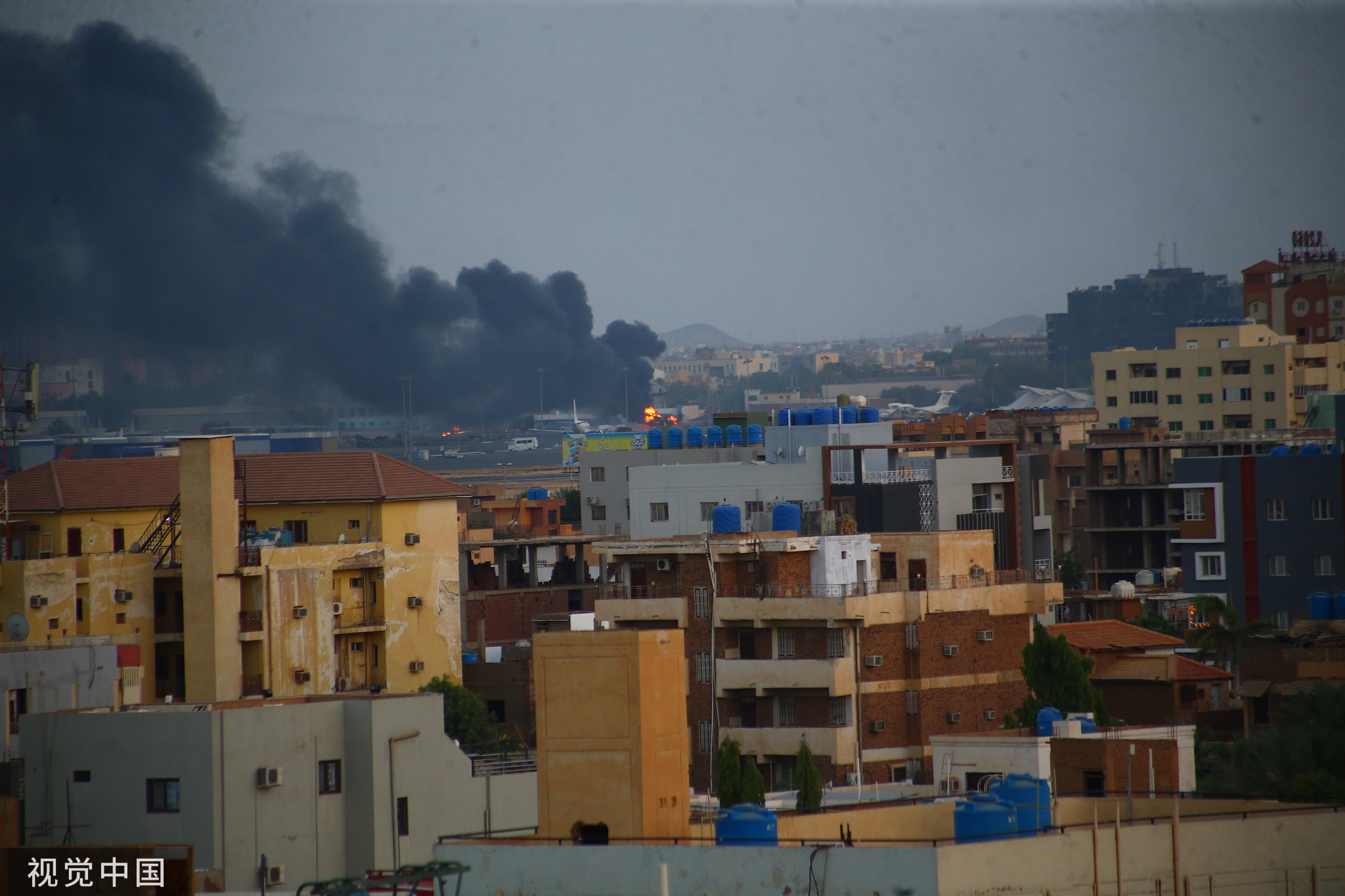
蘇丹首都喀土穆持續發生武裝衝突(圖源:視覺中國)
最後,我們還必須談到蘇丹的民主化進程。和談必須確立蘇丹將成為一個民主國家,確保自前總統巴希爾(Omar al-Bashir)下台以來的過渡進程得以持續下去。我們必須回到這一進程,但首先需要實現停火。
觀察者網:您認為這反映了非洲發展過程面臨的普遍挑戰,還是隻反映了蘇丹特有的問題?
**姆貝基:**這是蘇丹特有的問題,其他非洲國家國內沒有兩支官方軍隊。
觀察者網:但最近,多個薩赫勒地區(即撒哈拉沙漠南部邊沿地區)國家發生了軍事政變,例如布基納法索、馬裏等。軍隊推翻文官政府,似乎在非洲是很廣泛的現象。
**姆貝基:**非洲大陸確實面臨民主化的挑戰,除了蘇丹,還有您提到馬裏、尼日爾、布基納法索等等,這些國家發生的軍事政變都證明他們尚未建立穩定的民主政體。
非洲聯盟在這個問題上出台過多個立場文件,現在非聯必須採取果斷行動,向這些非洲國家提供支持,以落實非聯在民主問題上的現有政策,避免軍事政變等問題。
觀察者網:繼任您的南非前總統祖馬在您所奠定的外交政策基礎上,推動南非於2011年正式成為金磚國家一員。既然南方中心與金磚國家都致力於促進發展中國家利益,您認為兩個機構應如何協調與互動?
**姆貝基:**南方中心是南方國家的資源中心,某種意義上是南方國家的智囊團,能夠提出並闡述南方國家在國際場合的互動和談判中應該採取的立場,例如在貿易、知識產權、人權等問題上,在南方國家與世貿組織、世衞組織等機構進行談判協商時,為這些國家提供相關信息。這是南方中心的一個具體作用,也是一個非常重要的作用。
金磚國家在實操層面應對的是與南方中心同樣的問題。比如説,金磚國家新開發銀行有一個特定的任務,即一些南方國家可以借用資金來發展經濟。對於南方中心來説,可以借鑑新開發銀行提供的經驗,幫助南方中心成員國。

4月13日,新開發銀行行長迪爾瑪·羅塞夫就任(圖源:AFP)
為了實現自己的價值,南方中心需要非常密切地關注金磚國家的舉措,將其成功的經驗反饋給其他南方國家。因此,兩個組織建立聯繫是很重要的。
作為非洲人,我們的第一反應是呼籲停火
觀察者網:南非一直在聯合國許多關於俄烏衝突的決議中投棄權票,並因此遭到部分西方媒體和政府的批評。南非投棄權票的原因是什麼?您對這場衝突有什麼看法?
**姆貝基:**就俄羅斯和烏克蘭之間的交戰,我認為南非政府採取的立場是正確的。非洲的經驗是,當任何非洲國家爆發衝突,比如現在的蘇丹,作為非洲人,我們的第一反應是呼籲各方停火,然後再仔細研究衝突背景,到底是什麼導致衝突爆發,從而找到解決方案。
在非洲,我們從不一開始就指責某一方。現在需要的是解決衝突,而不是一開始就説,“你是錯的”、“你是對的”,而應一開始就強調,雙方都應停止射擊。
在談判過程中,我們才會討論哪些舉措是錯誤的,哪些是正當的,什麼應該做,什麼不應該做。(對於非洲來説),這種思維方式某種意義上是發自直覺。南非就俄烏衝突的立場,與其對非洲每一場衝突的立場是一致:停止戰鬥,讓我們走向和平。至於追責,這是以後的事。
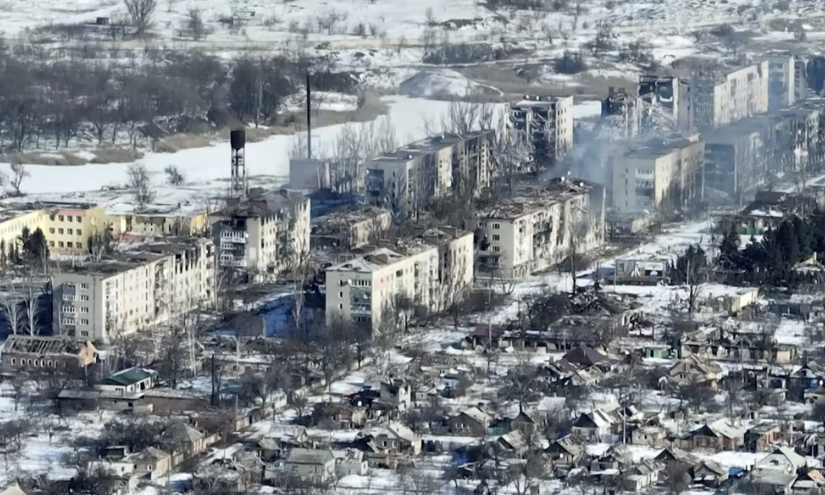
巴赫穆特的廢墟(圖源:AP)
觀察者網:您曾斡旋津巴布韋執政黨“津巴布韋非洲民族聯盟-愛國陣線”與反對派之間的對立,即所謂的“安靜外交”。您當時最重要的指導原則是什麼?您認為類似的思維可否應用於解決俄烏衝突?
**姆貝基:**津巴布韋有嚴重的政治、經濟等方面的問題。解決這些問題的方法,是讓津巴布韋人自己相互接觸,共同定義國家的未來。因此,我們在促進津巴布韋談判的過程中,首先是確保政府和反對派坐在一起,共同定義國家的問題,共同找到解決方案。南非不能從外部介入,指令津巴布韋人坐到一起,説教他們應如何解決他們自己的問題,這樣達成的協議不會持久的,需要衝突方自主達成的協議,這是一勞永解決問題的唯一途徑。
這就是為什麼俄烏衝突必須以同樣的方式處理。衝突沒有武力解決方案,必須由俄羅斯人和烏克蘭人以及其他相關方——如美國人——同坐一桌,並討論是什麼導致了這場戰爭?問題出在哪裏?如何解決?
觀察者網:俄烏衝突一週年之際,中國公佈了一個十二點和平計劃。您對這一方案有何看法?
**姆貝基:**這是一個非常好的和平出發點。沒有任何一方應強求中國做出任何承諾,也不應要求中國支持衝突的某一方。中國只是説,我們需要停止這場衝突,這為何不能成為我們遵循的基礎?我認為中國是對的。
此外,我認為中國確實是一個非常合適的調停方。但有些人試圖將此政治化,強求中國站隊。中國的立場是,不,我們需要的是停止戰爭(而非站隊)。中國對交火雙方提出了些建議,讓大家走和平之路。我認為這是正確的。
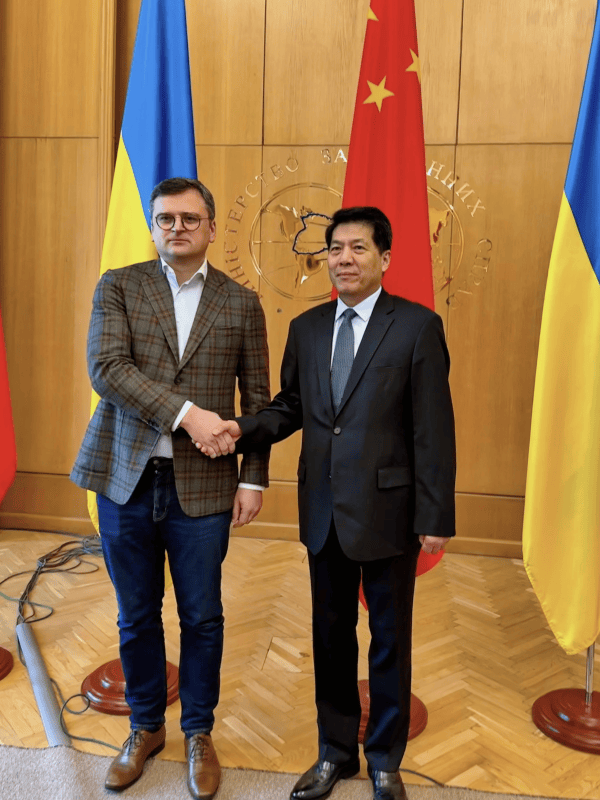
中國政府歐亞事務特別代表李輝16日會見烏克蘭外交部長庫列巴
觀察者網:這也是中國一貫的立場,而最近國際上關於“脱鈎”和“對抗”的討論越來越多,關鍵似乎在於美國希望強推西方民主制度,而中國則認為發展才是最重要的民主權利。您如何看待雙方的説法?
**姆貝基:**我認為當下突顯的討論主題,實際上是關於多極化與單極化,多邊主義與單邊主義的對立問題。顯然,正確的途徑是多極化,這意味着沒有人能夠單方面指使各國應該做什麼、怎麼做。世界需要發展,而發展又有不同的道路,比如中國就會有獨特的發展道路和思維,而另一個國家可能有不同的看法,這必須得到允許。
關鍵是,我們需要全世界,包括美國、中國、俄羅斯、南非等國都承認,我們想要建立一個多邊和多極的世界。如果我們能把大家團結起來,就有可能實現全球穩定,統一人們對世界未來的願景。這是我們需要做的核心工作。
觀察者網:探尋適合自身的發展道路,這也是南非面臨的問題,您的前任納爾遜·曼德拉(Nelson Mandela)就是這樣的先驅。曼德拉我們已經很熟悉了,您曾擔任過他的副總統,您接觸到的他還有哪些不為人所知的故事?鑑於南非近年經濟增速令人失望——自您2008年卸任以來,南非人均GDP基本持平——有些人試圖將責任歸咎於曼德拉;您認為他留給後人什麼樣的政治遺產,我們應該如何看待他?
**姆貝基:**我認為外界對曼德拉的印象基本上是正確的。他是一名領軍的解放戰士,將南非從種族隔離制度中解放出來。為此,他在監獄裏呆了27年,但從未放棄信念、從未投降。
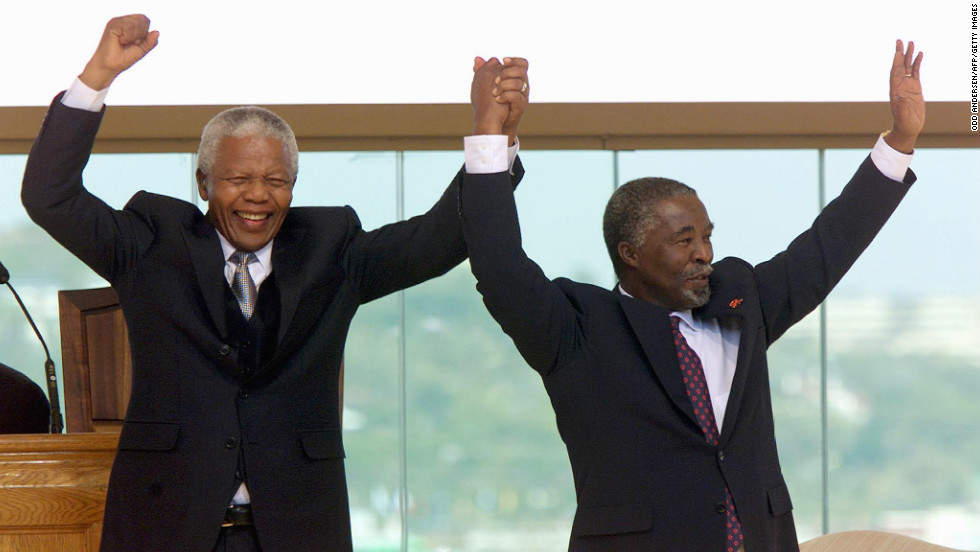
曼德拉(左)出席繼任者姆貝基(右)1999年的就職典禮(圖源:AFP)
他是解放事業的傑出代表人物,與非國大一起正確認識到南非有一個人口比例較大的少數民族人口,即白人移民。翻閲非洲大陸的歷史,阿爾及利亞曾有非常大的法國殖民人口,但阿爾及利亞獨立後,法國人都離開了,回到了法國。在葡萄牙的殖民地,如安哥拉、莫桑比克,葡萄牙殖民者在後者獨立後都回到了葡萄牙。肯尼亞的英國人也是如此。
但是在南非獨立後,那些早期白人移民人口哪兒都沒有去,因為他們現在也是南非人了,也因此給南非帶來了民族和解問題。許多人曾慘遭嚴酷的壓迫,但現在大家都是一個國家的公民,人們應該如何共處?在這一充滿衝突和分裂的背景下,我們仍然需要建立屬於南非全體人民的民主政府。曼德拉在解決這一特殊挑戰的過程中發揮了非常重要的作用,解決方案也非常具有“南非特色”。
正如你提到的,南非經濟狀況很糟糕。這與曼德拉無關,而是與南非的歷史有關,與民族和解進程有關。因為過去和現在國家的財富都掌握在殖民者手中,他們控制了經濟命脈,而黑人現在控制了政治權力。在這種情況下,我們需要做的是什麼?我們需要讓這些擁有財富的人與控制政治的黑人一樣,同樣忠於國家的未來。這一直是矛盾之所在。在南非民主化之後的許多年內,很多白人資本家對南非的未來沒有信心,他們不願意投資,因為(他們擔心)未來會很糟糕。
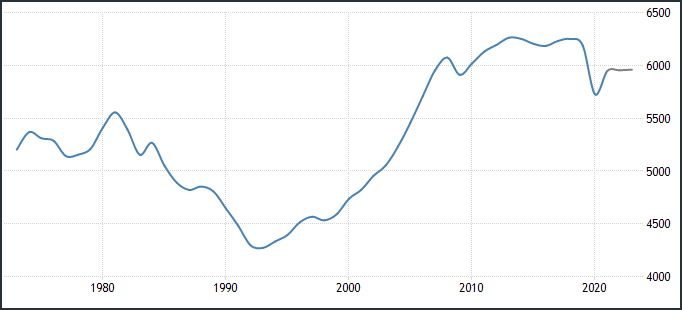
南非人均GDP走勢,數據自世界銀行(圖源:TradingEconomics)
最根本的是歷史問題,南非的歷史導致白人擁有大量財富,在相當程度上掌握有關經濟的決策,南非經濟所需要的投資也在白人手中。所以,我們要説服他們:作為南非公民,你們有責任投資自己國家的經濟,而非擔心未來。這是經濟危機的核心所在。現在,南非的整體氣氛發生了變化,財富的擁有者已準備投資南非經濟。(經濟狀況不佳)與曼德拉沒有關係,這是南非的歷史問題。
英文原文:
Guancha: Mr Mbeki, you have been a champion of South-South cooperation and an “African Renaissance”. What are the greatest challenges to this vision, especially in Africa?
Mbeki: When the South-South cooperation process was visualized, and where we are today, the challenge still remains that, for the countries of the south to succeed, they must succeed together, they must act together, because there are all of these issues that need to be addressed. If, for instance, you look at the Sustainable Development Goals that we must achieve by 2030, and nobody must be left behind; the people who would be left behind, if anybody is going to be left behind, are from countries of the South. And in order to ensure that doesn’t happen, we need that South-South cooperation.
So that’s a continuing challenge. It’s related to the matter you were raising of an African renaissance, a rebirth of the continent, because all of the legacy of the past, legacies of slavery, legacy of colonialism remains, that legacy remains on the continent. You need to overcome that, which means addressing matters of under-development, matters of poverty, matters of internationally marginalization. Those challenges remain. The African renaissance has got to address all of those issues. Africa’s renaissance would contribute to the same matter of South-South cooperation.
Guancha: A specific example of the challenges that African renaissance faces would be the conflict in Sudan. How do you think this can be resolved?
Mbeki: There’s a specific current matter of the conflict that’s going on between two state formations, these armed groups, the Sudan armed forces and the (Rapid) Support Forces. They are both official organs of state. The first thing to do then is to address the concerns of the civilian population, because the conflict has resulted in disaster for the civilians. Reportedly, the capital city Khartoum, where a lot of the conflict is taking place, is running out of water. So a humanitarian ceasefire is very important, so that the needs of the civilian population can then get addressed. That’s the first step.
The second step of course is to address the conflict itself, which has to do in part with effecting a security sector reform. It’s an old problem of Sudan, has come with Sudan over the years, but we need to reform the security sector, and the matter has been raised correctly that you should not have the two armed formations. The Rapid Support Forces must be integrated with the Sudanese armed forces. That matter has to be done, but it requires a negotiation among the armed forces, but that will follow after this matter about humanitarian assistance has been addressed. Altogether, you then have to come to this matter of the democratization of Sudan, a negotiated process in Sudan, which must address the establishment of Sudan as a democratic country, which this transitional process since the removal of president Bashir has been about. We must go back to that. But it requires a ceasefire in the first instance.
Guancha: Do you think this reflects broader challenges with Africa’s development or just specific issues with Sudan?
Mbeki: It’s a specific matter regarding Sudan, there’s no other African country which has got two official armies.
Guancha: But recently, a number of Sahel countries have seen military coups and attempted military coups, for example, Burkina faso, Mali, etc. On military usurping civilian government, there does seem to be a broader pattern.
Mbeki: You’ve got a challenge on the continent. It’s also facing Sudan, this democratization matter, (and) the countries you mention, whether it’s Mali, Niger or Burkina Faso and so on. The matter that arises out of these military coups is that we have not established stable democratic systems. The African Union has got all manner of policy positions on the same question. It means the continent must then act decisively to implement what are already established positions about the democratization of the continent. And the African union must lend its weight to each of these African countries to implement existing policies of the African union on the matter of democracy, so that we don’t have military coups and all of that.
Guancha: Your successor as South Africa’s president, Mr Zuma, building on the foreign policy foundation that you had laid, formally joined BRICS in 2011. As two institutions both focused on promoting the interest of developing countries and the global south, how should the work of BRICS and the South Centre intersect and interact in your view?
Mbeki: The South Centre is a is a resource center for the countries of the south, in a sense a think tank of the countries of the South, to be able to make and elaborate the positions that countries of the south should take mainly in their interaction and negotiations within, for instance, the UN context, whether it’s trade matters or intellectual property or human rights issues. The South Centre is that kind of resource center, to feed into the countries of the South, as they engage these negotiations with the WTO, WHO globally. It’s a specific role to the South Centre and a very important role.
BRICS addresses same questions on a practical basis. For instance, you have the BRICS bank, which has got a particular mandate which countries of the South can access and do access for their development purposes. That kind of experience needs to feed into the South Centre, that our experiences with regards to meeting these development processes from our own banks as exemplified by the BRICS bank’s experience.
The South Centre, for its own purposes, needs to be watching very closely what BRICS is doing in order to feed the positive experiences of BRICS into the rest of the countries of the South. So that connection is important.
Guancha: South Africa has consistently voted to abstain in numerous UN resolutions on the War in Ukraine, and was criticized by Western media and governments for it. What is the reason for South Africa’s abstain vote? What is your view of this conflict?
Mbeki: I think the position that the South African government has taken is correct. There’s a war that’s going on between Russia and Ukraine. It’s an African experience: when a conflict breaks out in any African country, like Sudan, the first thing that we do as Africans is to say, stop the guns, stop shooting, so that we can then look at the matter, what caused the shooting, find a solution. We never ever on the continent starts those processes by blaming one side or the other. There is a conflict to be resolved. And you don’t start off by saying, no, you are wrong and you are right. We start with saying let’s stop the shooting. It’s in the course of the negotiations that we discuss the matter of what was wrong, what was right, what should be done, what should not be done. It’s in a sense instinctive. What South Africa says with regards to Russia and Ukraine, it has said with every conflict on the African continent. Stop the fighting. Let’s bring about peace. The matter of attributing blame for that comes later.
Guancha: You were the primary mediator in the conflict between Zimbabwe’s governing ZANU-PF and the opposition, and what was known as the “quiet diplomacy”. What were the most important guiding principles of your approach? Do you think similar thinking could be applied to resolve the international conflict between Russia and Ukraine?
Mbei: Zimbabwe’s got serious problems: political, economic (etc). And the way to solve those problems is to get the Zimbabweans themselves to engage one another, to define the future of their country. So our task, facilitate the Zimbabwe negotiations, was to make sure that the government and the opposition, they get together, between them identify what the problems are, and together find a solution. That’s the only way you are going to find a permanent solution. South Africa cannot come from the outside and say, Zimbabweans, sit together and we are going to tell you how to solve your problems. That agreement would never last. You need an agreement from the belligerents. That’s why the conflict in Ukraine has got to be dealt with in the same way, it’s not going to be resolved by a use of force, it’s got to be resolved by the Russians and the Ukrainians and other people concerned, like the Americans, sitting together and saying, what is it that caused this war? What’s the problem? How do you resolve it? And so the belligerents, together with whoever else, they must be the ones to produce a solution. That is what is necessary with regards to the conflict in Europe.
Guancha: China has recently published a twelve points plan outlining how to move towards peace in Ukraine. Do you think this might be a good starting approach for peace? What is your view of this?
Mbeki: It’s a very good starting point. And nobody should be requiring that the People’s republic of China should say anything which suggests a commitment, more support from one side or the other. But to say we need to stop this conflict, why don’t we follow this basis at the start? I think it’s correct. And I think actually China would be a very good facilitator of a process like that. But I think some people are politicizing this matter, in this sense of requirement China to take sides. No, China is saying that we need to stop this war. We’ve got certain proposals to make to the belligerents. Let’s take that route. And I think that is correct.
Guancha: Recently, there has been increased talk of decoupling and confrontation on the global stage. Key to this seems to be America’s desire to see all countries adapt a more Western model of democracy, while China believes that development is the most important democratic right. What do you think of these narratives?
Mbeki: I think the current discussion, which has emerged very sharply, is this issue of multipolarity versus unipolarity, multilateralism vessels unilateralism. And clearly what is correct, is a multipolar approach, multilateral approach, which means therefore that nobody should be able to dictate from a unipolar position what the rest of the world should be doing. The world has got to develop, take different paths of development, because China will have a particular perspective about what it needs to do to develop. And another country may have a different point of view. That’s got to be allowed. So I’m saying that at the center of it, is a need for the whole world, including the US, China, Russia, South Africa, everybody, to recognize this reality that we want a world that is governed on a multilateral basis and on a multipolar basis. If we can get all of that together, then it would be possible to achieve global stability and a shared perspective about the future of the world, of the globe. I think that is centrally what we need to do.
Guancha: This had also been emphasized by your predecessor, former President Nelson Mandela. You had previously been his Deputy President. What do you think are some aspects of Mandela that aren’t so widely known? And given that South Africa’s recent economic growth has been disappointing, with GDP per capita essentially flat since you left office, some have tried to pin the blame on Mandela. What do you think? How do you think he should be remembered by us all?
Mbeki: I think the way that people speak about Mandela is largely correct. This was a leading liberation fighter, for the liberation of South Africa from apartheid and all that. That’s why he ended up in jail for 27 years, never broke, never surrendered. He’s an outstanding figure for liberation, was quite correct, together with ANC, to say South Africa has got a proportionally very large minority population who are settlers. If you look at the history of the continent, Algeria had a very big French settler population. At independence, they all left and went back to France. Look at the Portuguese colonies, Angola, Mozambique, the Portuguese left and went back to Portugal. Or the English from Kenya.
But in South Africa, no, they are not going anywhere. Those white original settler population, they’re South Africans. And therefore the issue arises in South Africa of this national reconciliation. People had been oppressed and oppressed, but they are citizens of one country. How should they live together? And I’m saying Nelson Mandela played a very important part in the process of addressing that particular challenge, which is very South African. And out of that situation of conflict and division, you still have to build that democracy which belongs to all the people of South Africa. And again, Nelson Mandela was a front line figure in that context.
The South African economy is in bad shape, as you indicate. It has nothing to do with Mandela, it has to do with the history of South Africa, its related to that same process of national reconciliation, because the effect is that the wealth of the country was and is in the hands of the people that colonize us. So they control the economy, the black population contains the politics. Now, what is it that you need to do? You need to get these people who control the wealth to have the same commitment to the future of the country as the black people who control the politics. That’s been that disjuncture. For many years after South Africa’s democratization, a lot of the capitalist class, which is white, had no confidence in the future of South Africa. And therefore they didn’t want to invest, because (they’re worried) tomorrow is going to be bad.
Fundamental to it, it’s the history. The history of South Africa produces dichotomy of white wealth, decision making about the economy being very much in the hand of the whites, and investment you need in the economy was also in white hands. So we need to persuade them, you have a responsibility as South African citizens to invest in your own national economy, instead of saying you’re afraid of the future. That’s what lies at the center of the economic crisis. There is a changed atmosphere in the country, such that the owners of wealth are now saying were ready to invest in the South African economy. (The poor economic situation has) Nothing to do with Nelson Mandela, it’s the history of South Africa.
本文系觀察者網獨家稿件,文章內容純屬作者個人觀點,不代表平台觀點,未經授權,不得轉載,否則將追究法律責任。關注觀察者網微信guanchacn,每日閲讀趣味文章。
