科雷亞:單個發展中國家勢單力薄,無法有效制衡發達國家-卡洛斯·科雷亞
隨着經濟發展和自主意識的覺醒,近年來,越來越多的南方國家更注重在國際舞台上被看見和聽到,南方國家之間也開始報團取暖,加強彼此交流和合作,南方中心便是其重要平台之一。
近日,南方中心主任卡洛斯·科雷亞(Carlos Correa)在瑞士接受觀察者網專訪,就南方國家如何提升話語權以及去美元化、脱鈎等議題表達了自己的看法,並介紹了南方中心的工作內容。
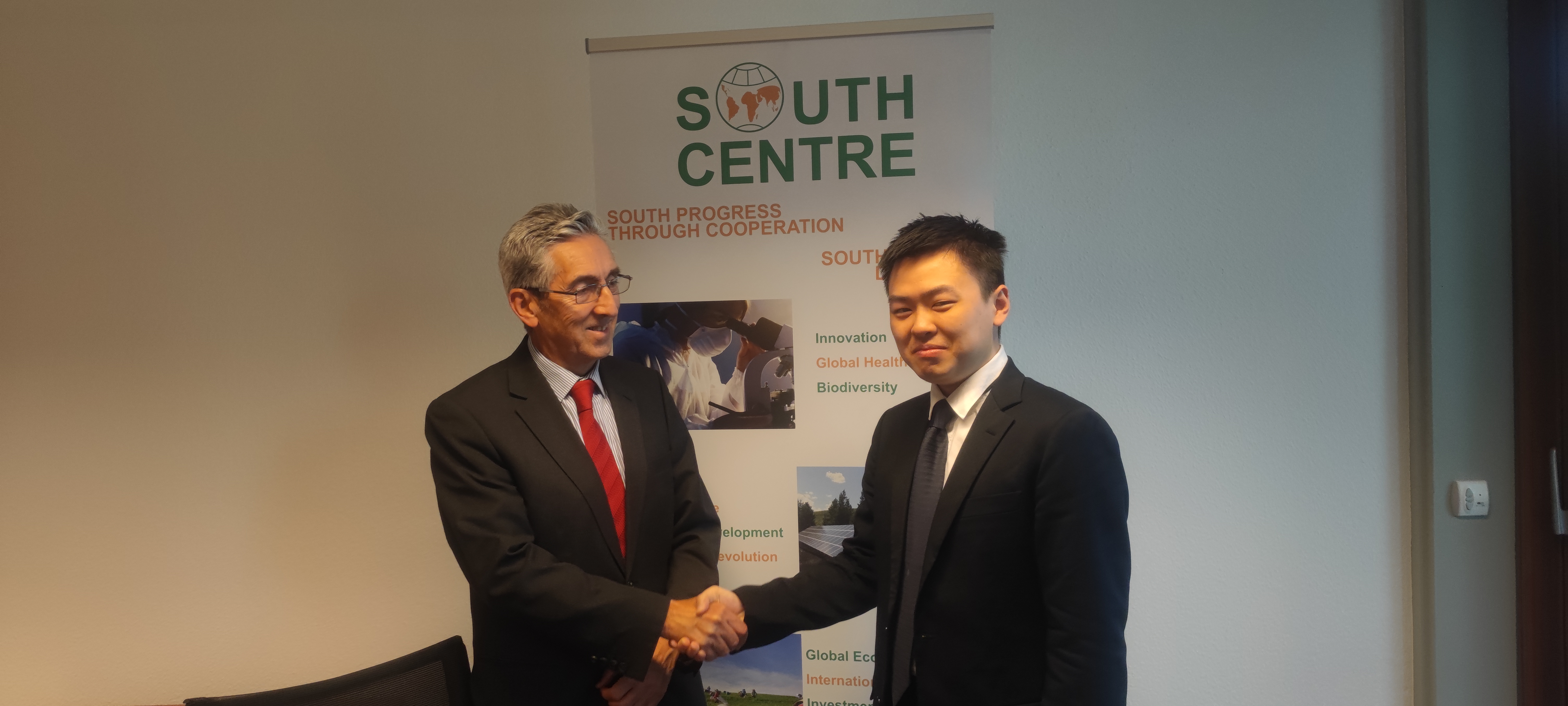
觀察者網記者採訪科雷亞
南方中心源自不結盟運動倡議,於1990年在原南方委員會基礎上建立,總部位於日內瓦,其基本宗旨是加強南方各國的團結與合作,推動建立共同立場,幫助南方國家解決外交和政策難題。目前,南方中心有55個成員國,中國是其創始成員國之一。
以下為採訪實錄:
【採訪、翻譯/觀察者網 李澤西】
觀察者網:可否簡單介紹一下南方中心的工作?
**科雷亞:**南方中心是一個政府間組織,主要工作是幫助發展中國家開展政策研究,以便其制定國家和地區政策,促進當地發展。同時,南方中心還為發展中國家就貿易、投資、知識產權、健康等問題的國際談判過程提供支持。除此之外,我們還努力提高成員國應對重要問題的能力,比如為南方國家提供提高治理能力的培訓,税收在最近一段時間也成為南方中心非常關注的問題。
觀察者網:您認為南方中心近期最大的成就是什麼?
**科雷亞:**南方中心確實幫助發展中國家統一了行動。在很多情況下,單個發展中國家勢單力薄,無法影響國際談判的結果。因此,南方中心為發展中國家提供一個共同討論的平台,互相瞭解各國不同的利益。我們希望能夠推動發展中國家達成共同的立場,以便在國際舞台上有效制衡發達國家的勢力。
我認為這是南方中心的一個重要成就,多領域支持發展中國家,提高發展中國家對議題的理解程度以及集體影響力。我們在很多領域發佈了政策研究報告,被成員國實地使用。我們對報告和書籍的下載量感到非常滿意,這也體現了我們出版的內容對發展中國家解決相關問題確實有幫助。
觀察者網:南方中心是如何處理它所進行的所有工作的?如何確定工作優先等級?
**科雷亞:**我們工作的重點是由南方中心董事會確定的,董事會每三年制定一次工作計劃;同時也由南方中心的各成員國確定,各國代表每年開展一次理事會。董事會和理事會都會判定哪些是發展中國家的關注重點。
當然,重點會隨着時間的推移而變化。發展資本仍然是一個重要的議題,但氣候變化最近才成為一個重要議題,貿易與發展、貿易與環境的關係也愈發具有挑戰性。
鑑於成員國的重要性,我們在日內瓦與各國大使和代表團有非常密切的聯繫,試圖瞭解各國的需求和關注的問題,然後就這些議題開展工作,試圖滿足發展中國家的需求,並靈活響應當前局勢和關注點。例如,在新冠疫情期間,南方中心做了大量的工作,瞭解疫苗分配不平等的狀況,研究發展中國家如何銷售、如何自制研發疫苗。

科雷亞(台上左一)出席聯合國人權理事會第41次會議中國與非洲共同舉辦的“發展對享有所有人權的貢獻”主題邊會
觀察者網:您剛才説對報告和書籍的下載量感到滿意,但您認為南方中心如何能進一步提高其影響力?
**科雷亞:**我們從不安於現狀,我們知道自己可以做得更多,可以繼續改進。因此,我們需要成員國更積極的參與。因為總部設在日內瓦,所以我們與各國在日內瓦的代表團都有密切的聯繫。
放眼未來,一個重要的目標是加強與各國首都的接觸,而非單純與大使聯繫,讓各國更瞭解我們在做什麼,出版了什麼,我們正在進行什麼樣的研究,幫助發展中國家更好地從中受益。此外,我們還希望得到更多來自各國政府的反饋,這對我們非常重要。
我們在過去幾年中改良了對外溝通策略,在社交媒體和報告出版方面都已經有了很大的改進,但仍有提高的空間。就此,我們希望得到成員國和未來新成員的更多支持,我們也正在發展新的南方國家加入南方中心,希望我們的未來能有更大的影響力。
觀察者網:當下,有越來越多的組織、論壇和機構聲稱代表發展中國家的觀點和利益。您認為南方中心與眾不同之處在於什麼?
**科雷亞:**正如我提到的,南方中心是一個政府間組織。與一些其他組織或特定的非政府機構不同,我們沒有自己的特有立場議程,我們的立場基於發展中國家的立場。南方中心是由發展中國家創建的,由他們所有,為他們工作,這是一個區別。
正如我之前提到的,我們對成員國的需求變化反應非常敏捷,這是與其他組織的另一個主要區別。作為一個政府間組織,我們與各國駐日內瓦使團來往密切,他們是我們的主要受眾。
當然,我們也與學者、其他非政府組織、民間社會建立了關係,這些都非常重要,但我們的主要工作對象是各國政府,特別是那些在日內瓦參與國際談判的人,有時也包括駐紐約或維也納的使團人員。
觀察者網:您認為發展中國家目前面臨的最緊迫的挑戰是什麼?
**科雷亞:**有很多挑戰,包括解決氣候變化問題,獲取資金以實施適應的政策,走出新冠疫情,解決各國財政狀況等都是重要問題。
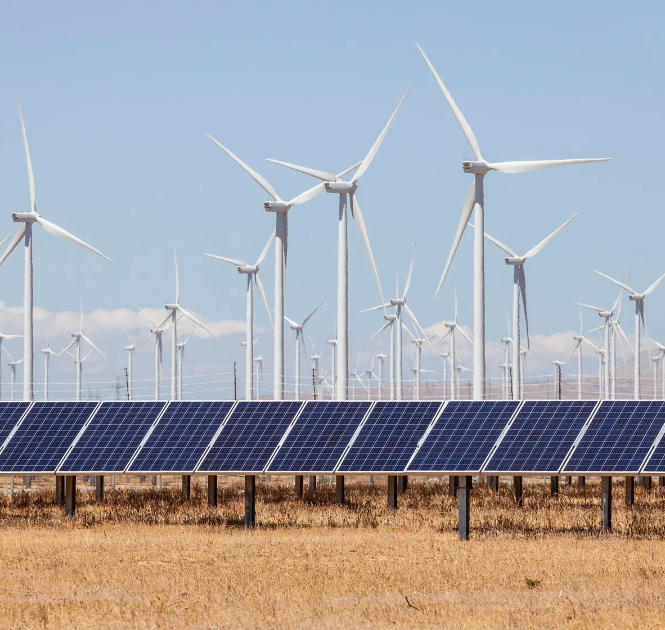
綠色發展需要金融的支持
債務也是個問題,許多國家都負債累累,特別是低收入國家和一些中等收入國家。國際金融架構的改革也是一個重大問題,發展中國家需要朝這個方向努力,確保這個問題得到解決。
南方中心成員國在與世貿組織談判方面也面臨着挑戰。發達國家提出了一些改革,但我們當然也需要來自發展中國家的改革議程,以確保如果世貿組織的改革是為了解決發展需求,並以非歧視的方式改革國際貿易。
觀察者網:您認為應如何改革國際金融架構?這個問題當下備受關注,因為中國正在與一些巴黎俱樂部發達國家就如何重組贊比亞的主權債務進行談判。這一談判過程被多方視為是一個重要的指標,預示未來類似談判可能達成什麼樣的結果。
**科雷亞:**我認為這是一個重要的里程碑。我們需要改革國際金融架構,需要改變國際借款的方式以及借款人的角色,例如改進特別提款權的分配,確保資金到達真正有需求的國家。
我們需要重審“美元霸權”,美元的主導地位正在損害許多發展中國家利益,多國的貨幣都在貶值,當下的金融體系也造成多國經濟難以自力更生。各國確實需要一起努力,以便有效地改變這個體系,這是南方中心成員國的一個主要改革訴求。
觀察者網:在債務重組和去美元化方面,南方中心正在研究什麼樣的解決方案?
**科雷亞:**債務重組是非常重要的。我們需要找到一個架構,以助於發展中國家克服當前狀況。而非美元化的問題迫在眉睫,我們需要做好準備,並尋找替代貨幣。這兩方面都相當重要。
觀察者網:有什麼實際可行的方案?
**科雷亞:**我們需要確保更多發展中國家參與尋找方案的過程。正如我所提到的,去美元化是可預見的,例如,中國現在加大人民幣國際化的力度,印度也在努力推廣盧比,其他許多國家也開始在使用這些貨幣了。拉丁美洲多國也在商討創造一個共同貨幣,以便參與貿易。
這些倡議是相當重要的,可能是改變當前“美元霸權”國際體系的基礎,而當前的體系並不利於南方中心成員國的發展。
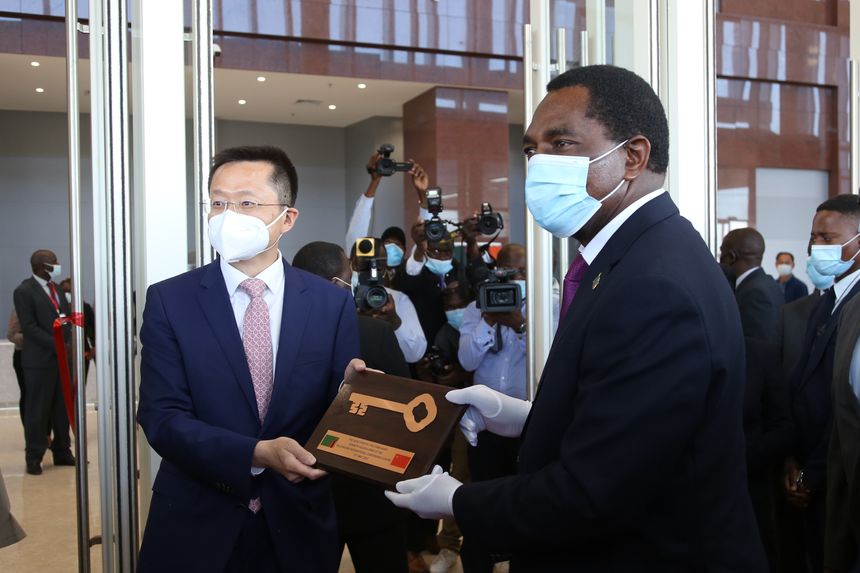
2022年,贊比亞總統(右)會見中國駐贊大使杜曉暉(左)(圖源:新華社)
觀察者網:您曾擔任南方中心的貿易和知識產權顧問。就知識產權而言,有時確實會阻礙發展;就貿易而言,近年炒作日益火熱的“脱鈎”概念已經導致中國和美國都在努力確保構建各自的貿易和知識產權網絡。鑑於此,在貿易和知識產權方面,全球各國應開展哪些方面的改革?
**科雷亞:**世貿組織下有一個協議,即《與貿易有關的知識產權協議》,該協議建立了國際知識產權基本標準。一個努力的目標可能是重審這個協議,因為它顯然不利於發展中國家,特別是在某些領域,如藥品或疫苗研發。當然,這可能是一個難以實現的目標,因為發達國家費盡心思要保護當前的體系、保護他們的知識產權。
因此,我們還可以選擇暫時接受《與貿易有關的知識產權協議》架構,但儘可能地利用它允許的政策空間。現實是這裏面有很大的政策空間,但未被許多發展中國家利用。例如,各國可制定一些授予專利權的要求,以避免企業利用某些策略維護壟斷而非創新,這在植物和醫藥品領域都是非常重要的問題。
發展中國家還可以採取其他措施,例如,我們正與非洲國家在知識產權的限制與例外方面進行合作,以擴大公有領域,擴大可用於教育和研究的材料,以及促進和允許數字信息研究。這些都是可以做的事情。各國制定政策時,應該努力利用當前國際體系允許的政策空間。
觀察者網:國際上最近關於“脱鈎”和“對抗”的討論越來越多,關鍵似乎在於美國希望強推西方民主制度,而中國則認為發展才是最重要的民主權利。您如何看待雙方的説法?
**科雷亞:**我認為發展是至關重要的,這也是南方中心非常積極地促進推廣“發展權”的原因之一。聯合國早已通過《發展權利宣言》,現在多方正在討論制定具有法律約束力的“發展權”協定。
另一點可以肯定的是,國際法的一個重要原則是不干涉別國內政,讓每個國家自行決定發展路線。在南方中心看來,任何試圖削弱這一原則的嘗試都是不可接受的。每個國家都有權利自行制定發展方式,一些國家採用了非西方模式的發展方式,並取得巨大的成功,中國就是一個顯著的例子。
因此,南方中心堅決反對美國塑造全世界的嘗試。我們需要給各國提供自由空間,讓它們做出自己的選擇。我們也非常擔心美國當下採取的一些措施,比如以國家安全為由禁止技術轉讓,禁止向中國等國家轉讓技術設備等。
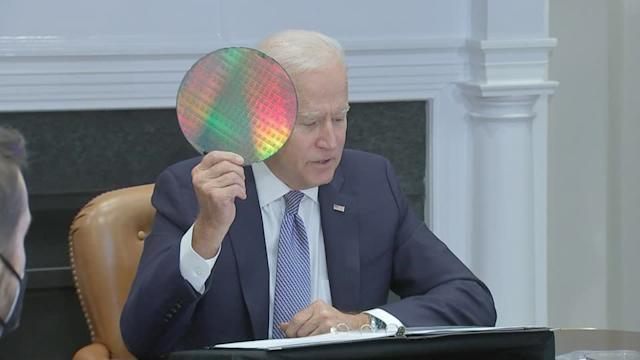
2022年,美國出台了“芯片+法案”
“國家安全”是一個非常模糊的説法,但顯然美國想阻止其他國家發展技術趕超自己,他們想繼續當技術領導者。世界需要的是合作和團結,而不是試圖阻礙其他國家的進步。我們對這些趨勢感到十分擔憂,支持發展中國家努力尋找自己的發展途徑,並抵禦美國的措施。
英文原文:
Guancha: Mr Correa, could you briefly describe to our viewers the work that South Centre does?
Correa: The South Centre is an intergovernmental organization. We have 55 members. The South Centre aims at providing policy-oriented research for developing countries to develop national, regional policies, which are adequate for the development efforts they undertake. And also very importantly, the South Centre provides support to developing countries to engage in international negotiations in different areas: trade, investment intellectual property, health, etc. This is a very important role that we play. In addition to this, we also try to enhance the capacity of our countries in dealing with some important issues, some of them I’ve just mentioned. So we do trainings and capacity building; taxation for instance became a very important issue for the South Centre in recent times in this regard.
Guancha: What would you say has been the greatest accomplishment of South Centre recently?
Correa: The South Centre has been able to help developing countries act together. In many instances, developing countries individually cannot influence the outcomes of international negotiations, therefore our role is to provide a platform for developing countries to discuss and understand their different interests. The ambition certainly is for us to get common positions in order to counterbalance the power of industrialized countries in many fora. I think this is an important achievement of the South Centre in many areas in which we have been able to support developing countries, by providing inputs for their participation in order for them to do tit in a more informed manner and influence the outcomes. We have done a lot of policy oriented research in many areas, which is being used by our countries as well. And when we look at the readership of our documents and books, we are very satisfied with the number of downloads. This an indicator of the impact that our publication have in addressing these issues which are so relevant for developing countries.
Guancha: Administratively, how does South Centre handle all the work it is conducting? How do you prioritize?
Correa: Our priorities are defined by the board of the South Centre, which elaborates every 3 years our work program, and they are also defined by the members of the South Centre, who meet once a year in the Council of Representatives. Both the Board and the Council decide what are the priorities for developing countries. Of course, these priorities change over time. For instance, climate change has become a major issue. Finance for development continues to be an important subject. Trade and development is also a challenging matter, including the relationship between trade and environment.
Hence, the priorities change over time. The South Centre is member driven. We have very close contact with ambassadors and delegations here in Geneva. We try to understand what the demands are, what the subjects of relevance are, and then we work on them. We try to satisfy this demand and be able to operate in a manner which is dynamic and adapted to the circumstances at every time. For instance, during Covid-19, the South Centre did a lot of work in understanding what the situation was in terms of inequity in distribution of vaccines, how it could be solved, how manufacturing capacity could be enhanced in developing countries. This is one example of adaptation to the needs of developing countries at a certain point.
Guancha: You say that you are satisfied with the current reach of your reports, but how do you think you can further improve this reach and influence?
Correa: We are never fully satisfied, we understand that we can do more and that we can improve. We also need more engagement from our members. Because we’re working in Geneva, we have close contact with Geneva delegations. An important objective for us is also to reach the capitals, for them to know what we are doing, what kind of analysis we are conducting, in order for them to be able eventually to benefit from that. It’s also very important for us to have the feedback from the capitals. In this regard, we have improved a lot based on a new communications policy implemented in the last few years, in terms of social media, and, as I mentioned, also dissemination of our publications. But there is room for improvement, hopefully with the support of our members and eventually new members; we are also looking for new developing countries to join the Centre. We hope that our role can be more impactful in the future.
Guancha: There are an increasing number of organizations, fora and international bodies that purport to represent the interest of developing countries and their perspective. What would you say sets South Centre apart from those other organizations?
Correa: As I mentioned, the South Centre is an intergovernmental organization. Unlike some other organizations, particularly non-government organizations, we do not have our own agenda. Our agenda is the agenda of developing countries. This organization has been created by developing countries, it works for them, is owned by the member countries, so this is perhaps one important difference. We are very sensitive, as I mentioned before, to the demands, to the interest that may change over time, and we try to respond to them; this may be a major difference with other organizations. The fact is that, as an intergovernmental organization, we deal with government delegations here or from their capitals, and this is our main audience. Of course, we also have relationships with scholars, with NGOs, civil society, and these are very important, but our main addressees are governments, in particular those who are involved in international negotiations in Geneva, as well as in New York or in Vienna in some cases.
Guancha: What would you say are the most pressing challenges facing developing countries right now?
Correa: Well, there are many. As we know, addressing the issue of climate change is a major challenge. Getting finance to implement policies in particular for adaptation is a particularly challenging. In recovering from Covid-19, addressing the financial situation and debt is a major problem, as many of our countries are indebted very heavily, in particular, low income and some middle income countries. The reform of the international financial architecture is a major issue; developing countries do need to work in that direction in order to ensure that this very significant problem is solved. Of course, there are other challenges, in terms of negotiations in WTO for instance. A reforms of WTO is being proposed by developed countries, and we certainly need an agenda from developing countries, so that this organization addresses the development needs and trade deals in a non-discriminatory manner.
Guancha: What do you think would be a viable path for reforming the international financial architecture? This is quite topical recently, because China is negotiating with some Paris Club countries about how Zambia’s sovereign debt is going to be restructured. This is seen as a major landmark or a major indicator of how future negotiations might go.
Correa: I think that’s an important step. We need the restructuring also of the international financial institutions, we need to give them a different approach. For instance, in relation to distribution of SDRs, they have not reached the countries that actually need them.
We need to look at the dominance of the US dollar, which also is hurting many developing countries, as can be seen now with the depreciation of the currencies of many. This is a major challenge for developing countries on which they really need to work together, in order to be effective in changing the system. This is a major need for our countries to reform. A key factor of dependency of our countries is the financial system as it is today. And this needs to be changed.
Guancha: What are some of the practical proposals that you’re looking into for either debt restructuring or de-dollarization?
Correa: Both of them. Debt restructuring is very important. We need to find the framework in order to do this in a manner that will help developing countries to overcome the current situation. The issue of de-dollarization is something that is coming, and we need to be prepared and to develop alternatives for that.
Guancha: What are some ways or proposals for achieving these 2 goals that seem practical, right now?
Correa: Well, we still need to develop this in a manner that a significant number of developing countries join the efforts. As I mentioned, the possibility of de-dollarization is one which is foreseeable in the future, in the case of China, for instance, now with the use of yuan, also in the case of the currency of India, which is being used in many other countries. There have been some discussions in the context of Latin America also to develop a common currency to engage in trade. These initiatives are quite important, and this may be one of the basis for changing the current system, which is not supportive of development efforts of our countries.
Guancha: Previously, you had worked as an adviser on trade and intellectual property at the South Centre, which seems particularly relevant right now, both as intellectual property rights can sometimes hinder development, but also as talk of the decoupling has led to both China and the US working on securing their own trade and IP networks around the world. In light of this, what are some reforms that can be made on a global level?
Correa: There is an agreement in the WTO, the TRIPS agreement, that has established minimum standards for intellectual property. Of course, one objective may be to look again at this agreement, which is quite clearly not working in favor of developing countries, in particular in some areas such as medicines or vaccines. However, this may be a difficult objective to achieve given that developed countries are very eager to protect the system and the intellectual property that they generate. Therefore, what we have as an alternative is to work for the time being within the system, but to use to the full extent possible the policy space which is allowed by the international system today. And there is a lot of room to do this in many countries. many developing countries have not used to the full these flexibilities in terms of, for instance, developing rigorous requirements for the grant of patents that will avoid the use of strategies by companies to keep monopolies without actually producing innovation. This is a very important issue in some areas, such as in the area of plants and medicines.
There are other measures that can be adopted. For instance, in relation to limitations and exceptions for copyrights, we are working now with African countries to expand the public domain, increase the access to educational materials and research materials, and promote and allow research on the basis of digital information. All these are things that can be done. To the extent that national and regional policies are adapted, they should pursue this objective of using the policy space which is available today in the context of the international system.
Guancha: Recently there has been increased talk of decoupling and confrontation on the global stage. Key to this seems to be America’s desire to see all countries adopt a more western model of democracy, of governance, while China believes that development should be or is the most important democratic right of the people. What do you think of these competing narratives?
Correa: Certainly, I think that development is key, and this is one of the reasons why we promote very actively the right to development. Such a declaration has already been adopted, now some discussions are taking place to develop a legally binding instrument on the right to development. But certainly, one important principle of international law is no interference, is to leave each country the freedom to define its own strategy of development. Any attempt to modify or to influence this is something that, in our view, is not acceptable. Every country has the right to determine what development strategy it will follow. And in some cases, we know they will follow strategies that are not based on the western model with great success. China, of course, is a major example.
Thus, we think that the attempts by the United States to model the whole world cannot be in any way supported. We need to leave countries the freedom to make their own choices. And of course, we are very much concerned about the measures that United States is taking today to ban transfer of technology and equipment to China and other countries on the argument of national security, which is a very vague argument. Clearly, they want to stop the technological catching up of other countries. They want to remain as the technological leaders. What we need in the world is cooperation and solidarity, and not trying to stop progress of other countries. Certainly, we are very much concerned about these trends, support developing countries’ efforts to find their own strategy for development and counter these influence measures.
本文系觀察者網獨家稿件,文章內容純屬作者個人觀點,不代表平台觀點,未經授權,不得轉載,否則將追究法律責任。關注觀察者網微信guanchacn,每日閲讀趣味文章。
